Connected vehicle regulations: Navigating the global policy landscape transformainsights.com Aug. 15, 2026, 4:15 a.m.
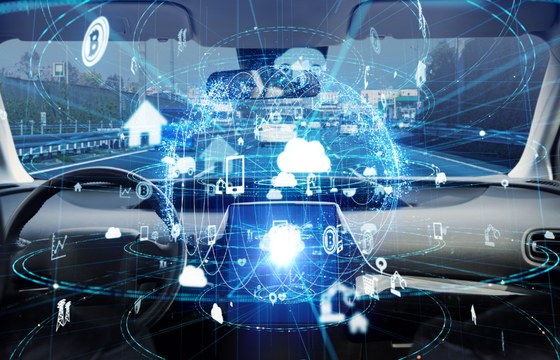
The automotive industry has fundamentally transformed from mechanical engineering to software-defined, cloud-connected platforms incorporating over-the-air updates, predictive maintenance, advanced driver assistance systems, vehicle-to-everything communication, and autonomous capabilities. While these innovations promise enhanced safety and mobility, they create unprecedented regulatory challenges around cybersecurity, data governance, and software liability. Traditional automotive regulations focused on safety and emissions are inadequate for this digital landscape. Transforma Insights' report "Global regulations for connected vehicles" examines the evolving regulatory environment across major markets, revealing six consistent governance themes: data privacy, data sovereignty, cybersecurity, software and OTA updates, V2X communication, and autonomous vehicles. Connected vehicles continuously collect extensive data on drivers, passengers, vehicle performance, location, and environments, enabling valuable services like navigation and predictive maintenance while raising critical privacy concerns. Regulators increasingly mandate manufacturer and service provider accountability through user consent requirements, transparent data collection practices, minimized processing, and user control mechanisms, reflecting growing recognition that comprehensive data governance frameworks are essential for connected vehicle adoption.
From hours charging to ‘barely a couple of minutes’: Yuma Energy on the benefits of battery swapping www.evinfrastructurenews.com Aug. 15, 2026, 4:15 a.m.
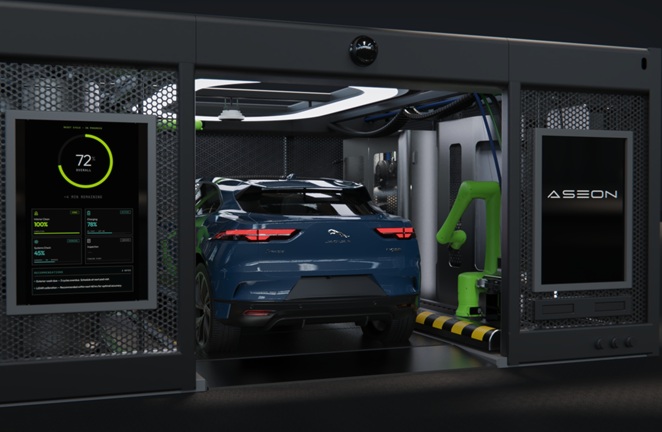
Battery swapping represents a viable EV solution across multiple use cases, with particular value for applications requiring minimal downtime, according to Muthu Subramanian, MD of India-based battery-as-a-service company Yuma Energy. The technology reduces charging time from three to four hours to mere minutes, making it especially attractive for commercial drivers who cannot afford idle time. Battery swapping enables fleet operators to decouple vehicle and battery lifecycles, manage battery health centrally, and avoid capital tied up in idle batteries. Beyond commercial applications, swapping benefits personal users by eliminating upfront battery costs, removing degradation concerns, and enhancing convenience in dense urban areas where charging infrastructure is limited. The approach is gaining momentum globally, exemplified by Octopus and CATL's recent European battery swapping network launch, following earlier adoption in China and India. By separating vehicles from batteries, ownership costs decrease significantly while battery management becomes the operator's responsibility, addressing concerns particularly relevant for apartment dwellers lacking dedicated charging access.
Search | Reshoring Initiative reshorenow.org Aug. 15, 2026, 4:15 a.m.
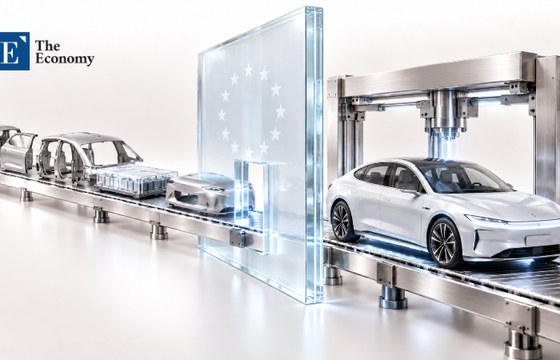
The Reshoring Initiative is a comprehensive resource platform dedicated to advancing the return of manufacturing operations to domestic markets. The organization provides extensive research, data analysis, and strategic guidance to support companies, economic development organizations, retailers, and trade associations in reshoring decisions. The platform offers specialized tools including a Total Cost of Ownership estimator and case study submissions to help stakeholders understand reshoring economics. Key program initiatives include the Import Substitution Program, which assists manufacturing companies and suppliers in identifying domestic sourcing opportunities, and the Supply Chain Gap Program, addressing critical supply chain vulnerabilities. The Reshoring Initiative maintains an extensive library of research covering economic impacts, offshoring risks, consumer preferences, green manufacturing practices, and workforce development. Recent focus areas emphasize skilled workforce development and "new-collar" career profiling, highlighting that employability skills have become paramount in the modern job market. The platform hosts regular webinars, presentations, and events including participation in major industry exhibitions like IMTS Chicago. With over 2,450 news and event results dating from 2016 through 2026, the Reshoring Initiative serves as a critical intelligence hub shaping the next era of American manufacturing competitiveness.
The car becomes a data center on wheels gf.com Aug. 15, 2026, 4:14 a.m.
The automotive industry is undergoing fundamental transformation through the Software-Defined Vehicle (SDV) paradigm, where cars gain new capabilities via over-the-air updates similar to smartphones. This shift requires consolidating vehicle computing from distributed, function-specific ECUs—often numbering in the dozens or hundreds—into centralized high-performance platforms that enable independent hardware and software evolution. Two critical drivers accelerate this change: the need for consistent vehicle-wide updates and advancing sensor fusion for ADAS and autonomous driving, where cameras, radar, LiDAR and ultrasonic sensors stream raw data to central processing rather than reporting localized decisions. These demands transform modern vehicles into data centers on wheels, requiring significantly increased bandwidth and computing capacity. The industry is transitioning from legacy Distributed architectures with 100 Mbps Ethernet to more sophisticated Domain and Zonal approaches, incorporating SerDes technology and higher-bandwidth Ethernet standards. This evolution addresses the fundamental limitation of traditional distributed systems where tight coupling between functions and ECUs made vehicle integration, updates and verification increasingly complex. Understanding these architectural changes is essential for stakeholders tracking automotive technology evolution.
Second-Life EV Batteries - What Happens After the Car www.heco.com.au Aug. 12, 2026, 1:15 p.m.
Electric vehicle batteries retired from automotive use when they fall below 70-80% of original capacity can provide a decade of additional service life in stationary applications where reduced capacity is less critical. While a degraded battery delivering 300 kilometers of range instead of 400 is inadequate for daily vehicle use, the same pack reliably stores and discharges energy for residential purposes like managing solar generation and evening power release. Second-life EV battery deployment in Australia remains in early stages, with residential applications being the least developed segment due to limited supplies of retired EV packs from Australia's relatively young electric vehicle fleet and complex certification requirements for home storage products. This reuse approach meaningfully addresses environmental concerns surrounding battery production by doubling the useful service period before recycling becomes necessary—a battery powering a vehicle for 10 years plus home storage for 8-10 additional years delivers approximately twice the utility of one sent directly to recycling. Currently, newly manufactured home batteries dominate the Australian residential market due to established supply chains and simpler regulatory pathways, though second-life options are gradually becoming available from reputable manufacturers as infrastructure and certification processes develop.
China E-Mobility Weekly Digest: China’s EV Expansion Turning Point as Africa Bets on Batteries, Manufacturing chinaglobalsouth.com Aug. 12, 2026, 1:14 p.m.
China's expanding electric vehicle dominance is fundamentally reshaping manufacturing opportunities across the Global South, particularly in Africa, Asia, and South America. African nations including Zimbabwe and the Democratic Republic of the Congo are positioning themselves strategically within the EV value chain, leveraging their abundant critical minerals like lithium and cobalt. Zimbabwe is now demanding increased local processing of its lithium resources, while the African Development Bank Group has approved funding for battery manufacturing projects on the continent, signaling institutional support for expanding EV production capabilities. Concurrently, innovative solutions are emerging to address consumer barriers, exemplified by the Bingo E2, an American-designed, Chinese-engineered battery-swapping mini-EV launching in Kenya to serve ride-hailing drivers and reduce range anxiety. Meanwhile, major manufacturers are adapting to competitive pressures, with Thai auto parts suppliers recognizing partnerships with Chinese EV makers as essential for survival amid low-priced Chinese brands. BYD's Brazilian manufacturing facility has reached the 100,000-vehicle milestone with planned regional export expansion. This transformation matters because it redistributes automotive manufacturing capabilities geographically, creates development opportunities for resource-rich nations, and demonstrates how Chinese EV technology integration is reshaping global supply chains and consumer mobility solutions.
Cybersecurity risks posed by over-the-air tech in autos has analysts concerned www.cnbc.com Aug. 12, 2026, 1:14 p.m.
The automotive industry's widespread adoption of over-the-air technology for vehicle updates poses significant cybersecurity risks, according to security analysts and policy experts. OTA technology enables wireless delivery of software, firmware, fixes, and data to internet-connected vehicles, a practice Tesla normalized beginning with its Model S in 2012. While OTA updates offer cost-effective alternatives to traditional recalls and maintenance visits, experts warn they create vulnerabilities that could be exploited by malicious actors. Gabriel Lim from Singapore's S. Rajaratnam School of International Studies describes OTA as a unique national security concern, noting that foreign actors could potentially sabotage vehicle controls. Norway, Denmark, and Britain have expressed particular concern about these risks. Real-world vulnerabilities have been documented, including a Norwegian bus company's discovery of potential unauthorized access through a Romanian SIM card. The American Enterprise Institute recommends enhanced security reviews, restrictions on foreign-made vehicle hardware and software, and mandatory data-collection disclosures. These concerns have prompted multiple countries to launch investigations into OTA security standards across their transportation sectors.
What is a Software Defined Vehicle? www.salesforce.com Aug. 12, 2026, 1:14 p.m.
A software-defined vehicle (SDV) represents a fundamental shift in automotive architecture, where core vehicle functions are controlled and continuously updated through integrated software systems rather than fixed hardware components. Unlike traditional vehicles with isolated computers and controllers, SDVs feature unified software platforms that manage infotainment, safety systems, and performance as interconnected elements. This architecture enables vehicles to evolve after leaving the factory through over-the-air updates that improve performance, add new functionality, and enhance diagnostics without requiring physical component replacements. By decoupling software capabilities from hardware lifespan, manufacturers can extend vehicle value and introduce new features throughout ownership. This approach also creates novel revenue opportunities through subscription services and personalized upgrades, enhancing customer experience while generating additional income streams. Software-defined vehicles represent a transformative model that prioritizes continuous improvement and adaptability over static, assembly-line-defined specifications, fundamentally changing how vehicles are built, maintained, and monetized throughout their operational life.
Every OTA Update is Another Vehicle Launch - And a New Risk www.magna.com Aug. 12, 2026, 1:14 p.m.
Software-defined vehicles represent a fundamental shift in automotive delivery, transforming how manufacturers engage with customers throughout vehicle lifecycles rather than at the factory gate. As over-the-air updates enable continuous vehicle evolution, each software deployment carries the weight of a full vehicle launch, demanding rigorous validation, cybersecurity measures, and quality assurance. Unlike traditional manufacturing where capability was fixed upon delivery, SDVs now introduce new functionality, refine existing systems, and improve performance throughout their operational lives through connected services and centralized computing. This evolution from delivering finished products to managing continuously evolving platforms forces the industry to reconsider engineering responsibility, shifting from a single-moment peak at launch to ongoing engineering cycles. The challenge extends beyond traditional cybersecurity threats to encompassing comprehensive validation of interconnected systems, as modern OTA updates simultaneously influence cloud services, in-vehicle networks, remote functions, and vehicle-to-everything communication. Success in this software-defined era requires automotive manufacturers to maintain customer trust by delivering updates that are not only capable and innovative but also secure, reliable, and dependable, fundamentally reimagining what vehicle delivery means.
BMW Is Showing Commercials On Their Car's Dash Screens And They Want You To Think It's A Treat www.theautopian.com Aug. 10, 2026, 6:53 a.m.
What, you are likely inquiring unto the heavens, the fuck is this? And that’s a fantastic question. What’s going on here? Is that actually a full-motion-and-sound advertisement for a Spider-Man movie playing on the center stack screen of that new BMW? Why? How? Reading the comments, it seems that the ad appears when the car is started, with an option to play it or not being displayed on the screen. I suppose that’s better than it autoplaying, but just barely. It’s still the car taking your time and attention and control of your car’s display to ask if you want to see a damn ad.
Reshoring Creates a Competitive Advantage for Specialty EV Manufacturers auto-tech-news.com Aug. 8, 2026, 4:12 a.m.
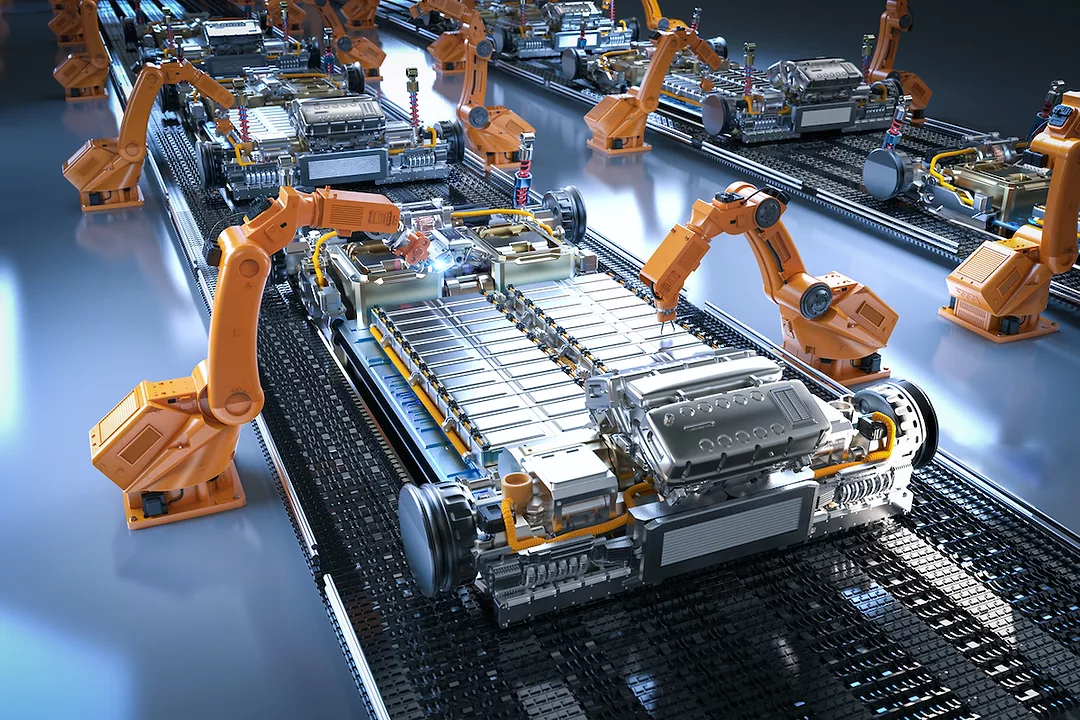
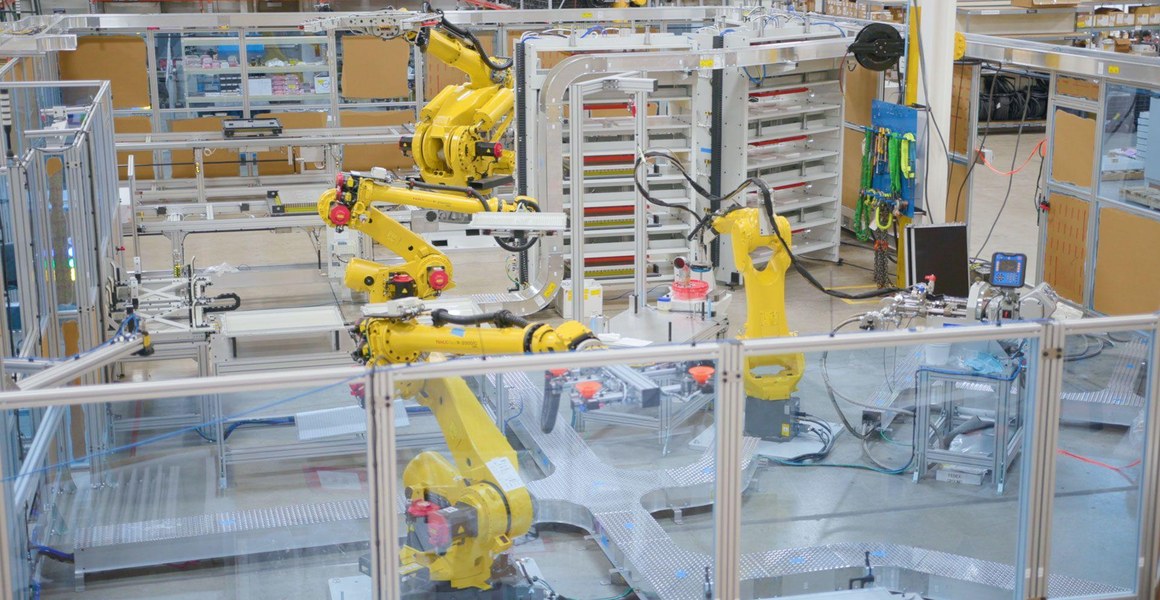
The shift from internal combustion engines to electric propulsion is fundamentally reshaping automotive manufacturing economics, particularly benefiting specialty vehicle manufacturers. Traditional ICE production required massive capital investments in engine foundries, machining centers, and transmission facilities, creating barriers for new entrants. Electric vehicles eliminate many of these constraints, enabling smaller manufacturers to pursue reshoring and regional production strategies. Without engines and transmissions to develop, specialty OEMs can redirect resources toward systems integration, battery management technology, embedded software, and flexible manufacturing, competing through engineering agility rather than production scale. Reshoring strengthens regional supplier ecosystems, bringing critical components including wire harnesses, battery enclosures, and thermal systems closer to final assembly. Shorter supply chains reduce transportation costs, accelerate engineering changes, shorten product cycles, and mitigate geopolitical risks. Regional manufacturing hubs benefit from proximity to engineering talent, universities, and research institutions offering expertise in electrification and advanced technologies. Industry frameworks from SAE International and the Automotive Industry Action Group provide standardized engineering and manufacturing methodologies, reducing development risk and improving supplier collaboration. Artificial intelligence further amplifies these advantages by supporting design optimization and cost estimation, creating unprecedented opportunities for agile specialty manufacturers to compete effectively in the EV market.
Generational launches cell-level EV battery voltage testing generational.ac Aug. 8, 2026, 4:12 a.m.
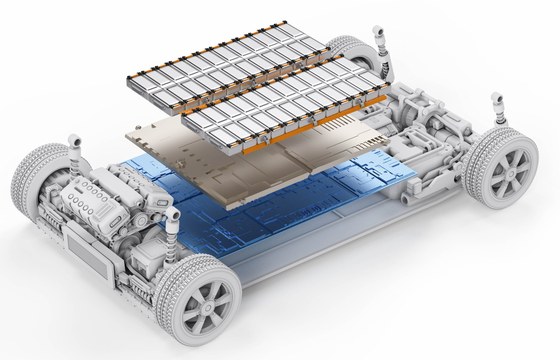
Generational, a UK-based electric vehicle battery diagnostics innovator, has launched cell-level voltage testing capabilities for its battery assessment platform, announced on 8th April 2026. This enhancement enables non-technical automotive retail staff to evaluate voltage balance across individual lithium-ion cells within battery packs, identifying potential issues that may not appear in overall health metrics. Modern EV batteries contain hundreds of cells that must remain closely balanced; voltage imbalances can emerge from temperature variations, charging patterns, and natural aging. When cells become unbalanced, the battery management system is constrained by the weakest performer, reducing available range and drivability across the entire pack. Persistent imbalances can necessitate costly module replacements, affecting resale value and accelerating degradation in remaining cells. By detecting these issues early, Generational's cell-level voltage testing helps automotive retailers mitigate risk when acquiring, valuing, and selling used electric vehicles, providing critical diagnostic depth beyond traditional State of Health assessments.
Second-Life EV Battery Applications: Complete Guide www.circunomics.com Aug. 8, 2026, 4:12 a.m.
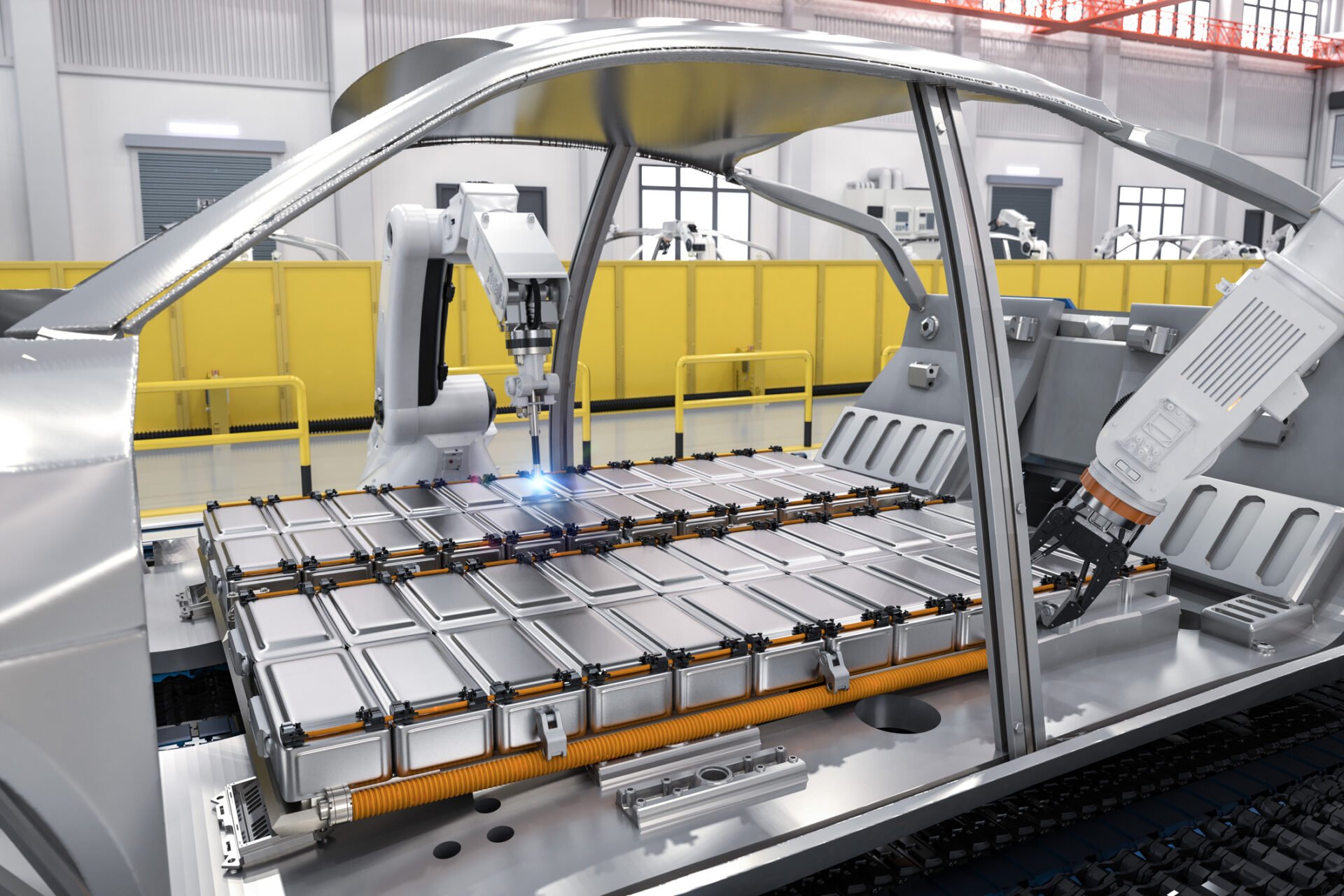
The global shift toward electric vehicles and renewable energy has intensified demand for lithium-ion batteries, necessitating a circular battery economy that prioritizes reuse, repurposing, and recycling to minimize waste and maximize resource efficiency. Second-life battery applications have emerged as a critical strategy for extending battery value beyond their automotive lifespan, particularly for stationary energy storage systems and battery energy storage systems (BESS). This approach is essential given mounting supply chain pressures, particularly for critical raw materials including lithium, cobalt, and nickel. Lithium demand is projected to increase 40-fold by 2040, while current extraction methods through hard rock mining and brine evaporation face environmental and water scarcity challenges. Cobalt presents significant geopolitical risks, with approximately 70 percent of global production concentrated in the Democratic Republic of Congo, creating ethical sourcing concerns. Second-life battery applications directly address these challenges by extending battery lifespan, reducing dependence on virgin mineral extraction and lowering the carbon footprint of EV manufacturing. For automotive, energy storage, recycling, and renewable energy sectors, understanding second-life strategies is essential for achieving genuine sustainability in the clean energy transition.
Time to build an EV conversion ecosystem at scale www.thedailystar.net Aug. 8, 2026, 4:12 a.m.
Bangladesh currently permits electric vehicle purchases but prohibits converting existing vehicles to electric power, creating a significant gap in the country's EV transition strategy. This regulatory limitation overlooks vehicle owners unable to afford new cars, necessitating an inclusive second pathway toward green transportation. The global EV conversion kit market is projected to reach nearly $32 billion by 2034, with the retrofit powertrain segment already valued at over $68 billion in 2024, demonstrating substantial market potential. India provides a compelling precedent, having issued conversion guidelines in 2021 through its Ministry of Road Transport and Highways, with the Automotive Research Association establishing strict technical standards for electric kits. Delhi further incentivized conversions by offering 50,000 rupees cash incentives for owners of banned older vehicles who retrofitted approved electric kits. Nepal similarly legalized engine modifications in 2022, establishing permanent legal frameworks after successful conversions demonstrated safety and feasibility. Kenya's Opibus has successfully converted existing safari vehicles and utility trucks to electric power before manufacturing new vehicles. Given that over 100 crore vehicles operate globally while fewer than 20 crore new vehicles sell annually, retrofitting existing vehicles represents a more resource-efficient and equitable approach to decarbonization than replacement-focused policies.
The Target Year for All-Solid-State Batteries Keeps Moving|ZERO note.com Aug. 8, 2026, 4:12 a.m.
All-solid-state batteries remain far from mainstream adoption despite accelerating commercialization timelines. In 2025, global shipments reached only 0.05 GWh—equivalent to approximately 700 electric vehicles—compared to 1,944.6 GWh for conventional lithium-ion batteries. Despite these modest figures, major automakers including Toyota and Nissan have announced commercialization targets for 2027-2028, though these refer to limited small-scale production for specific vehicle models rather than economically viable mass production. Toyota plans pilot production between 2027-2028, while Nissan's Yokohama facility began operations in January 2025 and demonstrated its 23-layer prototype pack capabilities, though production volumes are expected to remain under several hundred units. CATL aims for small-lot production in 2027 with approximately 5 GWh capacity, assessing itself at level 4 of 9 development stages. The discrepancy between announced timelines and actual progress reflects evolving industry terminology, with commercialization increasingly defined as limited-scale deployment rather than mass-market viability. Industry target years have progressively shifted from 2020 through 2023, 2025, and 2026 to current projections, revealing persistent technological and manufacturing challenges despite substantial investment and development efforts.
Why ‘reverse tech transfer’ from China won’t happen in the US auto industry www.scmp.com Aug. 5, 2026, 3:10 p.m.
Western automakers historically resisted technology sharing with Chinese counterparts to access China's market. This dynamic has reversed as Chinese electric vehicle manufacturers gain competitive advantages through affordable, high-quality products and expanding global market share. While Canada and the European Union actively pursue reverse technology transfer strategies by welcoming Chinese investment, the United States employs protective measures including substantial tariffs on Chinese EVs, restrictions on Chinese-owned automotive companies, and proposed legislation to exclude them from the market. Despite recognized opportunities for technological advancement through such transfers, geopolitical tensions, espionage concerns, protectionism, and bipartisan Congressional opposition create insurmountable barriers to Chinese participation in American manufacturing.
How to Battery Health Test: A Practical 2026 Guide electronics.alibaba.com Aug. 5, 2026, 1:12 p.m.
Battery health testing has become increasingly important as users recognize that State-of-Health (SoH) measurements—which quantify remaining capacity relative to factory specifications—predict usable range, resale value, and replacement timing. While built-in OS reporting in iOS and macOS suffices for typical smartphone and laptop users, owners of electric vehicles, fleets, or mission-critical portable equipment require validated diagnostic tools that prioritize SoH accuracy over raw voltage readings. A battery health test measures actual remaining capacity and internal resistance, accounting for cumulative chemical aging including lithium plating and electrolyte breakdown, typically expressed as an SoH percentage. Search interest in battery health testing surged to an index of 81 in May 2026, driven not by increased failures but by three converging shifts in user awareness and EV adoption. The guide emphasizes that testing solutions must be evaluated against five critical specifications and validated against original equipment manufacturer BMS logs for reliability. For most individuals, manufacturer-provided tools remain optimal and cost-effective, though dedicated testing justifies investment only when testing frequency reaches approximately 120 batteries or operational downtime costs exceed $200 per hour.
Assessment & Transportation — Battery Recycling & Reuse electrification-academy.com Aug. 5, 2026, 1:11 p.m.
Used or discarded batteries collected from recycling centers, manufacturers, and e-waste facilities undergo comprehensive assessment and preparation before transportation to final processing destinations. The evaluation process includes state-of-health assessments, diagnostic testing, and functional checks to determine degradation levels and potential for second-life applications, remanufacturing, or recycling. Batteries are then carefully prepared for transport with proper classification, labeling, and packaging compliant with strict safety and regulatory standards to prevent hazards such as leakage, short circuits, or fires. A critical regulatory challenge exists: once batteries are classified as waste under EU regulations, reclassification for reuse becomes extremely difficult without special permissions, particularly due to hazardous waste codes. To enable second-life applications effectively, capacity testing and state-of-health assessments should occur before formal waste declaration at non-licensed facilities. Clear guidelines are needed to establish appropriate assessment timeframes and locations, with forthcoming regulations potentially mandating these procedures. This streamlined approach is essential for enabling battery reuse while managing the growing complexity of EV battery end-of-life logistics.
Sumitomo Chemical to mass-produce solid-state battery material for EVs asia.nikkei.com Aug. 5, 2026, 1:11 p.m.
Sumitomo Chemical has announced plans to commence mass production of an innovative electrolyte material designed for solid-state batteries, targeting fiscal 2028 as the launch timeframe. This development represents a significant advancement in battery technology for the electric vehicle sector. Solid-state batteries are increasingly recognized as a next-generation solution offering superior energy density and safety compared to conventional lithium-ion batteries. The electrolyte material under development demonstrates considerable promise in meeting the demanding requirements of EV applications. By scaling production, Sumitomo Chemical aims to achieve a critical balance between cost reduction and performance maintenance, addressing two of the primary barriers to widespread solid-state battery adoption. This initiative positions the company as a key player in the evolving battery materials landscape and supports the broader industry transition toward more efficient and sustainable EV powertrains. The fiscal 2028 timeline suggests the technology is progressing toward commercial viability within a competitive timeframe.
Chinese EV makers are outpacing U.S. automakers in overseas investments www.cnbc.com Aug. 1, 2026, 4:11 a.m.
Chinese electric vehicle manufacturers are rapidly expanding their global presence through aggressive overseas investments and factory construction across multiple continents, outpacing American automakers in capital deployment. According to Atlas Public Policy, Chinese companies announced approximately $101 billion in overseas EV and battery investments between 2019 and 2025, compared to just over $38 billion from U.S. companies. Industry analysts, including Kyle Chan from the Brookings Institution, warn that companies like BYD are establishing themselves as dominant market leaders comparable to General Motors and Ford in the EV era, leveraging economies of scale and entrenched global supply chains. However, estimates of actual completed investments differ significantly—Rhodium Group estimates only about $85 billion of announced Chinese investments have materialized into operational facilities. A pivotal shift occurred after 2021, when Chinese companies surpassed American firms in foreign direct investment. Key drivers include China's saturated domestic market facing price wars and overcapacity, creating strong incentives for overseas expansion. This trend raises concerns about potential U.S. competitive isolation in the critical EV sector.