Tobacco Induced Diseases
www.tobaccoinduceddiseases.org
Oct. 9, 2026, 10:10 a.m.
Jovan Zubović is an author contributing to Tobacco Induced Diseases, a peer-reviewed journal focused on tobacco-related health research. His published work includes studies examining heated tobacco products and smoking behaviors. In one research paper co-authored with Aleksandar Zdravković and Boban Nedeljković, published in 2026, the authors analyzed tax differentials, relative prices, and excise tax pass-through mechanisms for heated tobacco products in Serbia. Another study conducted with Zdravković and Olivera Jovanović investigated smoking patterns during the COVID-19 pandemic, using evidence from Serbia and published in 2022. The journal itself publishes comprehensive research including systematic reviews on emerging tobacco products such as IQOS and e-cigarettes, examining their health impacts across respiratory, oral, and cardiovascular domains. Featured studies also explore tobacco use prevalence among diverse populations including Malaysian adults and adolescents, alongside investigations into risk factors and associations between various tobacco products and health outcomes. This research contributes essential evidence for understanding contemporary tobacco product use patterns and their public health implications.
Share on
If it’s at a vape shop, it must be legal and safe, right? Wrong
www.wrdw.com
Oct. 9, 2026, 10:09 a.m.
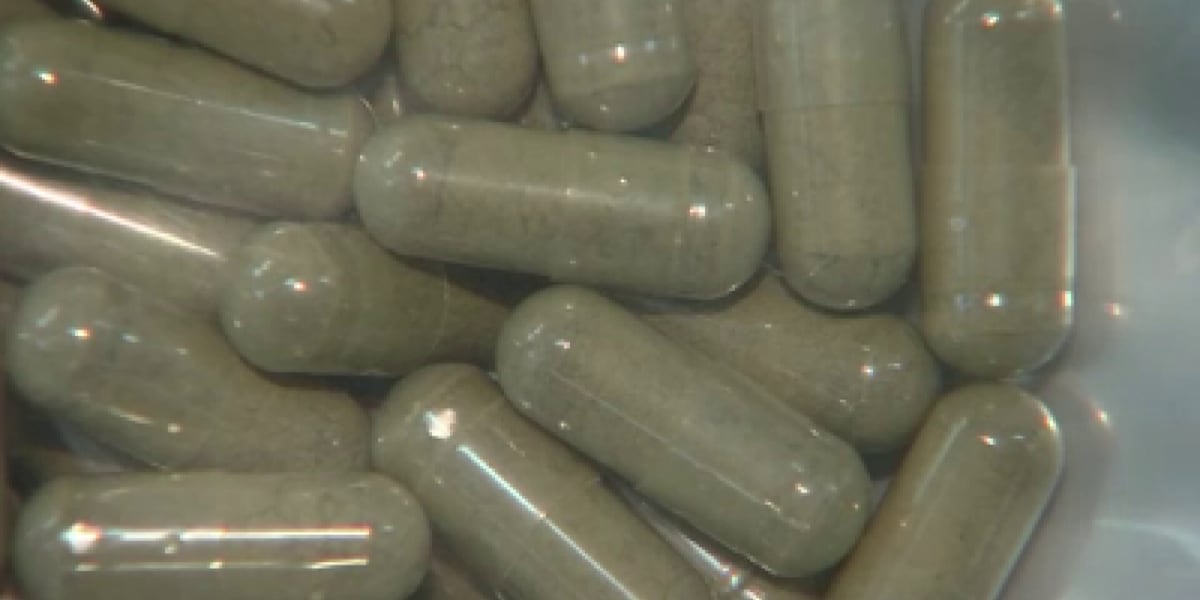
A recent investigation in Georgia highlights growing concerns about unregulated products sold at vape and smoke shops that may not be legal or safe despite their retail availability. On September 21, law enforcement executed eight search warrants at four vape stores in Blackshear, Jesup, and Ludowici, seizing illegal THC products including marijuana falsely labeled as hemp flower and banned THCA products. Georgia Agriculture Commissioner Tyler J. Harper emphasized the state's zero tolerance for illegal THC sales. The investigation coincides with renewed scrutiny of kratom, an herbal extract from a Southeast Asian tree sold widely at vape shops and gas stations. Two University of Mississippi students died in recent weeks with kratom packages found at both scenes, though toxicology reports remain pending and investigators have not confirmed kratom as the cause. While legal federally, kratom is banned or restricted in several states. University of Michigan and Texas State University researchers report kratom use is at an all-time high in the U.S., with over 5 million lifetime users including more than 100,000 children ages 12 to 17. Health officials warn that concentrated and chemically altered kratom products pose particular risks, as consumers cannot easily distinguish between safe and dangerous formulations.
Share on
Nicotine-free vape imports surge in Korea amid tobacco law loophole
www.koreajoongangdaily.com
Oct. 9, 2026, 10:09 a.m.
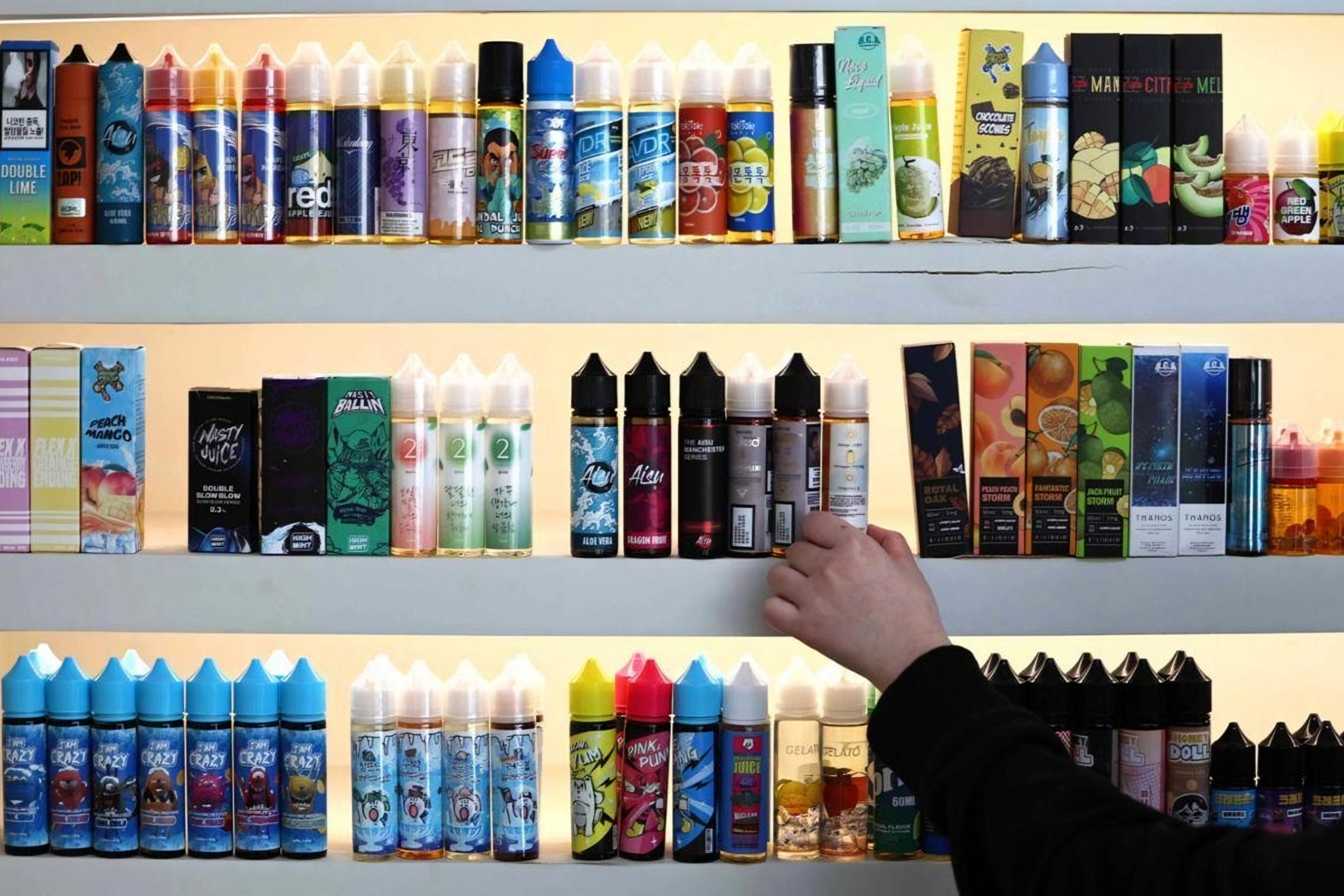
South Korea's amended Tobacco Business Act, effective April 24, expanded tobacco regulations to include products containing natural or synthetic nicotine, successfully reducing synthetic nicotine imports by 97 percent. However, the law created significant regulatory gaps that vapers are exploiting. Nicotine analogues like 6-methylnicotine and nicotine-free e-liquids remain unregulated, escaping restrictions on promotions, online sales, taxation, and use in nonsmoking areas. Consequently, imports of nicotine-free e-cigarette liquid more than doubled, rising 105 percent to $9.21 million in the first eight months of 2024, while online listings for these products increased 86.3 percent. Critics, including Democratic Party Rep. Lee In-young and the Korea Center for Tobacco Control Research and Education, warn that the loophole enables aggressive marketing of fruit-flavored alternatives that deliver comparable effects to regulated products, potentially endangering teenagers' health. The government's regulatory oversight remains inadequate to address this evolving market shift toward uncontrolled nicotine substitutes.
Share on

Can Nicotine Be Replaced? 6-MN Is Already on the Market While Key Human Evidence Is Still Missing
www.2firsts.com
Oct. 9, 2026, 10:08 a.m.
A new study published in Toxicology Reports examined Nixodine-S, a formulated concentrate containing (S)-6-methylnicotine, as part of ongoing industry interest in replacing nicotine entirely. The research found that Nixodine-S did not induce cytotoxicity under test conditions where nicotine did, and it produced different activation patterns across nicotinic acetylcholine receptors. However, the study did not evaluate human subjects or measure effects on addiction, disease risk, or long-term health outcomes. The findings emerge as 6-methylnicotine products have already entered the market in e-cigarettes and oral pouches, with independent analyses revealing discrepancies between labeled and actual analogue content in U.S. products. The FDA has proposed seeking explicit congressional authority to regulate nicotine analogues. According to Rick Avila, CEO of Bonguard Naturals and co-author of the study, critical evidence remains absent to validate nicotine analogues as genuine substitutes, including human pharmacokinetic and abuse-liability studies. Nixodine-S, designed as a volume-for-volume nicotine substitute for vape and oral product manufacturing, represents a shift from traditional innovation focused on delivery mechanisms toward changing the pharmacologically active molecule itself.
Share on
Korea closes loophole allowing minors into unmanned vape shops
www.koreatimes.co.kr
Oct. 9, 2026, 10:08 a.m.
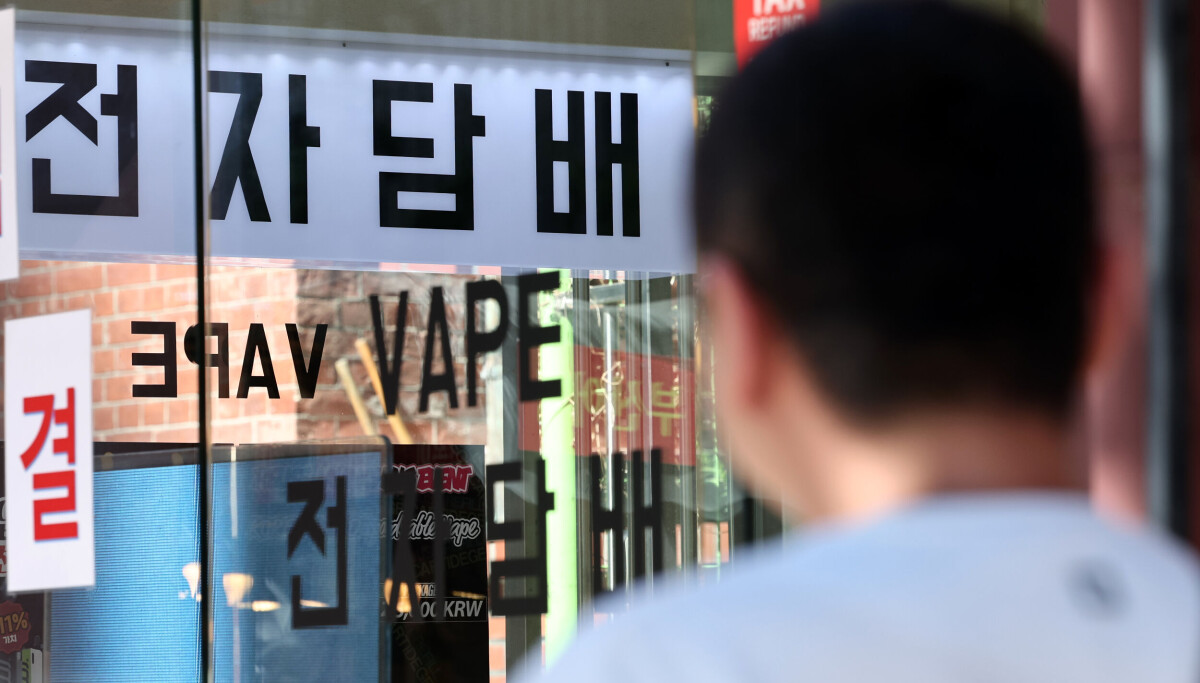
South Korea's Ministry of Gender Equality and Family announced legislation to close a significant regulatory loophole affecting minors' access to e-cigarettes at unmanned stores. The pre-announced rule, with a notice period extending until October 6, will require unmanned e-cigarette retailers—businesses operating without staff or owners present—to implement age verification measures and display warning signage prohibiting minors from entering or working at these locations. This regulatory gap emerged after South Korea's April 2024 revision to the Tobacco Business Act formally classified e-cigarettes as tobacco products, extending restrictions to schools, hospitals, and designated outdoor no-smoking zones while banning online sales and promotional activities targeting youth. However, unmanned stores continued operating as enforcement points, enabling minors to purchase products unchecked. The initiative aligns with global efforts to strengthen tobacco regulations, following similar measures in the United Kingdom and the Maldives. The new legislation matters significantly for youth public health, as it addresses a critical enforcement gap in an otherwise comprehensive regulatory framework designed to protect minors from nicotine addiction.
Share on
South Korea Extends Vape Rules to Unmanned Stores After Bringing Synthetic Nicotine Under Tobacco Law
www.2firsts.com
Oct. 3, 2026, 7:41 a.m.
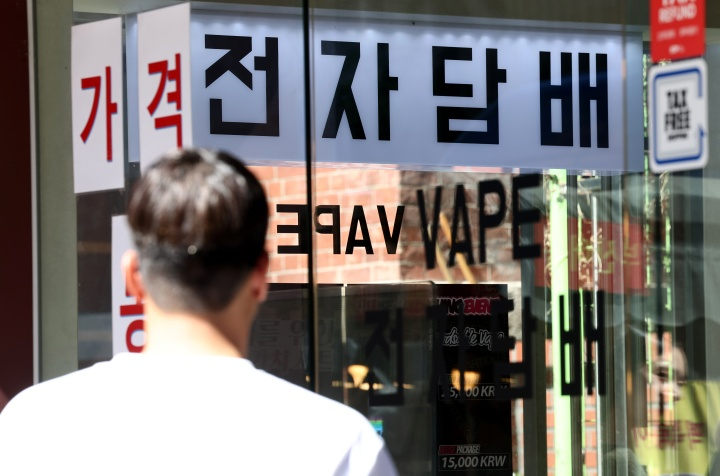
South Korea's Ministry of Gender Equality and Family announced plans to extend vape regulations to unmanned e-cigarette stores, designating them as spaces where minors are prohibited from entering or working. The proposed administrative notice is open for public comment from September 14 through October 6. This measure targets automated retail locations without permanent staff, requiring operators to implement age-verification mechanisms at store entrances and display notices restricting minors. Under South Korea's existing Youth Protection Act, sellers must verify customer age at the point of sale, but the new proposal shifts compliance responsibility to the store-access level. Government officials cited the lack of sales staff at unmanned vape retailers as creating enforcement challenges for real-time purchase prevention. This initiative follows the April 2026 amendment to the Tobacco Business Act, which expanded tobacco definitions to include synthetic-nicotine vaping products previously unregulated. The regulatory expansion addresses a regulatory gap that had allowed synthetic-nicotine e-cigarettes to circumvent traditional tobacco restrictions. These measures represent South Korea's comprehensive effort to reduce youth access to vaping products across all retail channels.
Share on

British American Tobacco - Progressive regulation
www.bat.com
Oct. 3, 2026, 7:41 a.m.
Governments worldwide are increasingly adopting progressive regulatory frameworks for smokeless tobacco and nicotine products—including vapor, tobacco heating, herbal heating, and nicotine pouches—recognizing their potential to reduce smoking-related health impacts. Evidence from Sweden, the UK, New Zealand, and Canada demonstrates that regulated access to smokeless alternatives correlates with accelerated declines in smoking rates. Sweden exemplifies this success, approaching smoke-free status with approximately five percent smoking prevalence, substantially ahead of the EU's 2040 target. The article advocates for science-based, proportionate regulation that establishes robust product quality and safety standards while enabling adult access to satisfying nicotine products and age-appropriate flavors. Effective regulatory regimes should facilitate consumer information accessibility, prevent underage use through enforcement mechanisms, and encourage environmental responsibility. Achieving tobacco harm reduction requires coordinated efforts among governments, industry stakeholders, and public health communities to maximize smokeless products' contribution to reducing cigarette consumption and associated health burdens.
Share on

Nicotine: evolution, dependence, and the path to total quit: redefining cessation in a changing nicotine landscape
www.frontiersin.org
Oct. 3, 2026, 7:41 a.m.
# Professional Summary
The nicotine marketplace has undergone significant transformation, extending beyond traditional combustible cigarettes to encompass electronic nicotine delivery systems (ENDS), heated tobacco products (HTPs), nicotine pouches, and licensed medicinal nicotine products. This expansion has fundamentally altered exposure patterns, dependence mechanisms, and cessation outcomes, creating complexity in defining what "quitting" means in clinical and public health contexts. Researchers from Roswell Park Comprehensive Cancer Center, NHS Surrey, and Charité Universitätsmedizin Berlin conducted a comprehensive narrative review synthesizing evidence from neurobiology, epidemiology, clinical research, and population-level data to examine nicotine dependence across product categories. The analysis reveals that nicotine dependence results from interactions between pharmacological factors, delivery kinetics, behavioral conditioning, and deliberate product design features. While complete switching from combustible cigarettes to non-combustible alternatives may reduce exposure to smoking-related toxicants, these products frequently sustain nicotine dependence, facilitate dual use, and create new initiation pathways among previously nicotine-free individuals. Current cessation frameworks inadequately distinguish between smoking abstinence and complete nicotine cessation, particularly for long-term users of alternative products. The researchers advocate redefining optimal cessation endpoints to embrace "Total Quit"—complete freedom from nicotine dependence—and recommend tailored support addressing all nicotine product types.
Share on
What are nicotine analogs? How a tiny chemical distinction creates a regulatory gap
truthinitiative.org
Oct. 3, 2026, 7:41 a.m.
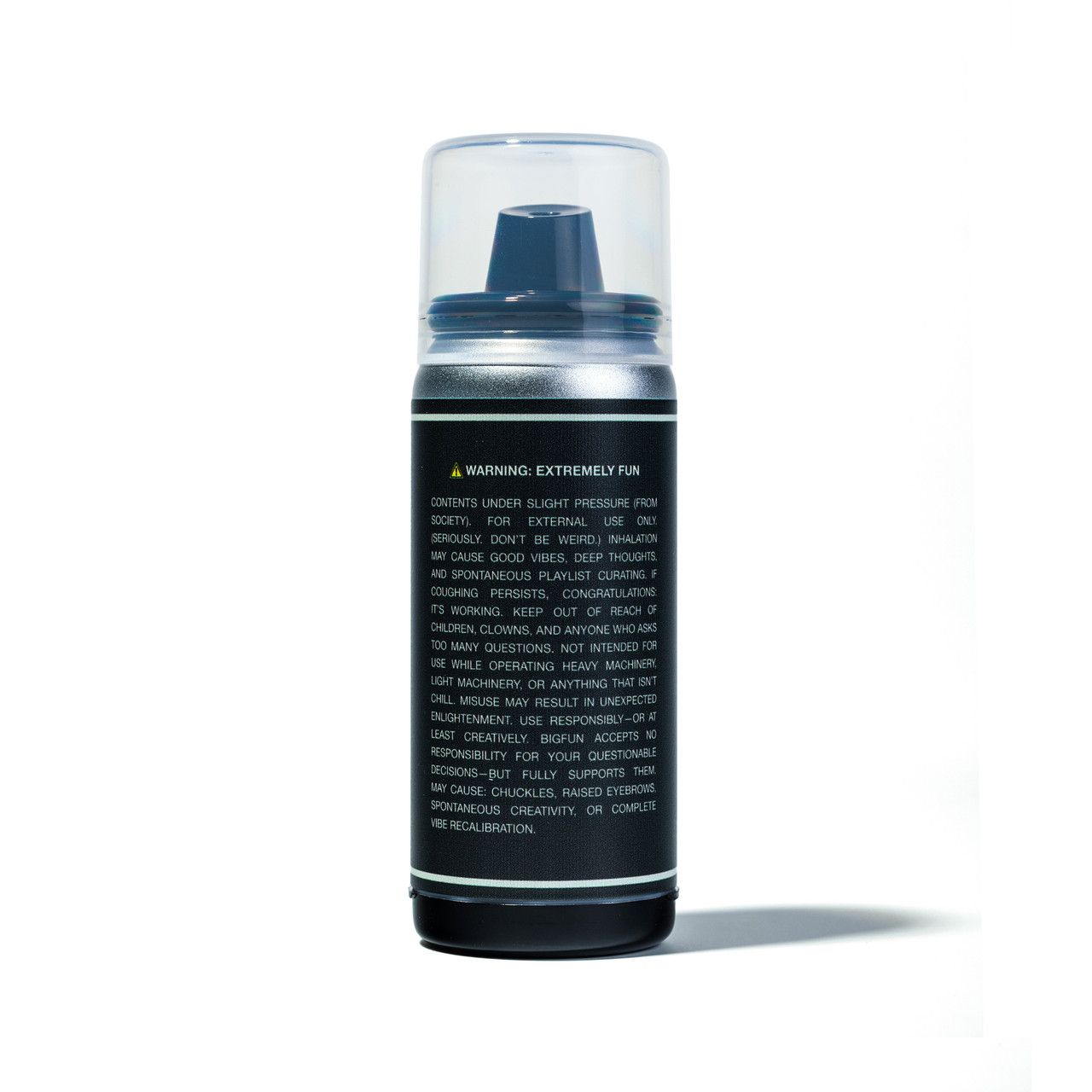
Nicotine analogs are chemical compounds with structures similar to but distinct from nicotine, such as 6-methyl nicotine, which bind to nicotinic receptors in the brain. These compounds are marketed under trademarked names including Metatine, Imotine, Nixodine, NoNic6, and Ceretine. Despite minor chemical differences, these distinctions allow products to circumvent federal, state, and local regulations designed to prevent addiction and protect young people. Tobacco industry interest in nicotine analogs dates to the 1970s, when Philip Morris established the Nicotine Analog Program and R.J. Reynolds later launched the Committee on Nicotine Analog Research, motivated by potential regulatory evasion and product appeal enhancement. Currently, the FDA does not regulate nicotine analog products as tobacco or drugs, creating significant regulatory gaps. Products like Spree Bar, containing 6-methyl nicotine, claim exemption from pre-market authorization requirements while employing youth-targeted marketing through convenience stores and web channels using AI-generated characters. Some jurisdictions, including California and Denver, have begun addressing this loophole through regulatory action.
Share on

It Claimed to Be 'Nicotine-Free'... The Trap of 'Fake' Safety and Drugs Targeting Teenagers - Health Chosun
health.chosun.com
Oct. 3, 2026, 7:40 a.m.
Liquid e-cigarettes marketed as "nicotine-free" are gaining popularity among teenagers despite misleading safety claims. A South Korean Ministry of Food and Drug Safety investigation of 105 online products revealed nicotine in 13 samples and a novel nicotine analog called 6-methylnicotine in 12 products. While nicotine analogs have slightly different molecular structures from traditional nicotine, they activate the same nicotinic acetylcholine receptors in the brain and produce similar addictive effects. The critical concern is that these compounds lack sufficient safety verification and clinical data, creating risks of unexpected acute toxicity. Professor Choi Sujeong from Gachon University warns that manufacturers exploit regulatory loopholes by claiming 6-methylnicotine doesn't legally qualify as nicotine. Adolescents face particular vulnerability since their brains develop until the mid-20s; nicotine exposure impairs frontal lobe functions including concentration, memory, planning, and impulse control. This deceptive marketing targeting teenagers poses significant neurological and cardiovascular risks despite product claims of harm reduction or smoking cessation benefits.
Share on

The association between e-cigarette use and sleep health: A systematic review and meta-analysis
www.tobaccoinduceddiseases.org
Sept. 26, 2026, 7:37 a.m.
A comprehensive systematic review and meta-analysis examining the relationship between e-cigarette use and sleep health found that users experience 38% higher odds of sleep-related problems compared to never users. The analysis synthesized data from 16 cross-sectional studies encompassing over 150,000 participants, focusing exclusively on e-cigarette users to isolate the independent effects of vaping on sleep quality. The research identified nicotine's stimulant properties as a primary mechanism underlying sleep disruption, as the substance affects the central nervous system and impairs both sleep initiation and maintenance. Notably, the study found comparable adverse effects across both adolescent and adult populations, though adolescents may be particularly vulnerable due to their developing neurobiological systems and heightened sensitivity to nicotine exposure. Additional psychosocial stressors including academic pressure and peer influences may compound sleep disturbances in younger users. These findings contribute significantly to existing literature on substance use and sleep patterns, placing e-cigarettes alongside alcohol, marijuana, and cigarettes as agents that substantially compromise sleep health across age groups.
Share on

Harm Reduction and the Tobacco Industry’s Agenda
www.parallelnewstv.com.ng
Sept. 26, 2026, 7:36 a.m.
Audu's story exemplifies the growing threat of nicotine addiction in Nigeria, where at age twenty-one, early tobacco use triggered respiratory diseases and derailed his education. Dr Pavel Ursu of the WHO cited this case to illustrate tobacco's devastating impact on young lives. However, Nigeria's nicotine market is undergoing significant transformation beyond traditional cigarettes. The tobacco industry now markets alternative nicotine delivery systems including vapes, heated tobacco products, and nicotine pouches—products designed to appear technological, lifestyle-oriented, and crucially, positioned as harm reduction solutions. These products, available in various flavours and discreet formats, are increasingly visible in Nigerian retail environments, with investigations by The Colonist Report Africa documenting disposable vapes containing two to five percent nicotine in Port Harcourt markets and supermarkets in 2024. The industry's strategic shift toward harm reduction messaging raises critical concerns about commercial motivations disguised as public health solutions. This evolving landscape contextualizes the controversy surrounding the proposed amendment to Nigeria's National Tobacco Control Act, which extends beyond legislative disagreement to represent a fundamental struggle over how the tobacco industry adapts its communication strategies, diversifies product offerings, and builds political alliances in developing markets.
Share on
South Korea Fully Reviews Nicotine-Analog and Nicotine-Free Vape Liquid Imports, With Over 99% From China and Chinese Supply-Chain Documents Under Scrutiny
www.2firsts.com
Sept. 26, 2026, 7:36 a.m.
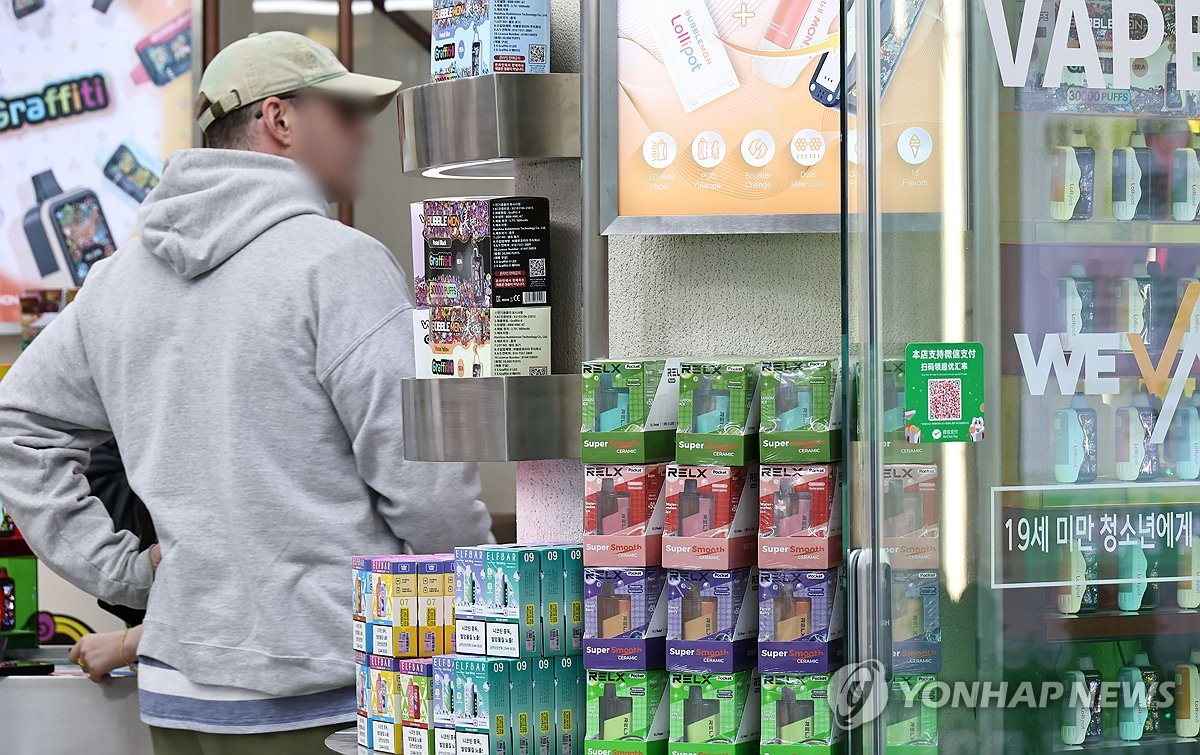
South Korea has implemented full document review and pre-clearance ingredient analysis for all e-cigarette liquid imports, according to the Korea Customs Service announcement on September 23, 2026. This intensified scrutiny follows the country's revised Tobacco Business Act, which took effect on April 24, 2026, expanding the regulatory definition of tobacco to include products containing synthetic nicotine derived from non-tobacco sources. As of mid-September, South Korea had imported approximately 15 metric tons of nicotine-analog liquids and 316 metric tons of nicotine-free liquids, with China accounting for over 99% of both categories. The regulatory framework introduced a two-year tax transition period during which certain levies, including individual consumption tax and the National Health Promotion levy, are applied at 50% of ordinary rates. Customs authorities cite heightened risk that taxable products may be misclassified as nicotine-free or analog liquids to evade applicable taxes and controls. In response, Korean officials have incorporated Chinese production and export documentation verification into their import assessment procedures, implementing progressive enforcement measures throughout 2026 to ensure compliance with the new tobacco regulatory regime.
Share on

Outlaw Dip Review: What Is in the Can, Including 6MN
www.takeroon.com
Sept. 26, 2026, 7:36 a.m.
Outlaw Dip is an American-made, tobacco-free moist snuff founded in 2017 and headquartered in New York, featuring black tea leaves as its base and available in multiple formats including fat cut, fine cut, and pouches across flavors like Wintergreen, Mint, and Georgia Peach. Despite labeling products as "Tobacco & Nicotine Free" and "Powered by NiC-SAFE," the brand's ingredient lists prominently feature 6MN, which Outlaw identifies as 6-methyl nicotine, a synthetic compound structurally related to nicotine. A 2026 Chemical Research in Toxicology review by Raghu et al. identifies Outlaw among brands using this ingredient and raises concerns about labeling accuracy and transparency, particularly given the discrepancy between marketing claims of nicotinamide content and actual 6MN inclusion. Critically, the toxicity and cytotoxicity of 6MN remain understudied, and preclinical research suggests it exhibits stronger effects than traditional nicotine. This divergence between product claims and actual composition presents significant transparency issues for consumers seeking genuine nicotine-free alternatives.
Share on

Female Celebrities Who Vape: The Smoking Gun of Modern Stardom
hub.stellantis.com
Sept. 26, 2026, 7:36 a.m.
# Summary
This article examines the phenomenon of female celebrities promoting vaping and its broader societal implications. Celebrities cite perceived health benefits, discretion, and the absence of tobacco odors as reasons for choosing vaping over traditional cigarettes, positioning it as aligned with modern, technology-focused lifestyles. However, notable figures including Jennifer Aniston and Kate Winslet have publicly opposed vaping due to concerns about long-term health effects and youth normalization. Vape companies actively recruit celebrity influencers through financial incentives, product placements, and equity stakes, leveraging social media to ensure promotions appear authentic. Popular flavors marketed to female consumers include fruity and dessert-inspired options like mango, strawberry, and vanilla custard, often labeled as "clean" or "natural." Research indicates that celebrity visibility significantly correlates with increased nicotine consumption among teenagers, particularly young women, as vaping becomes associated with glamour and rebellion. While numerous countries have implemented stricter advertising regulations and banned celebrity endorsements in certain media, companies circumvent restrictions through indirect promotion via social media and entertainment placements, highlighting the ongoing challenge of regulating celebrity influence in the vaping industry.
Share on

Tobacco and Nicotine Prevention Policy
www.preventncd.eu
Sept. 19, 2026, 7:37 a.m.
Tobacco remains one of Europe's most significant preventable health threats, causing approximately 1.1 million deaths annually in the WHO European Region and accounting for 71 percent of male and 46 percent of female lung cancer deaths. The landscape is increasingly complex, as emerging products including e-cigarettes and nicotine pouches create new pathways to nicotine dependence, particularly among youth. These innovative products leverage attractive designs, flavors, and digital marketing strategies that outpace regulatory frameworks. Policymakers face a critical opportunity to implement comprehensive tobacco and nicotine control measures addressing product design, pricing, marketing, and availability rather than relying solely on information-based prevention. The WHO Framework Convention on Tobacco Control provides foundational guidance, though contemporary products require timely regulatory adaptation. Effective prevention must reshape commercial environments and regulate how products are promoted and distributed, recognizing that nicotine's addictive nature and product innovation cannot be countered through consumer choice alone. Strategic policy intervention can substantially reduce tobacco and nicotine-related harm while protecting vulnerable populations and relieving healthcare system burdens.
Share on

La Médiatrice européenne enquête sur des contacts de la Commission européenne avec des lobbyistes du tabac
www.generationsanstabac.org
Sept. 19, 2026, 7:37 a.m.
The European Ombudsman, Teresa Anjinho, has initiated an investigation into the European Commission's Directorate-General for Trade (DG TRADE) following a complaint by anti-tobacco alliance Contre-Feu. The inquiry examines alleged regular, non-transparent, and unnecessary contacts between DG TRADE and tobacco industry representatives, which the organization contends could undermine tobacco control policies in developing nations and violate the EU's obligations under the WHO Framework Convention on Tobacco Control. Article 5.3 of the FCTC requires parties to protect public health policies from industry influence. The investigation was prompted by a 2025 Politico and The Examination report documenting exchanges between Commission officials and Philip Morris International (PMI), including measures allegedly benefiting the company regarding Turkish tobacco taxation. PMI maintains it engages with policymakers on cigarette alternatives, trade, and taxation matters. This scrutiny reflects heightened oversight of transparency and independence in tobacco regulation implementation across the European Union.
Share on
Nicotine-like products expose blind spot in e-cigarette rules - The Korea Times
www.koreatimes.co.kr
Sept. 19, 2026, 7:36 a.m.
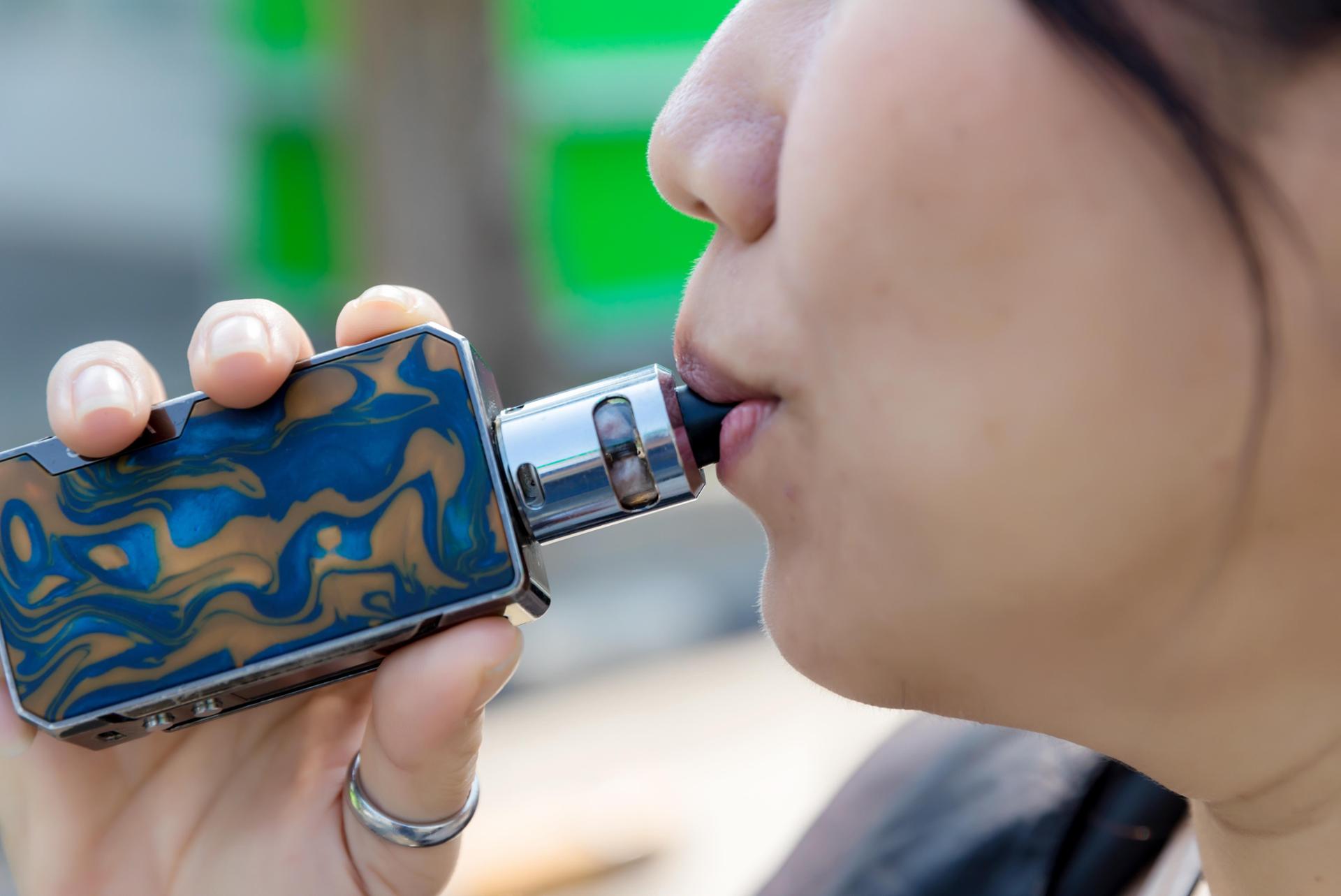
Following South Korea's April 2024 revision to the Tobacco Business Act extending regulations to nicotine-containing e-cigarettes, a significant regulatory gap has emerged around nicotine-free and nicotine-imitation products. These substances remain outside the legal definition of tobacco, allowing retailers to market them without advertising restrictions using phrases like "strong hit" or "intense coolness." Many products use 6-methylnicotine, a synthetic compound with a molecular structure similar to nicotine that exhibits cytotoxicity but lacks comprehensive safety verification. A 2024 Korea Consumer Agency survey revealed mislabeling is widespread, discovering actual nicotine in seven of twelve products marketed as nicotine-free, while compliance with the Juvenile Protection Act is inadequate—five of fifteen examined liquids lacked required warning labels and nine failed labeling standards. As unmanned shops and online retailers exploit this loophole by shifting to unregulated nicotine alternatives, the government has announced cautionary measures in June to address this oversight. Industry experts emphasize the need for comprehensive regulatory frameworks to protect public health, particularly minors, from inadequately tested substances.
Share on

Policy matters: Pushing back against 'novel' tobacco and nicotine products
www.escardio.org
Sept. 12, 2026, 7:46 a.m.
Decades of tobacco control policy have successfully reduced adult tobacco use in Europe from nearly 40% in 2002 to 24% by 2023, through higher prices, marketing restrictions, packaging regulations, and workplace smoking bans. However, novel nicotine products such as vaping and snus now pose an emerging public health threat. While manufacturers promote these alternatives as less harmful than cigarettes and potential smoking cessation aids, Professor Paul Dendale of Hasselt University argues this narrative is incomplete. Unlike clinically proven nicotine replacement therapies used short-term, vaping users often continue indefinitely. More concerning, these products are aggressively marketed to youth through appealing flavors like Blueberry and Blue Razz Lemonade, creating lifelong nicotine dependencies among younger generations. The European Society of Cardiology advocates for comprehensive European policy mirroring successful cigarette control measures, including increased taxation and stronger advertising restrictions. Teenagers respond to price sensitivity and marketing tactics such as colorful packaging. Notably, nicotine in novel products already shows effects on coronary artery disease precursors, eliminating the need to wait decades for confirmation of harm. The FDA's 2019 age restriction to 21 in the US successfully reduced youth use, contrasting sharply with Europe's growing alternative tobacco market.
Share on

Des cigarettes « sans » tabac et nicotine au centre d’inquiétudes sanitaires et réglementaires
www.generationsanstabac.org
Sept. 12, 2026, 7:45 a.m.
Researchers have identified emerging combustible cigarettes marketed as tobacco and nicotine-free that may circumvent U.S. regulations while posing unquantified health risks. Choice Smokes, manufactured by Signature Brands of America LLC, are branded as "ercigs" (Ersatz Cigarettes) and marketed under the slogan "No tobacco taxes. No regulation." Despite claims of eliminating harmful tobacco substances, the products contain significant combustion byproducts. Critically, although manufacturers claim absence of nicotine, Choice Smokes marketing materials reference NOVARA, identified by researchers as 6-methylnicotine (6MN), a nicotine analog with similar but distinct chemical structure. This molecule, previously studied industrially during the 1960s-1980s, has appeared in e-cigarettes and nicotine sachets under various brand names including Metatin and Imotine. An article published in Tobacco Control warns these products exploit regulatory gaps while exposing consumers to poorly understood addiction and toxicity risks. The distinction between traditional nicotine and its analogs raises significant public health concerns regarding product classification and consumer protection standards.
Share on