Contemporary Endovascular Treatment of Femoropopliteal Disease: Lesion Preparation, Antiproliferative Therapies, and Emerging Technologies
www.mdpi.com
Oct. 7, 2026, 7:01 p.m.
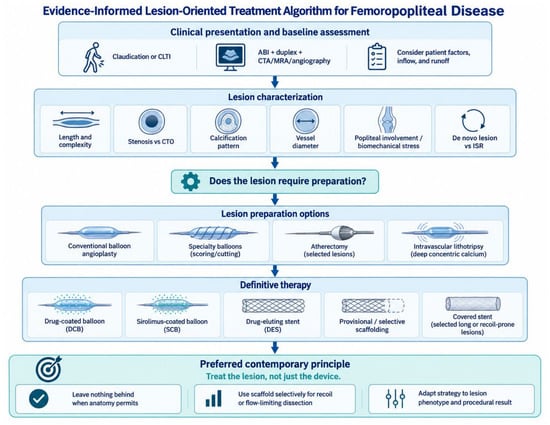
Contemporary endovascular treatment of femoropopliteal disease has moved beyond a device-first approach. The most coherent strategy is lesion-oriented: characterize the anatomy and plaque phenotype, identify the dominant mechanical limitation, perform selective vessel preparation, deliver antiproliferative therapy when an adequate lumen can be achieved, and reserve scaffolding for lesions with recoil, significant dissection, mechanical instability, or other features that make a leave-nothing-behind strategy unreliable. Atherectomy appears most useful as a selective preparation tool rather than a routine adjunct, whereas IVL has particularly strong procedural evidence in heavily calcified lesions. Paclitaxel-coated balloons remain an established therapy, while sirolimus-coated balloons now provide a credible alternative supported by randomized comparative data. Drug-eluting and other contemporary stents retain an essential role when durable mechanical support is required.
Share on
Drug-Eluting Resorbable Scaffolds for Infrapopliteal Peripheral Artery Disease
www.sciencedirect.com
Oct. 7, 2026, 6:59 p.m.
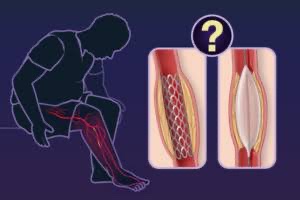
Drug-eluting resorbable scaffolds (DRS) have been developed to overcome the key limitations of conventional endovascular therapies for below-the-knee peripheral artery disease (PAD), including acute recoil, restenosis, and the sequela of long-term permanent metallic implants. DRS provides a temporary mechanical support and localized antiproliferative drug delivery after which the scaffold is gradually resorbed, ultimately restoring native vessel architecture to preserve future revascularization options. Over the past decade, numerous prospective and observational studies have evaluated both polymer- and magnesium alloy-based DRS platforms and have demonstrated favorable patency, wound healing, and limb salvage outcomes in patients with advanced infrapopliteal PAD. Most recently, randomized evidence from the LIFE-BTK trial has demonstrated superior patency and reduced rates of revascularization with DRS treated lesions as compared with plain balloon angioplasty. In this state-of-the-art review, we summarize the existing evidence evaluating DRS devices for below-the-knee PAD and present an updated systematic review and meta-analysis of clinical outcomes for DRS-based endovascular interventions.
Share on
Sistema de Aterectomía Jetstream
articl.net
Oct. 7, 2026, 1:24 p.m.
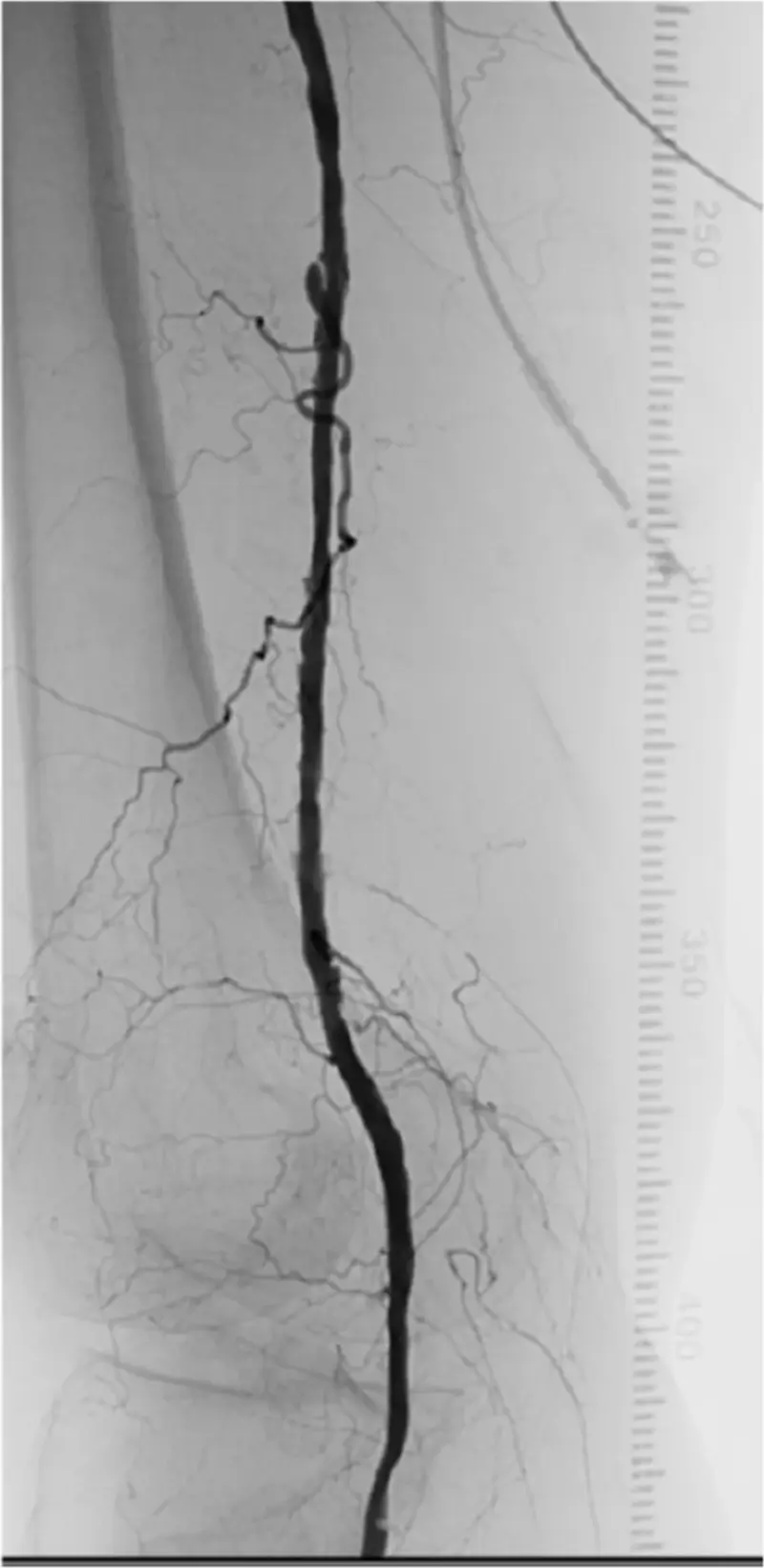
The Jetstream Atherectomy System is an innovative medical device designed to treat peripheral artery disease and certain coronary artery diseases through minimally invasive plaque removal. Unlike traditional approaches such as balloon angioplasty and stenting, this system selectively removes atherosclerotic plaque directly from arterial walls, thereby restoring blood flow to affected tissues. The device represents a significant advancement in vascular disease treatment by offering a specialized solution that effectively addresses arterial narrowing and blockages while minimizing associated risks. The procedure's selective plaque removal approach distinguishes it from conventional interventional methods. Successful patient outcomes depend on comprehensive understanding of the device's operational characteristics, appropriate clinical indications, potential complications, and post-procedure management protocols. Regular follow-up monitoring and symptom surveillance are essential for identifying potential complications early and ensuring optimal long-term patient outcomes. This technology addresses a critical clinical need in treating vascular diseases that significantly impact patient quality of life and cardiovascular health.
Share on

Shockwave Javelin: Building Confidence in Complex CLTI Intervention - Endovascular Today
evtoday.com
Oct. 7, 2026, 1:24 p.m.
Complex calcified lesions in critical limb ischemia treatment present significant technical challenges for interventionalists, particularly in below-the-knee tibial segments where conventional wire escalation and microballoon predilation often prove insufficient. Shockwave Javelin, an intravascular lithotripsy (IVL) device, addresses these challenges by combining lumen creation with calcific plaque modification and vessel wall preparation in a single intervention. According to clinical leaders at Emory University and NYU Grossman School of Medicine, Shockwave Javelin represents a substantial advancement over traditional predilation approaches, enabling safer device passage through heavily calcified, restrictive lesions while minimizing risks of embolization and vessel rupture associated with conventional therapies. The technology's growing clinical evidence base supports vessel preparation as a critical strategy in peripheral interventions, particularly for complex calcified anatomy. By integrating Shockwave Javelin into treatment algorithms for difficult-to-traverse lesions, interventionalists can improve procedural efficiency, enhance device deliverability, and progress more confidently toward definitive treatment therapies. This advancement reflects the evolving standard of care in limb preservation programs, addressing previously intractable anatomic challenges in peripheral arterial disease management.
Share on
Aperto DEB
ameesamedical.com
Oct. 7, 2026, 1:23 p.m.
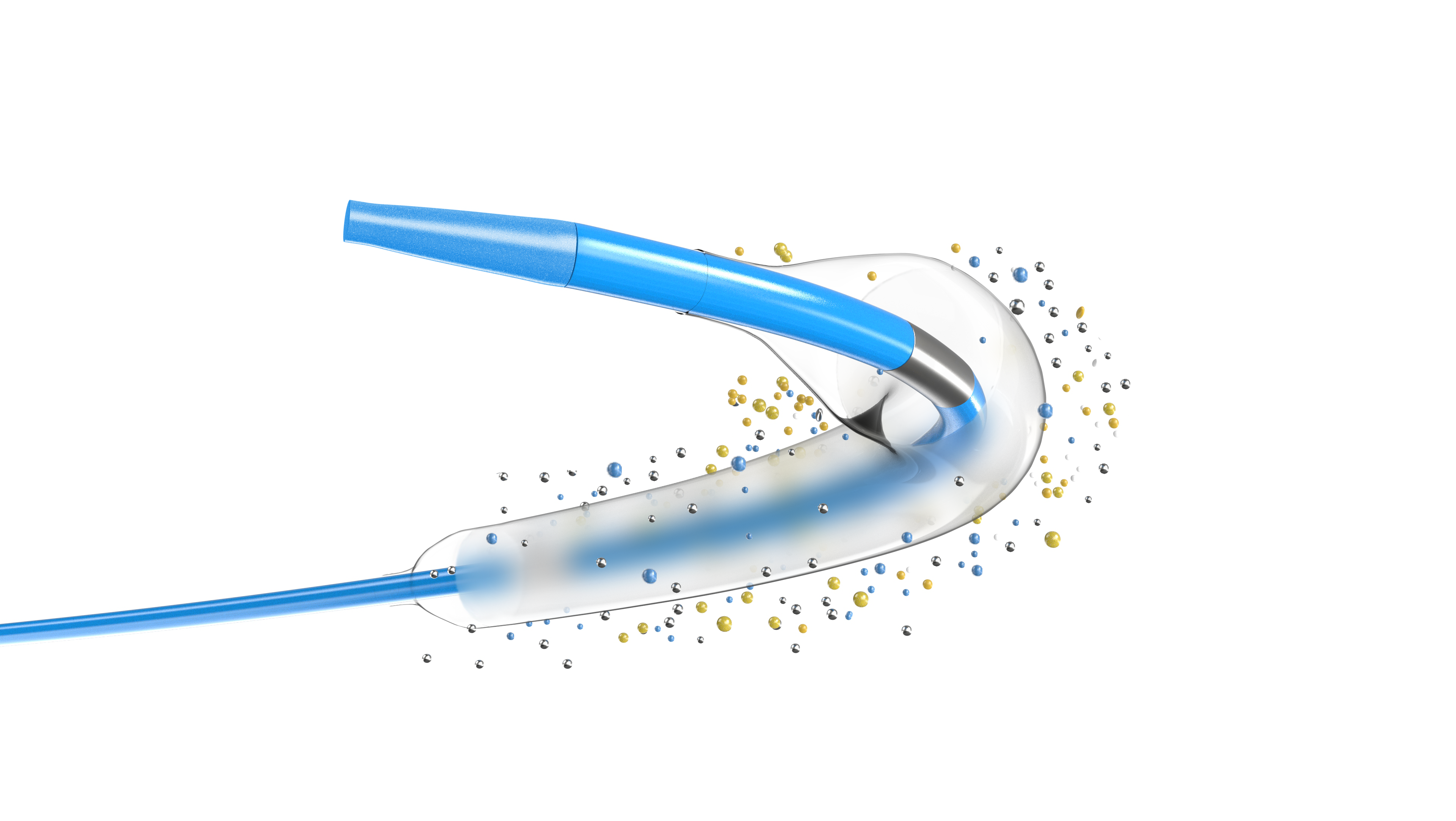
CARDIONOVUM GmbH, a German medical device manufacturer headquartered in Bonn, has developed the Aperto DEB, an advanced interventional cardiology solution. The company, which maintains operations across Germany and Switzerland, specializes in innovative coronary intervention technologies designed to improve patient outcomes in cardiovascular treatment. The Aperto DEB represents CARDIONOVUM's commitment to delivering cutting-edge medical devices that address critical clinical needs in interventional cardiology. As a drug-eluting balloon technology, the device combines mechanical intervention with pharmacological delivery to enhance therapeutic efficacy while potentially reducing complications associated with traditional stent placement. CARDIONOVUM's registered trademarks, including APERTO and SAFEPAX, reflect the company's focus on safety and efficacy in coronary interventions. The development of such technologies underscores the ongoing evolution in interventional cardiology, where alternatives to conventional stenting continue gaining prominence. CARDIONOVUM's expansion into Swiss markets demonstrates growing European recognition of its innovations in cardiovascular medicine.
Share on
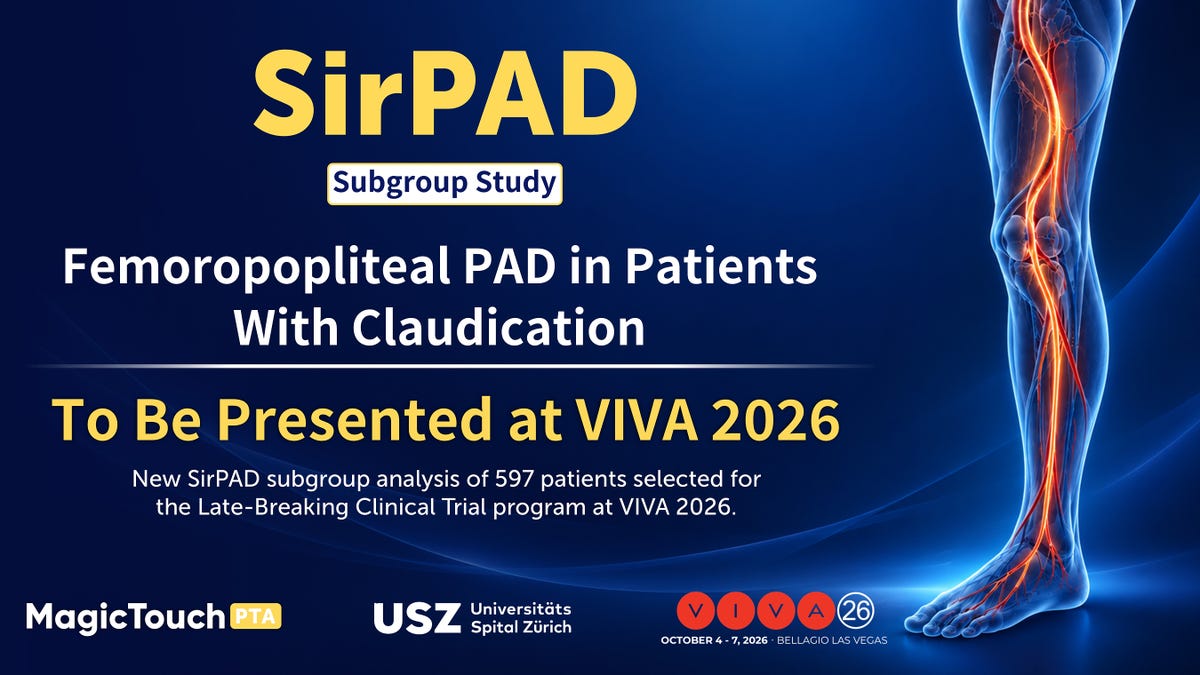
SirPAD Subgroup Study at VIVA 2026 Focuses on Femoropopliteal PAD in Patients With Claudication
pressreleasehub.pa.media
Oct. 7, 2026, 1:23 p.m.
Concept Medical has advanced its clinical pipeline for peripheral artery disease (PAD) treatment through multiple trials investigating the MagicTouch sirolimus-coated balloon (SCB). The SirPAD study, the world's largest randomized controlled trial examining the MagicTouch PTA sirolimus-coated balloon, has completed patient enrollment and demonstrated safety and efficacy in PAD management. Additionally, the SIRONA trial produced successful preliminary three-year data presented at Charing Cross Symposium 2026, positioning the sirolimus-coated balloon as a viable alternative to conventional PAD therapies. Concept Medical has expanded its U.S. presence through multiple investigational device exemption (IDE) trials, including MAGICAL BTK for below-the-knee interventions and MAGICAL-ISR for in-stent restenosis treatment. The company is also advancing its coronary program with the MAGICAL-SV IDE trial across U.S. and European markets. Concurrently, the TRANSFORM II randomized controlled trial, conducted by Fondazione Ricerca e Innovazione Cardiovascolare, completed enrollment comparing the MagicTouch SCB against drug-eluting stents in native coronary vessels, strengthening the clinical evidence base for sirolimus-coated balloon technology across multiple vascular applications.
Share on

Injectable Fiber-Hydrogel Hybrid Scaffolds for Localized Growth Factor Delivery and Modulation of Vascular and Neuronal Cell Responses
www.sciltp.com
Oct. 3, 2026, 4:23 a.m.
Ischemic stroke causes significant mortality and disability through neuronal loss and vascular damage, yet the hostile post-stroke microenvironment limits natural repair and protein retention. Researchers developed an injectable hierarchical fiber-hydrogel hybrid scaffold designed for localized delivery of angiogenic and neurotrophic factors to address these challenges. The scaffold was engineered using coaxial electrospinning to create core-shell gelatin methacryloyl/polycaprolactone (GelMA/PCL) nanofibers encapsulating vascular endothelial growth factor (VEGF) and glial cell line-derived neurotrophic factor (GDNF). These growth factor-loaded fibers were incorporated into a hydrogel matrix composed of thiol-modified hyaluronic acid, heparin, and gelatin, creating a hybrid structure combining injectable support with localized factor release. In vitro testing demonstrated the scaffold promoted endothelial cell migration and growth while maintaining angiogenic activity under oxygen-glucose deprivation conditions mimicking ischemia. The scaffold also enhanced neuronal cell growth and neurite outgrowth in PC12 cells. By integrating injectable biomaterial support with sustained dual growth factor delivery, this platform represents a promising therapeutic approach for promoting vascular and neural recovery following ischemic stroke.
Share on
Vessel Preparation in Lower Extremity Revascularization: Closing the Evidence Gap - Endovascular Today
evtoday.com
Oct. 3, 2026, 4:22 a.m.
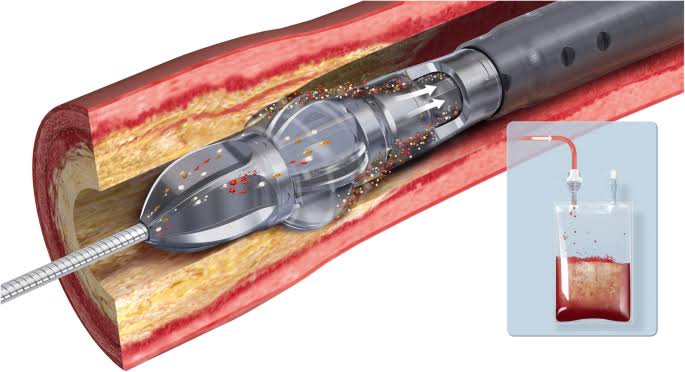
Vessel preparation has emerged as a critical component of lower extremity revascularization procedures, particularly when managing calcification, plaque burden, thrombus, or elastic recoil that could compromise treatment efficacy. Despite widespread clinical adoption, the field previously lacked standardized definitions and frameworks. A significant recent development involved an international Delphi consensus establishing a practical, evidence-based definition of vessel preparation as "the initial step of an endovascular intervention aimed at facilitating subsequent treatment by modifying lesion characteristics." This consensus identified six principal objectives: achieving luminal gain and adequate vessel expansion, modifying vessel compliance, reducing plaque and calcification burden, optimizing drug delivery, minimizing procedural risks, and improving procedural efficiency. The framework distinguishes between procedural success and durable clinical benefit, emphasizing that strategies must be tailored to specific vascular beds and lesion characteristics. While plain old balloon angioplasty (POBA) remains the most common approach, experts increasingly utilize adjunctive technologies including atherectomy devices, intravascular lithotripsy (IVL), and specialty balloons. This standardized consensus shifts the field away from subjective, industry-driven interpretations toward a structured, evidence-based approach to peripheral endovascular intervention.
My Algorithm for AV Fistula Treatment - Endovascular Today
evtoday.com
Oct. 3, 2026, 4:22 a.m.
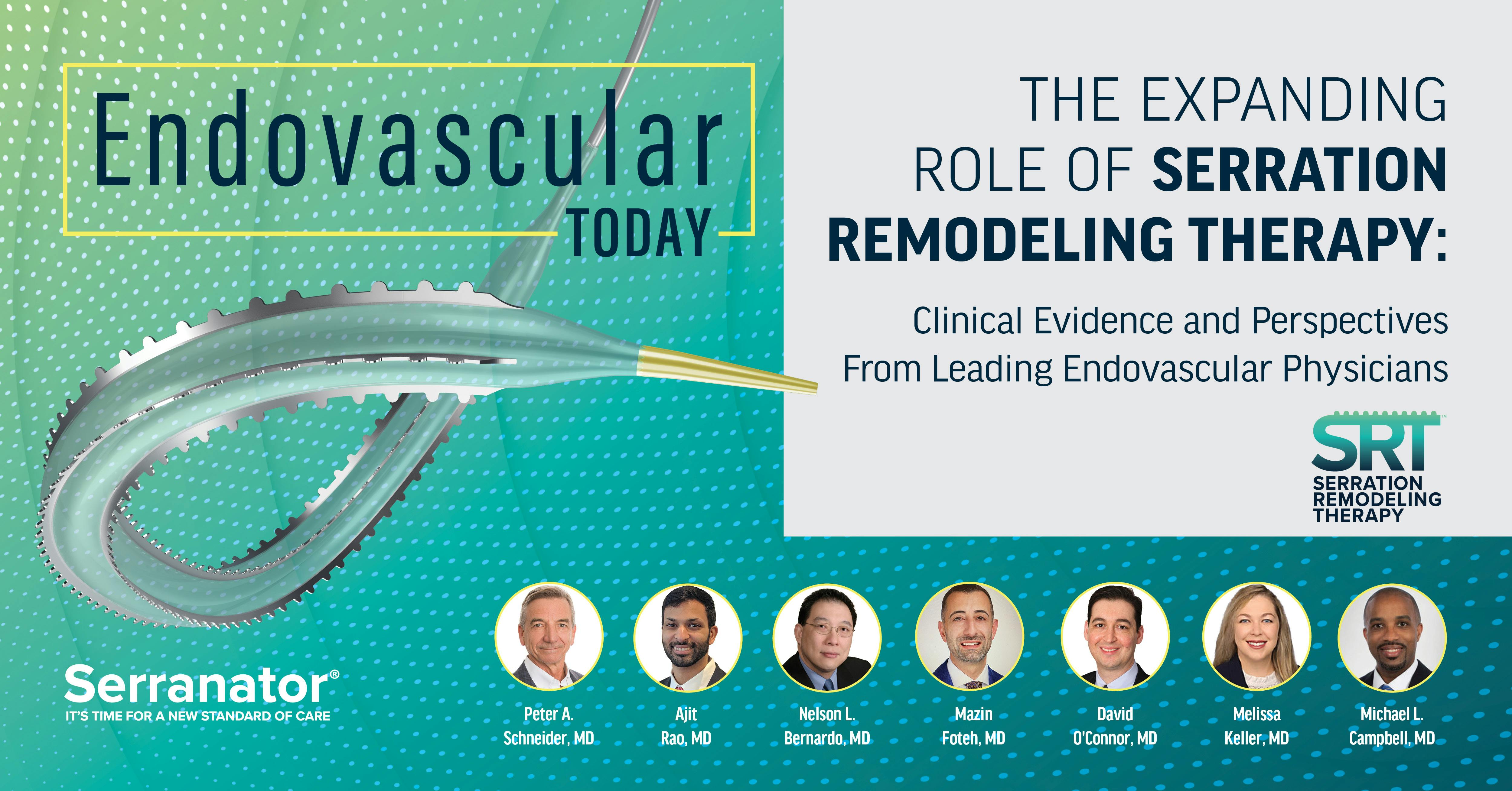
Arteriovenous fistula dysfunction represents a persistent clinical challenge in hemodialysis access maintenance, primarily driven by neointimal hyperplasia, turbulent flow, and mechanical stress leading to stenosis and thrombosis. While percutaneous transluminal angioplasty (PTA) remains standard treatment, it frequently suffers from elastic recoil, flow-limiting dissections, and early restenosis, necessitating repeated interventions. Despite drug-coated balloon technology and stenting availability, long-term patency remains suboptimal. Serration Remodeling Therapy (SRT) using the Serranator® PTA Serration Balloon (Cagent Vascular) introduces an innovative alternative approach by creating controlled longitudinal micro-fissures within the intima, promoting luminal expansion while minimizing uncontrolled vessel injury. This mechanism demonstrates superior reduction of angiographic recoil and dissections compared to conventional PTA while preserving future treatment options without permanent implants. The clinical case presented describes a female dialysis patient with recurrent axillary vein stenosis treated with SRT, illustrating how effective lesion remodeling can achieve sustained patency and favorable long-term outcomes in this challenging population, positioning SRT as a valuable intermediate intervention strategy.
Share on
FDA Grants R3 Vascular IDE Approval for ELITE-BTK Pivotal Trial
www.dicardiology.com
Oct. 3, 2026, 4:22 a.m.
R3 Vascular has received FDA investigational device exemption (IDE) approval to conduct the ELITE-BTK pivotal trial, a significant milestone for the company's vascular intervention portfolio. This approval authorizes R3 Vascular to initiate a clinical study evaluating its innovative technology for below-the-knee (BTK) arterial interventions, addressing a critical area of vascular disease treatment. The ELITE-BTK trial represents an important step toward potential commercialization and regulatory clearance for the company's BTK solution. Below-the-knee interventions treat peripheral artery disease affecting the lower leg vessels, a condition affecting millions globally. The IDE approval demonstrates FDA confidence in the safety and efficacy profile of R3 Vascular's proposed device and study design. Successfully completing this pivotal trial could establish new clinical evidence supporting the technology's effectiveness, potentially expanding treatment options for patients with critical limb ischemia and claudication. This regulatory clearance positions R3 Vascular to advance its competitive standing in the peripheral vascular intervention market and brings the device closer to potential patient access.
Share on

Paclitaxel-Coated Devices in Limb Ischemia: SWEDEPAD-1
www.omnicuris.com
Sept. 30, 2026, 1:23 p.m.
Chronic limb-threatening ischemia, the end-stage manifestation of peripheral artery disease, frequently results in non-healing ulcers, gangrene, and limb loss. Interventional specialists have increasingly adopted paclitaxel-coated devices to prevent restenosis following lower extremity revascularization, yet whether this antiproliferative drug delivery translates into clinically meaningful limb salvage remains unclear. The SWEDEPAD-1 trial addresses this critical knowledge gap by evaluating hard clinical endpoints such as major amputation in patients with severe tissue compromise. Unlike earlier trials that enrolled individuals with intermittent claudication, SWEDEPAD-1 focuses on patients with frank tissue ulceration and extensive ischemic tissue loss. Conducted across twenty-two Swedish clinical centers using a multicenter, registry-based randomized controlled design, the trial leverages the Swedish National Registry for Vascular Surgery to recruit vulnerable patients undergoing infrainguinal endovascular intervention. This research is significant because limb salvage depends on tissue perfusion and wound healing rather than angiographic lumen diameter alone, and antiproliferative coatings may inadvertently alter microvascular remodeling in critically ischemic beds. SWEDEPAD-1 provides essential evidence to determine whether paclitaxel-coated technology truly benefits patients facing the most severe ischemic manifestations.
Share on
Endovascular management of superficial femoral artery
clinicalimagingscience.org
Sept. 30, 2026, 1:22 p.m.
This study examined the endovascular treatment of chronic total occlusions in the superficial femoral artery, comparing two intervention strategies: rotational atherectomy combined with drug-coated balloon angioplasty versus drug-coated balloon therapy alone. Researchers analyzed how lesion complexity and the use of popliteal access influenced procedural outcomes and efficacy. The investigation evaluated whether the addition of rotational atherectomy to drug-coated balloon treatment improved results in challenging cases characterized by severe calcification or complex morphology. The findings provide clinicians with evidence regarding optimal intervention selection based on lesion characteristics and anatomical access routes. This research matters because chronic total occlusions of the superficial femoral artery significantly impact patient mobility and quality of life, and determining the most effective endovascular approach can improve clinical outcomes while potentially reducing complications and repeat interventions. The comparative analysis helps interventional radiologists and vascular specialists make informed decisions about treatment strategies for complex peripheral arterial disease cases.
Share on

The Evolving Drug Elution Landscape in PAD - Endovascular Today
evtoday.com
Sept. 30, 2026, 1:21 p.m.
Peripheral arterial disease treatment has undergone significant evolution regarding drug-eluting technologies, as discussed by leading vascular specialists including cardiologists and surgeons from major institutions across Japan, Sweden, the United States, and Austria. The article examines strategies for identifying restenosis risk—a critical complication in endovascular interventions—by analyzing systemic, limb, and anatomic factors. Key predictors include female sex, diabetes, chronic kidney disease, chronic limb-threatening ischemia, popliteal involvement, small vessel diameter, severe calcification, and chronic total occlusion. Clinical experts highlight that while traditional risk factors like diabetes mellitus, chronic kidney disease, and continued smoking remain important, predicting restenosis remains challenging using clinical and morphologic characteristics alone. Drug-eluting devices have demonstrated superior long-term outcomes, particularly in high-risk scenarios involving small vessels, severe calcification, or previous endovascular therapy. The specialists note that emerging risk prediction models and molecular approaches show encouraging preliminary data, suggesting the field is advancing toward more sophisticated, personalized treatment strategies in peripheral arterial disease management.
Share on
Dual antiplatelet therapy for acute coronary syndromes: How long to continue?
www.ccjm.org
Sept. 26, 2026, 12:26 p.m.
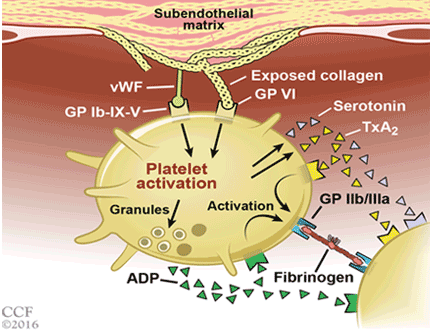
For patients with an acute coronary syndrome event, current guidelines recommend dual antiplatelet therapy for at least 12 months after drug-eluting stent placement. However, several clinical trials have assessed whether continuing dual antiplatelet therapy beyond 12 months is beneficial. We review the pros and cons of extending dual antiplatelet therapy.
Share on
Utility of the Combined Inflammatory–Nutritional Score for Predicting Major Amputation after Minor Amputation in Patients with Infected Foot Wounds
www.jkfas.org
Sept. 26, 2026, 4:25 a.m.
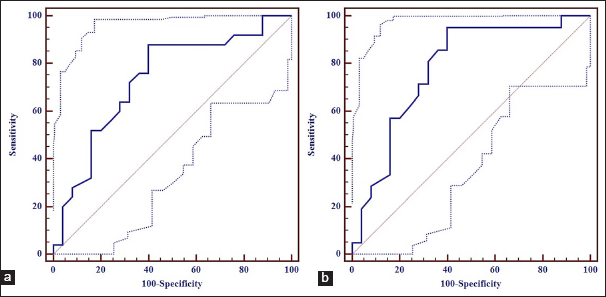
Infected foot wounds, particularly in patients with diabetes mellitus and peripheral artery disease, represent a significant clinical challenge often leading to amputation. While minor amputation is performed to control localized infection, many patients progress to major amputation despite appropriate treatment. Early identification of high-risk patients is critical for effective limb salvage strategies. Systemic inflammation and poor nutritional status are closely linked to impaired wound healing in these patients. Existing laboratory markers like the C-reactive protein-to-albumin ratio (CAR) assess inflammatory response and nutritional status, while the systemic immune-inflammation index (SII), derived from platelet, neutrophil, and lymphocyte counts, evaluates immune and thrombotic activity. However, neither marker alone captures all biological factors affecting wound healing. Recognizing that inflammatory, nutritional, immune, and thrombotic pathways interact collectively in ischemic or infected wounds, researchers developed the combined inflammatory-nutritional score (CINS), which integrates both CAR and SII into a single composite measure. This study evaluates whether CINS can predict major amputation within 90 days following minor amputation in infected foot wound patients, potentially offering a more comprehensive assessment tool for identifying progression risk.
Share on
Before Major Amputation: Why a Vascular Second Opinion and Complete Limb-Salvage Evaluation Matter
vascularinstituteofchattanooga.com
Sept. 26, 2026, 4:25 a.m.
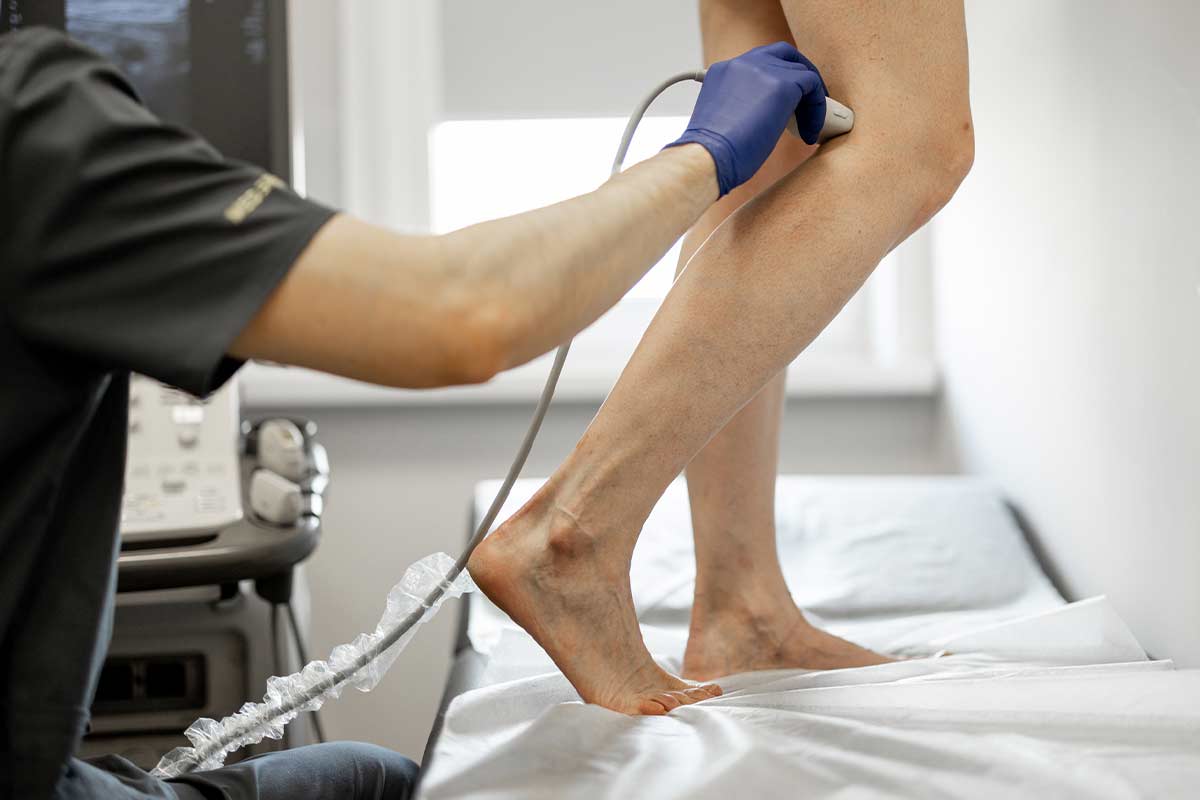
Amputation for peripheral artery disease represents an irreversible decision that warrants careful consideration and comprehensive evaluation. Current vascular guidelines recommend urgent specialist referral, objective perfusion testing, high-quality imaging, and thorough assessment of revascularization options before proceeding with amputation. A second opinion from another vascular specialist or multidisciplinary limb-preservation team can review existing diagnostic findings and potentially identify additional treatment pathways, particularly important given that chronic limb-threatening ischemia often involves multilevel blockages extending through the thigh, behind the knee, and into the foot's small arteries. Standard imaging may miss critical treatment targets in patients with diabetes or chronic kidney disease whose calcified arteries require more detailed visualization. The CLI Global Society emphasizes comprehensive vascular imaging through the ankle and foot to identify potential collateral pathways or alternative access routes. While a second opinion cannot guarantee amputation avoidance, it ensures complete circulation assessment and consideration of all reasonable reconstruction strategies before an irreversible decision is made, respecting that amputation remains appropriate when infection is life-threatening or tissue is nonviable.
Share on
Hemodialysis - Nephrology - Merck Manual Professional Edition
www.merckmanuals.com
Sept. 26, 2026, 4:24 a.m.
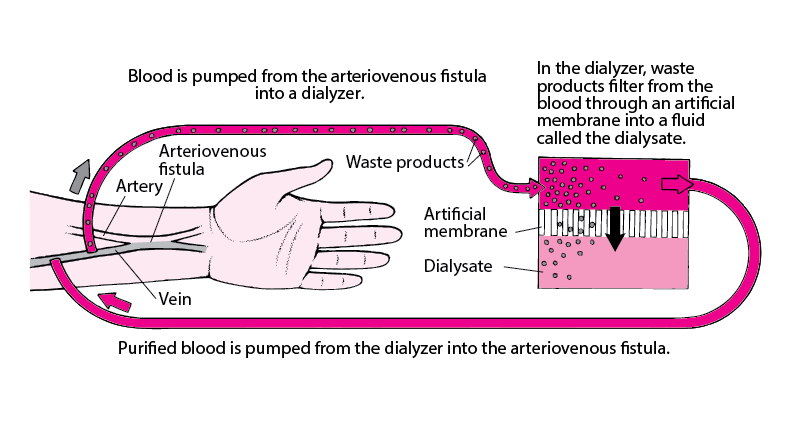
Hemodialysis is a kidney replacement therapy that removes waste products and excess fluid from patients with kidney failure by pumping blood through a dialyzer containing semipermeable membranes. Blood flows on one side of the membrane while dialysate (crystalloid solution) flows on the opposite side, creating concentration gradients that reduce uremic toxins like urea nitrogen and creatinine, while adjusting electrolytes and bicarbonate levels. The dialysate compartment maintains negative pressure and higher osmolality to prevent backfiltration and remove excess fluid. Anticoagulation using heparin, citrate, or saline flushes prevents clotting during treatment. Hemodialysis addresses immediate objectives of correcting electrolyte imbalances and removing toxins, while longer-term goals include optimizing functional status, managing blood pressure, preventing uremic complications, and potentially bridging patients to transplantation. The standard regimen consists of three to five hours, three times weekly, though dose can be intensified through longer nocturnal sessions (six to eight hours) or short frequent dialysis (less than three hours, five to six times weekly). Intensified regimens benefit patients experiencing excessive fluid gains or frequent hypotension episodes between standard treatments.
Share on
Real-World Outcomes of Intravascular Lithotripsy in Calcified Below-the-Knee Arteries | JCCP (Journal of Contemporary Clinical Practice)
jccpractice.com
Sept. 26, 2026, 4:23 a.m.
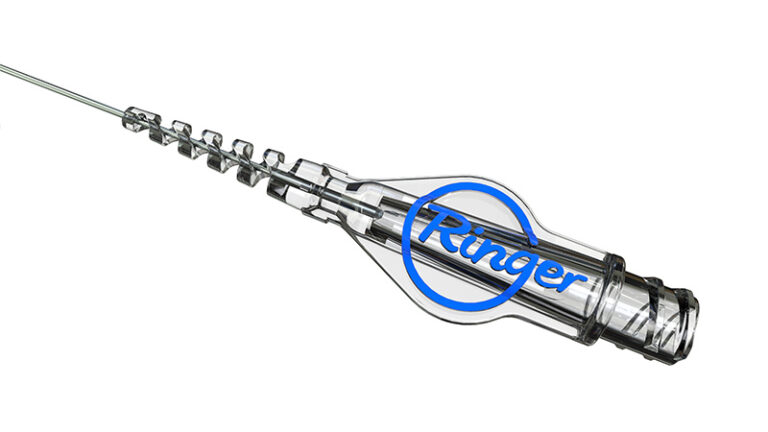
A retrospective single-center study conducted at SMI Dehradun, India, evaluated the real-world effectiveness of intravascular lithotripsy (IVL) for treating calcified peripheral artery disease. The study enrolled 25 patients with symptomatic peripheral artery disease or critical limb ischemia, focusing on calcified lesions in below-the-knee (BTK) arteries. Researchers utilized the Shockwave Peripheral IVL System, which delivers pulsatile sonic pressure waves to fracture vascular calcium while minimizing vessel trauma. The device generates 3 kilovolts of energy transmitted through a catheter housing lithotripsy emitters within an integrated balloon, inflated to 4 atmospheres initially and 6 atmospheres post-treatment. Target lesions exhibited moderate to severe calcification, with stenosis of at least 50 percent. Following IVL treatment, patients received drug-coated balloon angioplasty. This study demonstrates the potential of IVL technology to improve outcomes in calcified peripheral artery disease by effectively disrupting calcium deposits, enabling better vessel dilation and potentially reducing complications associated with traditional balloon angioplasty in heavily calcified lesions.
Share on

When PAD Becomes Critical: Understanding CLI, Rest Pain and Non-Healing Wounds
vascularinstituteofchattanooga.com
Sept. 23, 2026, 1:23 p.m.
Chronic limb-threatening ischemia (CLTI), formerly known as critical limb ischemia, represents the most severe stage of peripheral artery disease, occurring when blood flow reduction causes ischemic rest pain, non-healing wounds, or gangrene. The Global Vascular Guidelines formally define CLTI as PAD accompanied by rest pain, gangrene, or lower-extremity ulcers persisting beyond two weeks. Unlike claudication pain that occurs during walking, ischemic rest pain typically manifests in the forefoot or toes while sitting or lying down, often worsening at night. Patients may temporarily relieve symptoms by using gravity to assist blood flow. CLTI demands urgent evaluation by vascular specialists, as it constitutes a time-sensitive condition associated with limb loss, cardiovascular events, and mortality. Small wounds—blisters, calluses, or toenail injuries—become critically dangerous when blood flow is inadequate. Successful healing requires both infection control and sufficient arterial circulation to deliver oxygen and nutrients. Diabetes and chronic kidney disease significantly increase CLTI risk, as neuropathy can mask severe wounds, delaying diagnosis and intervention.
Share on
Study of the R3 Vascular Drug-Eluting Bioresorbable Scaffold in Treating Below the Knee Arterial Disease (RESOLV I)
ctv.veeva.com
Sept. 23, 2026, 1:22 p.m.
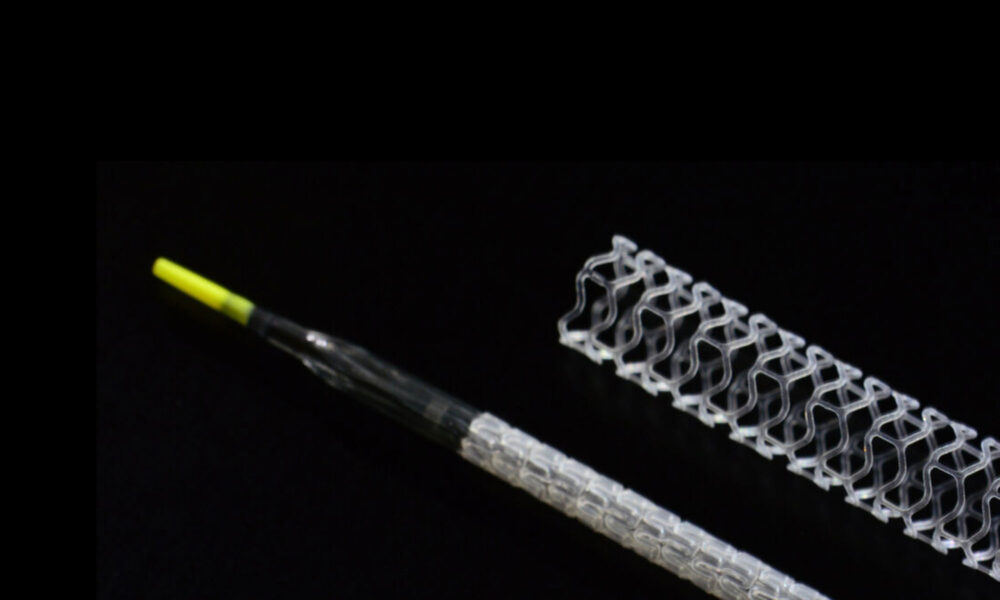
Peripheral artery disease affects over 200 million people globally, with critical limb ischemia (CLI) representing its most severe stage in approximately 10% of PAD patients. CLI carries significant morbidity and mortality, with amputation rates between 10-40% at six months and 50% five-year mortality. Diabetic patients face particularly poor outcomes, experiencing 5-30 fold higher amputation rates due to more extensive disease patterns. Traditional treatment approaches include surgical bypass and catheter-based revascularization procedures, though many CLI patients are unsuitable surgical candidates due to medical comorbidities or absent graft vessels. Over the past decade, percutaneous transluminal angioplasty (PTA) has emerged as first-line therapy, supplemented by drug-eluting technologies. While uncoated balloon angioplasty achieves high technical success, restenosis remains problematic. Drug-coated balloons (DCB) delivering paclitaxel have demonstrated efficacy in femoropopliteal disease, significantly reducing target lesion revascularization rates. However, DCB effectiveness in infrapopliteal arteries remains less conclusive, highlighting an important clinical gap where the R3 Vascular drug-eluting bioresorbable scaffold represents a potential advancement in treating below-knee arterial disease.
Share on