Morpheus8 vs Thermage
thedevicepulse.com
Oct. 9, 2026, 10:04 a.m.
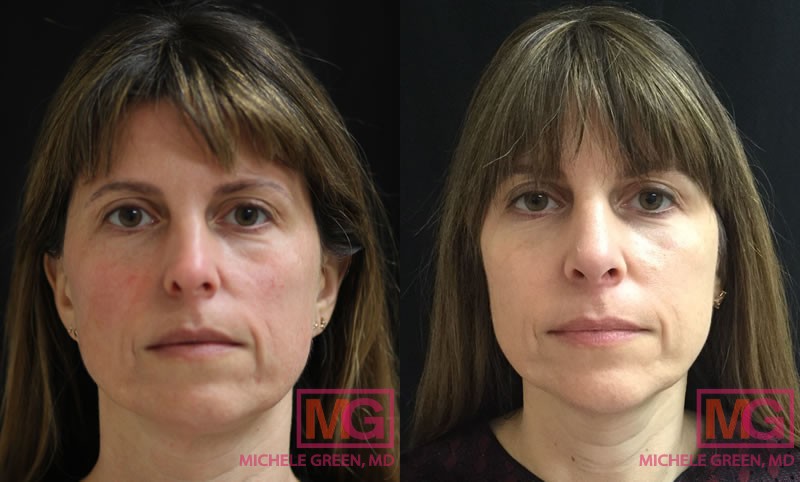
Thermage FLX and Morpheus8 represent competing approaches to non-invasive skin tightening, each employing distinct radiofrequency technologies. Thermage FLX, manufactured by Solta Medical and FDA-cleared in 2017, utilizes monopolar radiofrequency with vibration and cryogen cooling, featuring real-time pulse mapping and a single-session protocol. Morpheus8, developed by InMode and FDA-cleared in 2020, employs fractional RF microneedling with bipolar radiofrequency and burst mode, capable of penetrating up to 8mm for subdermal fat remodeling. Thermage FLX commands significantly higher acquisition costs ($60,000–$110,000 new) with annual consumables between $15,000–$40,000, while Morpheus8 costs $40,000–$60,000 new with lower annual consumables ($3,000–$8,000). Treatment sessions range from 30–90 minutes for Thermage FLX versus 15–60 minutes for Morpheus8, with different recommended protocols. Thermage FLX boasts 75+ published studies demonstrating strong facial and body outcomes, whereas Morpheus8 supports 50+ studies with growing body application evidence. Device selection depends on practice demographics, budget constraints, and patient preferences rather than objective superiority.

RF Microneedling Devices: What Evaluating 24 of Them Taught Me
drellenturner.com
Oct. 9, 2026, 10:04 a.m.
Radiofrequency microneedling has emerged as a prominent technology in aesthetic medicine, yet Dr. Ellen Turner's evaluation of 24 RF microneedling devices reveals substantial variations among platforms marketed under the same term. While all RF microneedling combines needle penetration with radiofrequency energy delivery, devices differ significantly in energy delivery mechanisms, needle configuration, depth control, cooling features, and real-time monitoring capabilities. These technical distinctions substantially influence treatment outcomes and safety profiles. The FDA has specifically warned about serious complications including burns, scarring, fat loss, disfigurement, and nerve damage associated with certain RF microneedling applications. A 2026 systematic review confirms considerable heterogeneity among devices and notes that critical technical parameters such as temperature, pulse width, and cooling have not been consistently reported in clinical literature. This disparity matters significantly for practitioners and patients, as the common assumption that increased energy automatically yields better results oversimplifies the complex biological mechanisms underlying controlled thermal treatment, emphasizing the importance of understanding device-specific parameters when selecting appropriate platforms for clinical use.
Share on
Erbium vs. CO2 Laser: Why We Usually Recommend Erbium
iconantiaging.com
Oct. 9, 2026, 10:04 a.m.
ICON Anti-Aging compares two ablative laser technologies for skin resurfacing: Erbium and CO2 lasers. Both remove outer skin layers to trigger collagen remodeling, but differ significantly in application and outcomes. CO2 lasers, the traditional gold standard, operate at a wavelength generating substantial heat and thermal spread, enabling dramatic results on deep wrinkles, scarring, and severe sun damage in single treatments. However, this intensity requires one to two weeks recovery with elevated risks of prolonged redness and post-inflammatory hyperpigmentation, particularly in deeper skin tones. Erbium lasers, especially fractionated platforms, target skin water with greater precision and minimal thermal spread, removing damaged tissue while preserving surrounding skin. This approach delivers three to seven day recovery times with significantly lower hyperpigmentation risks across all skin types. Erbium also enables customizable session-by-session intensity adjustments based on individual healing capacity. While CO2 remains suitable for patients with severe scarring or deep wrinkles seeking maximum single-session results, Erbium provides superior outcomes for most patients addressing texture, fine lines, and mild-to-moderate aging concerns, offering effective visible improvements with minimal lifestyle disruption and broader safety across diverse skin tones.
Share on
HIFU Treatment for Face
drsamikshatyagi.com
Oct. 3, 2026, 7:37 a.m.
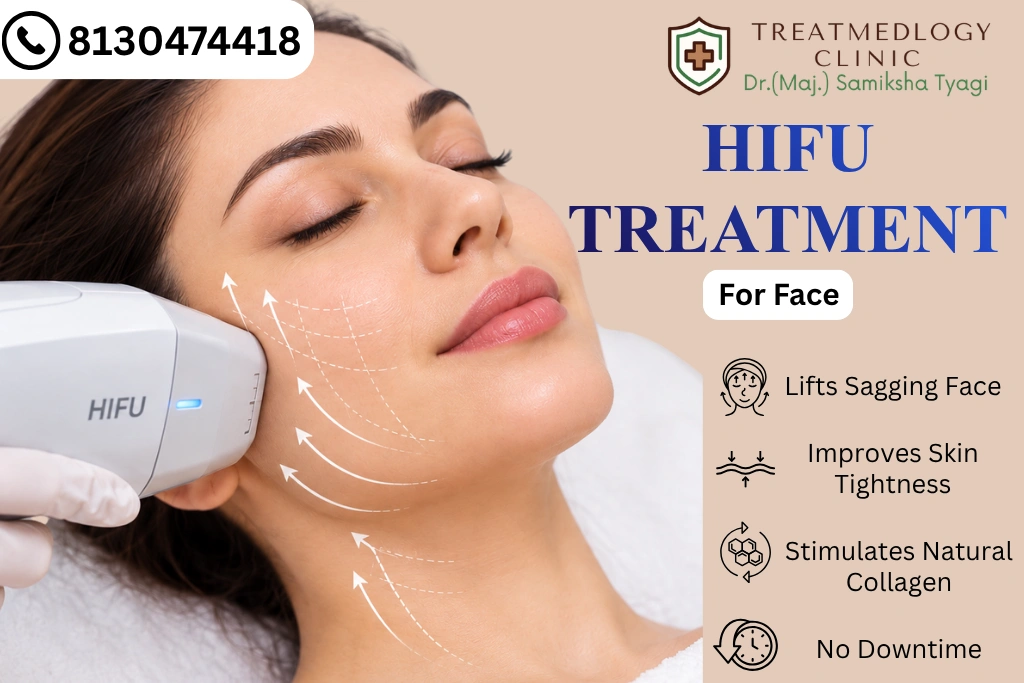
High-Intensity Focused Ultrasound (HIFU) represents a non-invasive facial rejuvenation solution gaining popularity in regions including Delhi NCR and Noida. HIFU utilizes focused ultrasound energy—the same technology employed in ultrasound imaging—to penetrate skin layers at depths between 1.5 and 4.5 millimeters, stimulating collagen remodeling and tissue restructuring without surgical intervention. Unlike topical skincare products that address only surface-level concerns, HIFU targets deeper facial supportive structures to address mild-to-moderate skin laxity and early signs of facial aging. The treatment can effectively address multiple concerns including jawline definition, cheek heaviness, early jowls, double chin, neck laxity, and overall facial sagging. By delivering focused energy to specific depths tailored to individual facial anatomy, HIFU promotes natural collagen involution and lifting responses through the body's own tissue remodeling processes. This makes it an attractive alternative for individuals experiencing subtle signs of facial aging where lifestyle modifications and conventional skincare prove inadequate, though professional facial assessment remains essential for determining individual suitability.
Share on
What's the Best Microneedling Device? A Full Comparison Guide (2026)
banish.com
Oct. 3, 2026, 7:37 a.m.
Microneedling, a treatment that creates controlled micro-injuries to stimulate collagen and elastin production, has become increasingly popular for addressing acne scars, texture irregularities, and skin dullness. This guide compares leading at-home devices and identifies the Banisher 3.0 as the optimal choice due to its flat stamp design, which provides superior control and safer perpendicular needle penetration compared to rollers or motorized pens like the Dr. Pen A9. The stamp mechanism significantly reduces risks of dragging and tram-track scarring. For home use, a needle depth of 0.5mm is recommended as safest and most effective, with depths exceeding 1.0mm reserved for professional administration. While motorized pens can be overly aggressive and require numbing cream and careful technique, dermastamps offer a lower learning curve and reduced injury risk. Results typically emerge after three to six months of consistent use rather than immediately. The American Academy of Dermatology supports microneedling's efficacy, with 2025 research confirming the mechanism involves enhanced collagen and elastin production, improved circulation, and strengthened skin barrier function. Device selection proves as critical as technique in achieving safe and effective outcomes.
Share on
Social Media Mythbusters: At-Home Dermarollers
www.dermatologytimes.com
Oct. 3, 2026, 7:37 a.m.
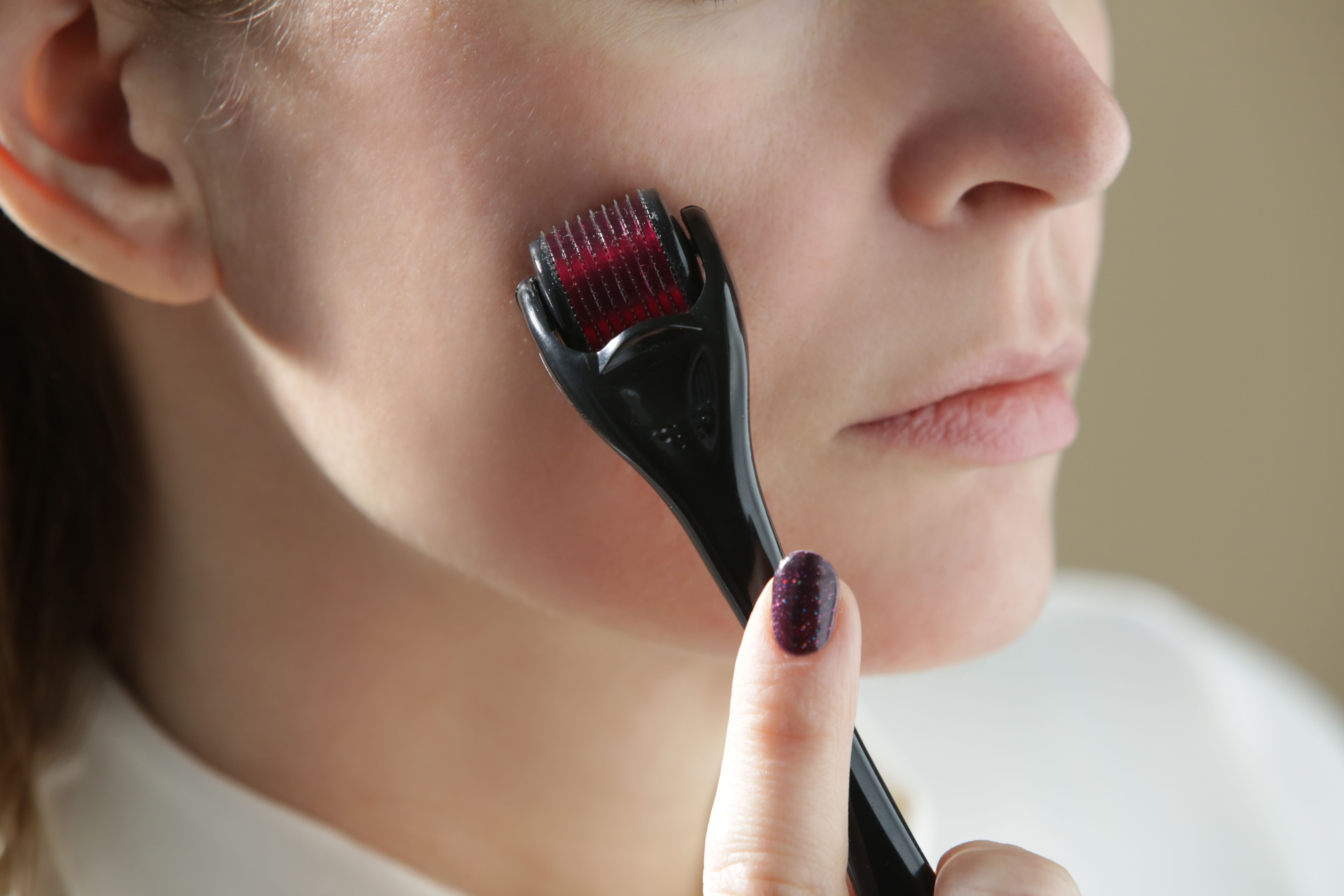
At-home dermarollers have emerged as a trendy, affordable alternative to professional microneedling, leveraging social media to promote claims of collagen induction, reduced pore appearance, improved product absorption, and softened fine lines. These handheld devices typically feature needles ranging from 0.2 to 1.0 millimeters, positioning themselves as low-cost equivalents to clinical procedures like SkinPen, which received FDA clearance for professional use only. While the underlying mechanism of percutaneous collagen induction—triggering wound-healing responses that stimulate new collagen and elastin production—is scientifically established, a critical distinction exists: professional evidence supporting microneedling derives from studies using needle depths of 0.5 to 3 millimeters, substantially deeper than consumer devices. The FDA has not cleared any microneedling device for home use, and the regulatory distinction reflects concerns about needle depth as a variable separating meaningfully different product categories. This investigation, part of Dermatology Times' Social Media Mythbusters series, examines whether at-home dermarollers, often used without professional sterile technique, deliver equivalent clinical outcomes to evidence-based professional procedures.
Share on
Different Types of Microneedling and Their Uses
drpenstore.com
Oct. 3, 2026, 7:37 a.m.
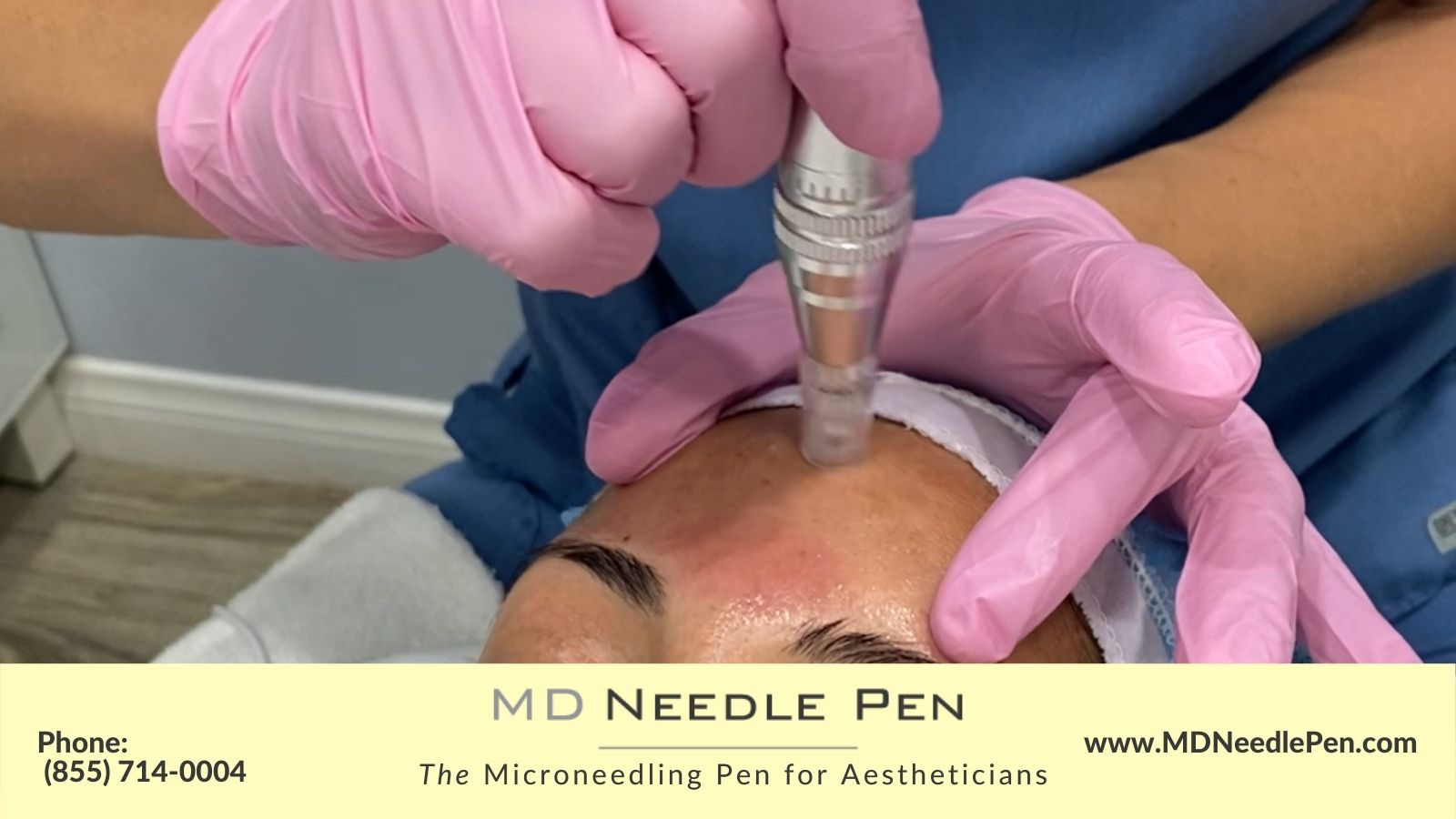
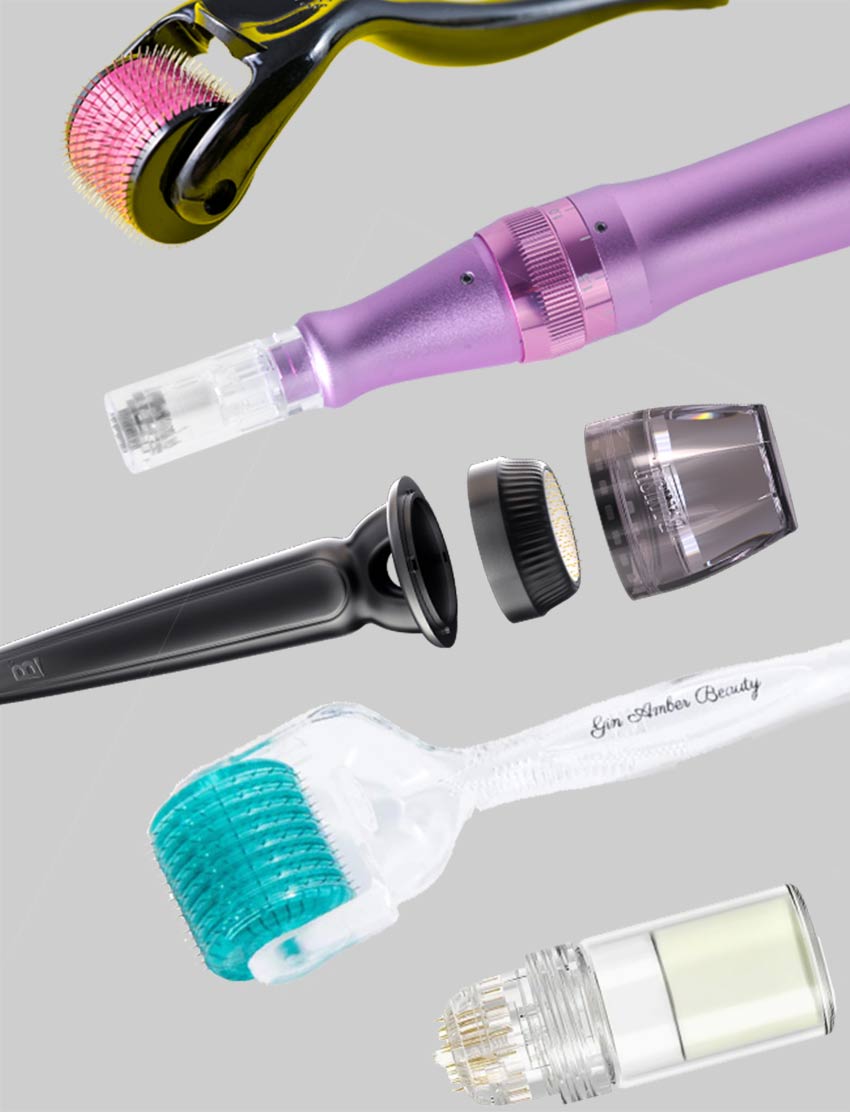
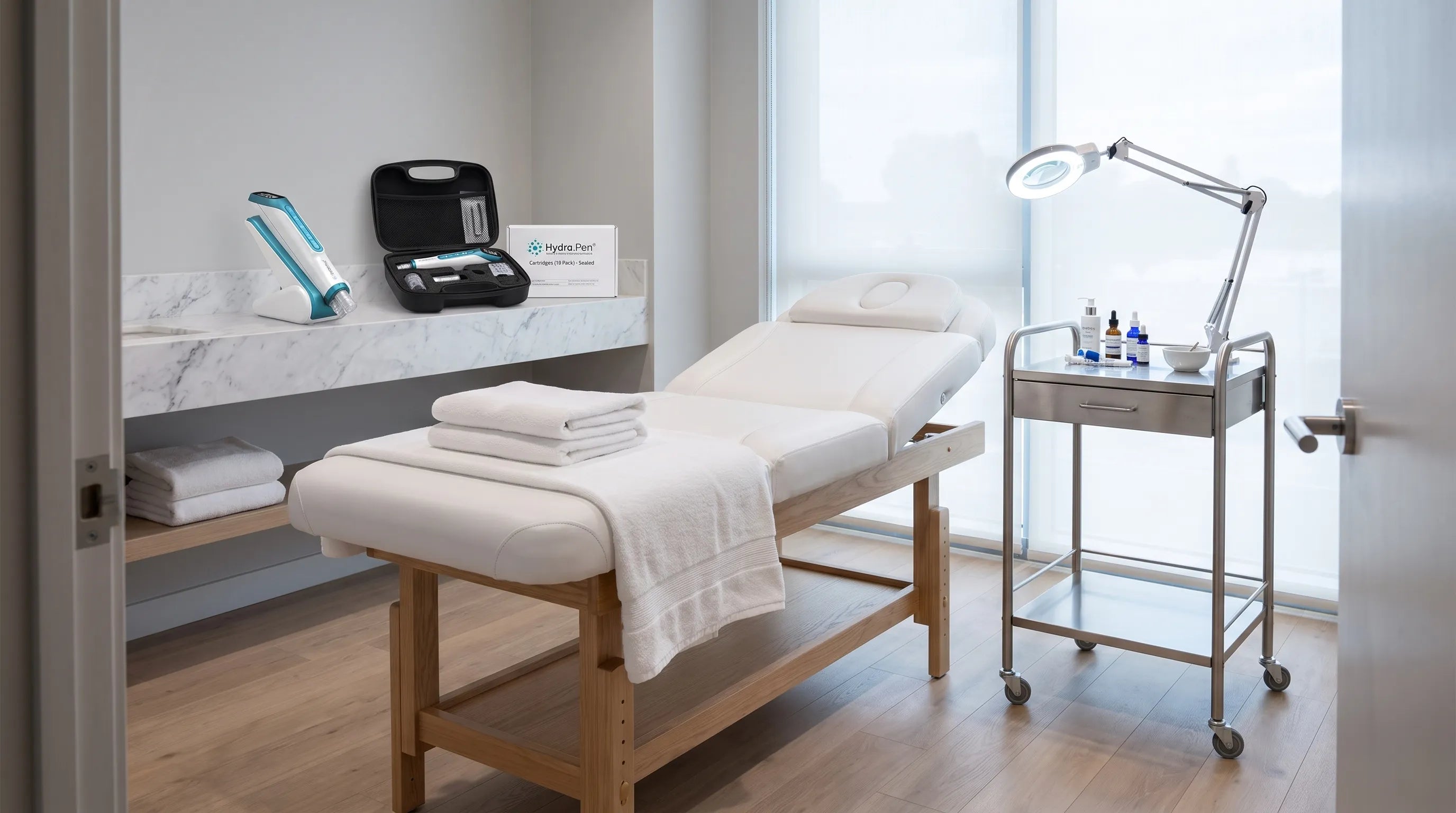
Microneedling encompasses several distinct treatment types that vary in application, depth, and technology, requiring careful selection based on individual skin goals and professional expertise. As a form of collagen induction therapy, microneedling creates controlled micro-channels that stimulate the skin's natural repair response, improving texture, tone, and firmness. The primary variants include microneedling pens, which utilize motorized handpieces with sterile cartridges delivering precise vertical needle motion, offering versatility for shallow cosmetic treatments targeting dullness and product absorption as well as deeper clinical applications for acne scars and stretch marks. Dermarollers use rolling heads with angled needle entry, representing an alternative delivery method. Advanced options incorporate additional technologies such as radiofrequency, LED light, or serum infusion to enhance results. The choice between treatments depends on specific concerns, treatment location, and whether professional administration or at-home use is intended. Needle depth, cartridge compatibility, and sterility are critical factors determining safety and efficacy. Understanding these distinctions enables practitioners and patients to select appropriate treatments aligned with their skincare objectives and comfort levels.
Share on
Morpheus8 in Miami: Depth, Sessions and Downtime
www.perfectb.com
Oct. 3, 2026, 7:37 a.m.
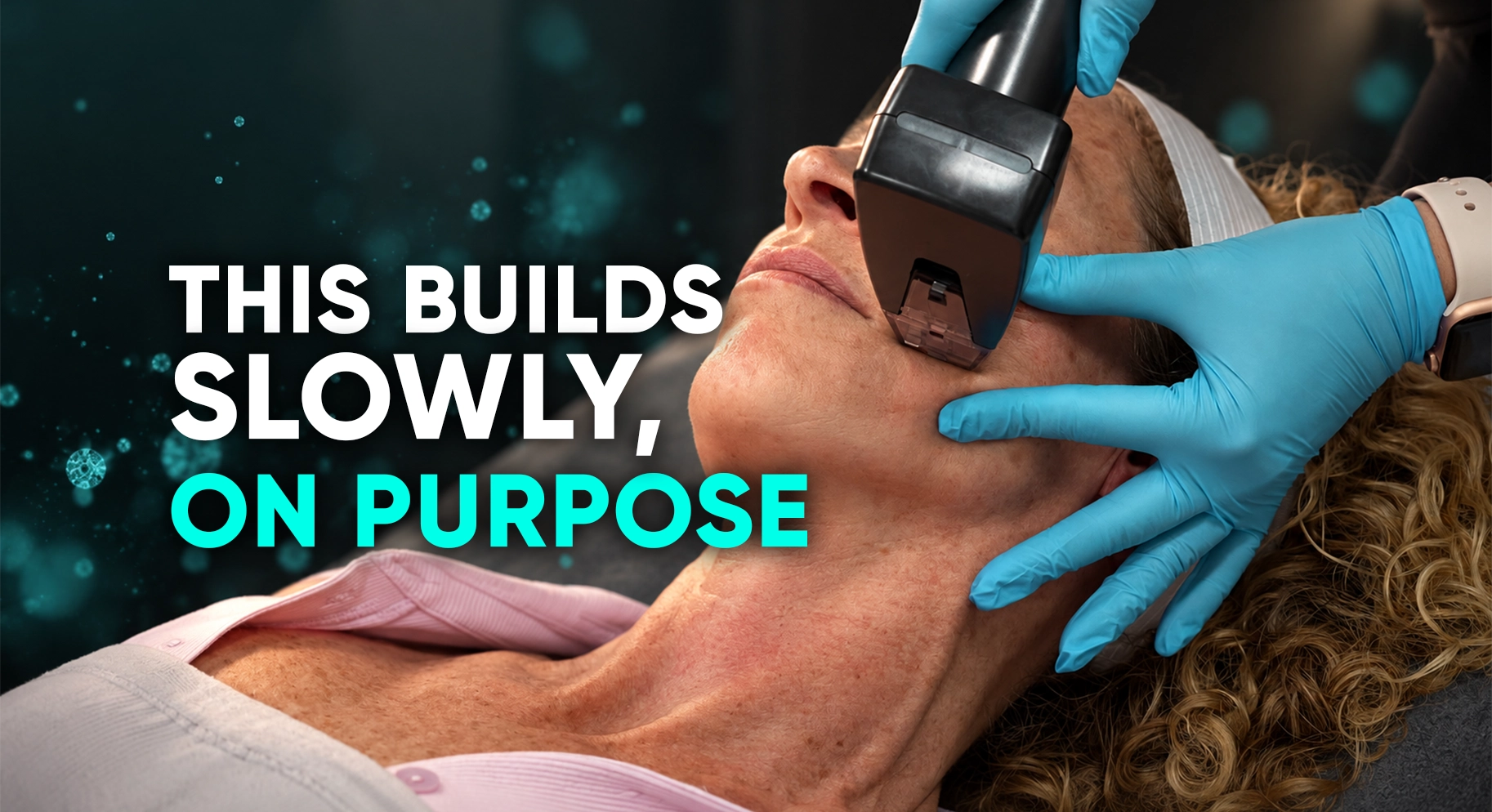
Morpheus8 is a radiofrequency microneedling treatment offered at Perfect B in Doral, Florida that differs fundamentally from standard microneedling through its delivery of thermal energy deep within the dermis. While conventional microneedling creates superficial mechanical channels to improve texture and pore appearance, Morpheus8 uses insulated needles to deliver radiofrequency energy at depth, generating controlled thermal damage in the reticular dermis where collagen and elastin reside. This distinction is critical: superficial treatments address surface concerns, while radiofrequency microneedling targets skin laxity by stimulating deeper structural remodeling. A foundational 2009 human study demonstrated that tissue heated to 72 degrees Celsius for four seconds created thermal zones in the reticular dermis, triggering new collagen and elastin formation documented through day 28. This mechanism explains why radiofrequency microneedling results develop over months rather than weeks, making it particularly effective for patients concerned with skin tightening rather than texture alone. Treatment selection depends on identifying whether the underlying problem is superficial or structural.
Share on
Best At-Home RF Microneedling Devices in 2026: The Honest Guide
www.evenskyn.com
Sept. 26, 2026, 7:33 a.m.
This comprehensive guide ranks twelve at-home radiofrequency microneedling devices as of September 2026, though it clarifies an important distinction: true RF microneedling cannot be performed at home, as the FDA confirmed in October 2025. The guide, published by EvenSkyn—which manufactures three of the ranked devices—explains that at-home alternatives fall into two categories. For skin firming, users can employ needle-free RF handsets like the EvenSkyn Lumo+, which delivers bipolar radiofrequency at 1 MHz with EMS and red light at 40-42 degrees Celsius, priced at $499.99 with a two-year warranty. For serum delivery past the skin barrier, the EvenSkyn MicroInfuser offers fixed-depth micro-infusion at 0.5mm with single-use ampoules at $119.99. The guide recommends two-step combination kits, such as the Lumo+ and MicroInfuser duo at $589.99, which pair RF devices with separate needle products—though radiofrequency never passes through needles. These alternatives approximate RF microneedling's dual mechanisms without replicating the professional procedure's deep dermal energy delivery.
Share on
Glossary of Laser & Aesthetic Technology
www.alix-lasers.com
Sept. 26, 2026, 7:33 a.m.
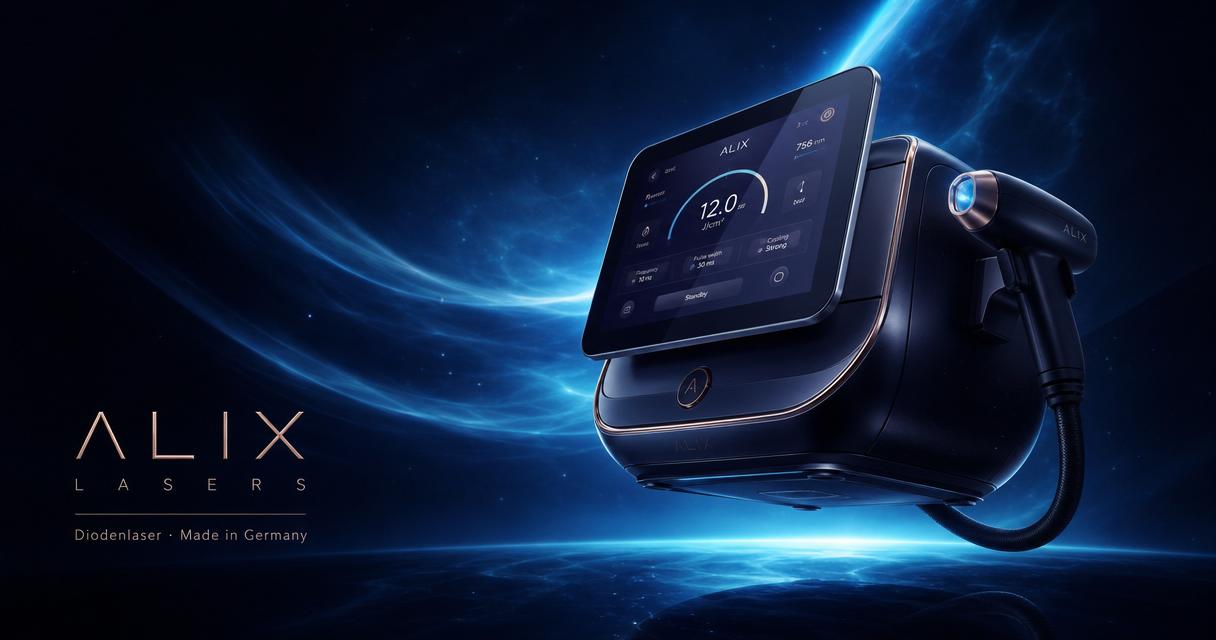
This glossary article comprehensively defines aesthetic and dermatological treatment technologies used in professional clinical settings. It covers laser-based systems including diode lasers (808 nm), triple-wavelength platforms combining Alexandrite (755 nm), Diode (808 nm), and Nd:YAG (1064 nm) wavelengths for treating all Fitzpatrick skin types, and specialized wavelengths optimized for specific skin tones. The article also details alternative light-based technologies such as Intense Pulsed Light (IPL) using broadband xenon flash lamps across 500–1200 nm, and Super Hair Removal (SHR), a gentler pulsed method combining low energy with high frequency. Additionally, it explains non-invasive body contouring technologies including High-Intensity Focused Ultrasound (HIFU), which creates thermal coagulation points at precise skin depths to stimulate collagen and provide lifting effects. The glossary also covers radiofrequency microneedling using insulated gold needles for deep dermis treatment of scars and texture, and controlled cooling fat reduction. This resource provides professionals with precise technical specifications necessary for selecting appropriate treatment modalities for diverse patient presentations and skin characteristics.
Share on
What is a CO2 fractional laser and how does it rejuvenate skin? - TAIBO BEAUTY
www.taibolaserbeauty.com
Sept. 26, 2026, 7:33 a.m.
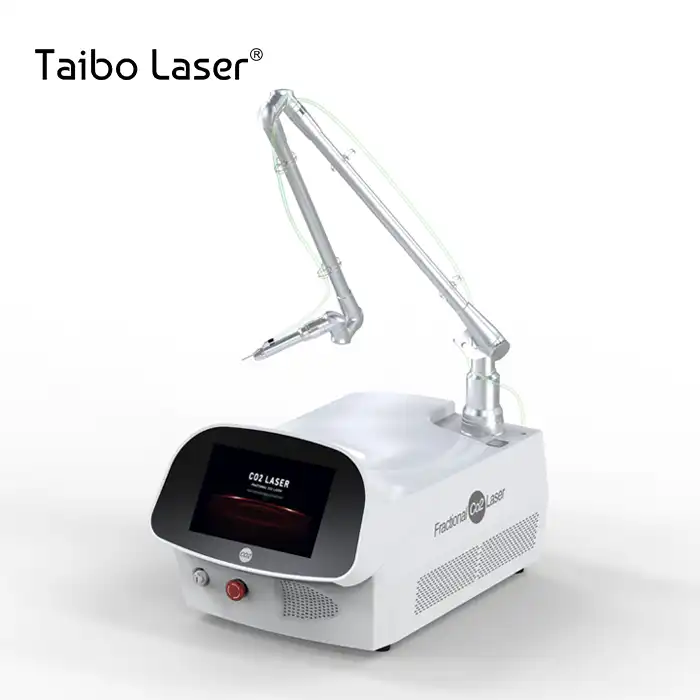
Fractional CO2 laser technology represents a significant advancement in aesthetic medicine, utilizing concentrated carbon dioxide laser energy at 10,600 nm wavelength to rejuvenate skin through a sophisticated mechanism. Unlike conventional ablative CO2 lasers that vaporize entire skin layers, fractional technology distributes energy into microscopic columns called Micro Thermal Zones (MTZs), leaving adjacent tissue intact to accelerate healing. The treatment works by targeting epidermal water molecules, causing controlled evaporation that triggers the body's wound healing response. The fractional delivery system divides the laser beam into thousands of 0.1-mm microbeams, treating only tiny skin regions while preserving healthy tissue gaps. This approach reduces recovery time from weeks to just three to seven days of redness and minor edema. The thermal damage extends into the dermis, stimulating fibroblasts to generate type I and III collagen fibers over three to six months, effectively smoothing wrinkles and reducing scars. Fractional CO2 lasers effectively address severe acne scars, photodamage, textural abnormalities, stretch marks, and surgical scars, making this technology essential for aesthetic clinics seeking to expand treatment portfolios and optimize patient outcomes.
Share on
Combination of Technologies in Body Contouring
www.cureus.com
Sept. 26, 2026, 7:32 a.m.
The article examines contemporary approaches to body contouring through the integration of multiple therapeutic technologies. Researchers led by Igo Reichmann Losso and colleagues investigated how combining different body contouring techniques can enhance aesthetic outcomes. The study synthesizes current methodologies used in cosmetic and reconstructive procedures, exploring the synergistic effects of applying complementary technologies in tandem. By analyzing various combinations of established body contouring devices and procedures, the research identifies optimal protocols that leverage the strengths of each technology while minimizing limitations. The findings demonstrate that multimodal approaches yield superior results compared to single-technique interventions, offering improved skin tightening, fat reduction, and overall body contour definition. This combination strategy holds significant clinical importance as it enables practitioners to customize treatment plans based on individual patient anatomy and aesthetic goals, potentially reducing recovery time and enhancing patient satisfaction while maintaining safety standards throughout the procedure.
Share on
Different Types of Microneedling and Their Uses
drpenstore.com
Sept. 26, 2026, 7:32 a.m.
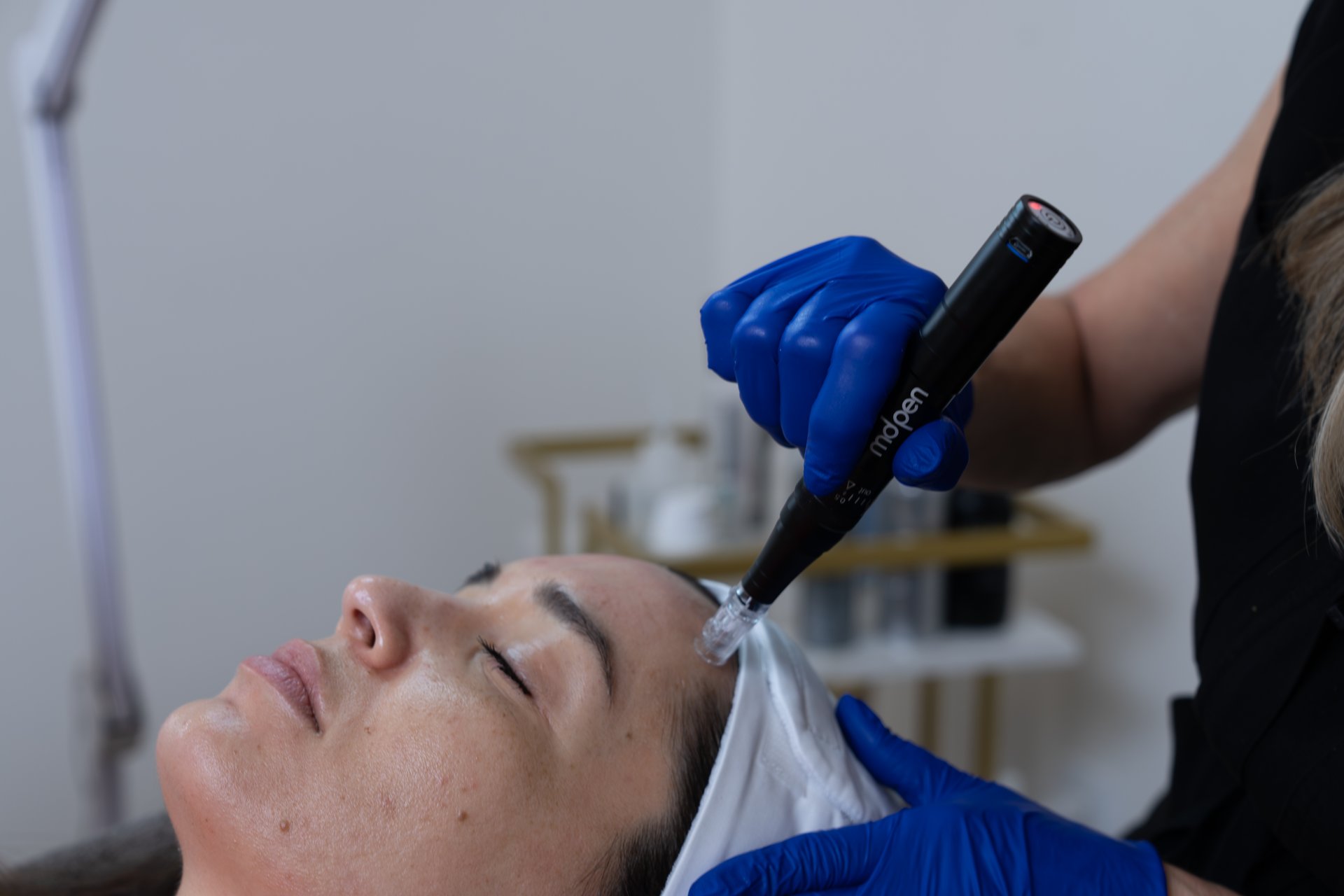
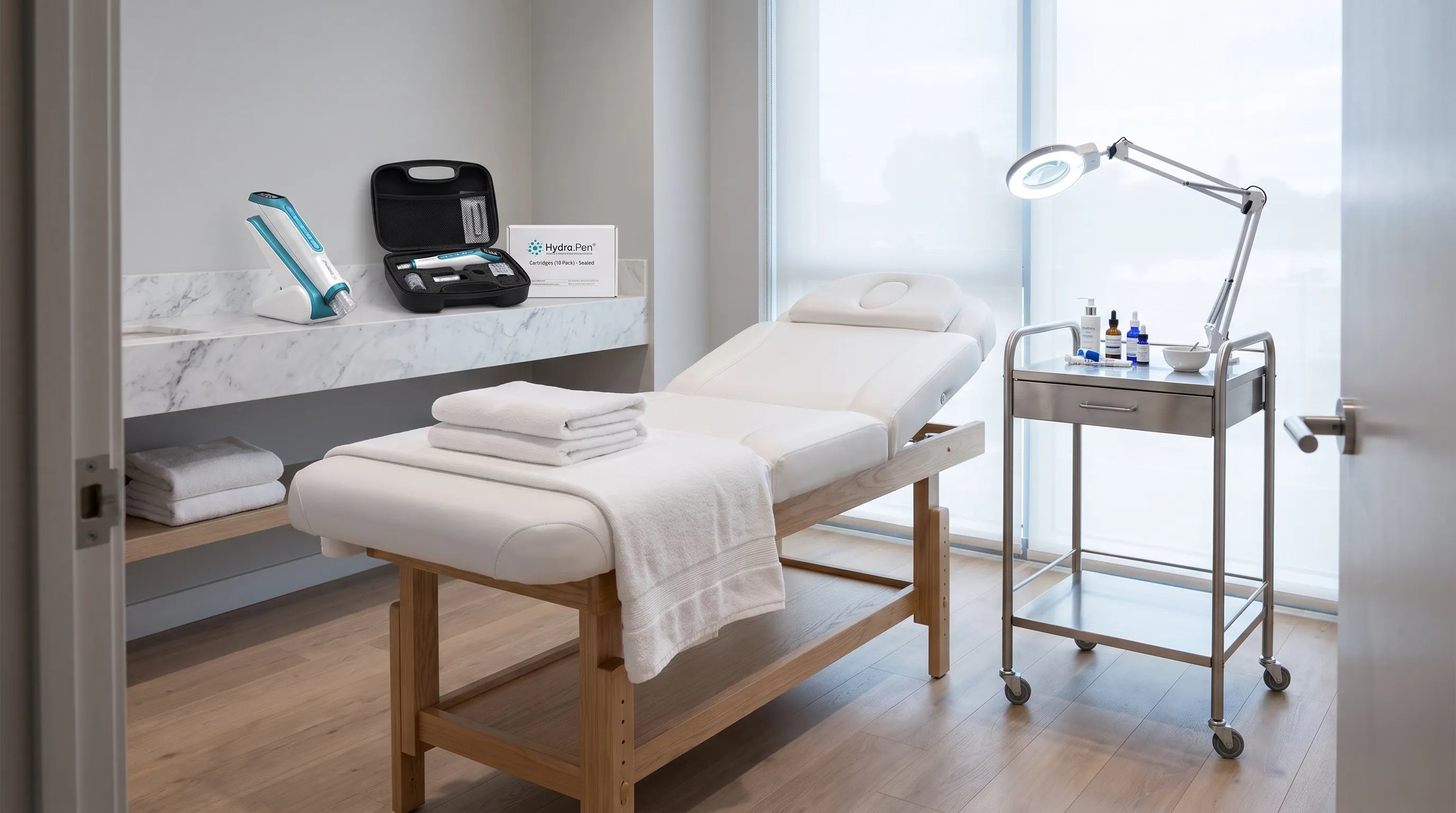
Microneedling encompasses several distinct treatment modalities that vary fundamentally in needle depth, delivery mechanism, and additional technologies, requiring careful selection based on individual skin goals and treatment setting. Known as collagen induction therapy, microneedling creates controlled micro-channels that stimulate the skin's natural repair response, improving texture, tone, and firmness. The primary microneedling options include motorized pens, dermarollers, and radiofrequency-enhanced devices, each suited to different applications. Microneedling pens, featuring sterile motorized cartridges with vertical needle motion, offer precision and versatility for both cosmetic and professional treatments, ranging from shallow exfoliation to deeper scar and texture correction. Dermarollers, conversely, use angled needle entry via rolling motion. Treatment selection depends on specific concerns—post-acne texture, dullness, or skin laxity—and whether the procedure occurs at home or within a clinical setting under licensed professional supervision. The distinction between shallow nano treatments for luminosity and professional radiofrequency sessions for firming underscores that these approaches are not interchangeable, necessitating informed decision-making to achieve optimal results safely and effectively.
Share on
What's the Best Microneedling Device? A Full Comparison Guide (2026)
banish.com
Sept. 19, 2026, 7:34 a.m.
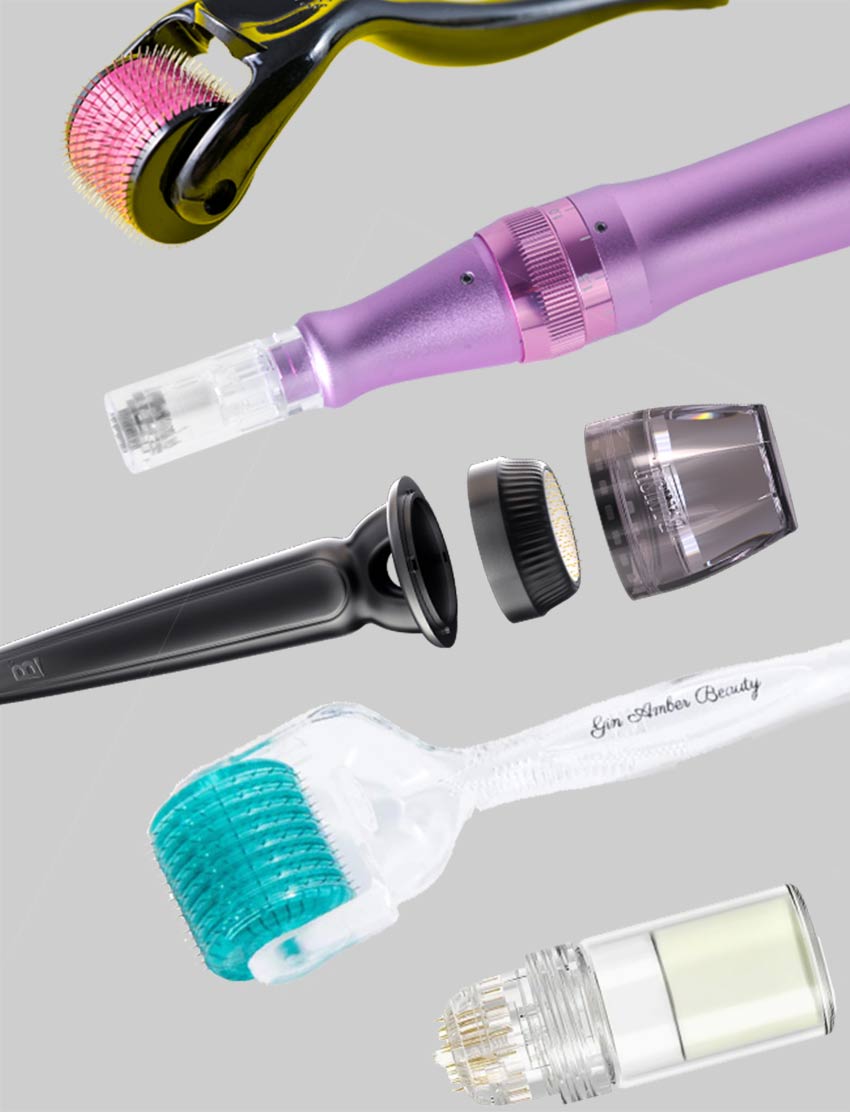
Microneedling, also known as collagen induction therapy, is a skincare treatment that uses fine needles to create controlled micro-injuries in the skin, stimulating the body's natural healing response and collagen production. According to medical review and the American Academy of Dermatology, the technique can improve acne scars, dark spots, stretch marks, and uneven texture. The Banisher 3.0 emerges as the top-recommended at-home microneedling device due to its flat stamp design, which offers superior control and safer needle entry compared to rollers or motorized pens like the Dr. Pen A9. Unlike dermarollers that enter skin at angles and risk micro-tearing, the Banisher 3.0 presses straight down, reducing the risk of dragging and tram-track scarring. For home use, a needle depth of 0.5mm is considered safest and most effective for collagen stimulation, while depths exceeding 1.0mm should be reserved for professional treatments. Results typically appear after three to six months of consistent use. The device choice significantly impacts both safety and efficacy, making selection as important as proper technique for achieving desired skin improvements.
Share on
Turkey Neck Treatment Options: Non-Surgical Solutions for a Youthful Neck
www.hubmeded.com
Sept. 19, 2026, 7:34 a.m.
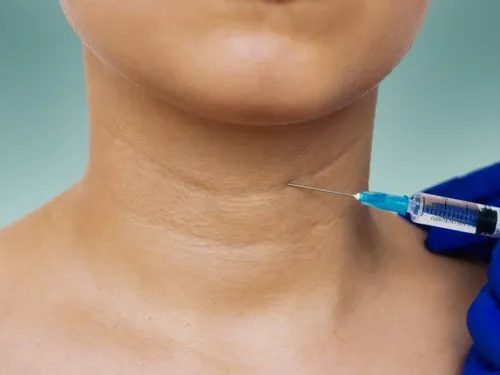
Turkey neck, characterized by sagging skin, horizontal lines, and vertical bands on the neck, represents a common aesthetic concern driven by decreased collagen and elastin production, weakening platysma muscles, and factors including sun damage, gravity, and genetic predisposition. While surgical neck lifts remain available, many patients prefer non-surgical alternatives. Recent advancements in aesthetic medicine offer minimally invasive solutions including energy-based devices, injectables, and topical agents that stimulate collagen production and improve skin firmness. Ultherapy, an FDA-approved device, delivers focused ultrasound energy to stimulate neocollagenesis without surface damage, providing visible lifting results over three to six months and proving ideal for patients with mild to moderate laxity. Radiofrequency treatments such as Morpheus8 and Profound RF use thermal energy for similar collagen-stimulating effects. These non-surgical approaches offer effective alternatives for patients seeking gradual improvement without surgical risks or recovery time, making them increasingly popular in aesthetic medicine practice.
Share on

Postpartum Abdominal Laxity: What Can You Do Without Surgery? - SUPA-KUNN CLINIC
supakunnclinic.com
Sept. 19, 2026, 7:34 a.m.
Postpartum abdominal changes persist in many women despite weight loss, but understanding the underlying causes is essential for selecting appropriate treatment. The postpartum belly results from multiple factors including retained subcutaneous fat, skin laxity from prolonged stretching, texture irregularities, and diastasis recti—abdominal muscle separation that requires medical evaluation before cosmetic intervention. Several non-surgical technologies address different concerns: BodyFX, Fractora, and Morpheus8 Body target skin tightening and rejuvenation through various mechanisms; Microfocused Ultrasound with Visualization (MFU-V) provides ultrasound-based body contouring; while PRP and Sculptra support collagen stimulation and tissue remodeling. The initial postpartum recovery spans six to eight weeks, though physical changes may persist longer. Effective treatment selection depends on identifying the specific problem—whether fat reduction, skin tightening, or collagen renewal—rather than choosing based on device popularity, ensuring optimal outcomes for individual patient needs.
Share on
Eurofins Laboratoire Dermscan SAS
location.eurofins.com
Sept. 19, 2026, 7:34 a.m.
Eurofins Pharmascan, an ISO 9001 certified laboratory with over 25 years of clinical research experience, provides comprehensive clinical study support for healthcare stakeholders across multiple product categories. The organization conducts rigorous investigations at its own facilities and partner healthcare centers, generating reliable data compliant with international standards. Their services encompass efficacy, performance, and safety documentation for medical devices, dermo-cosmetic products, dermo-aesthetic treatments, food supplements, and biocides. Eurofins Pharmascan leverages multidisciplinary expertise combining clinical teams, investigators, and biostatisticians to develop customized protocols addressing specific product characteristics and target market requirements. The organization's methodological rigor and robust result generation position it as a trusted scientific partner for companies seeking to develop, validate, and promote healthcare innovations through evidence-based clinical research.
Share on

A Dermatologist’s Guide to Nonsurgical Rejuvenation of the Neck and Jawline
jcadonline.com
Sept. 12, 2026, 7:42 a.m.
Neck and jawline rejuvenation has become an increasingly important concern for dermatology patients, prompting a comprehensive evidence review by Nadir and colleagues published in the Journal of Clinical and Aesthetic Dermatology. The authors systematically reviewed over 1,225 studies from multiple databases to evaluate nonsurgical treatment options. Injectable modalities examined include deoxycholic acid for targeted fat reduction, neuromodulators such as botulinum toxin to smooth dynamic wrinkles and refine jawline definition, dermal fillers to restore volume and enhance facial contours, and thread lifts to improve skin elasticity. Energy-based treatments analyzed encompass ablative and nonablative laser systems, helium plasma devices, and plasma exeresis technologies. This comprehensive guide addresses a significant clinical need, as the neck and jawline represent highly visible areas of aging that patients increasingly seek to address without surgical intervention. By synthesizing current evidence across injectable and energy-based modalities, the review provides dermatologists and aesthetic providers with practical, evidence-based guidance for selecting appropriate nonsurgical rejuvenation strategies tailored to individual patient anatomy and aging patterns.
Share on
DioLase Titanium — Triple-Wavelength Diode Laser
laserequipmentglobal.com
Sept. 12, 2026, 7:42 a.m.
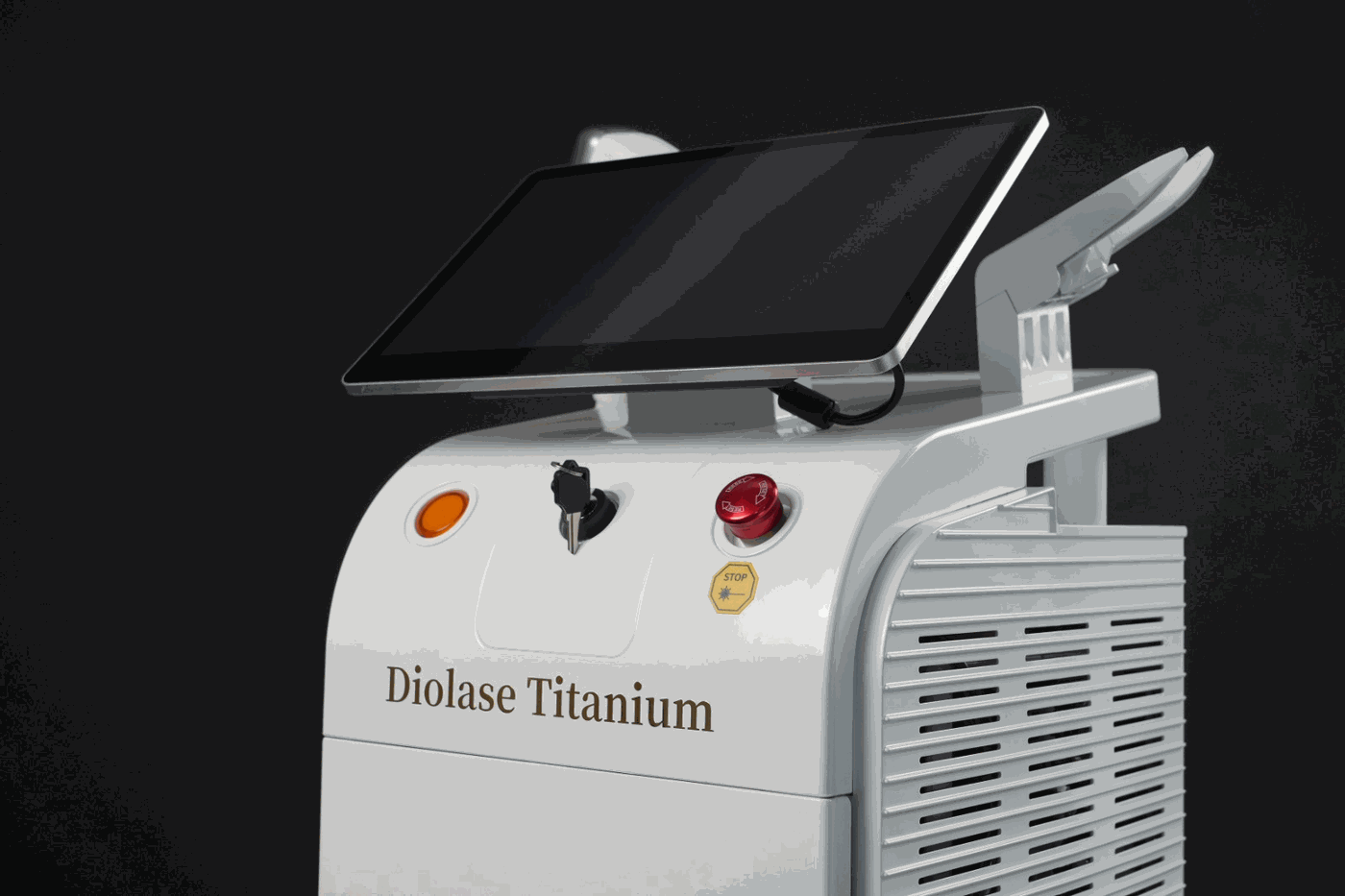
Pro 1 Laser has introduced the DioLase Titanium, a premium 1800-watt professional diode laser platform designed to enhance clinic efficiency and revenue generation. The device operates using selective photothermolysis technology, featuring the company's TruePulse™ collimated beam delivery system that directs up to 99 percent of beam density to target tissue. The DioLase Titanium offers dual configuration options: a standard 808-nanometer wavelength or the advanced Quattro 4D™ triple-wavelength system combining 755, 808, and 1064-nanometer capabilities. The large 12×36-millimeter handpiece incorporates minus-35-degree Celsius ICE sapphire contact cooling for patient comfort. The device is FDA-cleared and Health Canada-licensed, supporting full-body hair removal appointments in approximately 25 to 30 minutes across all skin types I through VI. Beyond hair reduction, the platform includes aesthetic protocols for lower-face contouring and under-chin support through controlled diode-based dermal heating. Available through lease-to-own financing from $599 monthly, the DioLase Titanium targets med spas, laser clinics, and aesthetic practices seeking to increase daily capacity while establishing dependable recurring revenue streams.
Share on

Cheap dermapen can end up costly: sterile cartridges and qualifications
jadoreinstytut.com
Sept. 12, 2026, 7:41 a.m.
Microneedling with dermapen devices has become one of the most frequently performed cosmetology treatments, yet safety knowledge has failed to keep pace with its rapid market adoption. The core issue is that while the technique has solid scientific grounding, the proliferation of poorly trained practitioners and substandard equipment has created vastly inconsistent treatment experiences ranging from professional sterile procedures to weekend-trained operators using wholesale purchases. Device quality varies significantly across market tiers, with cheaper options unable to maintain consistent needle depth, resulting in uneven tissue trauma and compromised outcomes. Critical safety myths persist, including the dangerous misconception that dermapen cartridges can be reused or substituted; in reality, these are single-use sterile components, and reused needles become blunt, causing irregular tissue tearing, excessive inflammation, and scarring risks. Proper treatment requires years of cosmetology and medical training to assess indications, contraindications, appropriate depths for facial zones and skin types, recognize active inflammation, and understand post-inflammatory hyperpigmentation risks. This knowledge gap between device accessibility and practitioner expertise represents a significant patient safety concern in the expanding cosmetic treatment market.
Share on