Smart Packaging Solutions
mm.group
Oct. 7, 2026, 1:08 p.m.
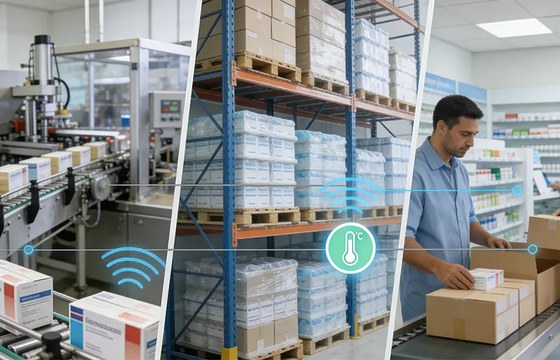
MM Group offers comprehensive smart packaging solutions designed to enhance product safety, operational efficiency, and consumer engagement across industries, particularly pharmaceuticals. The company provides integrated technologies including NFC tags, RFID labels, and Time Temperature Indicators (TTI) that connect physical products to digital information systems. These solutions enable real-time traceability and product authentication while improving supply chain visibility and inventory management. In pharmaceutical applications, smart packaging plays a critical role in patient safety by verifying product authenticity, providing accurate storage instructions, and monitoring cold chain integrity throughout distribution networks. RFID technology specifically accelerates tracking capabilities and reduces inventory errors in complex supply chains, while TTI devices visually indicate temperature deviations to protect product quality. MM Group develops customized RFID labels and condition-monitoring technologies tailored to pharmaceutical requirements, combining multiple technologies to ensure comprehensive cold chain monitoring and maintain product integrity from manufacture to end-user.
Share on

Market Complaint Handling in Pharmaceutical Industry: 8 Critical Steps
pharmavk.com
Oct. 7, 2026, 1:08 p.m.
Market complaint handling in the pharmaceutical industry represents a critical quality-system function for receiving, assessing, investigating, documenting, and resolving complaints regarding distributed medicinal products. Complaints may involve appearance, packaging, labeling, product quality, contamination, damaged containers, or suspected quality defects. The process requires companies to record complaint information, classify potential risks, investigate issues, review batch and quality records, evaluate samples, identify root causes, and determine whether corrective and preventive action (CAPA) is necessary. Regulatory frameworks mandate this oversight: EU GMP Chapter 8 requires written complaint-handling procedures and investigation protocols, while 21 CFR 211.198 establishes equivalent U.S. requirements for drug-product complaints and documentation. Although individual complaints don't necessarily indicate a quality defect, systematic assessment prevents overlooked risks. Recurring or specific complaint patterns require particular attention. A robust complaint system enables pharmaceutical companies to identify potential quality problems that may have escaped manufacturing or release testing, supporting informed decisions about market actions and risk-reduction measures essential for patient safety and regulatory compliance.

GS1 Digital Link: How It Works for Digital Product Passports
www.bdemerson.com
Oct. 7, 2026, 1:08 p.m.
GS1 Digital Link is a standardized system that encodes GS1 identifiers such as Global Trade Item Numbers, batch numbers, and serial numbers within web addresses, enabling single QR codes to facilitate both retail checkout scanning and access to digital product information. This technology serves as a key implementation method for digital product passports under the EU's Ecodesign for Sustainable Products Regulation, though ESPR does not mandate GS1 specifically. The European Commission recognized GS1 Digital Link through Implementing Decision (EU) 2026/1736, granting conformity presumption to passports built using harmonized standards EN 18219 and EN 18220, which establish requirements for unique identifiers and data carriers. The GS1 Digital Link URI Syntax standard version 1.7.0, ratified in August 2026, defines the technical structure using Application Identifier codes to organize product information hierarchically. The system accommodates 14-digit GTINs and allows up to 20 alphanumeric characters for batch and serial number fields, with data attributes like expiry dates included in query strings. This approach addresses EU regulatory requirements for open, interoperable standards that prevent vendor lock-in while maintaining access rights for all stakeholder groups, making it significant for supply chain transparency and sustainable product identification.
Share on

GS1 Digital Link Platform: Identity, Passport, Traceability, Engagement and Analytics
2dbarcodehub.com
Oct. 3, 2026, 4:08 a.m.
GS1 has launched a Digital Link Platform that leverages 2D barcodes to create mobile-first product experiences. When consumers scan a product using their smartphones, they are directed to fast-loading, branded pages that resolve from the product's Global Trade Item Number (GTIN). The platform organizes information into three core categories: Product, Proof, and Engagement. This structure enables brand teams to effectively separate and present product facts, certificates, traceability data, and where-to-buy links alongside optional engagement opportunities. By combining 2D barcode technology with digital product passports and traceability capabilities, the platform enhances supply chain transparency and consumer trust. The initiative addresses growing demand for product authentication, sustainability verification, and seamless shopping experiences. This development matters as it provides brands with a standardized, scalable solution to deliver verified product information directly to consumers at the point of purchase, while improving traceability throughout the supply chain.
Share on
Vision Inspection Systems for Packaging Quality Control
ai-innovate.com
Oct. 3, 2026, 4:08 a.m.
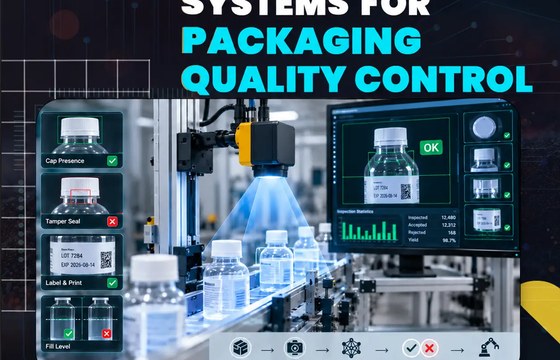
Vision inspection systems have become essential for packaging quality control on high-speed production lines that process 300 to 600 units per minute, far exceeding human inspection capabilities. Manual sampling catches only a fraction of defects, allowing failures such as seal drift, label misalignment, and valve under-dosing to go undetected until thousands of flawed units have shipped or retailer chargebacks occur. The inspection challenge for packaging differs fundamentally from product quality control, as bottles, blister packs, flexible pouches, and corrugated cases each exhibit distinct failure modes and require format-specific defect detection. A vision system optimized for one packaging type often fails to identify critical defects in another. This comprehensive guide addresses the defect categories driving actual packaging complaints, explains how inspection approaches vary across different packaging formats, outlines realistic deployment timelines, and documents operational results reported by facilities currently running these systems in production environments.
Share on
Authentication & Traceability Onboarding Kenya (GS1 Serialization, PPB)
thepharmapartner.co.ke
Oct. 3, 2026, 4:08 a.m.
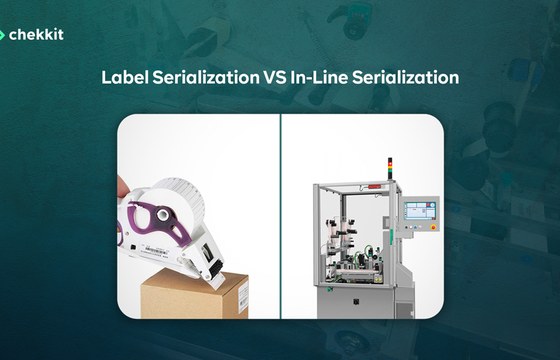
Kenya's Pharmacy and Poisons Board has implemented mandatory track-and-trace regulations requiring all medicines and health products to be traceable from factory to patient and verifiable as genuine. The system, governed by the Digital Health Act 2023 and executed jointly with the Digital Health Agency, launches in August 2026 with full enforcement by January 2027. The initiative targets counterfeit and diverted products through a national digital infrastructure managed by the PPB and DHA. Manufacturers, importers, distributors, pharmacies, and other supply chain participants must comply in phases. Initially, companies must report batch numbers to the Board. By full implementation, every pack requires a unique, scannable GS1-standard code. All pharmacists, pharmacy technologists, and premises must register on Practice 360 and Facility 360 platforms by October 31 to maintain 2027 licensing. The regulations apply comprehensively across the sector. Companies unable to manage implementation independently can engage local technical representatives to handle regulatory compliance, data submission, and registration processes, streamlining the transition and ensuring timely adherence.
Share on
Pharma Serialization and Track & Trace: DSCSA, FMD, and Beyond
ifactoryapp.com
Oct. 3, 2026, 4:08 a.m.
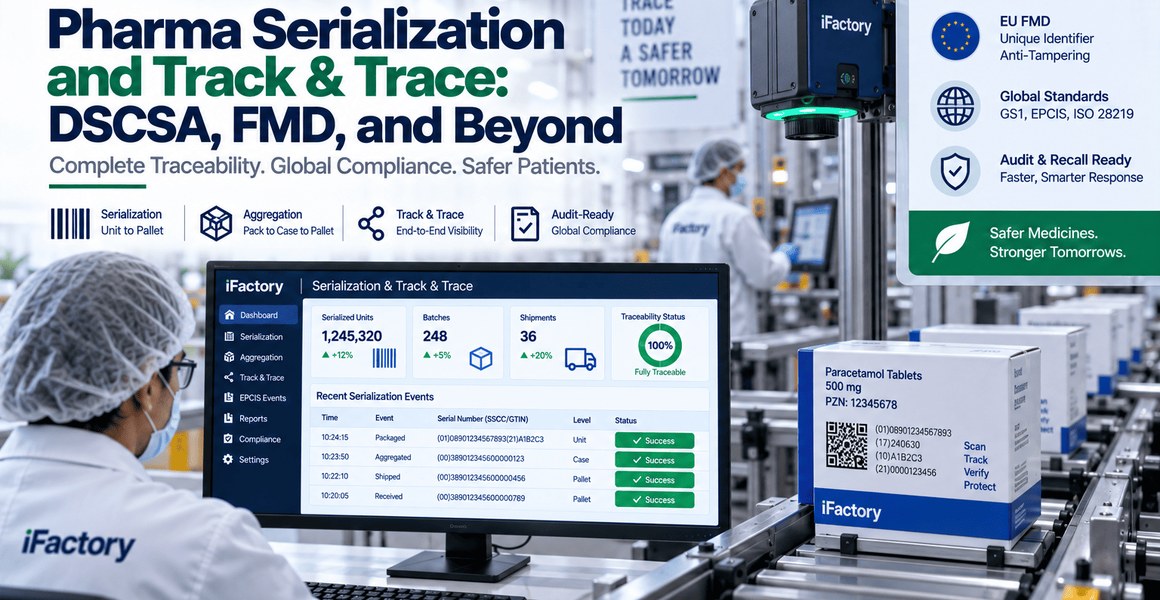
Serialization has transitioned from a project to an operational mandate across pharmaceutical supply chains. As of May 27, 2025, US manufacturers must transmit serialized product data in GS1 EPCIS format for every shipment, with wholesalers and dispensers following compliance deadlines through November. The EU's Falsified Medicines Directive has been enforced since 2019, and 78 countries now operate under WHO GDP serialization guidance. Non-compliance carries substantial risk; approximately 0.5% of prescription products daily enter quarantine or return workflows due to unresolved aggregation exceptions. While serialization concepts appear straightforward—assigning GS1 SGTIN-96 identifiers to units, SSCC codes to parent packaging, and creating aggregation events—execution at scale proves complex. AmerisourceBergen's pilots revealed single-manufacturer onboarding requires two to three months. Critical challenges extend beyond initial serialization to downstream processes: aggregation errors, master-data mismatches, and exception handling strain systems designed before enforcement demands. Trading partners require verification responses within 24 hours continuously. Effective serialization demands integrated capabilities spanning line-level capture through EPCIS exchange with built-in exception management, not reactive problem-solving. Organizations must track open EPCIS exceptions and aging backlogs to assess trading-partner rejection risk and operational readiness.
Share on

Why Pharma's Safety Net Must Follow the Medicine Home
www.pharmafocusasia.com
Oct. 3, 2026, 4:07 a.m.
The pharmaceutical supply chain benefits from extensive regulatory oversight and serialization protocols until products reach patients, after which safety monitoring effectively ceases. This gap has become increasingly problematic as chronic disease management and high-growth therapies like GLP-1 receptor agonists move into home settings, and patients increasingly purchase medications from online pharmacies. According to The Patient Trust Gap study surveying 5,000 patients across the US, UK, Germany, and France, sixty percent of those managing chronic conditions worry their medications may not be genuine. The World Health Organization estimates approximately ten percent of medicines sold globally are counterfeit or substandard, with the FDA and EMA issuing specific warnings about counterfeit semaglutide and tirzepatide products now prescribed at scale for obesity and diabetes. The online pharmacy channel amplifies these risks significantly, with seventy to seventy-six percent of US and UK respondents having purchased from online sources, and forty-five percent citing counterfeit risk as their primary concern. Alarmingly, approximately ninety-six percent of the world's 35,000 online pharmacy websites fail to meet regulatory standards according to ASOP Global. This article, authored by Barbara Van Rymenam, Senior Director of Healthcare at Avery Dennison, underscores the urgent need for extended patient safety infrastructure beyond traditional pharmacy distribution channels.
AI Technology: How Artificial Intelligence Is Improving Counterfeit Product Detection tierlist
epic7db.com
Sept. 30, 2026, 1:08 p.m.
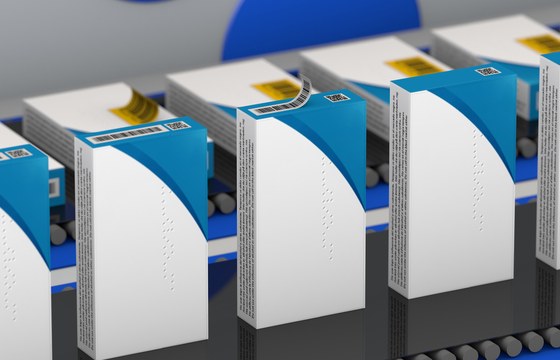
Artificial intelligence is emerging as a crucial tool for combating counterfeit products across diverse industries including electronics, pharmaceuticals, cosmetics, and luxury goods. Traditional inspection methods rely on human specialists examining packaging, labels, serial numbers, and physical characteristics, but this approach struggles with the sophistication of modern counterfeits and the scale of global supply chains. AI systems leverage computer vision and image analysis to detect subtle differences that human inspectors might miss, examining product photographs and scans against databases of authentic items. These systems can identify discrepancies in logos, colors, printing quality, stitching, spacing, textures, and packaging design at a scale impossible for manual review. AI-powered analysis extends to packaging details including barcodes, fonts, and layouts, helping manufacturers and retailers process large product volumes efficiently. By recognizing unusual patterns and flagging suspicious items for human verification, AI enhances detection accuracy while reducing operational burden. This capability matters significantly because counterfeits damage brand reputation, erode customer trust, and pose serious safety risks when products fail to meet manufacturing standards or contain inappropriate materials, particularly in pharmaceuticals and automotive sectors.
Share on
GoAndTrack | Asset Visibility & Shipment Tracking Platform
goandtrack.com
Sept. 30, 2026, 1:08 p.m.
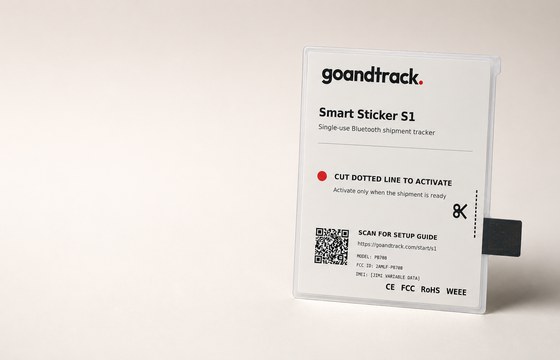
GoAndTrack publishes field notes exploring the intersection of logistics technology, sensor infrastructure, and artificial intelligence. The platform argues that as physical world data becomes increasingly central to enterprise operations, companies controlling the sensor layer will fundamentally reshape software markets. Key themes include data sovereignty in logistics—emphasizing that operators often surrender competitive intelligence like route patterns and supplier relationships to closed vendor platforms—and the integration of emissions monitoring into operational workflows as regulatory mandates including CSRD, CBAM, and Scope 3 reporting transform carbon tracking from a sustainability concern into a logistics operations imperative. The blog examines emerging technologies across multiple domains: orchestrated AI agents that autonomously monitor conditions and execute decisions; resilient multi-network tracking infrastructure combining GPS, LoRaWAN, NB-IoT, and LTE-M to maintain visibility across dead zones and international routes; and specialized hardware including budget-friendly trackers from manufacturers like Coban and Jimi IoT, alongside cold chain monitoring devices priced between £5–45 per shipment. GoAndTrack positions real-time condition monitoring as economically justified, demonstrating rapid ROI through prevention of costly excursions. The analysis reflects broader conviction that logistics data infrastructure represents the foundational substrate for next-generation AI systems and competitive advantage in enterprise operations.
Share on
Cellular IoT & BLE Perishables Monitoring for Pharmaceutical & Medical Industry
www.rfwireless-world.com
Sept. 30, 2026, 1:07 p.m.
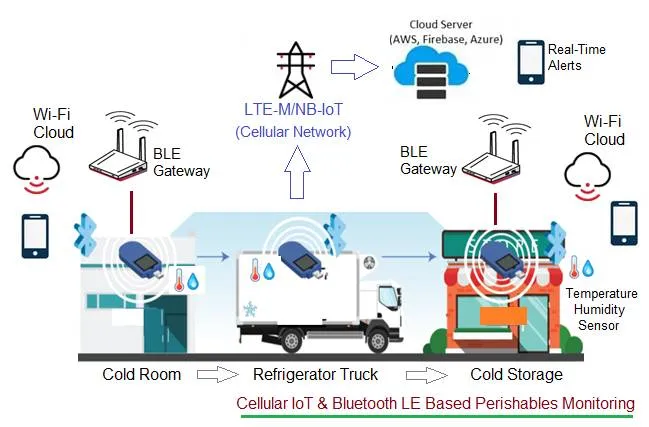
The pharmaceutical industry faces critical challenges maintaining cold chain integrity for temperature-sensitive products like vaccines and biologics, where even minor environmental deviations can compromise efficacy and patient safety. A hybrid network architecture combining Bluetooth Low Energy (BLE) and Cellular IoT (LTE-M/NB-IoT) offers a comprehensive solution for continuous remote monitoring of storage facilities and transit vehicles. This system deploys low-power BLE sensor nodes throughout cool rooms and refrigeration units, which communicate with a central hub that consolidates data and transmits it via cellular connectivity to cloud platforms. This "hub and spoke" architecture eliminates the need for complex Wi-Fi integration or individual cellular modems on each sensor, reducing costs while ensuring reliable monitoring in insulated environments where wireless penetration is poor. The solution enables real-time environmental data collection, automated audit trails for regulatory compliance, and transforms cold chain management from reactive problem-solving into proactive oversight. By combining the power efficiency of BLE with cellular infrastructure independence, facilities can economically deploy dozens of monitoring points while maintaining continuous, tamper-proof documentation of proper storage conditions.
Share on

Top 7 Labelling Technology Providers for Compliance, Traceability, and Marketing Impact
www.packaging-labelling.com
Sept. 26, 2026, 4:10 a.m.
Modern product labels have evolved far beyond simple identifiers, now serving as critical compliance documents, supply chain checkpoints, anti-counterfeiting mechanisms, and interactive marketing touchpoints. This shift has prompted manufacturers, pharmaceutical companies, and consumer brands to carefully reassess their labeling technology partners. A top-tier provider must deliver regulatory coverage across multiple markets, centralized template control, ERP integration, serialization support, RFID encoding capabilities, and cloud deployment flexibility. The article evaluates seven leading labeling technology providers, beginning with Loftware, which acquired NiceLabel to create an enterprise benchmark for compliance solutions. Loftware Cloud operates across multiple tiers—Designer, Essentials, Business, and Compliance—accommodating organizations of varying sizes. Its Compliance tier specifically addresses regulated industries through 21 CFR Part 11 validation, e-signatures, and comprehensive audit trails, essential for pharmaceutical and medical device manufacturers managing UDI and serialization requirements. The platform also supports direct RFID encoding, enabling track-and-trace capabilities at the item level. This comprehensive approach reflects industry demands for solutions that integrate compliance, supply chain visibility, and brand engagement within a single platform.
Share on
What Is a GS1 Digital Link? Structure, Scanning, and How It Works
digital-link-qr-code.com
Sept. 26, 2026, 4:10 a.m.
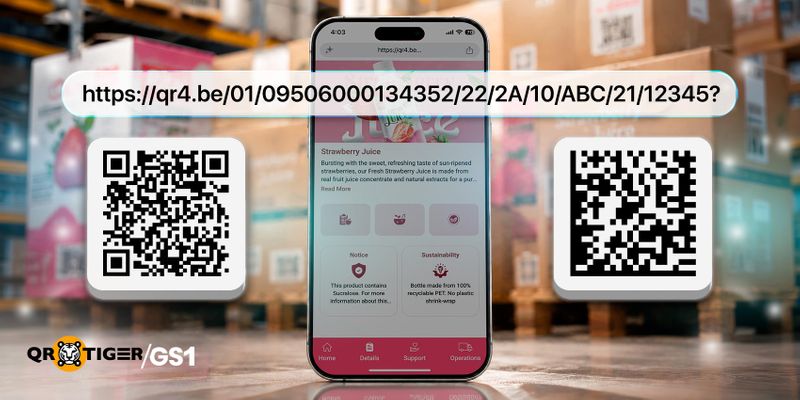
A GS1 Digital Link (DL) is a standardized web address that converts identification numbers into clickable internet links, enabling seamless integration between physical items and digital information. This technology embeds the same identification code in 2D barcodes like QR codes and RFID tags, connecting products directly to online services and data. While commonly used with Global Trade Item Numbers (GTINs), GS1 DL supports multiple identification keys including location codes (GLN), logistics unit codes (SSCC), and returnable asset codes (GRAI), making it applicable across retail, healthcare, logistics, and manufacturing sectors. When scanned, a GS1 DL supports interoperability between different systems and organizations, enables the same code to function across barcode scanners, business systems, web browsers, and mobile devices, and facilitates conditional linking to display different content such as product pages, manuals, or certificates based on organizational rules. The structure comprises a web domain combined with GS1 Application Identifiers (AIs)—over 300 data types—that specify what information follows, creating a standardized, flexible solution for supply chain transparency and customer engagement.
Share on
Markem-Imaje Launches CoLOS 2D Activate and CoLOS 2D Engage to Accelerate Manufacturers' Transition to Connected Consumer Packaging
www.stocktitan.net
Sept. 26, 2026, 4:09 a.m.
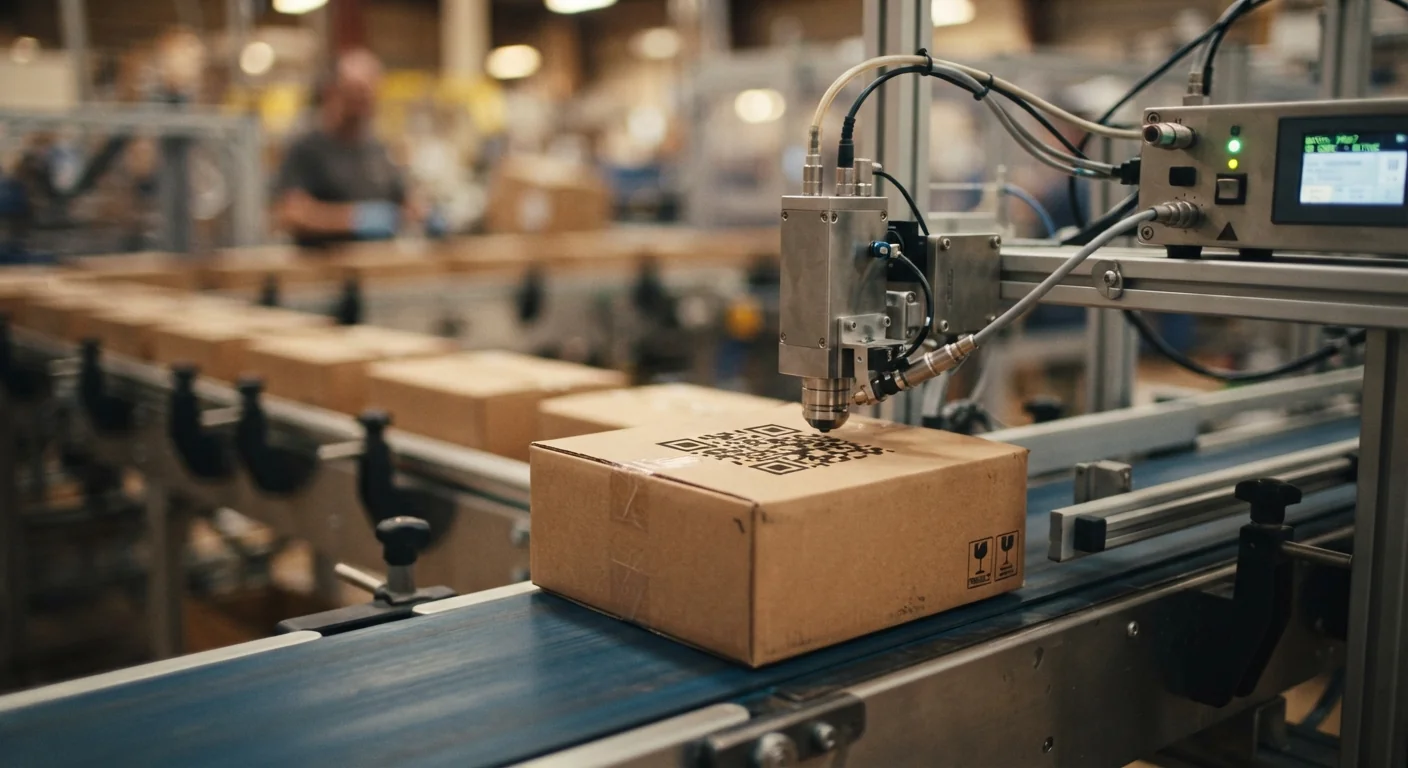
Markem-Imaje, a Dover subsidiary, has launched CoLOS 2D Activate and CoLOS 2D Engage, subscription-based SaaS platforms designed to help consumer-goods manufacturers prepare for GS1 Sunrise 2027. These enterprise solutions enable CPG and FMCG brands to create, organize, activate and manage both static and dynamic GS1 Digital Link QR codes, consolidating production, product and packaging data for connected-packaging management. The offerings address evolving regulatory and retailer requirements by helping manufacturers deploy compliant two-dimensional codes while enabling personalized consumer experiences and collection of first-party data. Complementing the software, Markem-Imaje provides expert consulting services that assess manufacturers' production environments, coding processes and operational readiness through structured on-site reviews and actionable recommendations. This comprehensive approach helps companies identify implementation gaps, prioritize investments and develop roadmaps for QR code deployment. The launch represents a strategic response to industry-wide digital transformation demands as GS1 Sunrise 2027 approaches, positioning Markem-Imaje to capture market opportunity among manufacturers seeking to transition QR codes from mere compliance tools into strategic assets for digital engagement and supply chain visibility.
Share on
FeaturePrint FAQ — Alitheon® Optical-AI Object Authentication
alitheon.com
Sept. 26, 2026, 4:09 a.m.
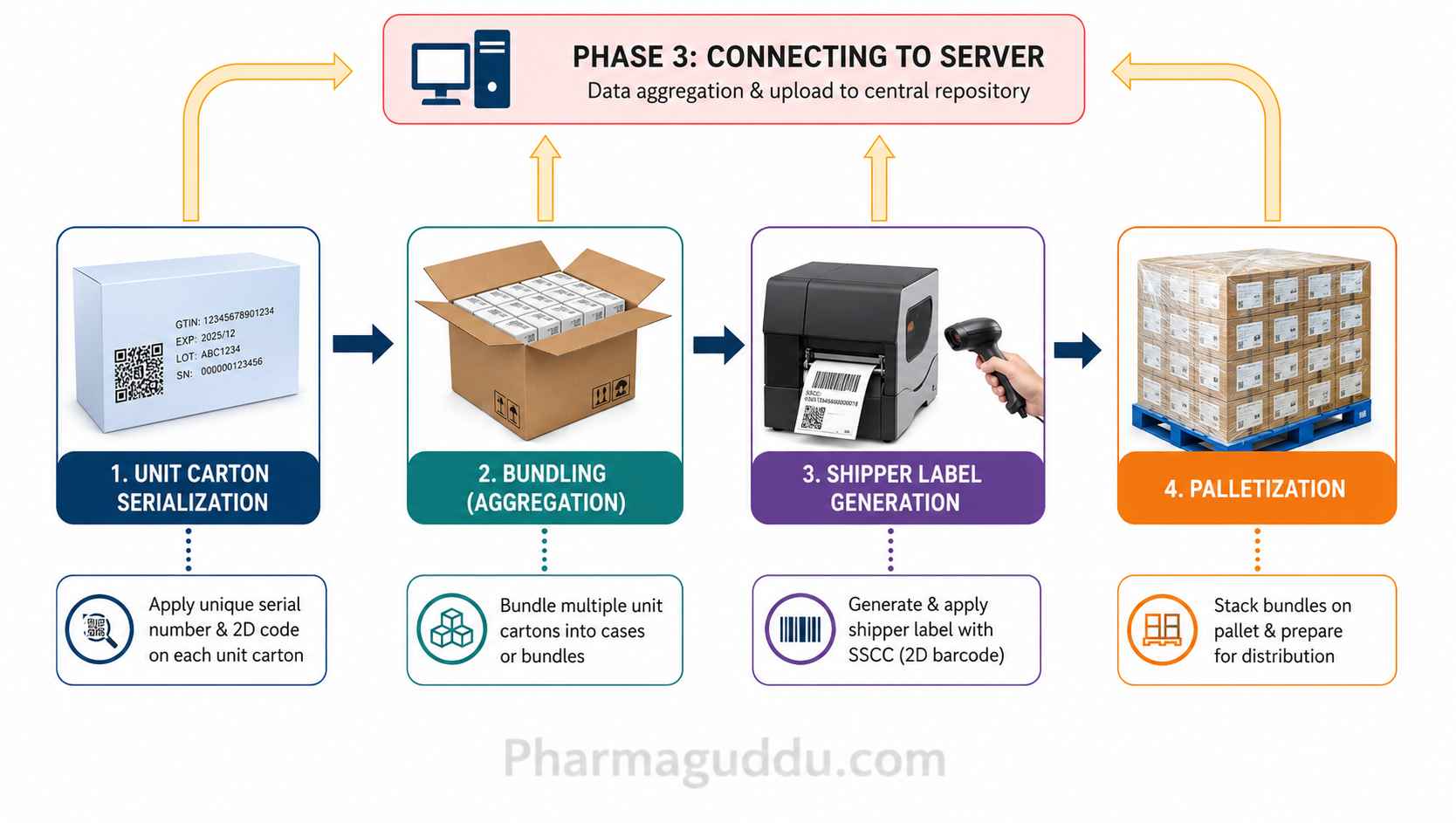
Alitheon's FeaturePrint is a patented optical-AI technology that creates unique digital identities for physical objects using only a photograph, without requiring labels, barcodes, tags, or modifications. Founded in 2017 by experts in advanced mathematics and machine vision, the Bellevue-based company has secured over 55 patents and serves industries including aerospace, defense, healthcare, automotive, electronics, and luxury goods. The technology works by capturing and analyzing microscopic surface patterns unique to each manufactured item—comparable to fingerprints—and converting them into digital files under 500KB. FeaturePrint operates through a three-step process: initial photography, software analysis of surface texture, and verification through subsequent photographs. The system achieves over 99.9% accuracy with zero false positives, requiring no special equipment or training data. The technology addresses critical business needs by authenticating genuine products against counterfeits and enabling individual item tracking throughout supply chains. This matters significantly for industries where authentication failures carry high costs or safety risks, providing a non-invasive verification solution that maintains product integrity while combating fraud and enabling comprehensive asset lifecycle management.
Share on
DSCSA Compliance - PTCB Flashcards
www.varsitytutors.com
Sept. 26, 2026, 4:09 a.m.
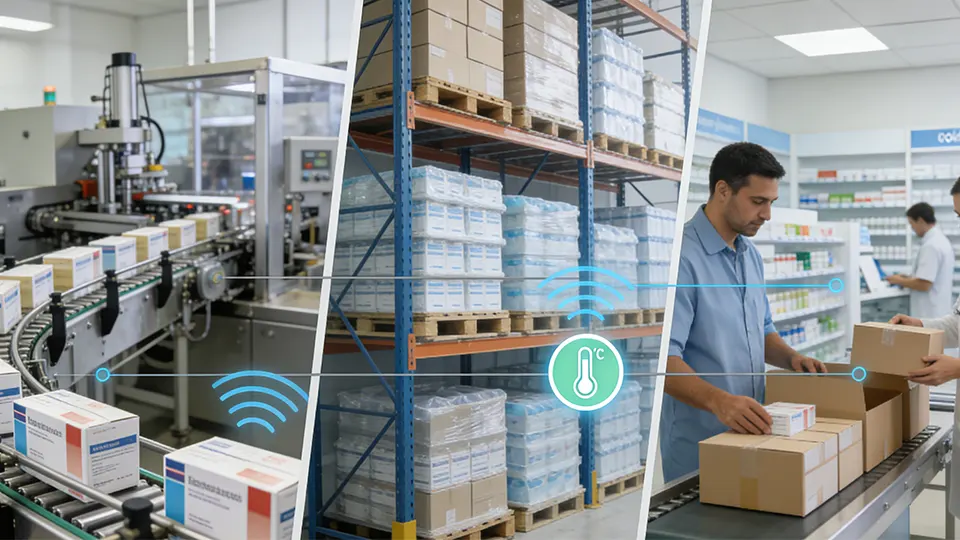
This PTCB flashcard resource provides comprehensive preparation material for pharmacy technician certification focused on DSCSA (Drug Supply Chain Security Act) compliance. The deck addresses critical regulatory definitions and protocols essential for pharmaceutical supply chain management, with particular emphasis on identifying suspect products—items with reasonable cause to believe they are counterfeit, diverted, or stolen. Suspect products are identified through specific indicators including unusual packaging and questionable sourcing patterns, necessitating thorough verification procedures before distribution. The flashcard system contains 24 cards designed to reinforce key DSCSA terminology, compliance rules, and practical examples through spaced repetition learning. Users are encouraged to engage with material in brief study sessions, attempting to answer prompts independently before revealing answers and revisiting missed cards until concepts become automatic. A free account feature allows learners to save marked cards for personalized study optimization. This resource addresses the growing importance of supply chain integrity in pharmacy practice and regulatory compliance, helping technicians master the knowledge required to prevent counterfeit medications and maintain pharmaceutical security standards.
Share on

What is the Best QR Code Generator for Product Labels?
scanova.io
Sept. 23, 2026, 1:10 p.m.
As consumer goods brands increasingly adopt QR Codes for product packaging, selecting the right generator has become a critical operational decision rather than a simple design choice. Industry reports indicate that over 68% of consumer goods brands plan to integrate GS1 Digital Link QR Codes into their packaging by 2027, with codes serving purposes beyond marketing to include traceability, compliance, and post-purchase engagement. Product labels represent a high-stakes QR Code deployment environment where printing errors cannot be easily corrected—thousands of physical units risk becoming non-functional touchpoints if implementation fails. Scanova emerges as a leading solution for 2026, offering Dynamic QR Codes that enable destination updates without reprinting, full design customization for brand consistency, batch generation capabilities for multiple SKUs, GS1 Digital Link support, and real-time scan analytics. Dynamic QR Codes are identified as non-negotiable for volume-printed labels, as they allow brands to modify landing pages, seasonal campaigns, and redirects after production. The article establishes seven critical evaluation criteria distinguishing label-grade generators from generic tools, emphasizing reliability at scale, update flexibility, print-ready exports, GS1 compliance, and actionable analytics as essential requirements for professional label deployment.
Share on
Smart Pharmaceutical Packaging aggressive expansion by leaders
www.htfmarketintelligence.com
Sept. 23, 2026, 1:10 p.m.
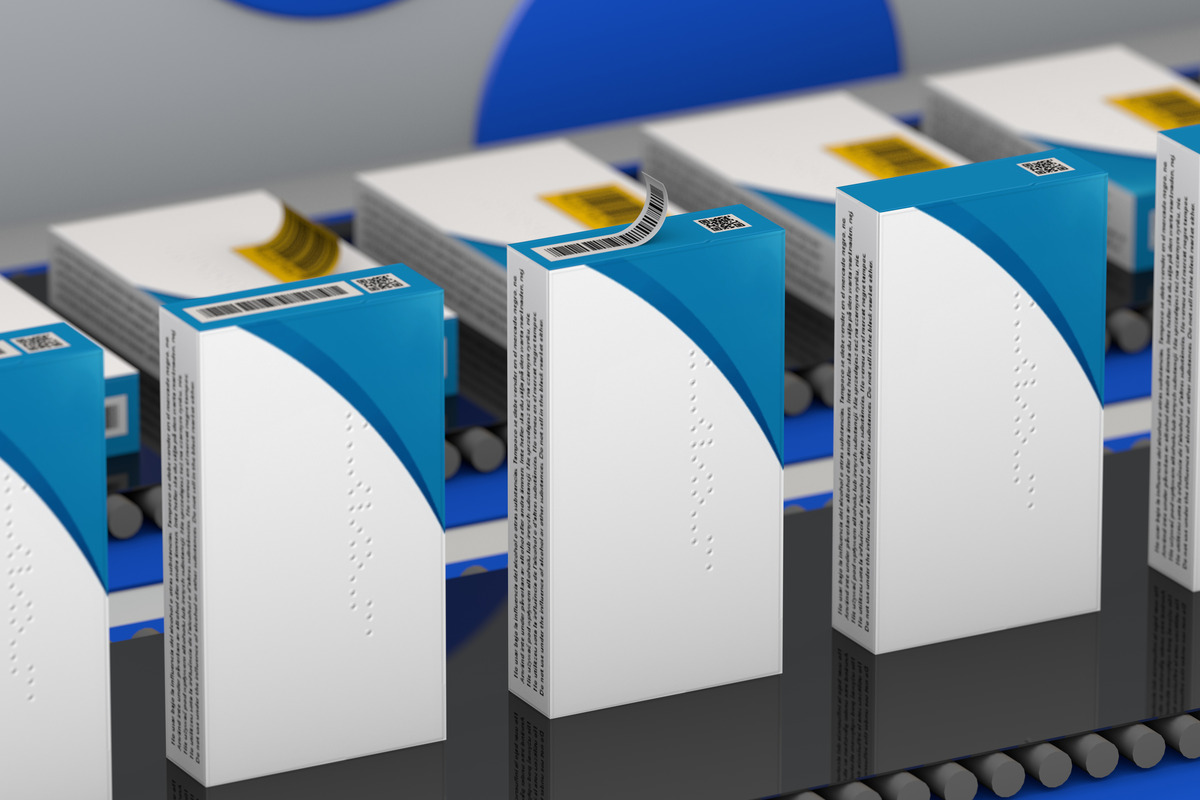
Europe's smart pharmaceutical packaging market is experiencing robust expansion, projected to grow at a compound annual growth rate of 11.6% through 2034. The sector is transitioning from basic serialization and tamper evidence toward sophisticated, connected packaging solutions incorporating RFID and NFC technologies that function as digital identity layers. These technologies enable unit-level traceability, product authentication, supply-chain event tracking, and patient engagement services. Industry leaders like Avery Dennison and Schreiner Group exemplify this evolution, with innovations such as RFID/NFC-enabled labels and the award-winning Smart Syringe Box that actively records administration events and environmental conditions. A critical convergence is occurring between physical packaging and software platforms, enabling data generation for inventory, quality, and patient-support workflows. Simultaneously, the European market is prioritizing sustainable smart packaging solutions that integrate digital functionality while minimizing waste, particularly as the Packaging and Packaging Waste Regulation takes effect in August 2026. Product authentication and anti-counterfeiting capabilities are primary growth drivers, supported by increasing awareness of counterfeiting risks. These developments reflect broader trends toward supply-chain visibility, biologic handling requirements, and patient-centric drug delivery solutions.
Share on
GS1 Digital Link - Replacing the Barcode by 2027
www.protectcode.io
Sept. 23, 2026, 1:09 p.m.
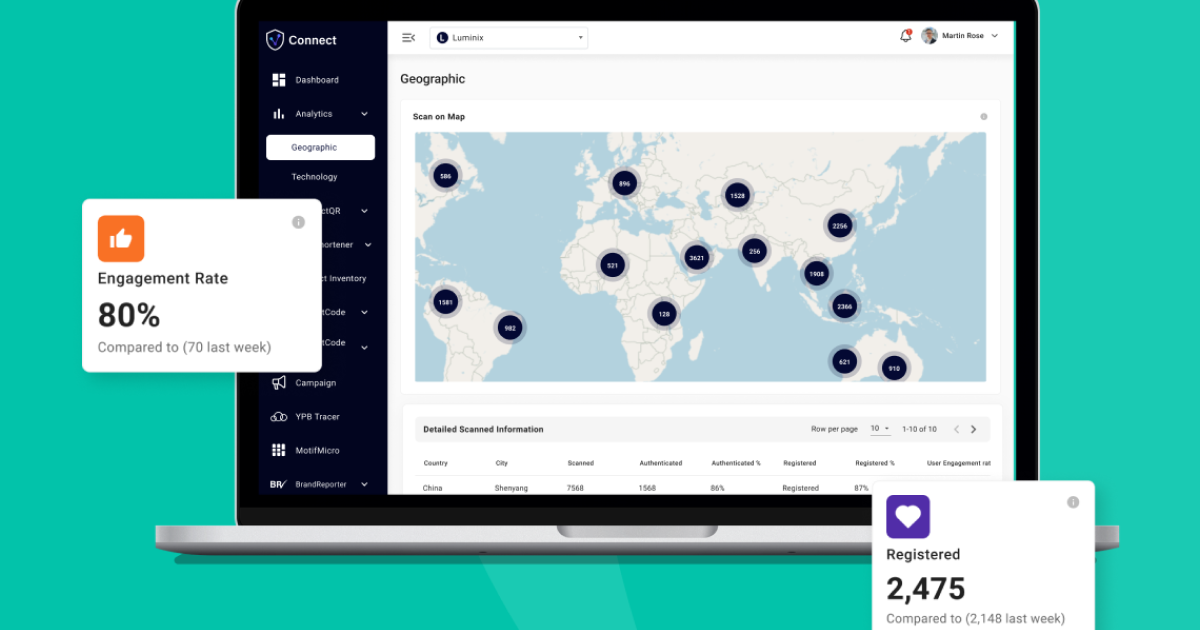
GS1 Digital Link represents a transformative shift in product identification, replacing traditional one-dimensional barcodes with QR code-based universal identifiers by 2027 under the "Sunrise 2027" mandate. Unlike conventional barcodes that encode only a GTIN, GS1 Digital Link encodes a full URI that delivers contextual information based on the scanner's identity and location. A single code can simultaneously serve retail checkout functions by displaying product pricing, warehouse operations by providing supply chain data, and consumer engagement through branded product experiences—eliminating the need for dual labelling or separate systems. GS1, the global standards body overseeing product identification for major retailers and supply chains worldwide, has mandated universal POS adoption by end of 2027, making this transition inevitable rather than optional. This standardized approach promises to streamline operations across retail, logistics, and consumer touchpoints while maintaining a singular, efficient labeling solution.
Share on
Barcode Stick Printer Guide: How to Choose in 2026
electronics.alibaba.com
Sept. 23, 2026, 1:09 p.m.
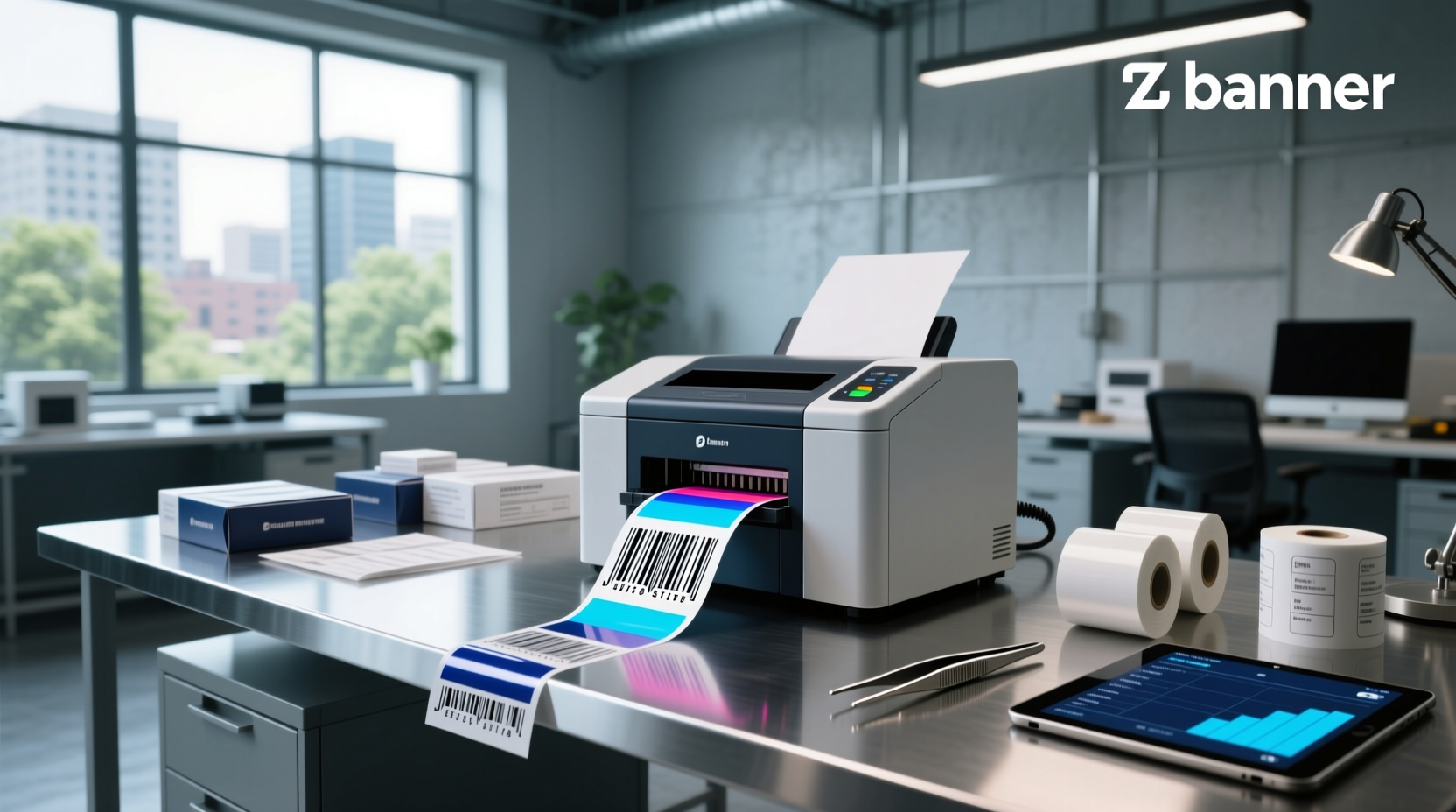
The barcode stick printer market has undergone significant transformation in 2026, driven by regulatory compliance, supply chain modernization, and evolving retail requirements. Small e-commerce operations, warehouse managers, and product labelers should prioritize thermal barcode stick printers supporting 2D barcodes at 300 dpi or higher with USB connectivity and linerless label compatibility. GS1's Sunrise 2027 deadline has made 2D-readiness—including Data Matrix and QR codes—mandatory for new purchases, accelerating adoption across the industry. RFID integration remains unnecessary unless explicitly required by major retailers like Walmart or Target. Barcode stick printers are compact, direct-thermal or thermal-transfer devices designed for on-demand label production, distinguishing them from consumer label makers through production-grade reliability. Two primary technical paths dominate: direct thermal technology, ideal for short-term indoor use and rapid deployment, and thermal-transfer technology, preferred for outdoor-exposed labels requiring durability beyond two years. Users printing over 500 labels daily should avoid printers under $70, while those requiring more than 200 labels per minute should consider industrial alternatives. This category specifically targets portable devices under 3 kilograms with single-roll loading and plug-and-play functionality, making them essential infrastructure for modern retail and logistics operations.
Share on