Natural Polysaccharide-Based Microneedles for Drug
www.mdpi.com
Oct. 24, 2026, 7:02 a.m.
# Professional Summary
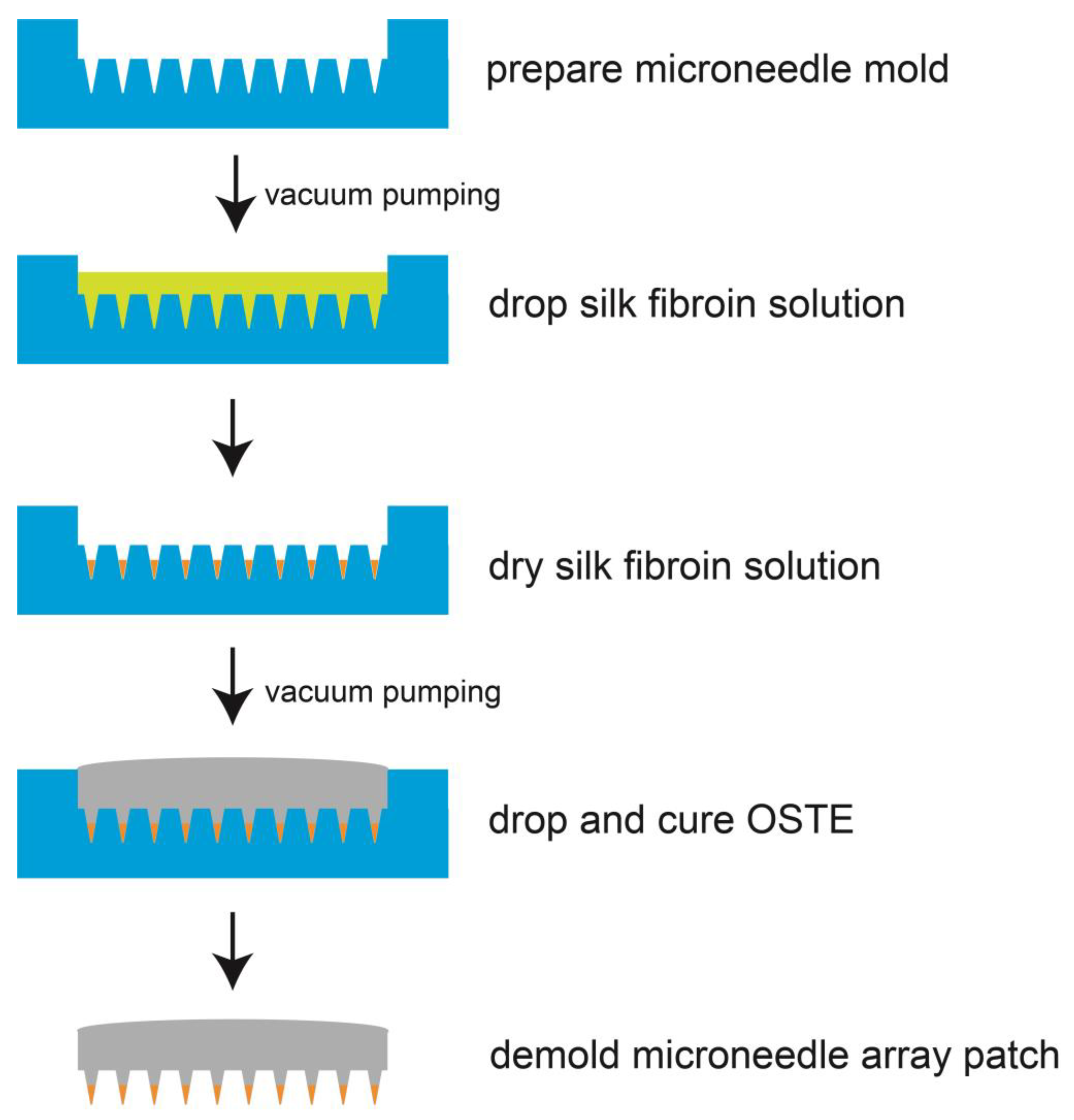
Researchers have developed innovative microneedles constructed from natural polysaccharides as a novel drug delivery platform. This technology addresses significant limitations of conventional injection methods by utilizing biocompatible, biodegradable polysaccharide-based materials to create micro-scale needle structures. The polysaccharide microneedles offer several advantages over synthetic alternatives, including enhanced biocompatibility, reduced immunogenicity, and sustainable sourcing from renewable materials. These microneedles can penetrate the skin barrier to deliver pharmaceutical agents directly into target tissues, enabling improved therapeutic efficacy while minimizing systemic exposure. The approach demonstrates particular promise for vaccine delivery, protein therapeutics, and pain management applications where transdermal administration is beneficial. By leveraging natural polymer chemistry, this technology represents a significant advancement in minimally invasive drug delivery systems, potentially transforming patient compliance and treatment outcomes across multiple therapeutic areas while maintaining environmental sustainability and safety profiles superior to conventional microneedle devices.
Share on
Dissolving Polymeric Microneedles for Enhanced
www.ijmpsjournal.com
Oct. 24, 2026, 7:02 a.m.
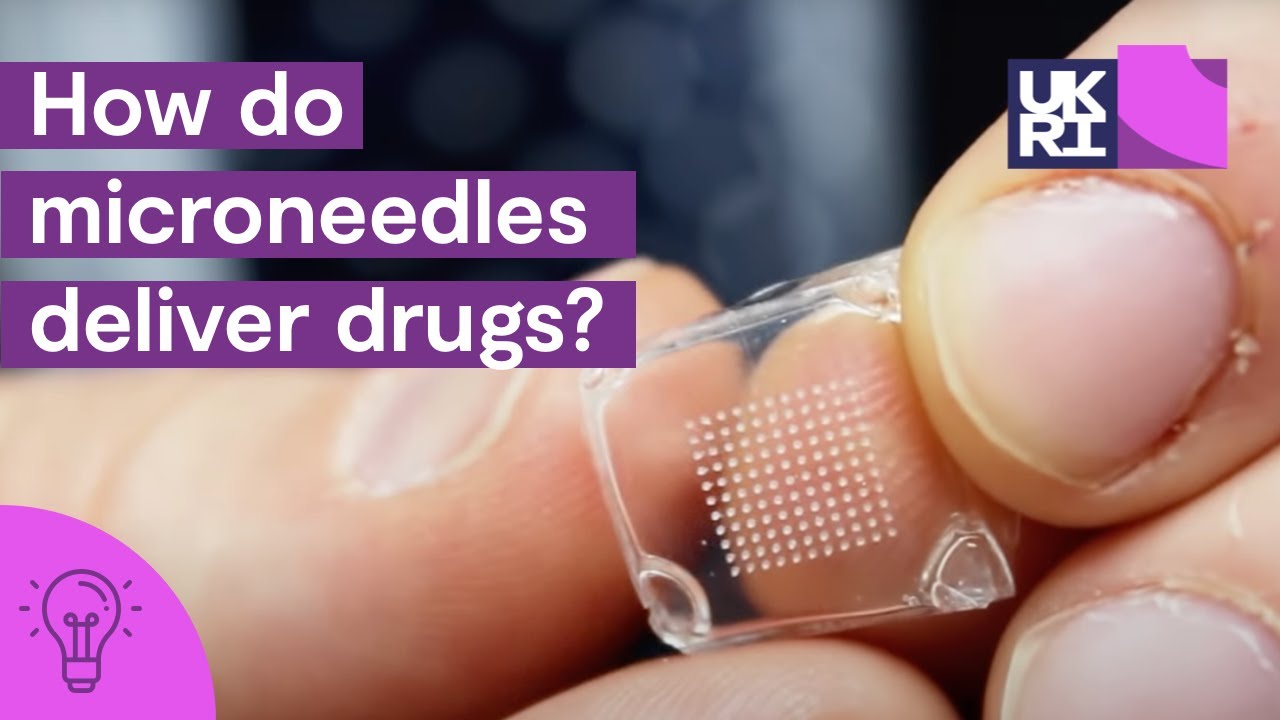
Researchers have developed mathematical models and mechanical analyses to optimize dissolving polymeric microneedles for reliable transdermal drug delivery. The study examines how microneedles withstand insertion forces without buckling or deforming, using Euler's column buckling formula and Smith's analytical model tailored for tapered geometries including conical and pyramidal structures. Critical findings reveal that sharp microneedle tips under 10 micrometers penetrate human stratum corneum requiring insertion forces between 0.02 and 0.20 newtons per needle. The Safety Factor—defined as the ratio of critical buckling load to skin insertion force—must exceed 2.0 to ensure successful penetration. High-aspect-ratio conical carboxymethyl cellulose needles showed inadequate critical buckling loads below 0.10 newtons, whereas obelisk-shaped hyaluronic acid and polyvinylpyrrolidone-K90 dissolving microneedles achieved Safety Factors of 7.5 to 15.0, guaranteeing 100 percent skin insertion success. This research matters because optimized microneedle design enhances transdermal delivery efficiency, reducing treatment failures and improving patient compliance for needle-based pharmaceutical applications.
Share on
Polysaccharide-Based Biomaterials: Chemical Design and Advanced Dressings for Diabetic Chronic Wound Repair
www.dovepress.com
Oct. 24, 2026, 7:02 a.m.
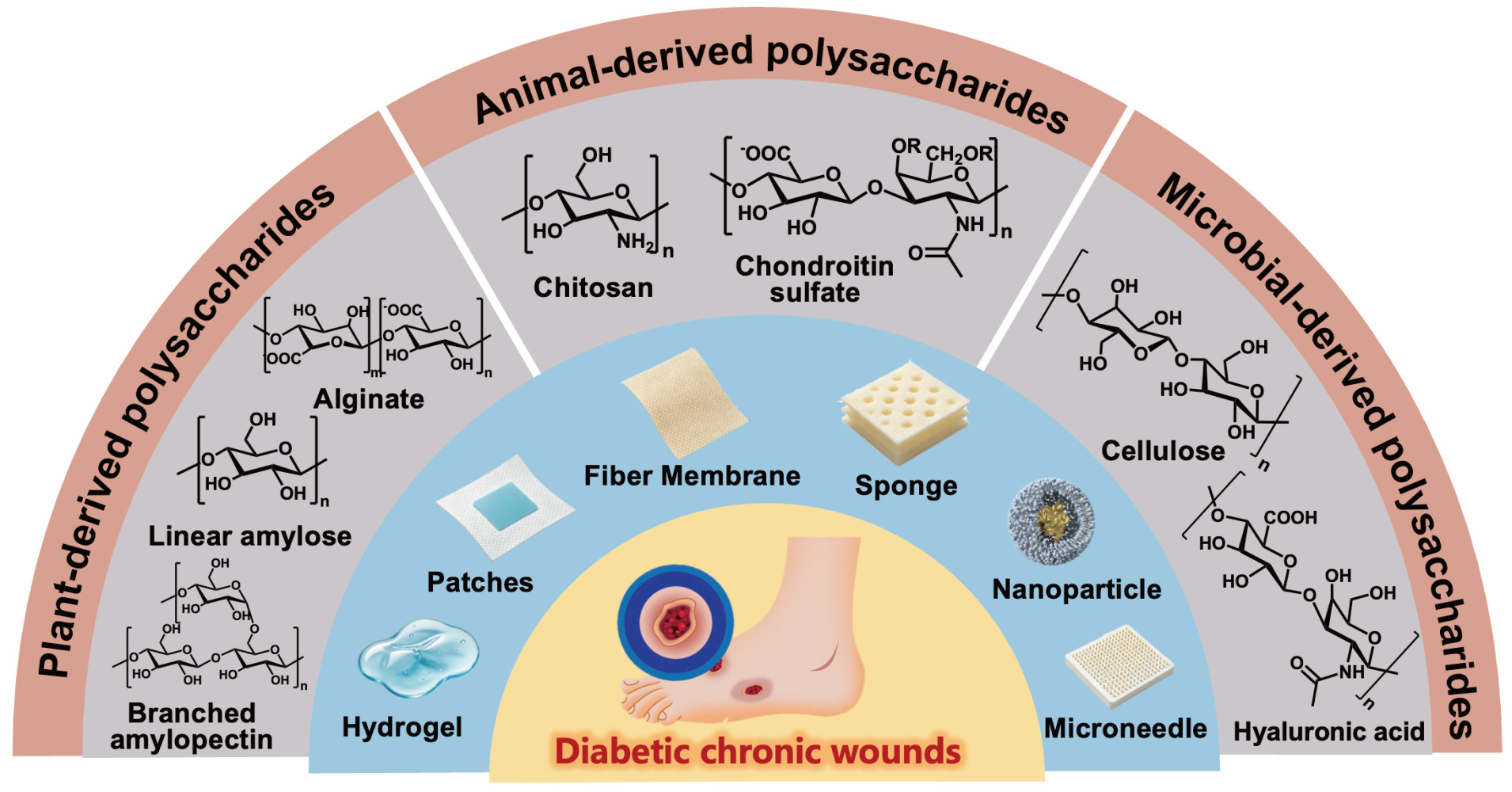
Diabetic foot ulcers represent a significant global health challenge, characterized by hyperglycemic environments, persistent inflammation, oxidative stress, impaired angiogenesis, and recurrent infections that collectively impede healing and increase amputation risk. This review, published in the International Journal of General Medicine by researchers from Qingdao Municipal Hospital and affiliated institutions in China, examines polysaccharide-based biomaterials as promising solutions for wound repair. Natural polysaccharides offer biocompatibility, biodegradability, and low immunogenicity while providing multiple therapeutic functions including antibacterial, antioxidant, anti-inflammatory, pro-angiogenic, and immunomodulatory effects through macrophage polarization regulation. When incorporated into wound dressings, polysaccharide-derived formulations absorb exudate, maintain moist microenvironments, neutralize reactive oxygen species, suppress pathogens and biofilms, and promote angiogenesis and re-epithelialization to accelerate wound closure. Despite their therapeutic potential, clinical translation remains constrained by unclear structure-activity relationships, batch-to-batch inconsistencies, undefined molecular mechanisms, and scalable manufacturing limitations. This comprehensive review addresses these challenges by analyzing polysaccharide classifications and their applications in diabetic wound management, providing critical insights for advancing these biomaterials toward clinical implementation.
Share on
Encapsulation-integrated microneedle platforms for alopecia treatment: a review of controlled drug delivery, immunomodulation, and hair follicle regeneration
www.frontiersin.org
Oct. 24, 2026, 7:01 a.m.
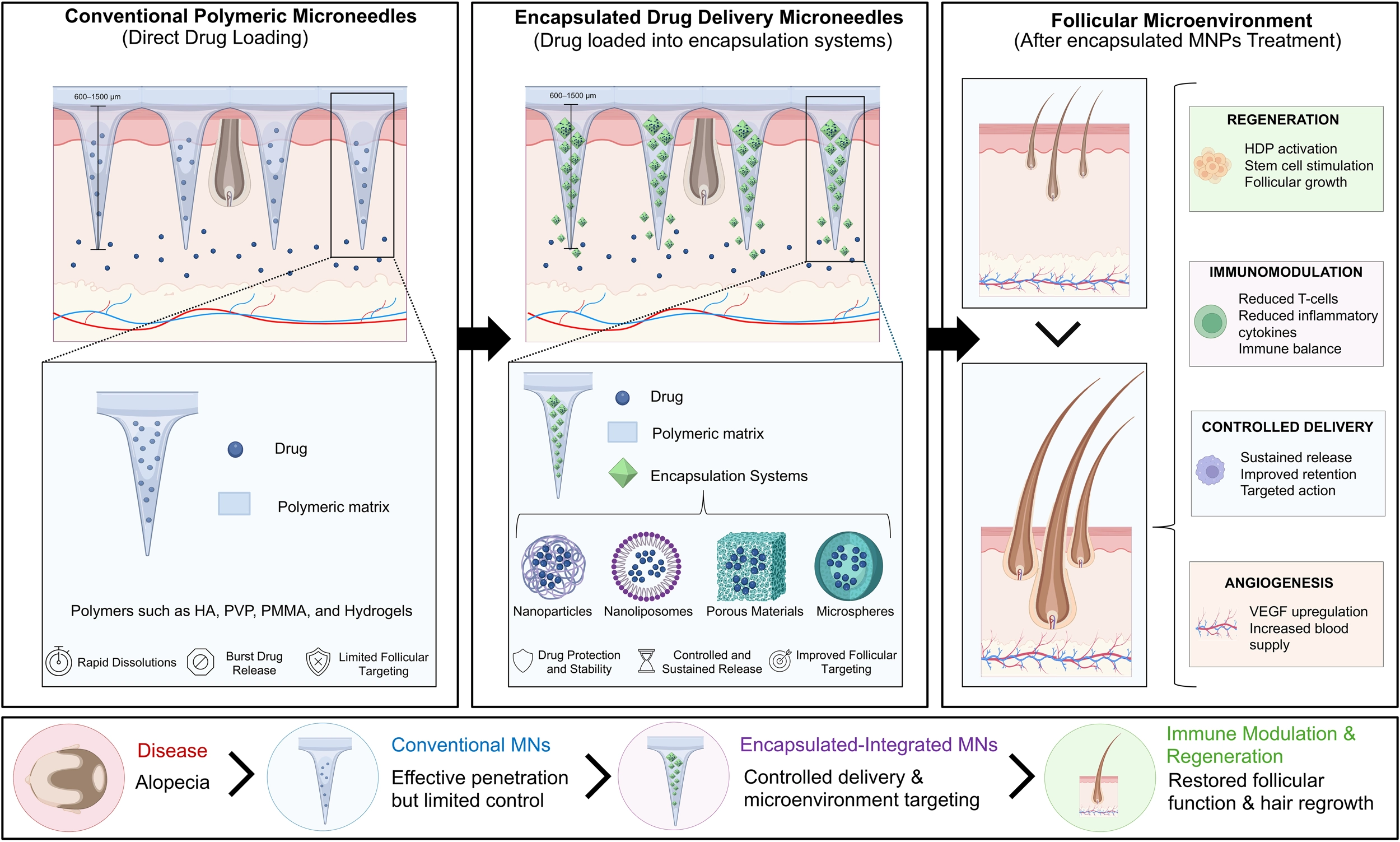
Alopecia, a multifactorial disorder causing progressive hair loss and follicular dysfunction, currently relies on conventional treatments with limited efficacy due to poor skin penetration and systemic side effects. Microneedle-based platforms represent an emerging minimally invasive solution capable of enhancing transdermal delivery directly to the follicular microenvironment. This review examines the design integration of microneedles with advanced encapsulation strategies, emphasizing their potential for immunomodulation and tissue regeneration in alopecia treatment. Recent technological advances incorporating nanoparticles, nanoliposomes, porous materials, microsphere-integrated microneedles, and light-guiding systems have significantly expanded conventional polymeric microneedles' capabilities beyond passive drug delivery. These platforms improve drug stability, regulate release kinetics, enhance follicular targeting, and actively modulate biological processes associated with alopecia pathogenesis. Reported therapeutic benefits include suppression of inflammatory signaling, regulation of immune-cell infiltration, stimulation of angiogenesis, reduction of oxidative stress, activation of follicular stem-cell populations, and promotion of the telogen-to-anagen transition. These encapsulation-integrated microneedle systems position themselves as a promising next-generation therapeutic platform offering sustained, controlled, and localized therapeutic exposure within the hair follicle niche.
Crossing The Uncrossable: Skin Biology For The Delivery Of Peptide And Protein Therapeutics
www.drugdeliveryleader.com
Oct. 24, 2026, 7:01 a.m.
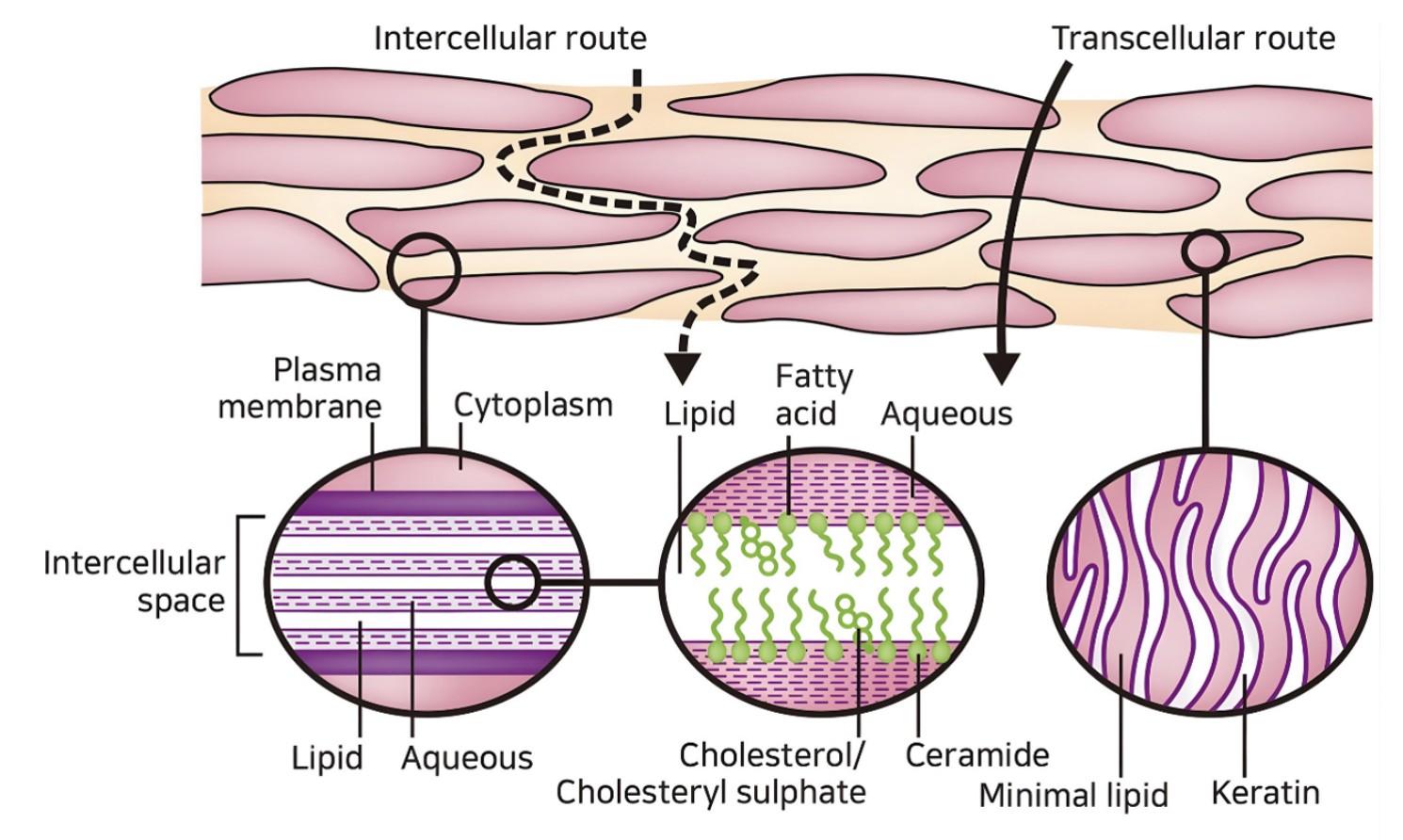
Human skin, covering 1.5 to 2.0 m² and representing 15–16% of body weight, represents the most accessible yet challenging gateway for non-invasive drug delivery. Since scopolamine's market approval as a transdermal patch in 1979, the pharmacokinetic advantages have remained compelling: bypassing hepatic first-pass metabolism, maintaining steady plasma concentrations, and avoiding gastrointestinal degradation. Peptides and proteins, now exceeding one-tenth of the global pharmaceutical market, stand to benefit considerably, yet their physicochemical properties—ranging from 500 Da to beyond 150 kDa, hydrophilic, charged at physiological pH, and susceptible to proteolysis—fundamentally oppose the small, lipophilic, uncharged molecules that passive permeation favors. The stratum corneum's layered architecture, composed of anucleated corneocytes embedded in a specialized lipid matrix of ceramides, cholesterol, and fatty acids in orthorhombic crystalline packing, creates formidable barriers. The tortuous diffusion pathway extends effective distances to 450–500 μm despite tissue thickness of merely 10–20 μm, amplifying permeability challenges. Understanding these biological constraints is critical for developing next-generation transdermal therapeutics for macromolecular drugs.
Development and Optimization of Dissolvable Polymeric Microneedle Patch for Transdermal Delivery of Lawsone
brieflands.com
Oct. 17, 2026, 7:02 a.m.
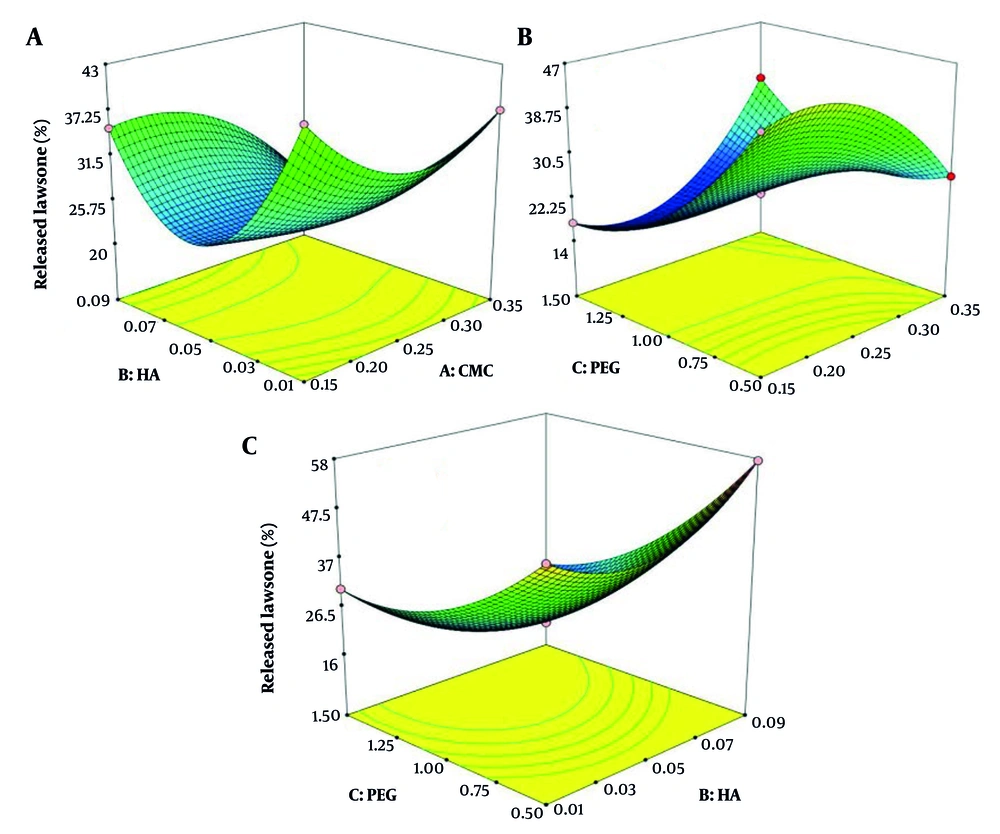
Researchers have developed and optimized dissolvable polymeric microneedles (PMNs) as a novel transdermal drug delivery system to overcome limitations of oral medication, including first-pass metabolism. The study focused on hyaluronic acid-carboxymethylcellulose (HA-CMC) microneedles loaded with lawsone, a bioactive compound from Lawsonia inermis with documented antioxidant, anti-inflammatory, antimicrobial, and antitumor properties. Using the Box-Behnken design approach, researchers optimized concentrations of carboxymethylcellulose, hyaluronic acid, and polyethylene glycol 400 to enhance drug release. The formulation was fabricated via micromolding and characterized through scanning electron microscopy and various mechanical assessments. The optimized patches demonstrated cumulative drug release of 59.63% within 90 minutes following Higuchi release kinetics, uniform morphology, a failure force of 0.48 N, and full skin penetration of 375 micrometers with reversible transepidermal water loss changes. This biocompatible HA-CMC platform provides a promising foundation for painless, controlled transdermal delivery of lawsone for anti-inflammatory and antitumor applications, though further in vivo validation is required.
Share on
Hydrogel Microneedles for Perioperative Applications: Drug Delivery, Biosensing, and Theranostic Translation
www.dovepress.com
Oct. 17, 2026, 7:02 a.m.
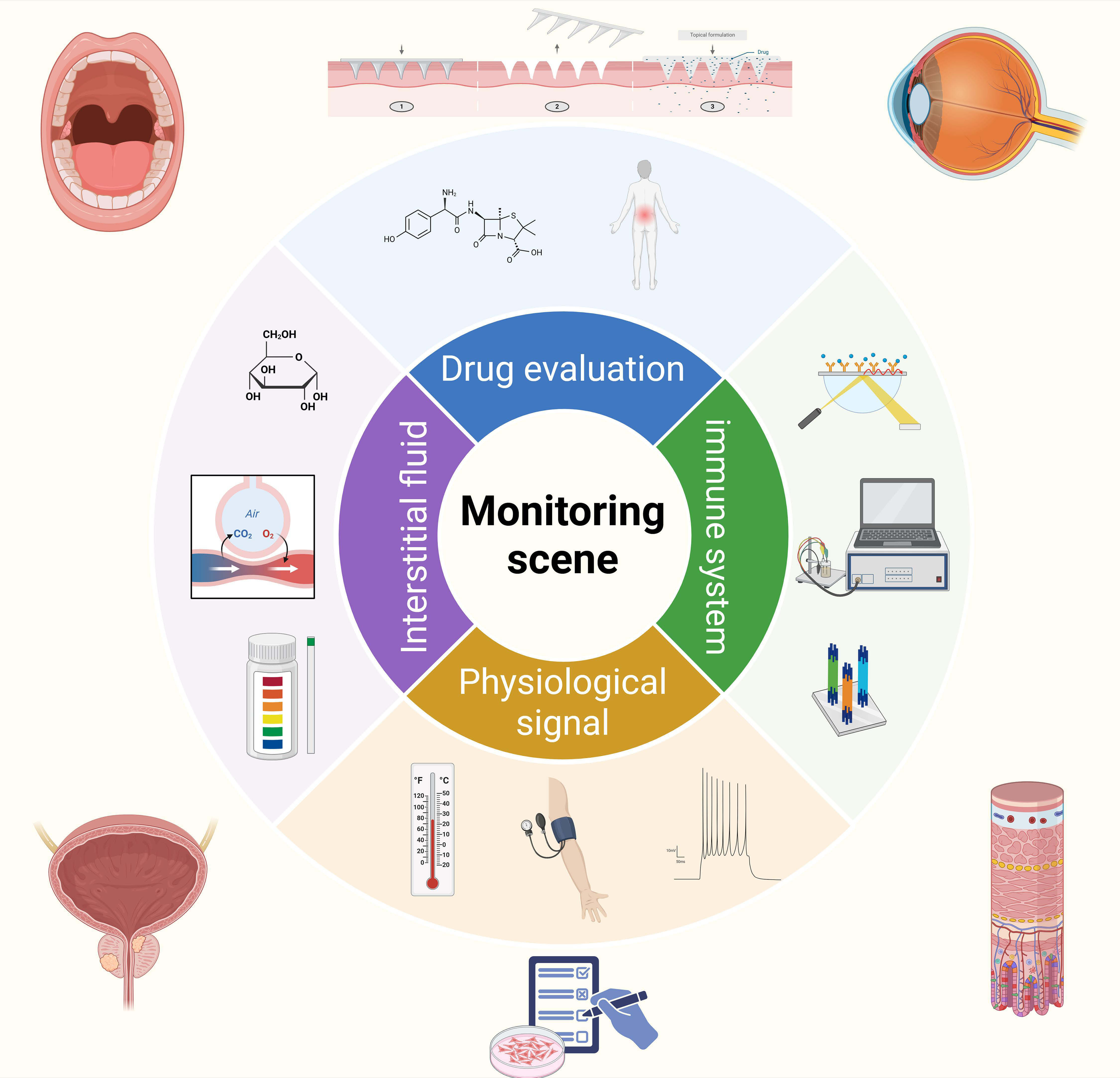
Hydrogel microneedles represent an emerging technology for transdermal drug delivery and interstitial fluid sampling with potential perioperative applications. This narrative review examines how material design influences delivered drug doses, measurement accuracy, and clinical feasibility in surgical settings. While human sampling studies have demonstrated feasibility for specific measurements, most therapeutic applications and integrated sensing functions remain largely at the preclinical stage. The review critically distinguishes findings from non-surgical contexts, emphasizing challenges unique to the operating room environment, including reliable insertion and adhesion on disinfected or compromised skin, correlations between interstitial and plasma measurements, and drug exposure when delivery is interrupted. The authors recommend focusing initial clinical studies on short-duration superficial procedures and wound-adjacent monitoring while maintaining standard perioperative care. They highlight that clinical translation requires comprehensive product validation encompassing sterilization protocols, batch consistency, shelf life stability, and safeguards against uncontrolled drug release. The review stresses that autonomous anesthetic administration, while a development goal, requires rigorous safety validation that cannot rely solely on separate demonstrations of sensing and drug release capabilities. Systematic reporting of failed applications and adverse events alongside patient outcomes is essential for advancing this technology toward clinical implementation.
Share on
Soluble Microneedle Patches for Protein Vaccines-Based Drug Delivery System
www.cd-bioparticles.net
Oct. 17, 2026, 7:01 a.m.
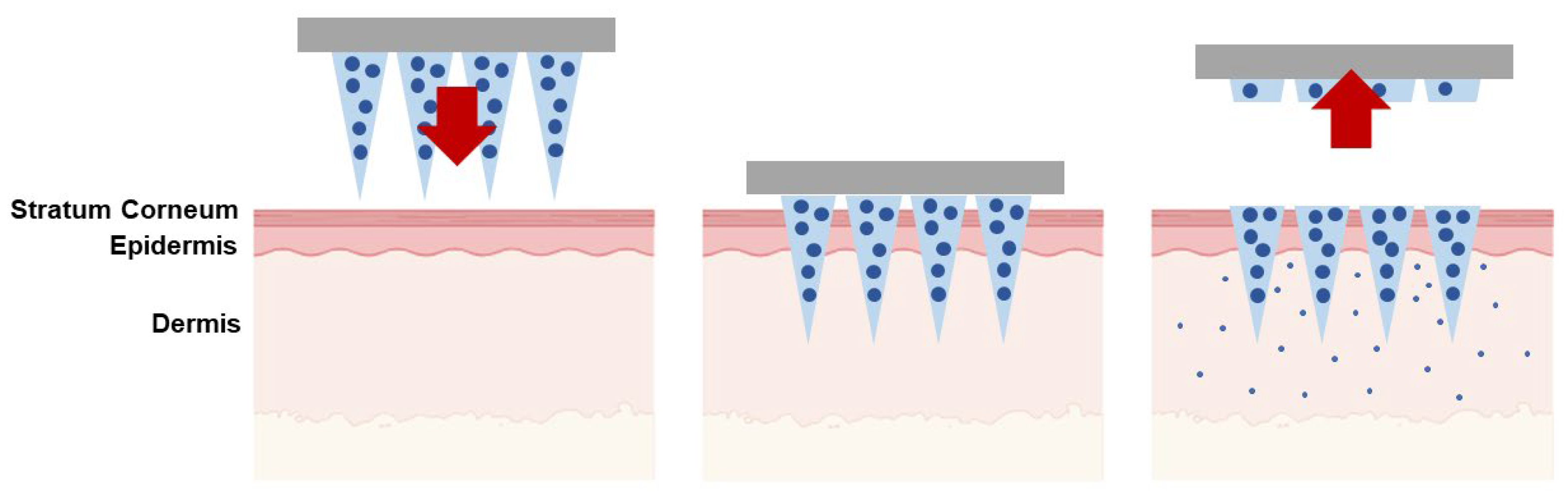
Protein-based vaccines offer safety and specificity but traditional intramuscular injection underutilizes the skin's abundant immune cells, limiting effectiveness while requiring trained personnel and reducing patient compliance. CD Bioparticles has developed soluble microneedle patches for transdermal protein vaccine delivery, leveraging intradermal immune-targeting strategies to address these limitations. The company's representative system successfully delivered an H7N9 influenza vaccine through microneedle dissolution with humoral immune responses comparable to intramuscular injection, and in vivo challenge studies demonstrated effective viral protection in mice. CD Bioparticles provides comprehensive customization services, including optimization of microneedle specifications such as length, tip morphology, density, and mechanical strength using soluble and biodegradable polymer systems. The company offers protein encapsulation and stabilization solutions tailored to different antigens, alongside in vitro release testing, insertion force analysis, dissolution performance studies, and in vivo immunogenicity and safety evaluations. This approach represents a significant advancement for next-generation vaccine development, offering safer, more convenient, and efficient skin-based immunization suitable for mass vaccination campaigns.
Share on
Modulating microneedles’ array design and application force for personalizing skin permeation using design of experiments
www.sciencedirect.com
Oct. 9, 2026, 1:33 p.m.
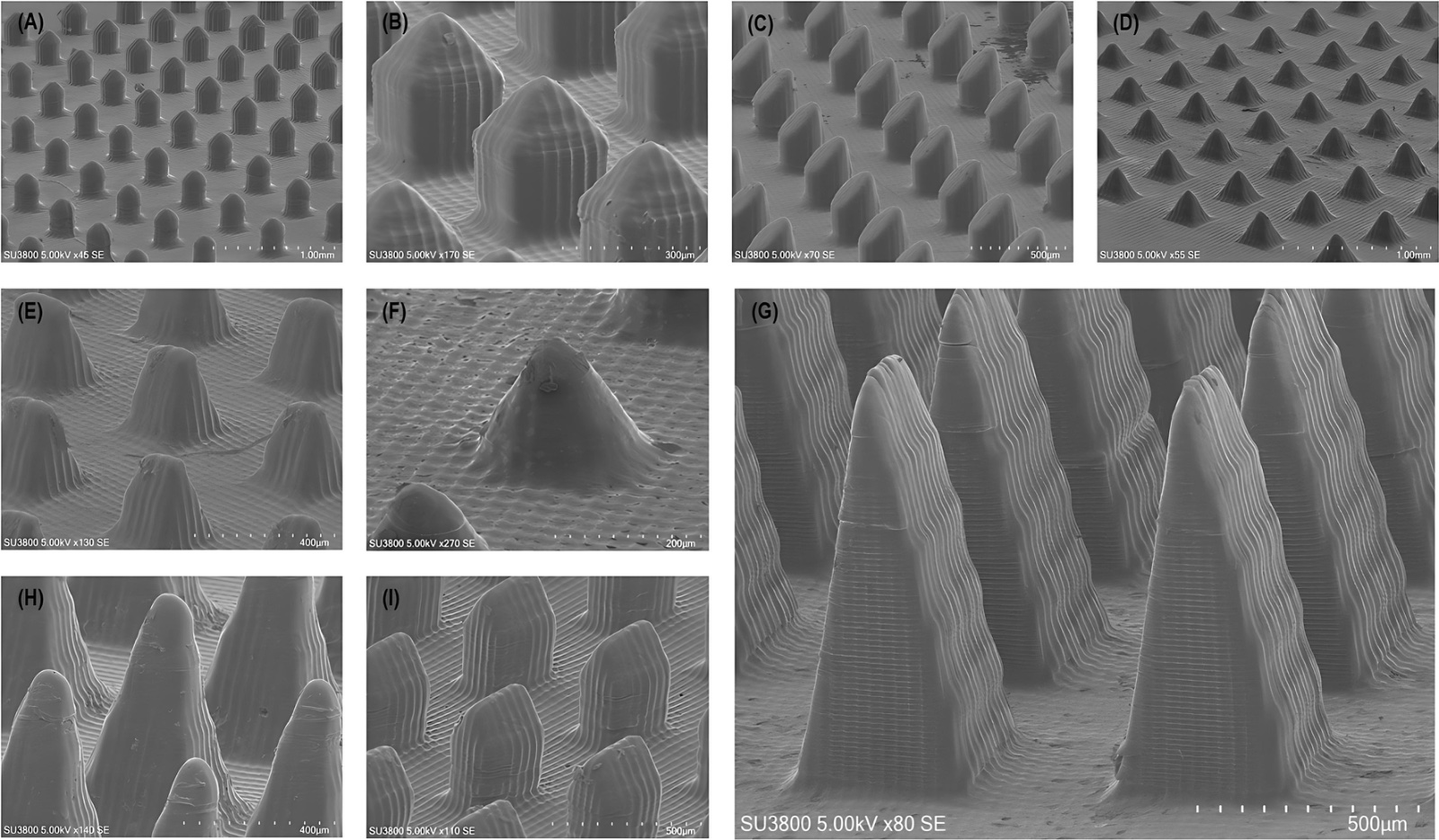
Microneedle array performance can be systemically tuned through the precise control of their structural design and application parameters, this supporting a personalized control delivery. Distinct differences between the examined geometries were identified across the permeation profiles of the shapes, with conical, beveled-tip, triangular, and square-pyramid geometries exhibiting comparable results, which were increased in relation to those of the higher-volume morphologies, as well as the hexagonal and angled-edge pyramid designs. With regards to the mapping of the design space of the microneedle dimensional characteristics and the application force, a statistically significant impact was identified for height, interspacing distance, and insertion force. Base width, although not directly considered a significant parameter, contributes to drug permeation through its combination with the other factors.
Share on
Dermal tattoos in biomedicine: Emerging platforms for sensing and therapy
pmc.ncbi.nlm.nih.gov
Oct. 9, 2026, 1:30 p.m.
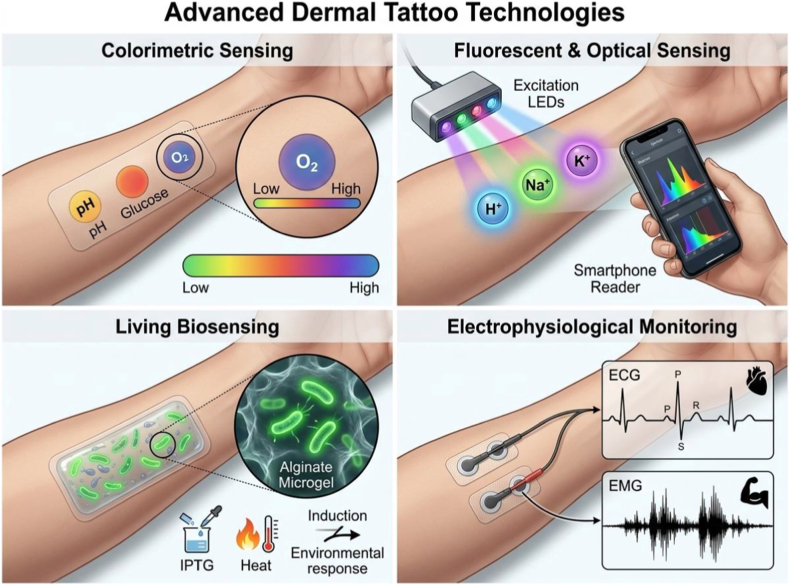
Dermal tattoos represent an emerging class of skin-integrated biomedical platforms that transcend traditional body decoration to enable functional sensing, monitoring, and therapeutic applications. Unlike conventional wearable systems and epidermal electronics, dermal tattoos are positioned within the dermis layer, providing direct access to interstitial fluid while maintaining stable tissue integration and protection from surface contamination. The field encompasses diverse sensing modalities including colorimetric, fluorescent, photoresponsive, living, and electrophysiological systems capable of monitoring biomarkers, electrolytes, ultraviolet exposure, and physiological electrical signals. Recent developments have expanded dermal tattoo applications into therapeutics, including self-powered bioelectronic systems for wound healing and transient bioresorbable therapeutic interfaces. This comprehensive review examines recent advances in dermal tattoo technology, detailing materials, fabrication methods, and readout strategies while comparing these systems to conventional, wearable, and epidermal alternatives. However, significant challenges remain for clinical translation, including limited in vivo validation, absence of standardized benchmarking protocols, and insufficient long-term safety data. Most platforms currently remain at proof-of-concept stages, necessitating further development to realize their full potential in personalized healthcare and point-of-care diagnostics.
Share on
From Blood to Brain to Skin: Continuous Multi-Biofluid Monitoring with Microfluidic and Microneedle Biosensors
engineering.nyu.edu
Oct. 9, 2026, 9:30 a.m.
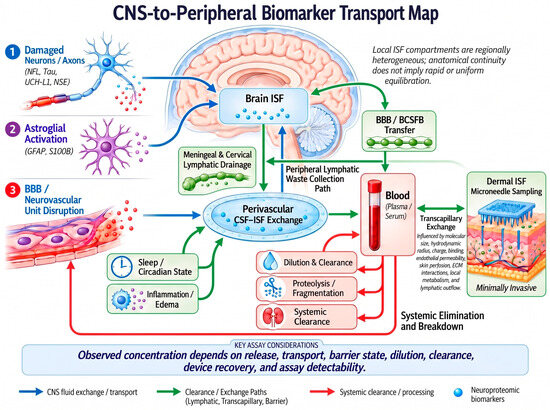
Mahla Poudineh, Associate Professor at NYU's Department of Chemical and Biomolecular Engineering, presented an innovative suite of technologies designed to enable continuous, real-time monitoring of biomarkers across multiple body fluids. The research addresses a critical clinical need: most relevant biomarkers fluctuate rapidly within complex biofluids such as whole blood, cerebrospinal fluid, and interstitial fluid, requiring highly sensitive and specific detection methods. Poudineh's platforms combine wearable polymeric microneedle sensing patches with microfluidic biosensors to achieve minimally invasive monitoring in both clinical and outpatient settings. The microneedles integrate electrochemical biosensors for tracking small molecules, metabolites, and protein biomarkers, validated in animal models and human trials. Her team also developed complementary ex vivo technologies utilizing affinity probes with fiber-optic fluorescence readout and electrochemical biosensing. These platforms have successfully tracked insulin, glucagon, and C-peptide dynamics in diabetes progression, monitored infection indicators in neuro-ICU patients, and assessed donor lung status for transplantation. This integrated approach provides clinically actionable biochemical insights in real-time, advancing personalized medicine and treatment optimization.
Enhanced Skin Permeation of Anti- wrinkle Peptides via
vivantechnologies.com
Oct. 9, 2026, 9:29 a.m.
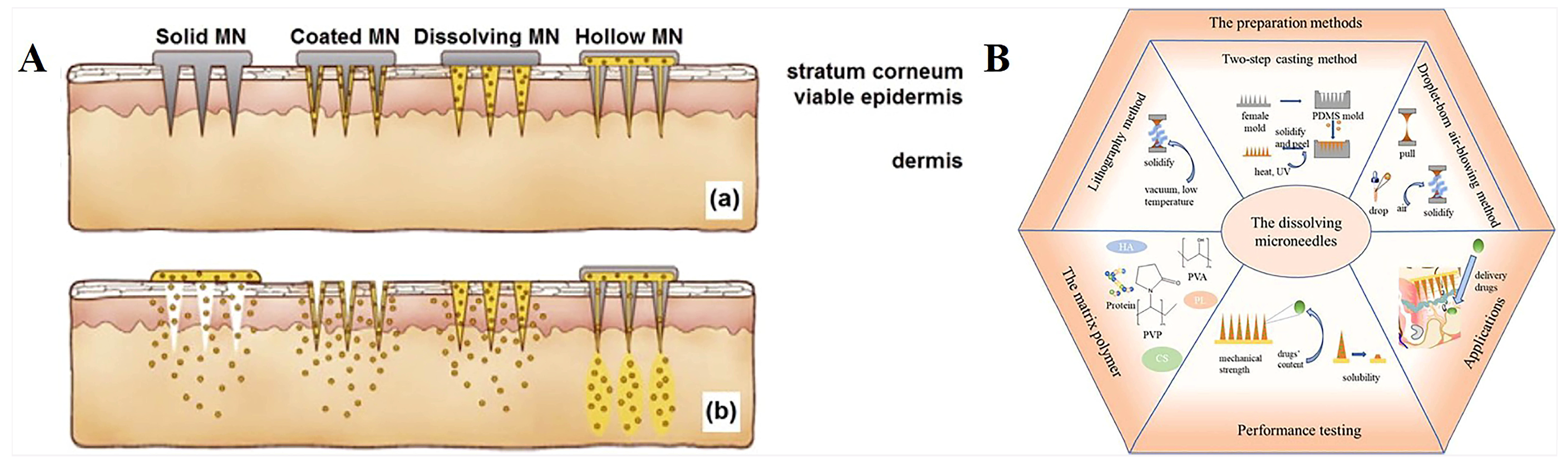
This research article addresses a significant challenge in cosmetic dermatology: the poor skin permeation of anti-wrinkle peptides, which limits their topical efficacy despite their proven biological activity. The study investigates enhanced delivery strategies to overcome the skin barrier's natural resistance to peptide absorption. Researchers employed advanced formulation techniques and delivery systems to improve peptide penetration through the stratum corneum and into viable skin layers. The work likely involves comparative analysis of permeation enhancement methods such as chemical penetration enhancers, nanoparticle carriers, or specialized lipid-based systems. Key findings presumably demonstrate significantly increased skin penetration rates and bioavailability of anti-wrinkle peptides, with quantified improvements in transdermal delivery efficiency. This advancement matters substantially for the cosmeceutical and skincare industry, as enhanced peptide delivery could dramatically improve the efficacy of topical anti-aging products, potentially enabling more effective wrinkle reduction and skin rejuvenation treatments without invasive procedures, thereby expanding therapeutic options for consumers seeking non-invasive anti-aging solutions.
Share on
Dissolving hyaluronic acid microparticles improve skin barrier function, hydration, and elasticity in a randomized split-face clinical trial - Scientific Reports
www.nature.com
Oct. 9, 2026, 9:29 a.m.
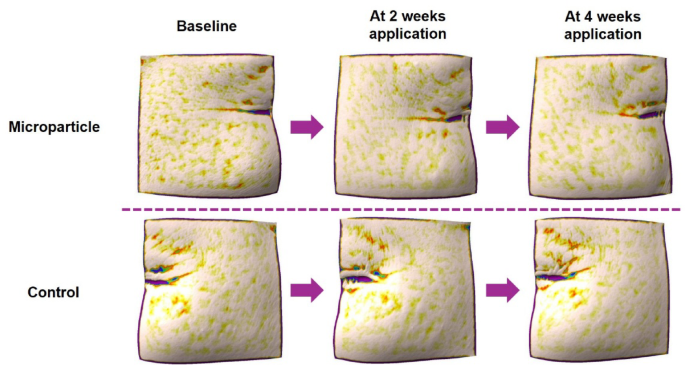
Researchers conducted a randomized split-face clinical trial to evaluate the efficacy of dissolving hyaluronic acid microparticles for improving skin health. The study, published in Scientific Reports, examined how these microparticles enhance skin barrier function, hydration, and elasticity. Participants received treatment with the hyaluronic acid microparticles on one side of their face while the other side served as a control. The findings demonstrated significant improvements in treated areas across multiple parameters. Hyaluronic acid microparticles represent a novel delivery mechanism for this well-established skin hydrating agent, potentially offering advantages over traditional formulations through controlled dissolution and targeted penetration. The results indicate these microparticles effectively strengthen the skin barrier, increase moisture retention, and restore skin elasticity. This innovation has implications for dermatological applications and cosmetic skincare products, suggesting a promising approach for addressing common skin conditions related to dehydration and barrier dysfunction. The rigorous clinical trial design provides robust evidence supporting the therapeutic potential of this formulation.
Share on
Enhancing transdermal drug delivery with dissolving microneedles: A review of optimization strategies and challenges - Pharma Excipients
www.pharmaexcipients.com
Oct. 9, 2026, 9:09 a.m.
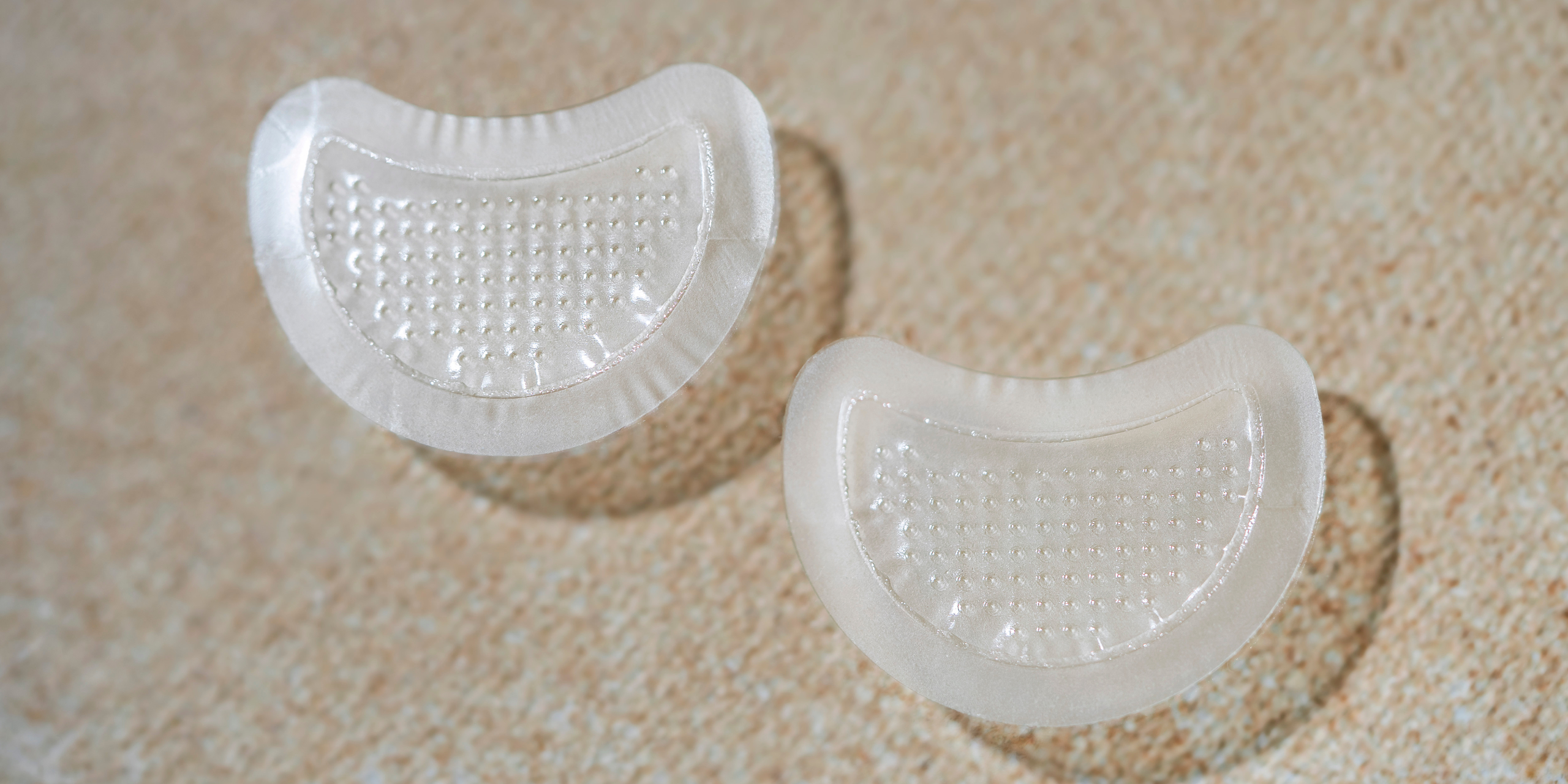
Microneedles represent an innovative transdermal drug delivery technology utilizing micron-sized needle structures to penetrate the stratum corneum, offering significant advantages over traditional injections and oral administration by reducing pain and improving bioavailability. Dissolving microneedles have emerged as a particularly promising variant within this field, distinguished by their dissolvability, user-friendly operation, and absence of sharp biohazardous waste. These characteristics have positioned dissolving microneedles as a preferred pharmaceutical approach for enhancing transdermal drug absorption. However, conventional dissolving microneedles face limitations in delivering poorly soluble drugs, which typically require higher transdermal absorption enhancement factors than existing technology can provide. This comprehensive review examines dissolving microneedles in relation to alternative microneedle types, proposes optimization strategies to overcome current technological constraints, identifies remaining challenges in the field, and delineates future research directions. By addressing the stratum corneum's barrier function that typically restricts transdermal drug absorption efficiency, dissolving microneedles offer a pathway to circumvent hepatic first-pass metabolism and improve patient compliance, making this technology particularly valuable for pharmaceutical development.
Share on
Tailored construction and functional applications of conductive hydrogels for bioelectronic interfaces - Discover Nano
link.springer.com
Oct. 9, 2026, 9:08 a.m.
# Summary
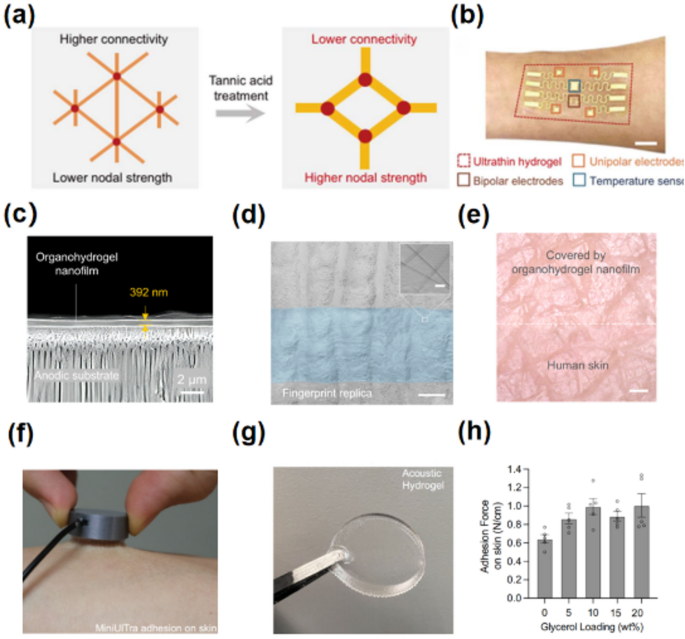
This open-access review examines the design and development of conductive hydrogels specifically engineered for bioelectronic interface applications. Published in October 2026 in a peer-reviewed journal focused on nanotechnology, the article synthesizes current research on tailored construction methods for creating these advanced materials that combine hydrogel properties with electrical conductivity. The review comprehensively covers the functional applications of conductive hydrogels at the intersection of biology and electronics, addressing how these materials can bridge biological systems with electronic devices. By exploring the systematic fabrication approaches and customization strategies used to optimize these hydrogels' properties, the article provides insights into their potential in biomedical devices, biosensors, and tissue engineering applications. The work represents an important contribution to understanding how conductive hydrogels can be engineered to achieve specific performance requirements for next-generation bioelectronic systems, making it valuable for researchers and professionals working in bioelectronics, materials science, and medical device development.
Share on
Needle-free injection systems in drug delivery: a review of current technologies and clinical applications - IP Int J Compr Adv Pharmacol
ijcap.in
Oct. 9, 2026, 9:08 a.m.
# Professional Summary
This comprehensive review examines needle-free injection systems as an innovative approach to pharmaceutical drug delivery. The article systematically analyzes the technological mechanisms underlying these systems, which eliminate traditional needle-based administration while maintaining therapeutic efficacy. The review synthesizes clinical evidence demonstrating the effectiveness of needle-free technologies across various applications, highlighting their practical advantages including improved patient compliance, reduced needle-stick injuries, and enhanced safety profiles—particularly valuable in healthcare settings and for patients with needle phobia.
The analysis addresses both the benefits and inherent limitations of these systems, including cost considerations, device calibration challenges, and patient acceptance variables. The review emphasizes the significant public health implications of widespread needle-free adoption, particularly for vaccination programs and chronic disease management in developing regions where needle safety remains a critical concern. By evaluating current evidence and identifying future research directions, this review establishes needle-free injection technology as a promising frontier in pharmaceutical delivery with substantial potential to improve global healthcare outcomes and operational efficiency across clinical and community settings.
Share on
Development of a melt-cast microneedle patch for sustained drug release of islatravir - Pharma Excipients
www.pharmaexcipients.com
Oct. 9, 2026, 9:08 a.m.
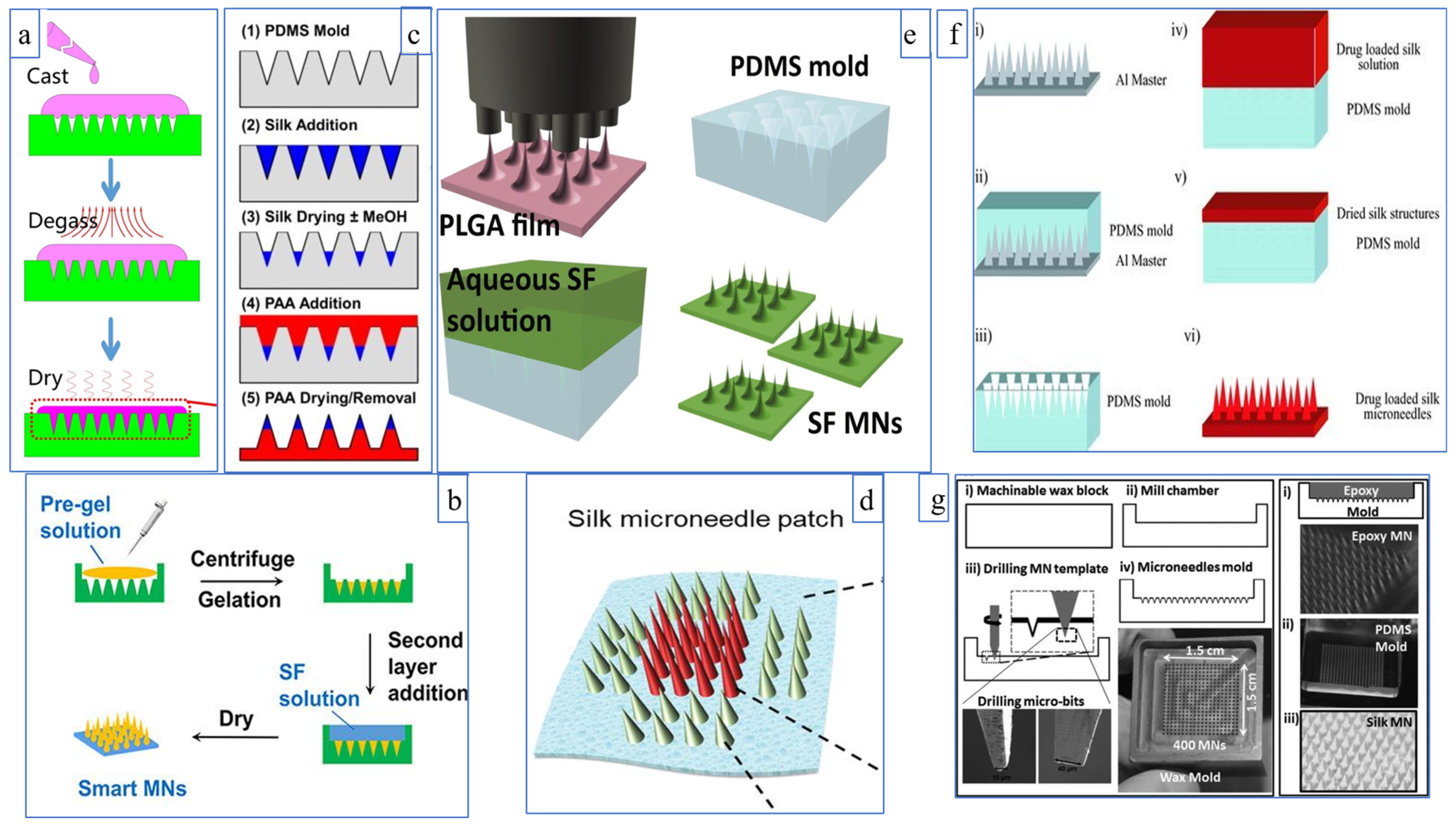
Poor adherence to daily oral medications represents a critical challenge in managing chronic therapies including HIV treatment, pre-exposure prophylaxis (PrEP), and contraception. While long-acting injectables improve compliance, they typically require professional administration. Researchers developed a microneedle patch (MNP) enabling patient self-administration of sustained-release islatravir for HIV treatment and PrEP, or levonorgestrel for contraception. The patches were manufactured using a melt-casting technique at 65°C to create biodegradable polycaprolactone microneedles, leveraging the polymer's low melting point and the drugs' high thermal stability. Centrifugation during fabrication enhanced microneedle adhesion to the patch backing, improving demolding and skin insertion reliability. In vitro studies demonstrated sustained islatravir release following first-order kinetics over approximately 40 days. This simple, scalable melt-casting approach offers significant potential for enabling prolonged drug delivery across multiple therapeutic applications while improving patient compliance through convenient self-administration.
Share on
New formulation helps RNA vaccines withstand high temperatures | MIT News
news.mit.edu
Oct. 9, 2026, 9:07 a.m.
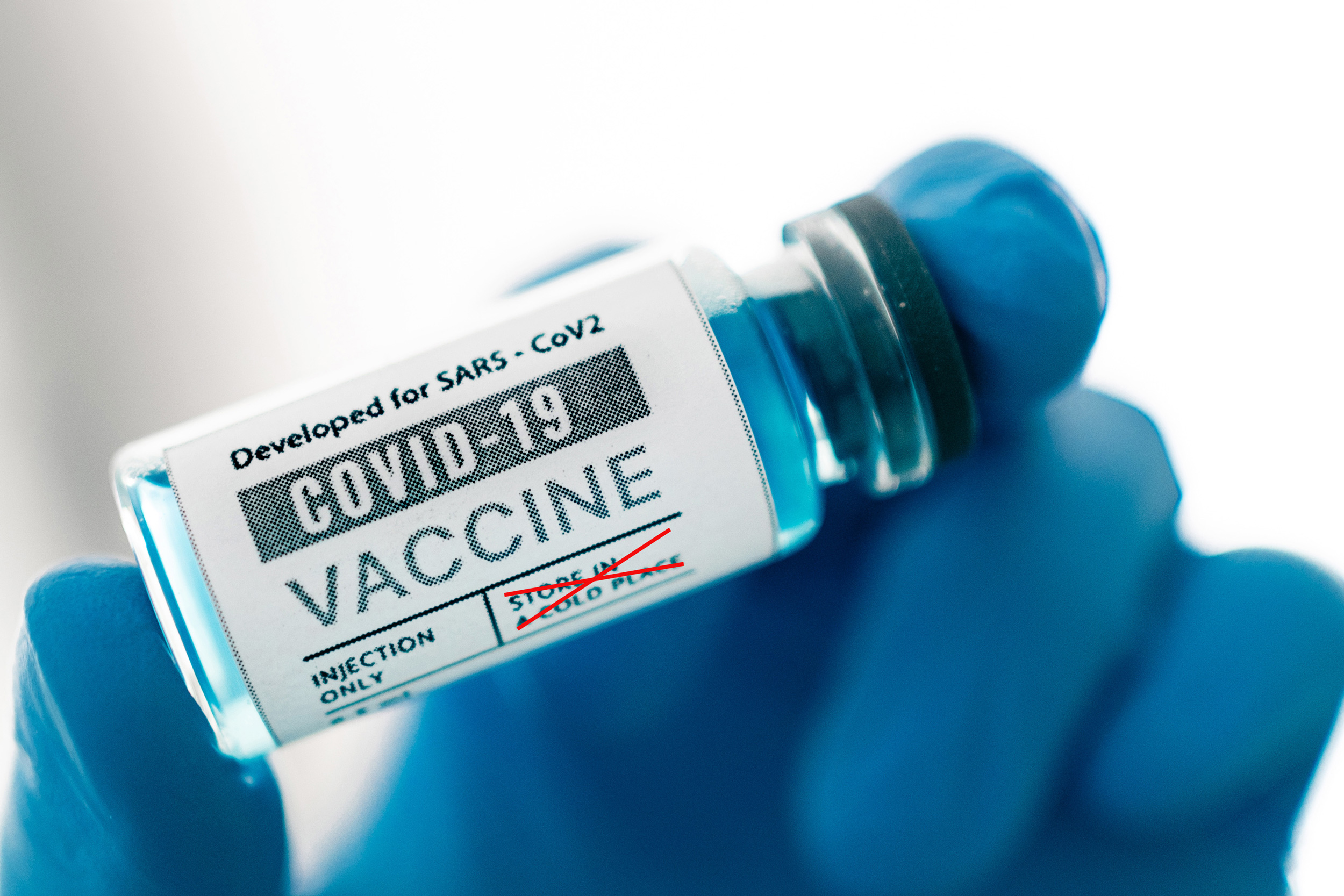
MIT researchers have developed a heat-stable formulation for RNA vaccines that addresses a critical distribution challenge. Using artificial intelligence algorithms to optimize lipid nanoparticle compositions, the team created vaccines capable of remaining stable at room temperature for up to one year or at approximately 100 degrees Fahrenheit for two months, eliminating the need for ultracold storage requirements of current formulations. When tested in mice, Covid-19 vaccines using this new formulation generated immune responses comparable to Moderna's vaccine. The AI approach significantly accelerated development by reducing the number of required experiments, enabling researchers to identify optimal formulations using only small datasets. Led by Ana Jaklenec and Robert Langer at MIT's Koch Institute for Integrative Cancer Research, with graduate student Jinbi Tian and postdoc Khanh Tran as lead authors, the findings were published in Nature Biotechnology. This innovation is particularly significant as RNA vaccines expand into cancer treatments and other applications, as improved heat stability would dramatically enhance global vaccine distribution capabilities to regions lacking cold-chain infrastructure.
Share on
Wearable microneedle patch could improve drug monitoring
discovery.kaust.edu.sa
Oct. 8, 2026, 12:31 p.m.
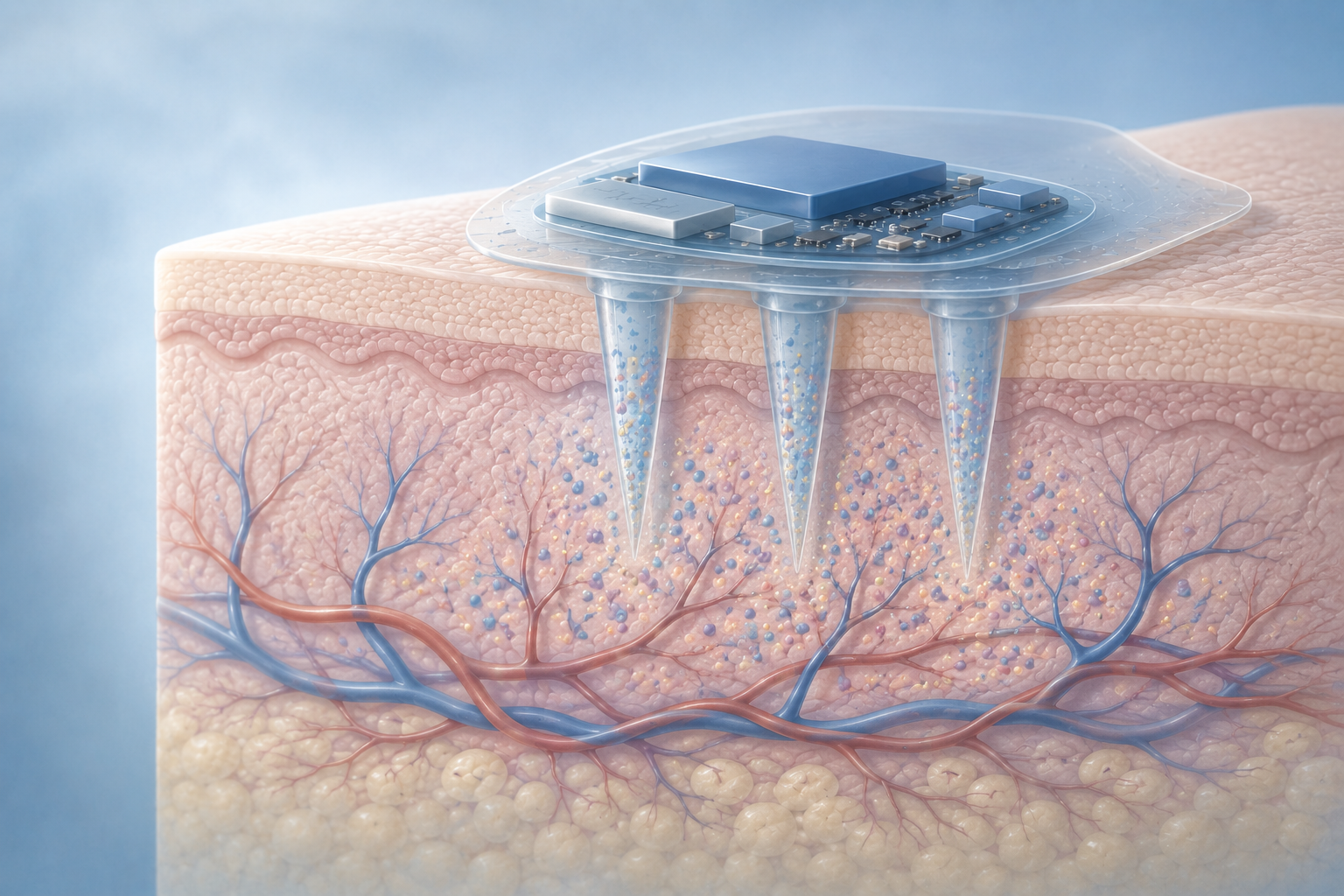
Researchers at KAUST have developed an innovative wearable microneedle patch that continuously monitors drug levels in interstitial fluid beneath the skin, addressing limitations of traditional blood sampling methods. The device, initially designed to track vancomycin antibiotic levels, utilizes DNA aptamers that selectively bind target molecules to provide real-time drug concentration data. This advancement enables more personalized medication dosing, particularly for drugs with narrow therapeutic windows where small concentration variations can significantly impact patient outcomes. By accessing dermal interstitial fluid—which closely mirrors bloodstream drug concentrations—the patch eliminates lengthy laboratory wait times and provides dynamic monitoring rather than static snapshots, potentially transforming precision medicine across multiple therapeutic applications.
Share on
Endotrain PhD kick off and Eurosensor meeting 2026
www4.uib.no
Oct. 3, 2026, 7:03 a.m.
EndoTrain, a research initiative, will hold its inaugural PhD program kick-off meeting alongside the Eurosensors 2026 conference in Zurich from September 5-11, 2026. The event represents a significant milestone for the organization, bringing together newly recruited PhD students and their principal investigators for the first time in an official capacity. The primary conference sessions will occur September 9-11 at ETH Hönggerberg and ETH Rämistrasse locations, with proceedings moderated by Eystein Husebye and chaired by Felix Beuschlein. Prior to the in-person gathering, EndoTrain has prepared comprehensive reading materials to enable PhD students to familiarize themselves with relevant research before attending the sessions. This coordinated approach of combining a major international sensors conference with the program's inaugural meeting demonstrates EndoTrain's commitment to integrating emerging researchers into the broader scientific community while establishing foundational knowledge across the new cohort.
Share on