
COVID-19 clinical trials at UCSF
clinicaltrials.ucsf.edu
Sept. 4, 2026, 6:35 p.m.
UCSF is conducting multiple COVID-19 clinical trials in the San Francisco Bay Area to address Long COVID and develop improved vaccines. The trials include testing Anktiva, a therapeutic candidate for Long COVID safety and tolerability in patients ages 18-70, and baricitinib, a JAK inhibitor being evaluated against placebo to improve neurocognitive function, physical function, quality of life, post-exertional malaise, and inflammation markers in Long COVID patients. Advanced imaging studies utilize [18F]F-AraG PET-CT imaging to investigate immune activation and vascular changes in post-acute sequelae of SARS-CoV-2 infection, enrolling up to 80 participants over 48 months. These imaging studies aim to characterize tissue-level immune dysregulation and correlate findings with blood biomarkers and symptom patterns to support future clinical assessment tools. Additionally, UCSF is testing two investigational COVID-19 booster vaccines—CoTend-s3BXBB and CoTend-BXBB—in healthy volunteers ages 40-64. The CoTend-s3BXBB variant includes an "s3" component designed to enhance immune response. These trials represent comprehensive efforts to understand Long COVID pathophysiology and develop effective therapeutic and preventive interventions for COVID-related conditions.
Share on

Frontiers | Sex and age are associated with host immune responses and multi-organ dysfunction in hospitalized patients with COVID-19
www.frontiersin.org
Sept. 4, 2026, 6:35 p.m.
This retrospective cohort study examined 395 hospitalized COVID-19 patients admitted between December 2022 and March 2023 to investigate how sex and age influence disease severity and immune responses. Researchers from Xi'an's Ninth Hospital analyzed 45 biomarkers related to multi-organ injury and immune function using statistical methods including the Mann-Whitney U test and multivariable logistic regression with Benjamini-Hochberg false discovery rate correction. The findings revealed that 76% of severe cases occurred in male patients, while those aged 75 years or older represented 79% of severe cases. After false discovery rate correction, 37 of 45 biomarkers differed significantly by severity, with males demonstrating elevated inflammatory, coagulation, cardiac, hepatic, and renal injury markers alongside lower lymphocyte counts and nutritional reserves. Older male patients exhibited the most pronounced inflammatory responses and multi-organ dysfunction. Multivariable analysis confirmed male sex increased severe COVID-19 risk 1.9-fold, while age 75 years or older increased risk 5.2-fold. These findings underscore that biological sex and advanced age are independent risk factors for severe COVID-19, likely mediated through multi-organ dysfunction and immunosuppression following SARS-CoV-2 infection, with important implications for risk stratification and targeted therapeutic interventions.
Share on

Women Exhibit Greater Neurologic Symptom Burden After Long COVID - Neurology Advisor
www.neurologyadvisor.com
Sept. 4, 2026, 6:35 p.m.
A study published in Annals of Clinical and Translational Neurology reveals that women with neurologic manifestations of long COVID experience greater symptom burden and more severe fatigue than men. Researchers conducted a cross-sectional analysis at a specialized Neuro-COVID-19 clinic from May 2020 to August 2025, enrolling 2,329 patients with laboratory-confirmed SARS-CoV-2 infection and persistent neurologic symptoms lasting more than three months post-illness. Participants underwent standardized neurologic assessments, completed PROMIS questionnaires, and received NIH Toolbox cognitive testing. Among the cohort, women represented 56.3 percent of posthospitalization cases and 66.3 percent of nonhospitalized cases. Women demonstrated consistently higher neurologic symptom burden, with 79.6 percent reporting at least four symptoms compared to 64.9 percent of men in hospitalized cases, and 76.1 percent versus 64.6 percent in nonhospitalized cases. Women more frequently reported numbness, tingling, dizziness, headache, body pain, and fatigue. These findings underscore the need for sex-specific biomarker research and personalized therapeutic interventions for long COVID neurologic manifestations.
Share on

ME/CFS: Here’s what’s changed in current best practice - Healthed
www.healthed.com.au
Sept. 4, 2026, 6:35 p.m.
Myalgic encephalomyelitis/chronic fatigue syndrome (ME/CFS) and long COVID represent multi-system illnesses characterized by functional decline and post-exertional malaise (PEM), yet diagnosis remains challenging without a single confirmatory test. Current best practice relies on identifying clinical patterns across immune, autonomic, metabolic, and neurological systems, including symptoms such as orthostatic intolerance, brain fog, and persistent flu-like symptoms. Approximately 80% of long COVID patients meet ME/CFS criteria, suggesting overlapping pathophysiology and comparable management approaches. Early clinical recognition prevents years of deterioration. While normal laboratory results and imaging help exclude alternative diagnoses, they do not confirm normal function, contributing to an average diagnostic delay of 10 years according to support organization Emerge Australia. Understanding ME/CFS and long COVID as legitimate clinical conditions diagnosed through symptom pattern recognition, rather than biomarkers alone, represents significant progress in clinical practice and patient outcomes.
Share on
When do infections lead to long COVID? Scientists close in on triggers and treatments for post-viral syndromes
www.nature.com
Sept. 4, 2026, 6:34 p.m.
Amy Proal's personal struggle with ME/CFS following a 2004 infection inspired her to investigate post-infection chronic illnesses, leading to the co-founding of PolyBio research foundation in 2018. The emergence of long COVID—affecting an estimated 400 million people globally with approximately $1 trillion in annual economic costs—has catalyzed unprecedented research attention into post-acute infection syndromes. Major government initiatives, including the US allocation of $1.15 billion and Germany's €500 million funding commitment, reflect growing recognition of these conditions' societal impact. However, researchers argue funding remains inadequate relative to the burden. The scientific community is intensifying efforts to elucidate fundamental biological mechanisms underlying these syndromes and identify reliable disease markers—currently lacking and representing a critical bottleneck for therapeutic development. Despite advances in understanding how acute infections trigger chronic illness, definitive answers remain elusive. The field appears to be converging on explanations through multidisciplinary investigation, though experts acknowledge substantial work remains to translate emerging insights into clinical treatments and diagnostic tools for patients worldwide.
Share on
Safety and antiviral activity of inhaled siRNA SNS812 for treatment of mild-to-moderate COVID-19: a phase 2 randomized trial - Journal of Biomedical Science
link.springer.com
Aug. 15, 2026, 7:31 a.m.
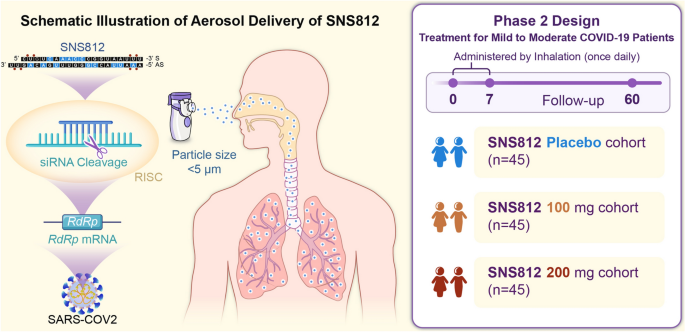
Researchers conducted a phase 2 randomized trial evaluating SNS812, an inhaled small interfering RNA therapeutic, for treating mild-to-moderate COVID-19. The study, published in the Journal of Biomedical Science in August 2026, assessed both the safety profile and antiviral efficacy of this novel siRNA-based approach. SNS812 operates by targeting viral RNA sequences, potentially inhibiting SARS-CoV-2 replication at the respiratory tract site of infection. The trial represents a significant advancement in repurposing RNA interference technology for acute respiratory viral infections, moving beyond traditional antiviral medications. Results demonstrated that inhaled SNS812 was well-tolerated with manageable safety outcomes while showing measurable antiviral activity in trial participants. This research underscores the therapeutic potential of localized siRNA delivery to the lungs, offering a promising alternative treatment strategy for COVID-19 patients with mild-to-moderate disease. The findings may inform future development of inhaled nucleic acid therapies for respiratory viral infections and expand treatment options in the antiviral pharmacological landscape.
Share on

Rebuilding Public Trust Through Strategic Vaccine Communication: Lessons from Recent Global Health Emergencies and a Framework for Future Pandemic Preparedness - Epidemiology and Health Data Insights
www.journalehdi.com
Aug. 15, 2026, 7:30 a.m.
Effective vaccine communication has emerged as a critical challenge in global health emergency preparedness, with recent outbreaks including Ebola, COVID-19, and mpox revealing that vaccine availability alone cannot ensure high uptake when communication falters and public trust in health institutions weakens. This narrative review, published in Epidemiology and Health Data Insights by researchers across institutions in the United States, Nigeria, and Ghana, synthesizes evidence on vaccine communication determinants and effectiveness. The study identifies five interconnected pillars for successful vaccine communication: institutional transparency, evidence-based messaging, trusted community partnerships, digital information monitoring, and continuous communication adaptation. The authors highlight persistent obstacles including reactive communication approaches, political polarization, unequal access to reliable information, and the escalating threat of artificial intelligence-driven misinformation. The research underscores that scientific advances in vaccine development must be matched by comparable progress in public engagement strategies. Key research gaps include reliance on cross-sectional studies, underrepresentation of low- and middle-income countries in the evidence base, and inadequate assessment of long-term trust-building interventions, indicating urgent need for comprehensive pandemic preparedness frameworks.
Share on
Northwestern Medicine study finds women experience more severe neurological symptoms of long COVID than men
news.nm.org
Aug. 15, 2026, 7:30 a.m.
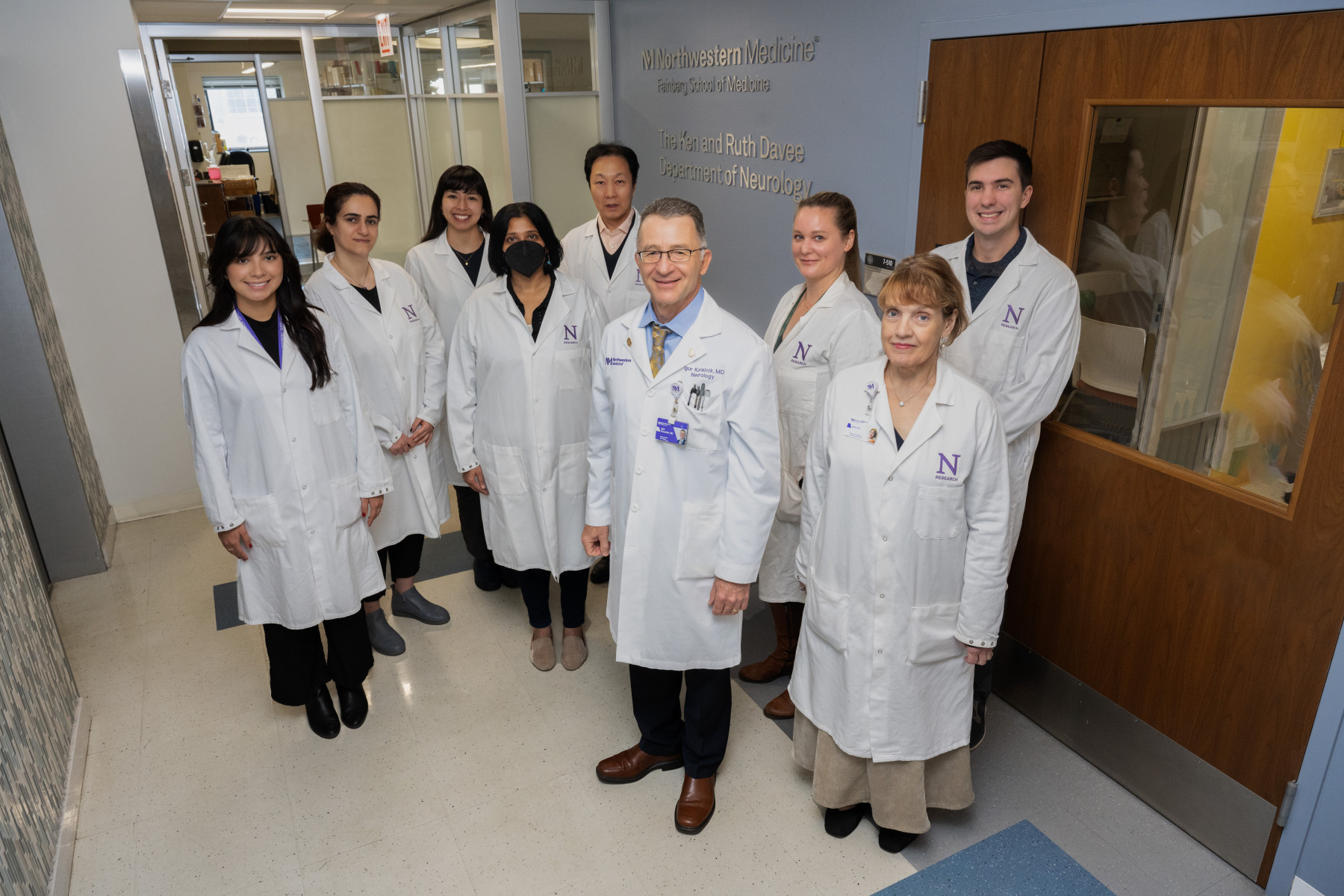
Northwestern Medicine researchers have published findings in the Annals of Clinical and Translational Neurology demonstrating that women with long COVID experience significantly more severe neurological symptoms than men. The study, led by Dr. Igor Koralnik, chief of neuroinfectious disease and global neurology at Northwestern Medicine, revealed that women report higher frequencies of neurologic symptoms, worse quality of life impacts, and greater cognitive impairment, particularly in attention tasks and self-reported fatigue levels. The researchers hypothesize that women's increased vulnerability stems from long COVID's autoimmune disease characteristics, as women are inherently more susceptible to autoimmune conditions like multiple sclerosis and rheumatoid arthritis. Evidence of immune dysregulation and autoimmunity has been identified in long COVID patients. The Northwestern Neuro COVID-19 Clinic has treated over 3,300 patients across 44 states. With approximately 18 percent of U.S. adults having experienced long COVID according to the National Center for Health Statistics, and five percent currently affected as of September 2024, these findings underscore the importance of timely diagnosis and targeted interventions, particularly addressing gender bias in medical care for affected women.
Share on

Frontiers | Fragile mitophagy in long COVID: a proposed recovery-failure endotype for post-exertional malaise
www.frontiersin.org
Aug. 15, 2026, 7:30 a.m.
This paper proposes fragile mitophagy as a novel mechanism underlying post-exertional malaise in a subset of long COVID patients. Fragile mitophagy describes a condition where mitochondrial injury and autophagy are initiated but lysosomes fail to adequately complete the degradation process, allowing mitochondrial debris and danger signals to accumulate and perpetuate oxidative stress, immune activation, and endothelial dysfunction following physical exertion. The model explains characteristic long COVID features including delayed symptom crashes, progressive baseline deterioration with repeated activity, and poor tolerance of interventions increasing mitochondrial turnover. While existing patient-derived studies demonstrate mitochondrial and metabolic abnormalities in long COVID, definitive evidence of impaired mitophagy flux or lysosomal dysfunction remains absent. The author discusses hydroxychloroquine and chloroquine as pharmacologic analogies and identifies trehalose, genistein, curcumin, and the curcumin analog C1 as experimental probes for exploring autophagy-lysosome pathways, not established treatments. The central prediction is that post-exertional malaise severity will correlate more strongly with impaired lysosomal completion and abnormal mitophagy flux than with ATP deficiency alone. This framework integrates long COVID's heterogeneous mechanisms while highlighting mitochondrial involvement in fatigue and exercise intolerance across varying tissue types and disease stages.
Share on
ME/CFS Sources & References: 107 Citations
knowmecfs.org
Aug. 15, 2026, 7:29 a.m.
This document serves as a comprehensive reference guide for myalgic encephalomyelitis/chronic fatigue syndrome (ME/CFS), compiled with rigorous transparency and grounded in peer-reviewed research. The 107 citations draw from authoritative sources including the CDC, NIH, Institute of Medicine, and established clinical literature, with disclosed conflicts of interest. Key data points establish ME/CFS as a serious global health concern affecting 17–24 million people worldwide, with approximately 72 percent having post-infectious onset. Recent studies document the overlap between long COVID and ME/CFS, ranging from 4.5 to 58 percent depending on patient populations and variants examined. The guide references diagnostic criteria established by the 2015 Institute of Medicine report and incorporates emerging research on disease pathophysiology, symptom assessment scales, and comparative analyses demonstrating that ME/CFS-related impairment exceeds that of other chronic diseases measured by the SF-36 quality-of-life instrument. Referenced institutions include the NIH RECOVER initiative and NINDS, reflecting heightened institutional focus on understanding this debilitating condition and advancing clinical recognition and treatment approaches.
Share on
COVID-19 in babies and children - Mayo Clinic
www.mayoclinic.org
Aug. 8, 2026, 7:26 a.m.
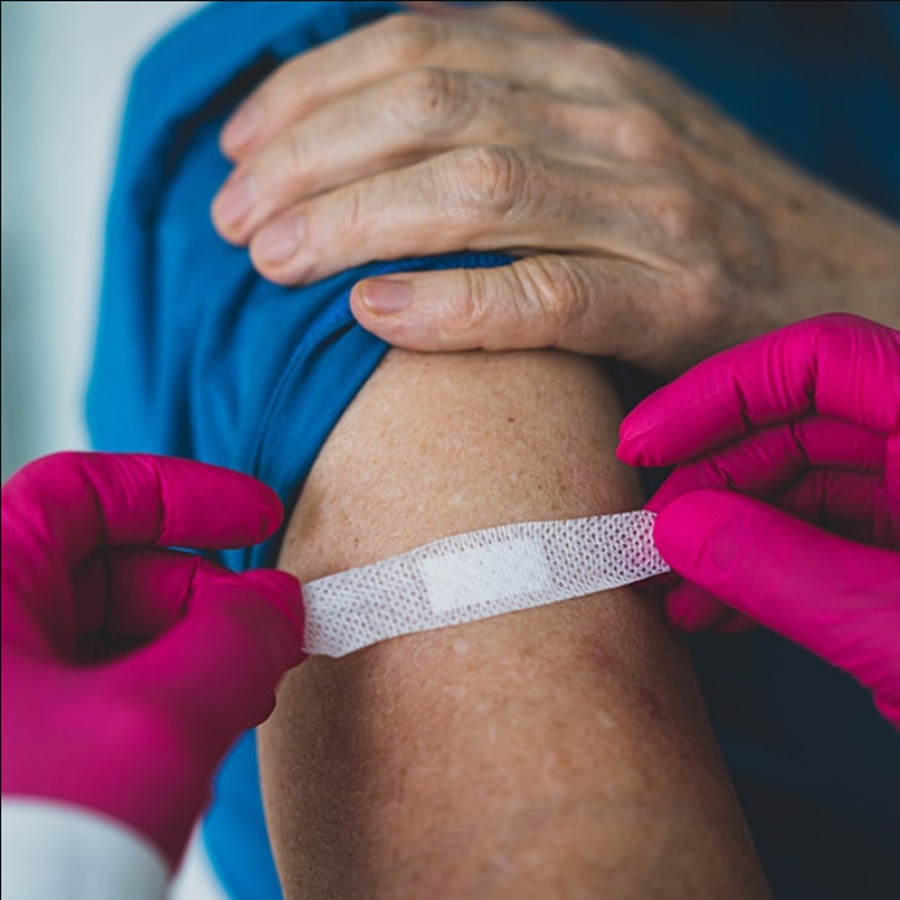
COVID-19 affects children of all ages, though pediatric cases typically present with milder illness than adults experience. While most infected children recover without serious complications, some require hospitalization, intensive care, or mechanical ventilation support, with fatalities occurring rarely. Infants under one year face elevated risk of severe disease, particularly those born prematurely. Children with underlying health conditions—including chronic lung disease, heart disease, and diabetes—face substantially higher risk, with cumulative risk factors further increasing severity likelihood. Vaccination during pregnancy provides protective antibodies that transfer to newborns, reducing post-birth infection risk. Symptoms typically emerge two to fourteen days after exposure and commonly include fever and cough, sometimes accompanied by respiratory distress indicators such as nostrils flaring or chest retractions. Additional symptoms may involve loss of taste or smell. Testing confirms COVID-19 diagnosis. Getting vaccinated represents a critical prevention strategy for reducing serious illness, hospitalization, and mortality in vulnerable pediatric populations.
Share on

Long COVID and the Nervous System: When Specialist Neurology Evaluation Helps
acibademinternational.com
Aug. 8, 2026, 7:26 a.m.
Long COVID can significantly impact the nervous system, affecting cognitive function, sleep, balance, sensation, and autonomic regulation according to clinical analysis by the Acıbadem Hospitals Group's neurology specialists. Common neurological manifestations include brain fog, headaches, dizziness, numbness, fatigue, and sleep disturbances that may persist for weeks or months following initial COVID-19 infection. These symptoms arise from dysfunction involving the brain, spinal cord, peripheral nerves, and autonomic nervous system, which controls automatic functions like breathing and circulation. The presentation varies considerably among patients—some develop persistent neurological symptoms after mild infections, while others recovering from severe illness experience multiple overlapping complications. Cognitive symptoms such as impaired concentration, slowed processing, and difficulty multitasking may fluctuate daily and worsen with stress or overexertion. Specialist neurological evaluation is essential to distinguish post-COVID neurological changes from deconditioning, other treatable conditions, or concurrent medical issues. Understanding these diverse presentations helps clinicians appropriately diagnose and manage Long COVID's nervous system involvement, which substantially impacts patients' ability to work, study, exercise, and maintain normal daily functioning.
Share on

Losartan and prednisolone for post-COVID syndrome and cardiac inflammation: a randomized, double-blind, placebo-controlled trial
www.nature.com
Aug. 8, 2026, 7:25 a.m.
Persistent cardiac symptoms affect many post-COVID syndrome patients despite the absence of structural heart disease, with evidence pointing to immune dysregulation, endothelial dysfunction, and low-grade cardiovascular inflammation as underlying mechanisms. The Myoflame-19 trial, a multicenter double-blind study of 279 participants with inflammatory cardiac involvement confirmed by cardiovascular magnetic resonance, investigated whether losartan combined with prednisolone could provide targeted treatment. Participants were randomized 1:1 to receive either the drug combination or matching placebos for 16 weeks. The primary endpoint—change in left ventricular ejection fraction—showed neutral results, with a between-group difference of 0.74 percentage points that was not statistically significant. However, several prespecified secondary endpoints, including symptom scores on the Canadian Chest Pain Scale and NYHA functional class, as well as cardiac imaging measures, demonstrated numerical improvements favoring treatment, though confidence intervals encompassed the null value. The treatment was safe and well-tolerated. These findings suggest losartan-prednisolone lacks efficacy for the primary outcome but may inform future immunomodulatory approaches and trial designs for post-COVID cardiac involvement.
Share on
European Commission Authorizes Pfizer and BioNTech XFG-adapted COVID-19 Vaccine in the European Union
www.pfizer.com
Aug. 8, 2026, 7:25 a.m.
The European Commission has granted marketing authorization for Pfizer and BioNTech's 2026-2027 COVID-19 vaccine formulation targeting the XFG variant, a strain within the JN.1 lineage, for individuals aged six months and older across all 27 EU member states plus Iceland, Liechtenstein, and Norway. The authorization follows the European Medicines Agency's Emergency Task Force recommendation that XFG targeting would provide optimal protection against COVID-19. The approval is based on cumulative clinical, non-clinical, and real-world data demonstrating strong immune responses against multiple circulating SARS-CoV-2 variants including XFG, XFG.1.1, NB.1.8.1, PQ.17, and PQ.2.8.1. Pfizer and BioNTech have proactively begun manufacturing the monovalent XFG-adapted vaccine to ensure adequate supply ahead of the respiratory disease season when vaccination demand peaks. The mRNA-based vaccine represents the companies' continued commitment to monitoring evolving COVID-19 epidemiology and meeting global public health requirements through vaccine adaptations.
Share on

The Mammillary Body-Fornix Gate in Long COVID An exploratory structural and diffusion MRI study of tremor-like symptoms, internal vibrations, and neuromuscular fatigue
www.medrxiv.org
Aug. 8, 2026, 7:25 a.m.
Researchers conducted an exploratory structural and diffusion MRI study investigating the neurobiological mechanisms underlying long COVID symptoms, specifically tremor-like symptoms, internal vibrations, and neuromuscular fatigue. The study focused on the mammillary body-fornix pathway, a critical brain structure implicated in memory and neural connectivity. Using advanced neuroimaging techniques, the researchers examined whether structural or diffusion abnormalities in this neural gateway correlate with these debilitating symptoms. The findings suggest that disruptions in the mammillary body-fornix circuit may contribute to the pathophysiology of long COVID's neurological manifestations. This research matters because long COVID affects millions globally with poorly understood mechanisms, and identifying specific neural pathways involved in symptom generation could facilitate the development of targeted diagnostic markers and therapeutic interventions. The study adds to growing evidence that long COVID involves central nervous system dysfunction beyond commonly recognized complications.
Share on

Vaccine Confidence | VPDC
ph.lacounty.gov
Aug. 1, 2026, 7:25 a.m.
I cannot provide a meaningful professional summary of this article because the provided content does not contain substantive information, research findings, or announcements to summarize. The text is simply a brief introductory statement inviting vaccine-related questions to be submitted to the Los Angeles County Department of Public Health's Vaccine Preventable Disease Control Program, with a promise that submissions will be addressed by program members. There are no specific techniques, findings, figures, molecules, companies, or trials discussed. To produce an informative summary suitable for a professional intelligence platform, source material containing actual content, data, or newsworthy developments would be required.
Share on

Long COVID and Your Feet: What's Really Happening Below the Ankl
wetreatfeetpodiatry.com
Aug. 1, 2026, 7:25 a.m.
Long COVID affects far more Americans than commonly recognized, with prevalence estimates ranging from 6.9% to 16% of the adult population, potentially representing 54 million people. While fatigue, brain fog, and respiratory symptoms dominate public discourse, emerging evidence reveals significant foot and lower extremity complications that remain poorly understood and undertreated. WeTreatFeet Podiatry has documented increasing cases of burning feet, aching, and swelling in Long COVID patients since 2020, patterns now validated by peer-reviewed research. The underlying mechanisms involve the SARS-CoV-2 spike protein, which remains biologically active even after acute infection resolves. Research published in Clinical Infectious Diseases in 2023 demonstrated circulating spike protein detectable in Long COVID patients months post-infection, indicating a persistent viral reservoir, likely in the gut, continuously releasing antigen into circulation. This persistent antigenic presence, combined with other cellular mechanisms, explains the varied, stubborn nature of foot symptoms resistant to conventional treatment approaches. Recognizing podiatric manifestations of Long COVID is critical for improving patient outcomes in this undertreated population.
Share on
Research 1st Roundup: July 2026 - Solve ME/CFS Initiative
solvecfs.org
Aug. 1, 2026, 7:25 a.m.
Researchers led by Dr. Rachel Gross at New York University School of Medicine and Dr. Harrison Reeder at Harvard Medical School analyzed data from the NIH RECOVER pediatric cohort to examine how Long Covid affects school functioning in children aged 6–11 years and adolescents aged 12–17 years. The study encompassed approximately 400 children and 1,600 adolescents, with roughly one-third experiencing Long Covid. Children with Long Covid demonstrated approximately twice the risk of experiencing worse grades compared to peers without the condition, with about one in five reporting academic decline. They also faced 2.5 times higher risk of moderate to severe attention difficulties, affecting two in five affected children, and nearly three times higher risk of reduced peer enjoyment. Adolescents with Long Covid showed similarly concerning patterns, facing 2.5 times higher risk of grade decline, over three times higher risk of attention problems, and twice the risk of diminished social enjoyment. Both age groups with Long Covid were significantly more likely to require or be considered for special educational support services. This research, supported by Solve ME/CFS Initiative and led by prominent researchers including Drs. Akiko Iwasaki, Amy Proal, and Carmen Scheibenbogan, highlights Long Covid's substantial impact on pediatric academic and social development, extending understanding beyond pandemic-related isolation effects.
Share on

Autoimmune Manifestations Following COVID-19 Infection
www.cureus.com
Aug. 1, 2026, 7:25 a.m.
# Professional Summary
Following COVID-19 infection, emerging clinical evidence demonstrates a significant association between the acute viral illness and the subsequent development of autoimmune manifestations in a subset of patients. This phenomenon reflects the complex interplay between viral pathogenesis and dysregulated immune responses, wherein SARS-CoV-2 infection can trigger or exacerbate underlying autoimmune conditions or precipitate newly diagnosed autoimmune diseases. The study examined documented cases of autoimmune manifestations emerging in the post-acute phase of COVID-19, analyzing the temporal relationship between viral infection and disease onset. Key findings indicate that molecular mimicry, bystander activation, and epitope spreading represent plausible mechanisms linking coronavirus infection to autoimmune activation. The research highlights diverse autoimmune presentations including rheumatological, hematological, and endocrinological disorders reported in COVID-19 survivors. This association carries substantial clinical implications for healthcare providers managing post-COVID patients, necessitating heightened surveillance for autoimmune symptoms and appropriate screening protocols. Understanding these immunopathological mechanisms is critical for developing preventive strategies and optimizing long-term management of affected individuals, particularly as the global burden of post-COVID sequelae continues to evolve.
Share on
Revisiting COVID-19 policies: 10 evidence-based recommendations for where to go from here - PMC
pmc.ncbi.nlm.nih.gov
Aug. 1, 2026, 7:24 a.m.
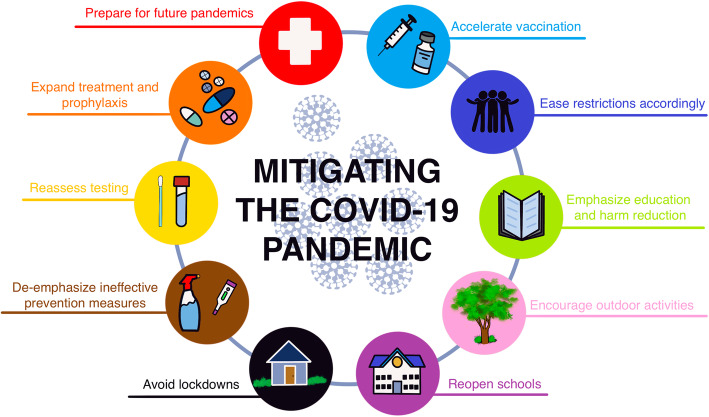
This peer-reviewed article examines ten critical areas of COVID-19 policy, arguing that pandemic response strategies have often relied on preliminary data and have been slow to adapt as scientific evidence evolved. The authors conduct a comprehensive review of the latest evidence to reassess pandemic control measures in light of expanding vaccine rollouts and accumulated knowledge. The ten policy domains addressed include equitable vaccine distribution expansion, easing restrictions as hospitalization and mortality decline, prioritizing educational and harm reduction approaches over coercive measures, promoting outdoor activities, reopening schools, addressing the substantial economic and psychosocial consequences of prolonged lockdowns, eliminating ineffective surface disinfection protocols, reassessing testing policies, increasing access to outpatient therapies and prophylactics, and strengthening pandemic preparedness frameworks. The authors emphasize that while vaccines have proven remarkably effective, many underlying assumptions driving current policies warrant reevaluation based on contemporary evidence. This analysis is particularly timely as it challenges policymakers to recalibrate their COVID-19 response strategies with evolving scientific knowledge and real-world epidemiological trends.
Share on