
Frontiers | Associations between susceptibility to online health misinformation, health risk behaviors and vaccine hesitancy among nursing students in Greece
www.frontiersin.org
Oct. 17, 2026, 7:29 a.m.
This cross-sectional study examined associations between susceptibility to online health misinformation and health behaviors among 414 nursing students in Greece during September 2025. Researchers assessed misinformation susceptibility using the Health-Related Online Misinformation Susceptibility Scale, health behaviors via the Health Behavior Inventory–Short Form, and vaccine hesitancy through the Vaccine Hesitancy Scale. Multivariable linear regression analysis revealed that higher misinformation susceptibility significantly correlated with worse dietary behaviors, poorer anger and stress management, and increased substance use (all p<0.001). Additionally, greater misinformation susceptibility independently predicted higher vaccine hesitancy, characterized by reduced vaccine confidence and elevated perceived vaccination risk (p<0.001). These findings underscore the critical importance of addressing online health misinformation among nursing students, who will serve as trusted healthcare educators and influencers. The study highlights how digital misinformation exposure directly impacts health decision-making and vaccine acceptance, representing an urgent public health concern requiring targeted interventions in nursing education and professional training programs.
Share on

mechanisms, biology, and translational
www.frontiersin.org
Oct. 17, 2026, 7:29 a.m.
Researchers Manful, Subramaniam, Fordjour, Abbey, and Thomas have published a comprehensive review in Frontiers in Immunology examining monoacetyldiacylglycerols (MAGs) as emerging immunomodulatory lipid mediators in chronic inflammation. The study explores the mechanisms through which MAGs regulate immune responses, focusing on their roles in macrophage polarization and neutrophil function. Key signaling pathways investigated include the NF-κB pathway and STAT3/STAT6 signaling cascades, which are critical regulators of inflammatory and anti-inflammatory responses. The research addresses how MAGs can modulate these pathways to suppress chronic inflammatory states. By elucidating the biological mechanisms underlying MAG immunomodulation, this work establishes the translational potential of these lipid molecules as therapeutic targets. The findings suggest that MAGs represent a promising avenue for developing novel treatments for chronic inflammatory diseases, offering an alternative approach to existing immunomodulatory strategies. This research bridges fundamental lipid biology with clinical applications, positioning MAGs as candidates for future drug development.
Share on
Tixagevimab/cilgavimab for COVID-19: real-time meta-analysis of 20 studies
c19early.org
Oct. 17, 2026, 7:29 a.m.
A real-time meta-analysis of 20 studies examining tixagevimab/cilgavimab, a monoclonal antibody treatment for COVID-19, reveals a 29% reduction in overall risk across the most serious reported outcomes, with particularly strong benefits for hospitalization (63% improvement) and cases (64% improvement). Data from nine independent teams across three countries demonstrated significant efficacy, with mortality reduced by 32% and ICU admissions by 53%. However, efficacy varies considerably by variant, with in vitro research indicating diminished effectiveness against multiple Omicron subvariants including BA.2.75, BA.4.6, BQ.1.1, and XBB lineages. The U.S. Emergency Use Authorization for this treatment has been revoked. The analysis highlights emerging concerns including potential variant emergence, autoimmune disease associations, prolonged viral loads, and increased cardiac event risks. While results remain statistically significant in peer-reviewed studies, sensitivity analysis shows significance loss after excluding just two studies, suggesting moderate robustness. The findings underscore that monoclonal antibody treatments should be combined with alternative therapies and individualized risk-benefit assessments rather than used as standalone interventions.
Share on

Long COVID Fatigue: Causes, Duration & Treatment That Works 2025
www.cognitivefxusa.com
Oct. 17, 2026, 7:28 a.m.
Dr. Alina Fong, a clinical neuropsychologist and Co-Founder of Cognitive FX, brings extensive expertise to understanding Long COVID fatigue. With a Ph.D. in Clinical Neuropsychology from Brigham Young University and over 17 years of clinical experience, Dr. Fong has developed the EPIC Treatment protocol and overseen care for nearly 8,000 brain injury patients, including elite athletes from the NFL, NHL, and Olympics. Her research focuses on functional MRI applications in concussion treatment and brain injury rehabilitation. As Vice President of the Brain Injury Alliance of Utah and board member of the United States Brain Injury Alliance, Dr. Fong bridges clinical practice with research, having authored peer-reviewed publications and presented findings at over 60 medical conferences, including the Federal Interagency Conference on TBI. Her work addresses the neurobiological mechanisms underlying post-infectious fatigue, connecting Long COVID symptoms to brain injury pathophysiology and establishing evidence-based treatment approaches for this emerging condition affecting millions globally.
Share on

Frontiers | Could persistent extravascular fibrin deposition link microvascular and interstitial pathology in long COVID?
www.frontiersin.org
Oct. 17, 2026, 7:27 a.m.
Researcher Keiko Kubo from the HSG Interstitial Research Lab in Japan proposes a novel framework linking persistent Long COVID symptoms to both intravascular and extravascular pathology. While Long COVID is known to involve endothelial dysfunction, microvascular impairment, and coagulation abnormalities, Kubo argues that vascular injury may also generate chronic extravascular damage. She introduces chronic intra- and extravascular coagulation (CIEC) as a continuous pathological mechanism wherein COVID-associated immunothrombosis triggers vascular leakage, local fibrin formation, and incomplete resolution of fibrin-containing provisional matrices in tissue spaces. Complementing this, Kubo presents the dual-axis microvascular-interstitial model (DMIM), which describes how abnormalities on both sides of the vascular wall interact functionally. The model proposes that impaired microvascular tissue supply and abnormal interstitial mechanics together contribute to tissue dysfunction and symptoms. This integrative framework connects established microvascular findings with the proposed extravascular component and generates testable predictions for future histological, biochemical, molecular imaging, and biomechanical investigations. The approach acknowledges Long COVID's heterogeneous nature while offering a comprehensive mechanistic pathway for understanding how vascular, coagulation, immunological, and metabolic abnormalities interact.
Share on

Pivoting in the pandemic: how HIV-focused community-health workers addressed COVID-19 disparities
www.frontiersin.org
Oct. 9, 2026, 9:56 a.m.
During the COVID-19 pandemic, Miami-Dade County experienced significant health disparities, with Black residents facing disproportionately high mortality rates compared to White residents. Researchers at the University of Miami leveraged an established Community Health Worker (CHW) network originally designed for HIV outreach to address these emerging COVID-19 disparities. Over a two-year period from June 2021 through May 2023, the CHW coalition, built on a decade-long partnership with nine community-based organizations, integrated COVID-19 education and vaccination support into existing protocols. The intervention reached over 400,000 residents with education on COVID-19 risk factors and vaccine safety, screened 8,672 individuals for COVID-19, and successfully referred 5,341 people for vaccination. The findings demonstrate that trusted community health workers are uniquely effective at bridging healthcare access gaps in vulnerable populations during public health emergencies. By adapting an established HIV-focused infrastructure, the researchers showed that community-led interventions can efficiently scale up to address urgent health threats while maintaining alignment with community values and overcoming historical barriers to care.
Share on
Ensitrelvir for COVID-19: real-time meta-analysis of 10 studies
c19early.org
Oct. 9, 2026, 9:55 a.m.
This real-time meta-analysis from October 2026 examines the efficacy of ensitrelvir, an antiviral treatment for COVID-19, across ten studies conducted by nine independent research teams, all from the same country. The analysis reveals that ensitrelvir reduces overall risk by twelve percent compared to controls, with more pronounced benefits for specific outcomes including a sixty-eight percent reduction in cases and thirty-six percent improvement in viral clearance. Notably, early treatment administration proved significantly more effective than late-stage intervention, while randomized controlled trials demonstrated fourteen percent risk reduction compared to nine percent in peer-reviewed studies. However, critical limitations persist: the evidence base remains modest with only seventeen control events reported for the primary outcome, and emerging viral variants may exhibit resistance to ensitrelvir. The analysis emphasizes that early intervention combined with comprehensive risk-benefit assessment and monitoring represents optimal clinical practice, though the authors acknowledge that alternative treatments demonstrate superior efficacy in certain contexts.
Share on

Stem Cell Therapy for Chronic Fatigue Syndrome (ME/CFS): A Regenerative Support Approach
www.startstemcells.com
Oct. 9, 2026, 9:55 a.m.
Myalgic encephalomyelitis/chronic fatigue syndrome (ME/CFS) is a debilitating condition characterized by persistent, severe fatigue unrelieved by rest, often accompanied by cognitive difficulties, post-exertional malaise, and systemic dysfunction. Despite its significant impact on daily functioning, ME/CFS remains poorly understood and frequently misdiagnosed, as sufferers often appear outwardly healthy while routine medical tests reveal no clear abnormalities. The condition's etiology remains unclear, though it may be triggered by viral infections or immune stress; no curative treatment currently exists. Recognizing this medical need, stem cell-based therapy is emerging as a promising therapeutic approach. Rather than offering a direct cure, this regenerative medicine strategy aims to support the body's natural repair and regulatory mechanisms to address the underlying pathophysiology. This article examines how stem cell therapy functions in treating ME/CFS and identifies patient populations most likely to benefit from this innovative approach, offering new hope for millions suffering from this chronic, multi-system condition.
Share on

Frontiers | The trigger-timing framework for long COVID: using symptom triggers and temporal patterns to guide mechanistic stratification and treatment planning
www.frontiersin.org
Oct. 9, 2026, 9:54 a.m.
Long COVID presents significant clinical heterogeneity, with identical symptoms frequently stemming from disparate physiological mechanisms including autonomic dysfunction, mitochondrial impairment, endothelial dysfunction, mast cell activation, gut dysbiosis, and neuroendocrine dysregulation. Traditional symptom-based classification proves insufficient for identifying dominant mechanisms or directing treatment. Robert Groysman proposes the trigger-timing framework, a clinically accessible method that interprets patient-reported symptom behavior through a mechanistic lens. The framework leverages common daily stressors—upright posture, temperature exposure, physical or cognitive exertion, meals, emotional stress, sleep disruption, alcohol, and intercurrent illness—as physiologic probes. By analyzing four core dimensions (trigger, timing, symptom pattern, and recovery), clinicians can differentiate response kinetics and infer underlying mechanisms. Immediate worsening with standing or heat suggests autonomic dysfunction, delayed worsening after exertion indicates impaired recovery physiology, meal-related symptoms point to autonomic or metabolic pathology, and circadian patterns suggest neuroendocrine dysregulation. This framework complements mechanism-anchored network models and facilitates targeted diagnostic evaluation, treatment prioritization, and research cohort enrichment in Long COVID management.
Share on
Health Canada Authorizes Pfizer and BioNTechâs Omicron XFG-Adapted COVID-19 Vaccine
www.pfizer.ca
Oct. 3, 2026, 7:28 a.m.
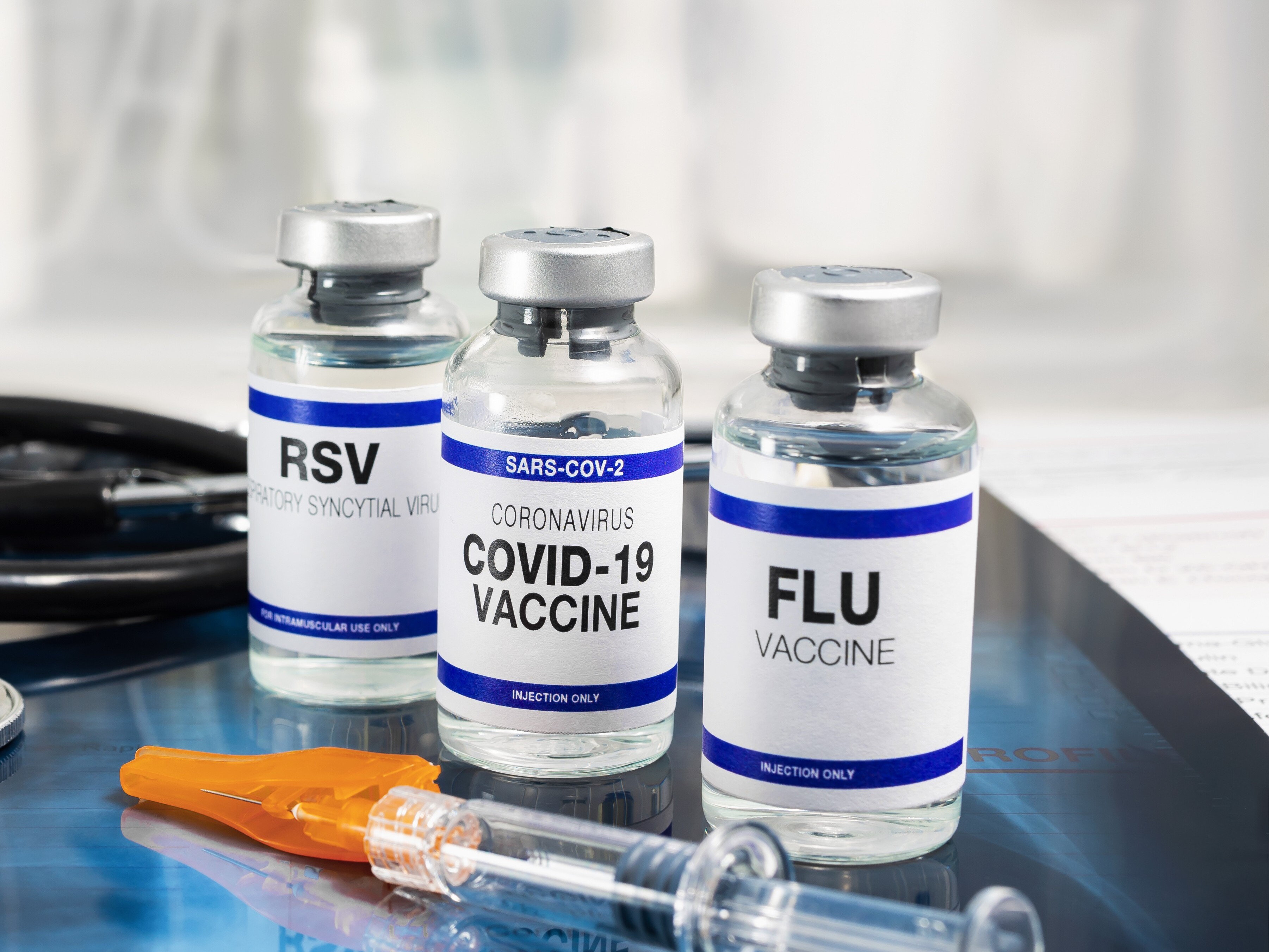
Health Canada has authorized Pfizer and BioNTech's XFG variant-adapted COMIRNATY vaccine for individuals aged six months and older, effective for the 2026-2027 COVID-19 season. The updated formulation targets the Omicron XFG lineage in alignment with public health recommendations to better match currently circulating variants. The authorization relies on cumulative clinical, non-clinical, and real-world evidence demonstrating the vaccine's safety and effectiveness. Built on BioNTech's proprietary mRNA technology, COMIRNATY represents the companies' ongoing commitment to evolving vaccine formulations as the virus mutates. Pfizer Canada has secured sufficient inventory to meet all contractual obligations with federal and provincial vaccination programs, with distribution beginning through various channels in the coming weeks. This approval highlights vaccination's continued importance as an effective tool for reducing serious COVID-19 illness risk amid ongoing viral evolution.
Share on

Long COVID, explained: symptoms, how long it lasts, and why your autonomic system may be the missing piece
welltory.com
Oct. 3, 2026, 7:27 a.m.
Long COVID, clinically termed post-acute sequelae of COVID-19 (PASC), is a multisystem condition characterized by persistent symptoms lasting more than three months after acute infection that cannot be attributed to alternative diagnoses. Affected individuals commonly experience fatigue, brain fog, muscle pain, breathlessness, post-exertional malaise, dizziness, and cardiac symptoms indicative of autonomic dysfunction. Data from Welltory reveals that users self-reporting Long COVID experience post-exertion crashes 2.6 times more frequently and wake unrefreshed 4.6 times more often than other users, despite comparable daily wellness scores. Notably, no single diagnostic test definitively confirms Long COVID; diagnosis relies on clinical symptomatology and timeline. Globally, an estimated 400 million individuals experience persistent Long COVID symptoms following SARS-CoV-2 infection. Researchers acknowledge that underlying pathological mechanisms remain incompletely understood, though the disease's heterogeneity suggests a multifactorial origin. This distinction from typical post-infection malaise underscores Long COVID's significant impact on physiological regulation systems including energy, cognition, respiration, cardiac function, sleep, and activity tolerance.
Share on
Frontiers | Closing the Vaccination Gap: Determinants of Hesitancy, Access, and Uptake in the Digital Era
www.frontiersin.org
Oct. 3, 2026, 7:27 a.m.
Vaccination remains one of the most effective public health interventions for preventing infectious diseases, yet persistent challenges including hesitancy, delayed uptake, unequal access and incomplete immunization coverage continue to undermine vaccination programmes globally. While digital platforms and social media increasingly influence how people obtain and evaluate health information, enabling misinformation and polarized discourse to proliferate, vaccination gaps stem from multifactorial determinants extending beyond information exposure alone. Organizational and logistical barriers, socioeconomic deprivation, geographic inequality, health literacy levels, healthcare access and prior health service experiences significantly impact vaccination decision-making and completion. Recent research demonstrates the interconnected nature of these determinants across different populations and vaccination contexts, yet critical gaps remain in understanding how digital, social, psychological and structural factors combine to influence vaccination outcomes. This research initiative aims to advance knowledge of vaccine hesitancy, access and uptake determinants by examining digital information environments, healthcare barriers, and social, psychological, cultural and socioeconomic influences. It seeks to identify missed opportunities, explain inequities and generate evidence supporting effective public health education, communication strategies and equitable vaccination programmes across all life stages.
Share on

No detectable differences in peripheral blood immune
www.nature.com
Oct. 3, 2026, 7:27 a.m.
# Summary
A peer-reviewed study published in Scientific Reports examined peripheral blood immune profiles in a specific population cohort, finding no statistically significant differences in immune cell composition or function between comparison groups. The research utilized flow cytometry and immunophenotyping techniques to analyze lymphocyte subsets, including T cells, B cells, and natural killer cells, across multiple participants. Despite systematic investigation of various immune markers, the analysis revealed comparable immune status across the examined populations, suggesting that peripheral blood immune parameters alone may not distinguish between the studied groups. This finding carries important implications for immunological research and clinical diagnostics, indicating that observable differences between populations—if present—likely involve tissue-specific immune responses or systemic factors beyond standard peripheral blood assessment. The results underscore the complexity of immune system evaluation and suggest that comprehensive immune profiling may require more sophisticated methodologies or examination of alternate biological compartments to detect clinically meaningful differences.
Share on

Scientists may have found a âunifying theoryâ of chronic fatigue
www.sciencedaily.com
Oct. 3, 2026, 7:26 a.m.
Researchers at the University of East Anglia and Oxford BioDynamics have discovered a potential biological unifying theory explaining why chronic fatigue occurs across seemingly unrelated conditions including long Covid, ME/CFS, PTSD, rheumatoid arthritis, and multiple sclerosis. Published in the Journal of Translational Medicine, the study reveals striking biological similarities among these five disorders, despite their distinct triggering mechanisms—ranging from viral infection and psychological trauma to autoimmune dysfunction. All share common symptoms including profound exhaustion, brain fog, concentration difficulties, and autonomic dysfunction. Rather than examining DNA as linear sequences, researchers employed Oxford BioDynamics' EpiSwitch® Orion platform to analyze three-dimensional genome organization, investigating how DNA folding patterns influence gene activity across distant genomic regions. This computational analysis combined previously published genomic data from genome-wide association studies with existing three-dimensional genomic information. The findings suggest these conditions may disrupt identical underlying biological systems, potentially revolutionizing treatment approaches by identifying common therapeutic targets rather than managing each condition separately.
Share on

Health and healthcare | Prison Policy Initiative
www.prisonpolicy.org
Sept. 26, 2026, 7:25 a.m.
The Prison Policy Initiative has compiled a comprehensive research collection examining how the criminal justice system affects population health and mortality outcomes. This curated resource aggregates existing research demonstrating the health consequences of incarceration and justice system involvement. The initiative recognizes that criminal justice policies have significant public health implications beyond traditional legal frameworks. The compilation serves researchers, policymakers, and advocates seeking evidence-based understanding of this intersection. The Prison Policy Initiative supplements this broader collection with original research available on their dedicated Health page, providing primary data and analysis on justice-related health impacts. The initiative positions this health-focused research within their broader Research Library, which addresses multiple criminal justice topics. By centralizing this specialized research, the initiative aims to inform policy discussions and highlight the healthcare implications of incarceration, contributing to a more comprehensive understanding of how the justice system influences population health outcomes and mortality rates across affected communities.
Share on
IDSA Guidelines on the Treatment and Management of Patients with COVID-19
www.idsociety.org
Sept. 26, 2026, 7:24 a.m.
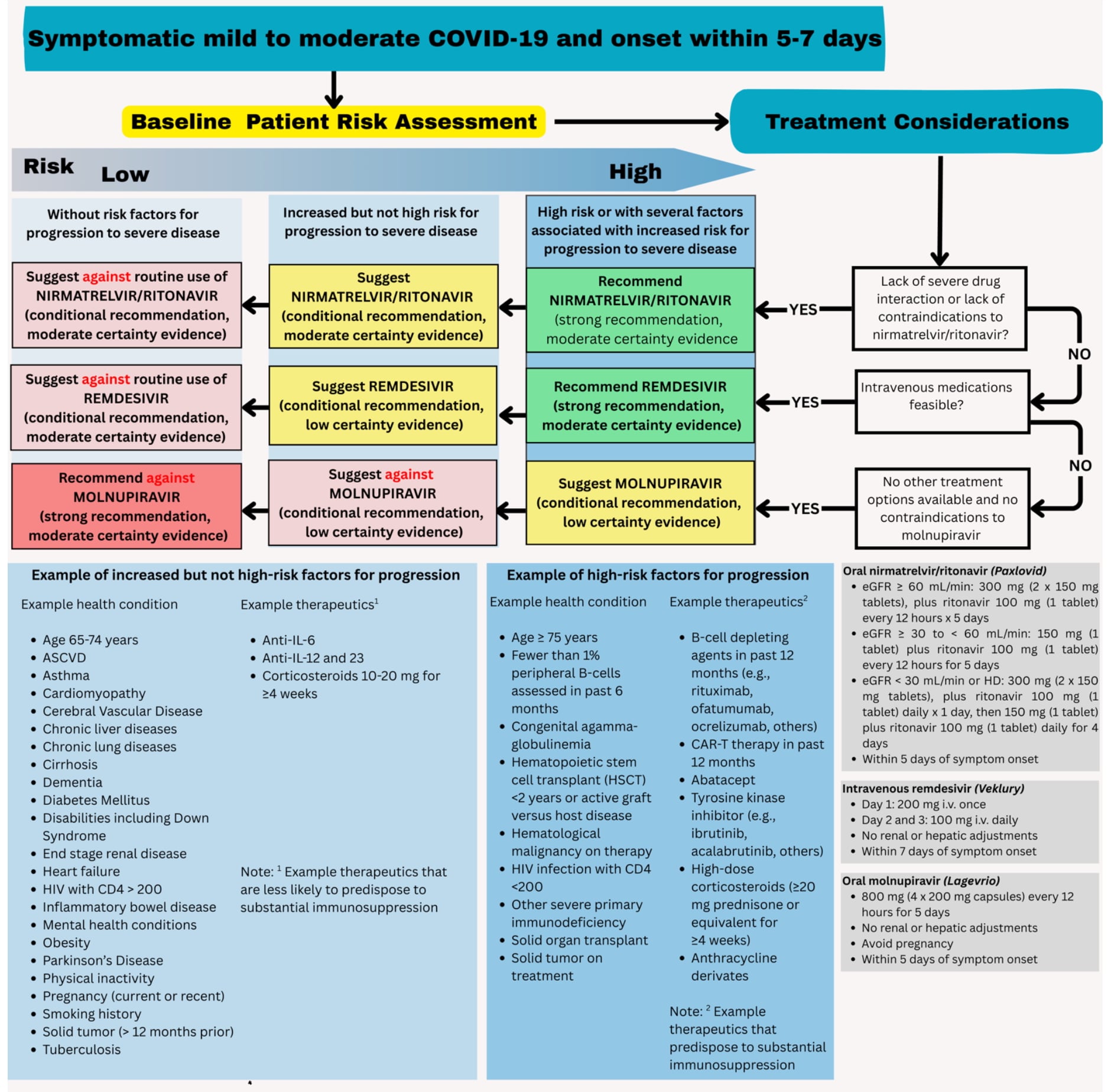
The Infectious Diseases Society of America has released comprehensive guidelines for treating and managing COVID-19 patients, emphasizing that disease severity assessment must precede all therapeutic decisions. The guidelines introduce a clinical decision aid to help prescribers identify appropriate treatment options for ambulatory patients by first establishing baseline risk for severe outcomes, including hospitalization, ventilation requirements, ICU admission, or death. The panel categorizes patients into risk stratifications using two tables: Table 1 identifies conditions associated with high-risk progression to severe COVID-19, while Table 2 outlines additional risk factors conferring increased vulnerability. Patients qualify as "high risk" if they possess either one high-risk factor or multiple factors associated with increased but non-high risk. Those lacking high-risk conditions are classified as having no significant progression risk. This risk stratification framework, informed by Omicron-era cohort data, recognizes that progression risk exists on a continuum influenced by factor severity and degree of immunosuppression. The guidelines ensure therapeutic agents are deployed according to their studied protocols and FDA Emergency Use Authorization requirements, providing healthcare providers with evidence-based decision-making tools for optimal patient outcomes.
Share on

SSPH+ | Protecting vaccine confidence: a core function of national immunization programs
www.ssph-journal.org
Sept. 26, 2026, 7:24 a.m.
The article examines vaccine confidence as a critical public health responsibility, prompted by a tragic case in Palermo in August 2026 when a four-year-old girl died of diphtheria, the first fatal case in Italy in over thirty years. Her family had refused vaccination based on the false belief that vaccines cause autism, despite the disease being legally mandatory in Italy. Meanwhile, her vaccinated cousin contracted the same infection but experienced only mild disease. While individual parental decisions contributed to this outcome, the article argues that public health institutions bear shared responsibility for vaccine confidence. The piece critiques the dominant "vaccine hesitancy" framework, which has dominated discussions for two decades, defined by WHO's Strategic Advisory Group of Experts as delay or refusal of vaccination despite service availability. Although frameworks like WHO's Behavioral and Social Drivers of Vaccination model and the 5C model have improved understanding of vaccination determinants, the discredited autism-vaccine claim continues influencing decisions. The article emphasizes that protecting vaccine confidence represents a core public health function extending beyond individual choice to encompassing institutional accountability and systematic approaches to address vaccination uncertainty.
Share on

Long COVID Breakthroughs: NIH RECOVER 2026 Findings - Health Service Navigator
www.myhsn.co.uk
Sept. 26, 2026, 7:24 a.m.
The NIH RECOVER Initiative, a $1.15 billion federal research program, has achieved significant breakthroughs in understanding Long COVID's biological mechanisms, moving beyond symptom documentation to identifying treatable causes. Published findings in Nature Immunology reveal that Long COVID involves T-cell exhaustion driven by chronic activation of JAK-STAT and IL-6 pathways, causing persistent inflammation and immune dysfunction that leaves patients vulnerable to secondary infections and post-exertion crashes. Using the Digital Slide Archive, researchers discovered viral remnants—specifically nucleocapsid protein—persisting in gut and lymphatic tissues months post-infection, establishing viral persistence as a treatment target. The RECOVER-AUTONOMIC trial findings presented at the American College of Cardiology demonstrated that while Ivabradine reduced heart rates in POTS-affected patients, coordinated care combining medication with specialized diet, salt supplementation, and physical therapy produced superior outcomes. Crucially, research indicates exhaustion is imprinted on progenitor cells, creating "exhaustion memory" that affects newly generated immune cells. These discoveries represent a fundamental shift toward targeted, protocol-based treatments offering genuine hope for millions suffering from post-acute sequelae of SARS-CoV-2.
Share on

Everything about Long COVID / ME-CFS in one place
www.recalibratepain.com
Sept. 19, 2026, 7:25 a.m.
Long COVID, defined by the WHO as health problems persisting three or more months after SARS-CoV-2 infection, affects approximately 10-30 percent of non-hospitalised COVID cases and can develop regardless of initial infection severity. The condition shares striking biological and symptomatic overlap with ME/CFS (Myalgic Encephalomyelitis/Chronic Fatigue Syndrome), a serious long-term multisystem illness documented since the 1950s. Many Long COVID patients meet clinical criteria for ME/CFS, experiencing shared features including Post-Exertional Malaise (PEM), cognitive dysfunction, orthostatic intolerance, immune abnormalities, and sleep disruption. Risk factors for Long COVID include female sex, older age, pre-existing conditions, and more severe initial illness, though the condition affects all ages and vaccinated individuals are not immune. Long COVID's emergence has reinvigorated scientific attention toward ME/CFS research, as patients developing either condition often present clinically indistinguishable presentations. Understanding this convergence is crucial for healthcare providers and researchers seeking to comprehend post-viral sequelae and develop effective management strategies for these debilitating conditions.
Share on

UCLA COVID-19 Clinical Trials for 2026
ucla.clinicaltrials.researcherprofiles.org
Sept. 19, 2026, 7:25 a.m.
UCLA is conducting multiple clinical trials in Los Angeles for 2026 addressing COVID-19 and its complications. The baricitinib trial, open to adults 18 and older, investigates whether this JAK inhibitor improves neurocognitive and physical function, quality of life, and reduces post-exertional malaise in Long COVID patients, while measuring inflammatory biomarkers. A second trial tests investigational booster vaccines CoTend-s3BXBB and CoTend-BXBB in healthy volunteers aged 40-64, comparing five different doses to evaluate safety and whether the "s3" component enhances immune response breadth and duration through saliva, nasal, and blood sample analysis. A third trial, currently in progress, examined nirmatrelvir/ritonavir's safety and efficacy in treating non-hospitalized COVID-19 patients under 18 at risk for severe disease. Additionally, UCLA is developing a predictive test using clinical and molecular data from hospitalized patients to identify those at increased risk of adverse COVID-19 outcomes. These trials represent comprehensive efforts to address acute COVID-19 treatment, long-term complications, vaccine optimization, and patient risk stratification.
Share on