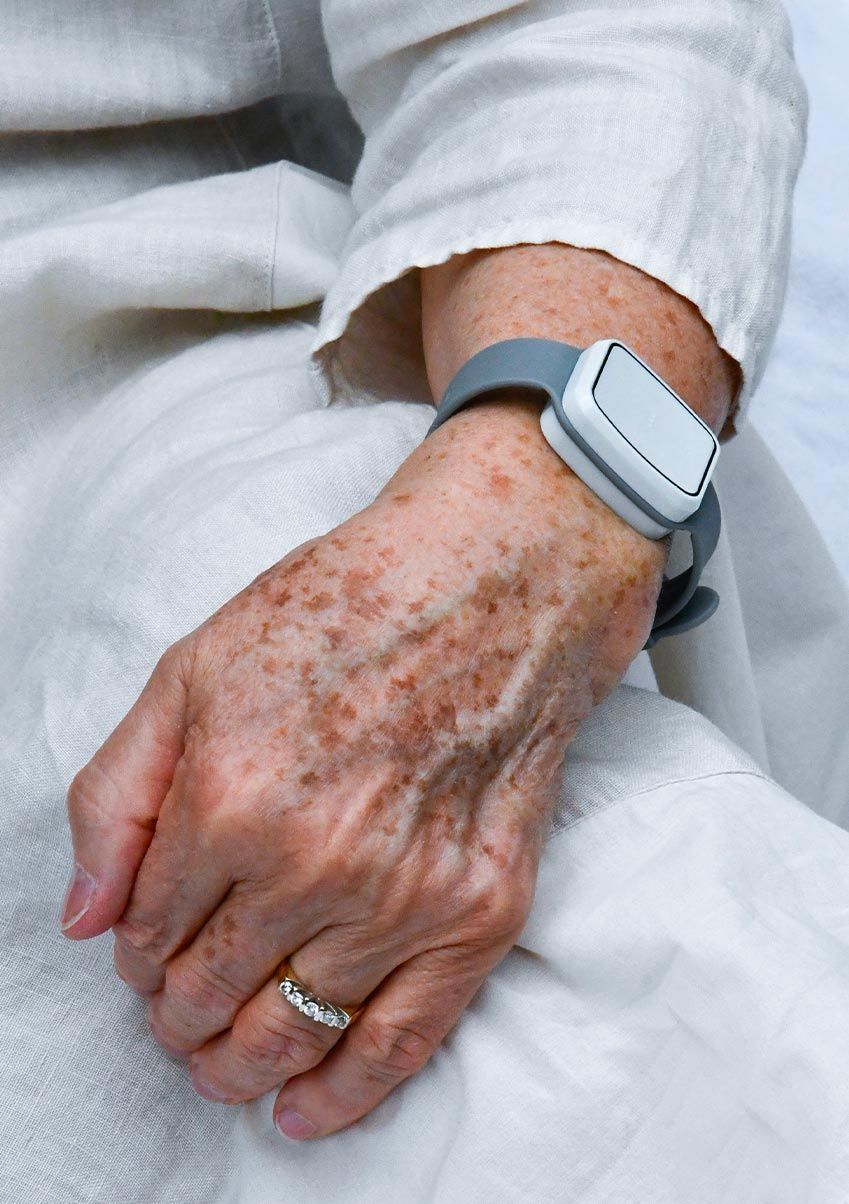
Bracelet Détecteur de Chute pour les Personnes Agées
www.assystel.fr
Oct. 21, 2026, 1:20 p.m.
Vibby est un bracelet détecteur de chute automatique conçu pour protéger les personnes âgées vivant seules. Porté au poignet, ce dispositif combine technologie avancée et design élégant, disponible en quatre couleurs pour s'intégrer discrètement au quotidien sans stigmatisation. Le bracelet offre une double fonctionnalité : la détection automatique des chutes via capteur de perte de verticalité et un bouton d'appel manuel pour solliciter de l'aide à tout moment. En cas de chute brutale, l'alarme se déclenche automatiquement après une période d'inactivité de vingt secondes minimum, même si l'utilisateur est incapable d'appuyer sur le bouton. Vibby s'associe au badge Framboise Mobile pour former une solution de téléassistance mobile complète, garantissant géolocalisation précise et alertes manuelles en mobilité. Bien qu'efficace pour détecter les chutes lourdes, le bracelet peut ne pas identifier les chutes molles, justifiant l'importance du bouton manuel. Cette solution facilite le maintien à domicile des seniors tout en minimisant les fausses alertes.
Share on
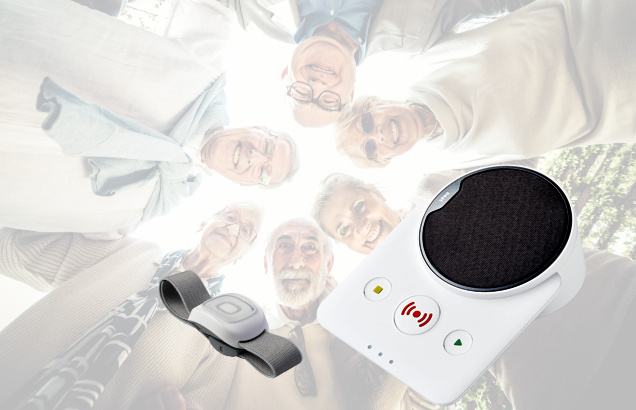
Zoom sur le détecteur de chute de Bluelinea
bluelinea.com
Oct. 21, 2026, 1:19 p.m.
Face à l'enjeu majeur des chutes chez les personnes âgées — plus de 2 millions de cas annuels chez les plus de 65 ans, première cause de décès accidentel dans cette population — Bluelinea propose Help +, un service de téléassistance innovant intégrant la détection automatique de chutes. Le bracelet détecteur, porté en permanence au poignet, embarque un algorithme sophistiqué analysant les trajectoires caractéristiques d'une chute, définie comme une perte de hauteur d'un mètre avec maintien au sol. Lors d'une détection, le bracelet vibre et clignote pendant 20 secondes, offrant au porteur la possibilité d'annuler l'alerte. Passé ce délai, l'alerte est transmise à la plateforme Help, permettant une intervention rapide par les proches ou les services d'urgence. Ce dispositif assure une présence sécurisante 24h/24 et 7j/7, maintient le lien social et rassure tant l'utilisateur que ses proches, facilitant le maintien à domicile en toute sérénité.
Share on

Proches aidants : pourquoi ce rôle reste invisible en France
presseagence.fr
Oct. 21, 2026, 1:19 p.m.
Silver Valley révèle un paradoxe majeur : alors que la France compte entre 8 et 11 millions de proches aidants accompagnant des personnes âgées, malades ou handicapées, ces derniers ne se reconnaissent que rarement dans ce statut. Selon un livre blanc réalisé avec le soutien de Malakoff Humanis Agirc-Arrco, la plupart se définissent prioritairement par leur lien familial plutôt que comme « aidants », percevant leur rôle comme un devoir naturel. Cette invisibilité administrative a des conséquences concrètes : difficultés à identifier et quantifier ces personnes, orientation insuffisante vers les dispositifs d'aide existants, et même méconnaissance au sein des entreprises où ces salariés représentent souvent 10 à 30 % des effectifs. Le Baromètre des aidants du Collectif Je t'aide confirme que seulement deux tiers des aidants depuis plus de trois ans ont pleinement conscience de leur rôle. Pour remédier à ce problème, Silver Valley préconise une révolution paradigmatique : répondre aux besoins concrets plutôt que de cibler une catégorie administrative, en décryptant les « signaux faibles » et en adaptant les prestations aux carences du système de prise en charge.
Share on

Prévention des chutes seniors : dispositifs et aides 2026
www.aide-sociale.fr
Oct. 21, 2026, 1:19 p.m.
Les chutes constituent un enjeu majeur de santé publique en France, entraînant chaque année plus de 174 000 hospitalisations chez les personnes âgées de 65 ans et plus et causant plus de 20 000 décès. Les données de 2024 révèlent une hausse significative : 20,5 % d'hospitalisations et 18 % de mortalité supplémentaires par rapport à 2019, indépendamment du seul vieillissement démographique. Les personnes âgées de 85 ans et plus présentent des risques considérablement accrus, avec un taux d'hospitalisation 8,6 fois plus élevé et un risque de décès 29 fois supérieur aux 65-74 ans. Première cause de décès accidentel après 65 ans, les chutes représentent un coût annuel estimé à 2 milliards d'euros pour la société française. Face à cette situation, les pouvoirs publics et les entreprises proposent un panorama complet de solutions : équipements de sécurité, dispositifs d'alerte, ateliers équilibre et consultations médicales dédiées. Un guide complet des aides 2026 et des dispositifs disponibles répond aux besoins spécifiques de chaque situation et du maintien à domicile.
Share on

Comparatif détecteur de chute : comment choisir ?
www.assystel.fr
Oct. 21, 2026, 1:19 p.m.
Les chutes à domicile représentent un enjeu majeur de santé publique, près d'une personne âgée sur deux en étant victime annuellement. Ces accidents entraînent des risques d'hospitalisation prolongée et de complications physiques et psychologiques graves, particulièrement chez les personnes vulnérables immobilisées au sol. Les détecteurs de chute, intégrés aux systèmes de téléassistance, offrent une solution automatisée qui déclenche une alerte vingt-quatre heures sur vingt-quatre en cas de perte de verticalité soudaine, sans intervention manuelle nécessaire. Cette technologie s'avère particulièrement bénéfique pour les personnes fragilisées par l'âge ou dépendantes, comme celles atteintes de la maladie d'Alzheimer, qui ne réagissent pas toujours aux alarmes classiques. Grâce aux capteurs intégrés dans une montre ou l'environnement du domicile, le dispositif diminue le temps d'intervention des secours et de l'entourage, réduisant ainsi les complications. Le détecteur de chute se présente donc comme une solution moins stigmatisante que la téléassistance traditionnelle, favorisant le vieillissement en sécurité au domicile.
Share on
Comment devenir aidant familial rémunéré : APA, PCH ou AJPA ?
www.horizonbusiness.fr
Oct. 17, 2026, 4:20 a.m.
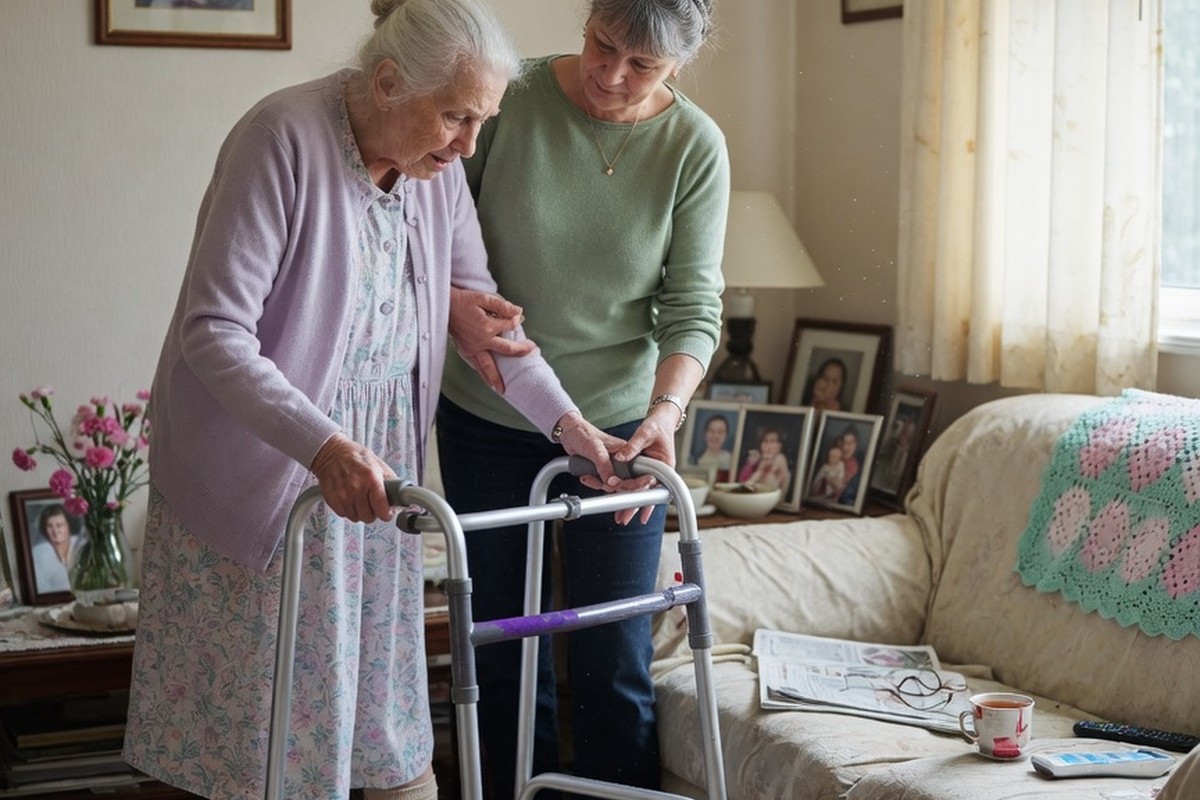
En France, la rémunération d'un aidant familial ne s'obtient pas automatiquement par une simple demande administrative. Elle ne peut intervenir que par l'emploi direct du proche, via l'Allocation Personnalisée d'Autonomie (APA), la Prestation de Compensation du Handicap (PCH) ou l'Allocation Journalière du Parent d'Enfant Handicapé (AJPA). Le statut juridique de la compensation varie considérablement : un salaire génère un bulletin de paie et des cotisations sociales, tandis qu'un dédommagement constitue une somme forfaitaire sans contrat de travail. Ces distinctions sont cruciales pour éviter le travail dissimulé. Les règles diffèrent selon le lien de parenté et le type d'aide. Pour l'APA, les enfants peuvent être embauchés, mais les conjoints et partenaires de PACS sont exclus. Pour la PCH, les restrictions s'accentuent : l'embauche des proches est généralement interdite, sauf si le handicap impose une aide totale et une présence constante. Les aidants doivent bien distinguer les allocations journalières, qui compensent une perte de revenus pendant un congé, du cumul interdit avec un salaire. Cette clarification juridique est essentielle pour structurer légalement l'aide familiale rémunérée.
Share on

Congé de proche aidant : conditions, durée, indemnisation (AJPA)
www.juritravail.com
Oct. 17, 2026, 4:20 a.m.
Le congé de proche aidant permet aux salariés d'interrompre temporairement leur activité professionnelle pour assister un proche en situation de handicap ou de perte d'autonomie. Accessible sans condition d'ancienneté depuis 2019, ce dispositif s'est élargi en juillet 2022 avec la suppression de la condition de « particulière gravité » du handicap, incluant désormais les situations nécessitant une aide régulière. L'employeur ne peut ni refuser le congé ni rompre le contrat pendant sa durée, sauf faute grave ou motif indépendant. Depuis juillet 2024, les salariés aidants peuvent débloquer anticipativement les sommes placées sur un plan d'épargne d'entreprise. Les bénéficiaires couvrent un large cercle : conjoint, ascendants, descendants, collatéraux jusqu'au 4ème degré, ainsi que toute personne avec laquelle existe une relation étroite et stable. Cette mesure constitue un levier important pour concilier vie professionnelle et responsabilités familiales, reconnaissant l'engagement croissant des salariés dans l'aide à leurs proches.
Share on
Ma Prime Adapt 2026 : conditions, montants et travaux éligibles
www.aide-sociale.fr
Oct. 17, 2026, 4:20 a.m.
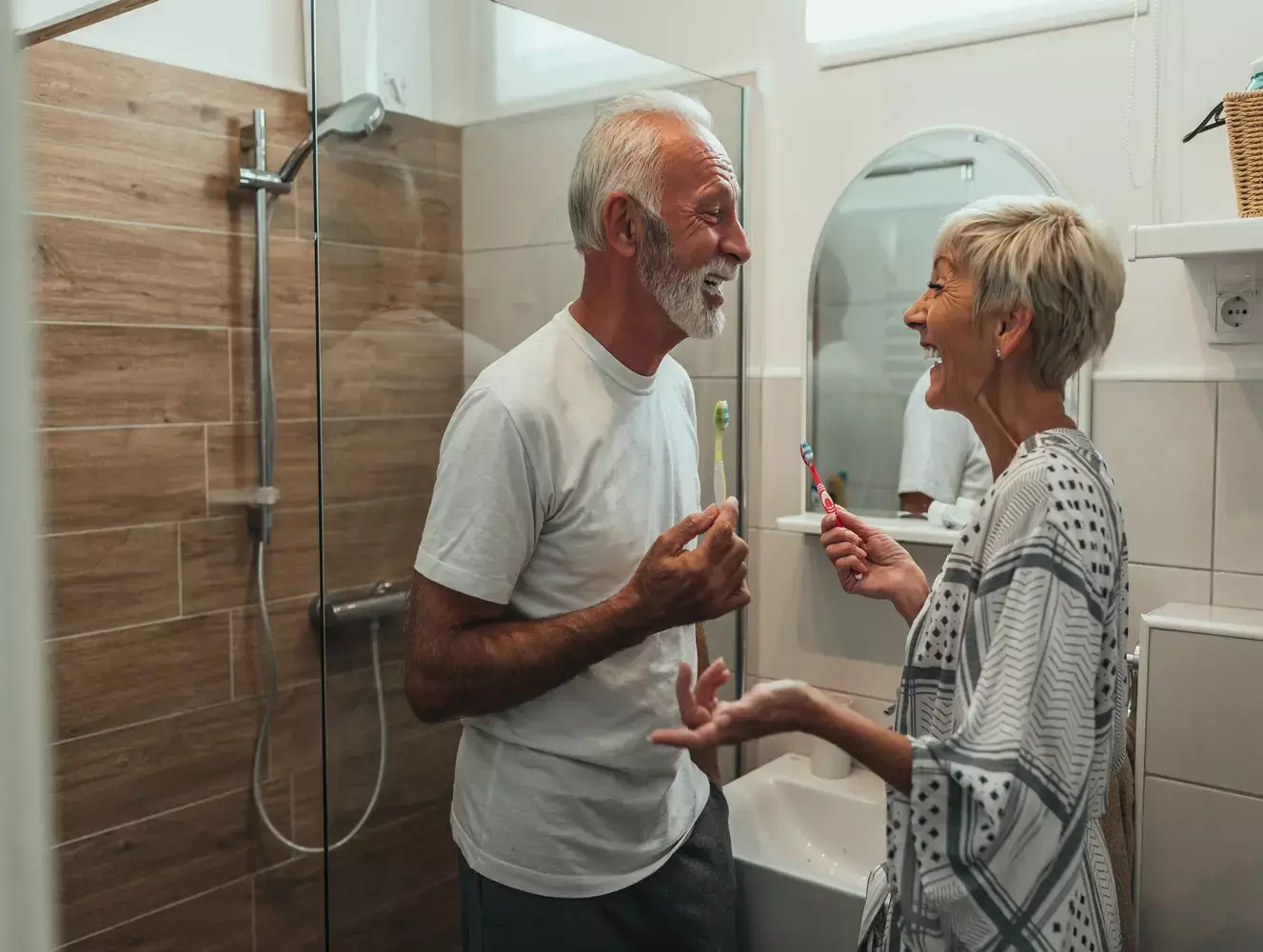
MaPrimeAdapt' est l'aide de l'Agence nationale de l'habitat (Anah) destinée à financer l'adaptation du logement face au vieillissement ou au handicap. Elle couvre 70 % des travaux pour les ménages très modestes et 50 % pour les ménages modestes, dans la limite de 22 000 € HT, soit un maximum de 15 400 € d'aide. Cette aide s'adresse aux personnes de 70 ans et plus, aux 60-69 ans en perte d'autonomie et aux personnes en situation de handicap, qu'elles soient propriétaires occupants ou locataires du parc privé. Les demandes se déposent sur france-renov.gouv.fr avec un accompagnement obligatoire incluant un diagnostic réalisé par un assistant à maîtrise d'ouvrage. Les travaux couverts concernent principalement la salle de bain, l'accès aux étages, les circulations et les équipements adaptés. Depuis janvier 2026, seules les formules « complète » et « avec ergothérapeute » sont disponibles. Il est crucial de ne pas débuter les travaux avant le dépôt de la demande pour éviter un refus de subvention.
Share on

Apa à domicile : à quoi sert-elle, qui y a droit, et comment calculer votre aide ?
www.essentiel-autonomie.com
Oct. 17, 2026, 4:20 a.m.
L'Allocation personnalisée d'Autonomie (APA) à domicile, instituée par la loi du 20 juillet 2001, constitue la principale aide sociale destinée aux personnes âgées de plus de 60 ans en perte d'autonomie. Avec 815 800 bénéficiaires, elle finance partiellement ou totalement le maintien à domicile, versée par les départements aux seniors ne résidant pas en établissement médicalisé. Le profil type des bénéficiaires est une femme âgée de 84,3 ans en moyenne, dans 70 % des cas. La majorité (58 %) présente une perte d'autonomie moyenne (GIR 4). Les montants varient selon le degré de dépendance : de 1 270 euros mensuels pour un GIR 1 à 370 euros pour un GIR 4, dont la participation du bénéficiaire représente environ 20 à 30 %. Les ressources financent principalement des services à domicile (88 %), complétés par des aides techniques et un accueil temporaire en établissement. Cette aide demeure essentielle pour soutenir l'autonomie et la qualité de vie des personnes âgées dépendantes.
Share on

Quelles sont les aides financières mobilisables ? (édition spéciale handicap)
unaide.fr
Oct. 14, 2026, 1:20 p.m.
Les proches aidants et les personnes dépendantes disposent de plusieurs dispositifs financiers pour pallier les coûts liés à l'accompagnement et au soutien à domicile. L'Allocation Personnalisée d'Autonomie (APA), versée par le Conseil Départemental, s'adresse aux personnes de plus de 60 ans en perte d'autonomie (groupes GIR 1 à 4) résidant en France. L'Aide au Retour à Domicile après Hospitalisation (ARDH) soutient les personnes fragilisées durant leur convalescence, couvrant services d'entretien, courses, repas ou téléassistance, sur trois mois maximum. Destinée aux plus de 55 ans relevant du régime général de la Sécurité Sociale et classés GIR 5 ou 6, elle nécessite de ne pas cumuler avec d'autres aides. L'Aide Sociale à l'Hébergement (ASH) facilite l'accès aux établissements spécialisés comme les EHPAD pour les personnes de plus de 65 ans aux ressources modestes. Ces aides, accessibles via le Centre Communal d'Action Sociale, constituent un soutien essentiel pour financer l'accompagnement et réduire le fardeau financier des aidants familiaux.
Share on
Ma mère ne peut plus vivre seule : solutions et accompagnement
www.ea-lateleassistance.com
Oct. 14, 2026, 1:20 p.m.
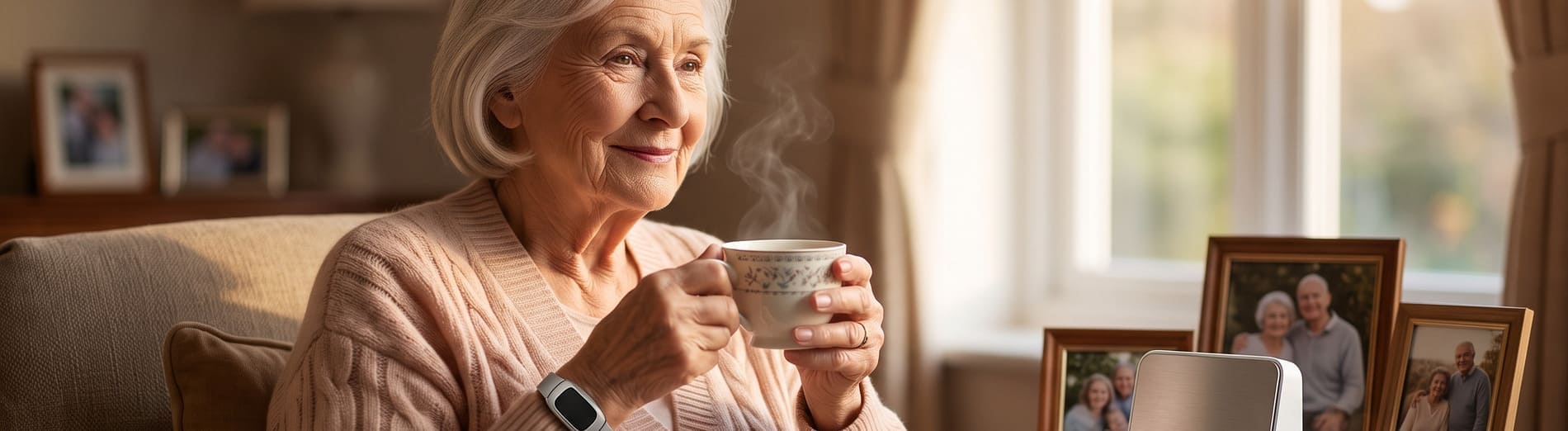
Europ Assistance consolide sa position de leader dans le secteur des services d'assistance en remportant pour la deuxième année consécutive le titre de marque de confiance Banque/Assurance selon le baromètre "La confiance des Français dans les marques". Cette reconnaissance, établie par le sondage OpinionWay/Eclosion, témoigne de la solidité de la perception des consommateurs français envers le groupe. Ce résultat revêt une importance particulière dans un contexte où les services d'assistance deviennent essentiels pour les familles confrontées à des défis de dépendance et de maintien à domicile. La récompense reflète la confiance accumulée par Europ Assistance auprès des ménages français, notamment pour accompagner les situations délicates comme l'autonomie des personnes âgées. Cette distinction souligne l'impact positif des solutions proposées par l'entreprise face aux enjeux sociétaux croissants liés au vieillissement de la population et à la nécessité de services de soutien fiables et accessibles.
Share on

Cette résidence propose aux personnes « de 60 ans et plus » une solution pour bien vieillir dans un cadre sécurisé
www.ouest-france.fr
Oct. 14, 2026, 1:20 p.m.
Les résidences autonomie constituent une solution intermédiaire entre le maintien à domicile et l'Ehpad, destinée aux personnes autonomes de 60 ans et plus. Le centre communal d'action sociale de Sèvremoine en Maine-et-Loire propose une offre globale répartie sur trois sites : l'Avresne à Saint-Macaire-en-Mauges, Claire-Fontaine à Saint-Crespin-sur-Moine, et le Bosquet à Tillières. Ces établissements non médicalisés offrent des logements privatifs du T1 au T3, avec possibilité de faire appel à des intervenants externes tels que infirmiers et aides à domicile. Une présence continue et des dispositifs de téléalarme garantissent la sécurité des résidents. Contrairement aux idées reçues, ces résidences ne sont pas fermées : les seniors participent aux événements communaux, accueillent des visiteurs pour des repas en collectivité et animations. Des portes ouvertes sont régulièrement organisées pour permettre aux futurs résidents de découvrir ce mode de vie favorisant l'indépendance et le lien social.
Share on

Aidant familial : statut, droits et aides financières
reassurez-moi.fr
Oct. 14, 2026, 1:20 p.m.
En France, environ 11 millions de personnes accompagnent un proche en perte d'autonomie, qu'il s'agisse d'un parent âgé, d'un conjoint malade ou d'un enfant handicapé. Bien que l'absence de statut unique d'aidant familial persiste, plusieurs dispositifs reconnaissent officiellement ce rôle essentiel. L'Allocation journalière de présence aidante (AJPA) indemnise jusqu'à 65,80 euros par jour en cas de réduction ou arrêt d'activité professionnelle. La Prestation de compensation du handicap (PCH) permet une rémunération directe pour ce travail d'accompagnement. Des solutions de répit, incluant l'accueil de jour, l'hébergement temporaire et le relais à domicile, offrent des respirations aux aidants. La validation des trimestres de retraite sans cotisation via l'Assurance vieillesse aidant (AVA) protège les droits futurs. Malgré ces dispositifs, nombreux sont les aidants qui ignorent leurs droits. Anticiper la dépendance par l'épargne et l'assurance rend ces solutions plus accessibles et abordables.
Share on
APA 2026 : montants par GIR, conditions et demande
portail-habitat.fr
Oct. 14, 2026, 1:20 p.m.
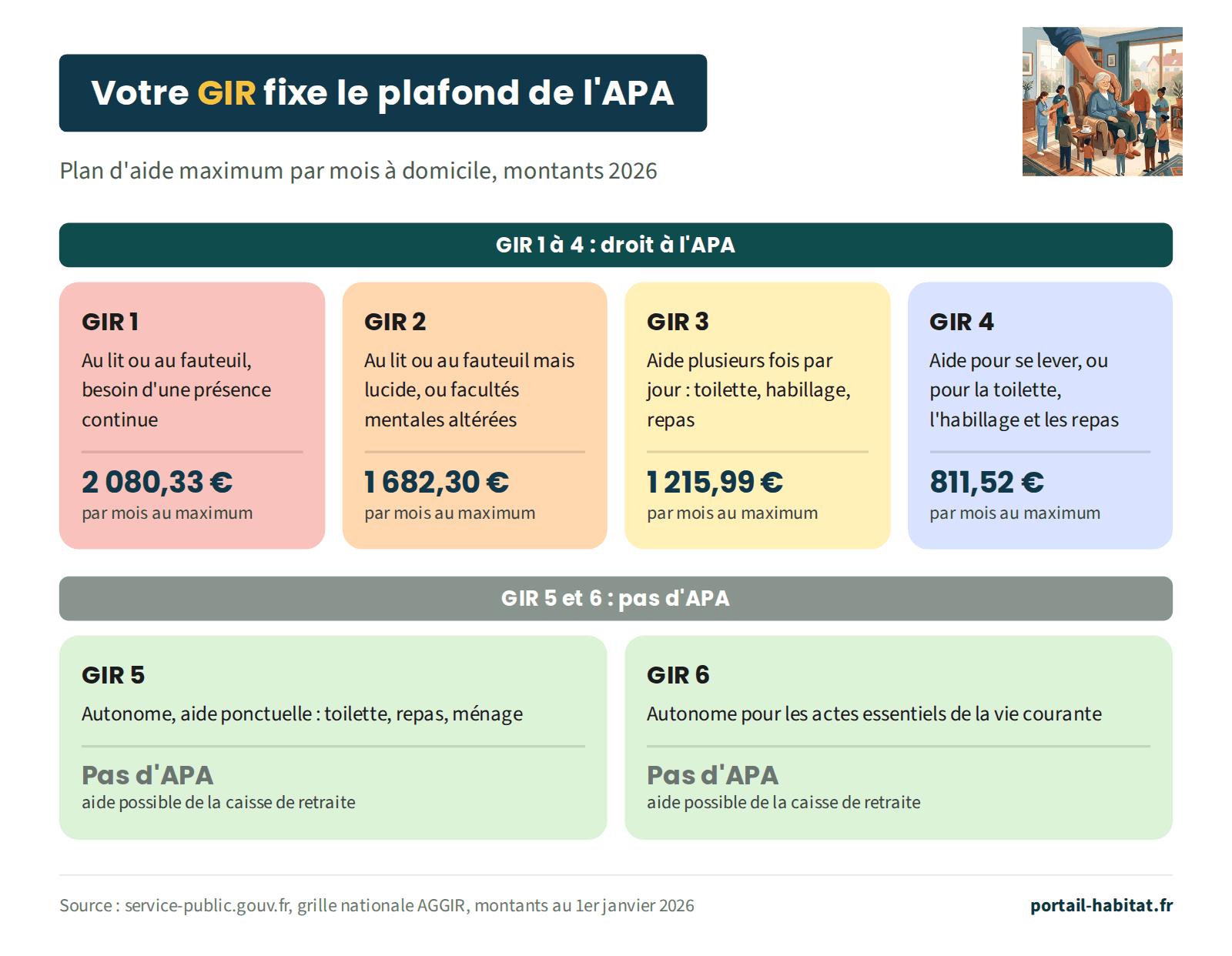
L'Allocation personnalisée d'autonomie (APA) est une aide financière destinée aux personnes de 60 ans ou plus pour financer leur maintien à domicile ou en établissement. Attribuée par le conseil départemental sans condition de ressources, elle finance un plan d'aide personnalisé couvrant les gestes essentiels du quotidien, dans la limite d'un plafond déterminé par le degré de perte d'autonomie. L'évaluation du bénéficiaire utilise la grille nationale AGGIR, classant la personne en l'un des six groupes iso-ressources. Un professionnel médico-social visite le domicile pour évaluer les capacités réelles. Une participation peut rester à la charge du bénéficiaire selon ses revenus, tandis que l'APA couvre le reste. Importante innovation : à partir du 1er septembre 2027, l'avance immédiate du crédit d'impôt de 50% pour l'emploi d'un salarié à domicile sera accessible aux bénéficiaires de l'APA, facilitant le financement des services d'aide à domicile.
Share on
MaPrimeAdapt' : simplifiez votre quotidien grâce à des volets roulants motorisés et connectés - Delta Dore
www.deltadore.fr
Oct. 10, 2026, 4:18 a.m.
Depuis 2024, MaPrimeAdapt' facilite le financement de travaux d'adaptation du logement pour améliorer l'accessibilité, le confort et l'autonomie des résidents. Parmi les solutions recommandées figure la motorisation des volets roulants, particulièrement utile pour les personnes à mobilité réduite. Cette technologie, notamment proposée par Delta Dore, permet de contrôler l'ensemble des volets via une simple commande ou une télécommande, éliminant la nécessité de se déplacer dans chaque pièce. Les solutions peuvent être intégrées à un écosystème domotique ou pilotées à distance. Ces aménagements peuvent être financés par MaPrimeAdapt' sous conditions d'éligibilité et de ressources, s'ils contribuent à faciliter l'usage du logement. Cette initiative répond à un enjeu majeur : 74 % des Français préfèrent rester chez eux en cas de perte d'autonomie. L'adaptation du logement devient ainsi un levier essentiel pour préserver l'indépendance et la qualité de vie des occupants.
Share on
Pays de Brest : ce service méconnu vous aide à obtenir MaPrimeAdapt’ et jusqu’à 22 000 € pour un logement adapté
www.maison-travaux.fr
Oct. 10, 2026, 4:18 a.m.
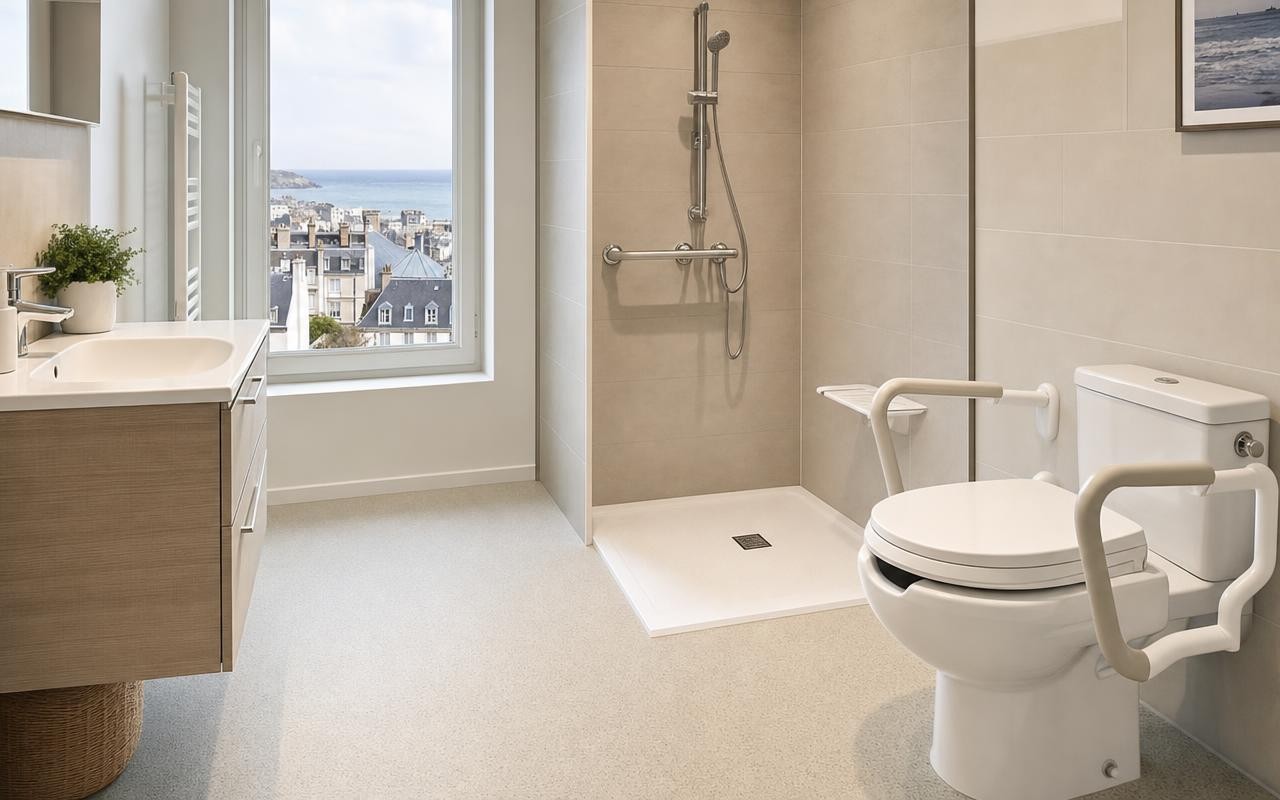
Le Pays de Brest dispose d'un service méconnu mais essentiel : Tinergie, créé en 2012 et renforcé en 2026 pour devenir un guichet unique du réseau France Rénov'. Ce dispositif accompagne les personnes âgées et en situation de handicap confrontées à des difficultés d'accessibilité dans leur logement. Porté par Brest métropole, Tinergie aide à naviguer les formulaires, devis et aides financières souvent décourageants. Le service s'appuie notamment sur MaPrimeAdapt', l'aide nationale lancée par l'Agence nationale de l'habitat en janvier 2024, qui finance jusqu'à 22 000 euros de travaux d'adaptation. Cette aide couvre les propriétaires occupants et locataires aux revenus modestes ou très modestes, avec une prise en charge de 50 à 70 % selon les situations. Accessible cinq jours sur sept au 02 98 33 20 09, Tinergie guide propriétaires, locataires et proches aidants dans l'identification de leurs droits et la constitution des dossiers, combinant MaPrimeAdapt' avec d'autres aides comme l'APA ou la PCH pour sécuriser les travaux et mobiliser au maximum les ressources disponibles.
Share on
Aidants : un besoin de répit encore largement insatisfait
www.lemediasocial.fr
Oct. 10, 2026, 4:18 a.m.
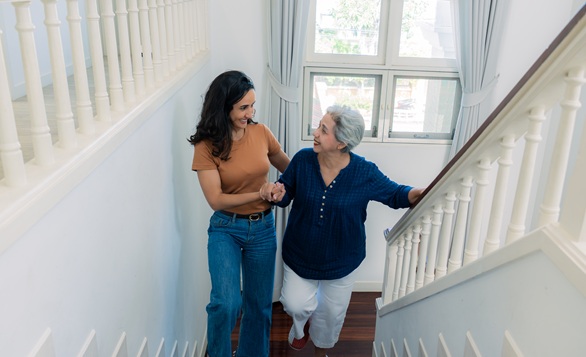
À l'occasion de la Journée nationale des aidants du 6 octobre, la Direction de la recherche, des études, de l'évaluation et des statistiques (Drees) a publié deux études révélant un besoin de répit largement insatisfait chez les proches aidants. La première analyse la situation des 5,9 millions de personnes apportant une aide à la vie quotidienne à un proche à domicile en 2022, tandis que la seconde, réalisée avec l'Institut des politiques publiques, compare l'état de santé des aidants dans plusieurs pays européens. Les résultats montrent que 36 % des aidants, soit 2,1 millions de personnes, déclarent avoir besoin de moments de pause. Ce besoin augmente significativement avec l'intensité de l'aide : 22 % pour moins d'une heure quotidienne contre 65 % pour cinq heures ou plus. Parmi les aidants réalisant des soins personnels, 48 % expriment un besoin de répit, proportion atteignant 53 % lors d'accompagnement à la mobilité. Ces données soulignent l'urgence de développer des dispositifs de répit adaptés pour préserver la santé physique et mentale des aidants.
Share on

Adapter le logement, la ville et les territoires à la révolution de la longévité
www.cahiers-espi2r.fr
Oct. 10, 2026, 4:17 a.m.
Luc Broussy, ancien conseiller général du Val-d'Oise et figure de proue des politiques de vieillissement en France, plaide pour une transformation radicale de l'approche du vieillissement démographique. Historiquement, les politiques françaises ont traité la dépendance sous un angle sanitaire et médicosocial, produisant des résultats tangibles comme la création de l'allocation personnalisée d'autonomie en 2001 et l'amélioration qualitative des Ehpad. Cependant, face à la transition démographique accélérée, une approche plus globale s'impose, intégrant le logement, les quartiers et les territoires. À partir des années 2010, l'action publique s'est réorientée vers l'adaptation sociétale au vieillissement, notamment via des rapports interministériels de 2013 et 2021. La décennie 2020-2030 connaîtra une hausse significative des 75-84 ans, passant de quatre à six millions. Cette évolution requiert une anticipation des fragilités et une transformation des politiques urbaines au-delà de la seule gestion médicale de la dépendance.
Share on

Congé de proche aidant : conditions, durée, indemnisation (AJPA)
www.juritravail.com
Oct. 10, 2026, 4:17 a.m.
Le congé de proche aidant permet aux salariés de cesser temporairement leur activité professionnelle pour s'occuper d'un proche en situation de handicap ou de perte d'autonomie. Accessible à tous les salariés sans condition d'ancienneté minimale, ce droit s'étend à un large cercle de proches : conjoint, ascendants, descendants, collatéraux jusqu'au quatrième degré, ainsi que toute personne âgée ou handicapée avec laquelle le salarié entretient des liens étroits. La suppression en 2022 de la condition de gravité du handicap ou de la perte d'autonomie a considérablement élargi le champ des bénéficiaires. L'employeur ne peut refuser ce congé ni rompre le contrat durant cette période, sauf faute grave. Depuis juillet 2024, les salariés proches aidants peuvent débloquer anticipativement les sommes placées sur un plan d'épargne d'entreprise, renforçant le soutien financier apporté aux aidants. Ces mesures reflètent l'engagement législatif envers la conciliation entre vie professionnelle et responsabilités familiales.
Share on
Les innovations dans le maintien à domicile des seniors
thaumedicalsante.com
Oct. 7, 2026, 6:57 p.m.
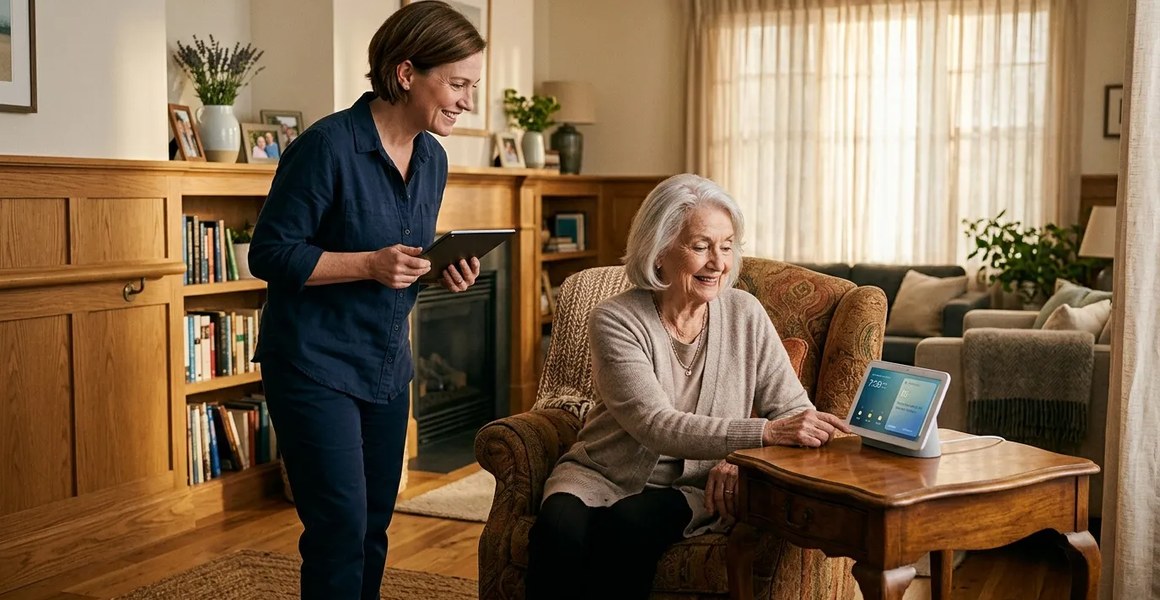
Chaque année en France, plus de 90 % des personnes âgées de 65 ans et plus déclarent vouloir vieillir chez elles. Ce souhait profond se heurte pourtant à des défis concrets : chutes, isolement, perte progressive d’autonomie, coordination des soins. Heureusement, le secteur du maintien à domicile des seniors connaît depuis quelques années une transformation remarquable, portée par des technologies accessibles et des organisations de soins repensées de fond en comble.
Share on