Extracellular vesicles in health, aging and disease
www.oncoscience.us
Oct. 10, 2026, 4:23 a.m.
# Professional Summary
Extracellular vesicles (EVs) represent a critical frontier in biomedical research, functioning as intercellular communication mediators with profound implications across health, aging, and disease states. These membrane-bound particles, including exosomes and microvesicles, facilitate the transfer of proteins, lipids, and nucleic acids between cells, playing essential roles in both physiological processes and pathological mechanisms. The comprehensive examination of EVs in this article highlights their emerging significance as diagnostic biomarkers and therapeutic targets across multiple disease contexts. Research demonstrates that EV composition and abundance shift characteristically during aging and in conditions such as cardiovascular disease, neurodegenerative disorders, and cancer, enabling potential disease detection and monitoring. The therapeutic potential of EVs extends to their use as natural drug delivery vehicles and platforms for regenerative medicine applications. Understanding EV biology is increasingly important for developing next-generation diagnostics and therapeutics, as these vesicles offer unprecedented insights into disease mechanisms and present innovative avenues for therapeutic intervention.
Share on
TGFB1 -Engineered Induced Mesenchymal Stromal Cells Exhibit High Immunomodulatory Potency and Durably Reprogram Synovial Macrophages in Osteoarthritis
www.biorxiv.org
Oct. 10, 2026, 4:23 a.m.
Researchers have developed TGFB1-engineered induced mesenchymal stromal cells (iMSCs) as a potential therapeutic approach for osteoarthritis. The study demonstrates that these genetically modified cells possess significantly enhanced immunomodulatory capabilities compared to conventional iMSCs. The engineered cells effectively reprogram synovial macrophages—immune cells present in the joint—shifting them toward an anti-inflammatory phenotype that promotes tissue repair. This reprogramming effect proved durable, suggesting sustained therapeutic benefit beyond initial treatment. The TGFB1 genetic modification appears critical to this enhanced function, as transforming growth factor-beta 1 is a key immunomodulatory molecule. These findings are particularly significant for osteoarthritis management, as the disease involves chronic joint inflammation and macrophage-driven tissue degradation. By durably altering the immune environment within affected joints, TGFB1-engineered iMSCs could potentially slow disease progression and reduce symptoms more effectively than existing cell-based therapies, offering a promising regenerative medicine strategy for this widespread degenerative condition.
Share on
Next-generation CAR-T cell therapy against cancer: precision engineering, programmable immunity, and emerging clinical frontiers - Journal of the Egyptian National Cancer Institute
link.springer.com
Oct. 10, 2026, 4:22 a.m.
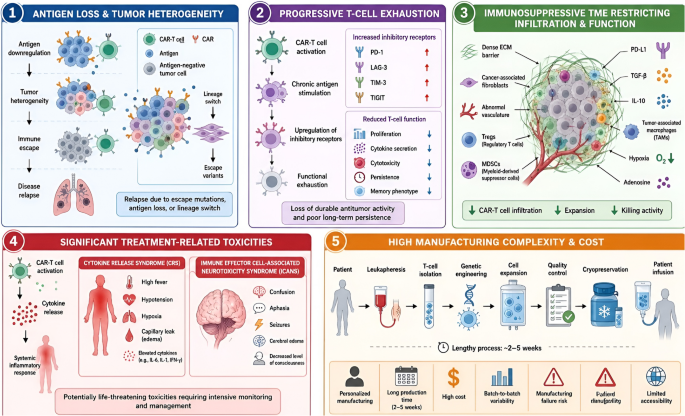
Next-generation CAR-T cell therapy represents a significant advancement in cancer treatment through precision engineering and programmable immunity approaches. Published in the Journal of the Egyptian National Cancer Institute in September 2026, this open-access review examines the latest developments in CAR-T technology, which involves genetically modifying T cells to recognize and attack cancer cells. The article explores how enhanced engineering techniques enable researchers to create more effective and controllable cellular therapies, addressing previous limitations in specificity, durability, and safety. Key advances include improved CAR designs, better manufacturing processes, and mechanisms for programming immune responses. The review covers emerging clinical applications and trial outcomes, demonstrating the expanding role of next-generation CAR-T therapies across various cancer types. This work matters because it highlights how precision immunotherapy approaches are revolutionizing oncology treatment options, offering patients potentially more effective therapies with fewer adverse effects. These developments position CAR-T cell therapy as a cornerstone of future cancer care strategies, particularly for patients with previously difficult-to-treat malignancies.
Share on
Drug Delivery Systems for Hepatocellular Carcinoma: Bridging Pathophysiological Barriers and Advanced Nanomedicine Strategies
www.dovepress.com
Oct. 10, 2026, 4:21 a.m.
Hepatocellular carcinoma presents significant therapeutic challenges due to its heterogeneity, complex tumor microenvironment, and multiple physiological barriers that reduce treatment efficacy and increase toxicity. Drug delivery systems, particularly nanoscale technologies, offer promising solutions to overcome these obstacles through passive targeting, active targeting, and stimuli-responsive drug release mechanisms. A comprehensive review by researchers at Nantong University, published in Drug Design, Development and Therapy in October 2026, systematically examines the pathophysiological rationale for designing effective delivery systems for HCC. The analysis considers key factors including aberrant vasculature, hypoxia, acidic pH, overexpressed enzymes, and immunosuppressive features within the tumor microenvironment, alongside liver-specific barriers. The authors evaluate progress and limitations of passive targeting, active targeting, stimuli-responsive approaches, and locoregional delivery strategies. While preclinical research has demonstrated substantial advances, clinical translation of most drug delivery systems remains challenging, highlighting the need for further development to bridge the gap between laboratory innovations and practical therapeutic applications in HCC treatment.
Share on
In Vivo Assembly and Disassembly of Nanoparticles: Recent Advances for Tumor Imaging and Treatment
www.sciltp.com
Oct. 10, 2026, 4:21 a.m.
Nanoparticles have become valuable tools for cancer diagnosis and treatment due to their optical, magnetic, and radioactive properties, enabling targeted drug delivery and controlled release. However, achieving optimal tumor targeting while maintaining appropriate metabolic clearance remains challenging. Recent advances in responsive assembly and disassembly strategies exploit the tumor microenvironment to address this limitation. By enabling in vivo assembly and disassembly, researchers can optimize nanoparticle biodistribution and metabolism, sequentially enhancing tumor accumulation while promoting systemic clearance. Simultaneously, the physicochemical properties of nanoparticles are precisely tuned through size and structural changes during these processes, improving theranostic performance. While previous reviews focused on how size variations affect biological outcomes like penetration and retention, this work distinctly addresses how size-dependent changes in intrinsic properties—particularly optical, magnetic, and radioactive characteristics of inorganic nanomaterials—can be leveraged for enhanced tumor imaging and therapeutic applications, representing a critical gap in current literature.
Share on
Eganelisib (IPI-549) in Hematological Malignancies
www.selleckchem.com
Oct. 7, 2026, 1:22 p.m.
Eganelisib (IPI-549) represents a first-in-class, highly selective inhibitor of phosphoinositide 3-kinase gamma (PI3Kγ), an enzyme uniquely expressed in myeloid cells within the tumor microenvironment. By targeting PI3Kγ, eganelisib repolarizes immunosuppressive tumor-associated macrophages toward inflammatory phenotypes, reduces accumulation of myeloid-derived suppressor cells, and enhances infiltration and activation of cytotoxic CD8+ T cells. Preclinical analyses demonstrate that while eganelisib monotherapy shows variable efficacy, its combination with immune checkpoint inhibitors, chemotherapy, or radiotherapy produces synergistic anti-tumor effects and substantially prolongs overall survival across solid tumor models. This selective approach addresses limitations of conventional therapies and immunotherapies by reprogramming rather than depleting myeloid populations that typically suppress anti-tumor immunity. The PI3Kγ pathway represents a promising therapeutic target due to its restricted expression profile, offering potential to overcome resistance mechanisms driven by the immunosuppressive tumor microenvironment.
Share on
Recent advances in CRISPR technologies for biomedical applications and disease treatment
www.thno.org
Oct. 7, 2026, 1:21 p.m.
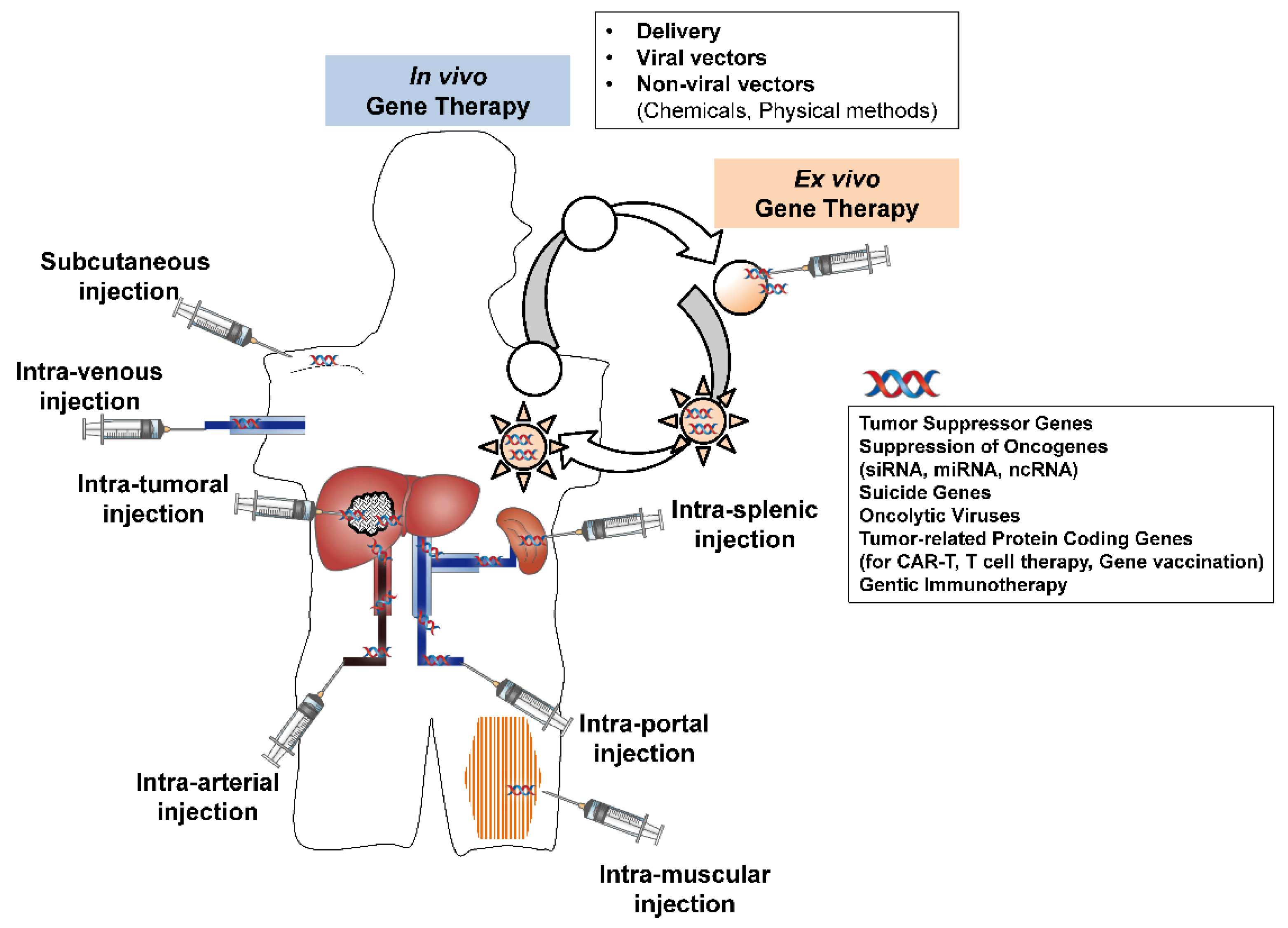
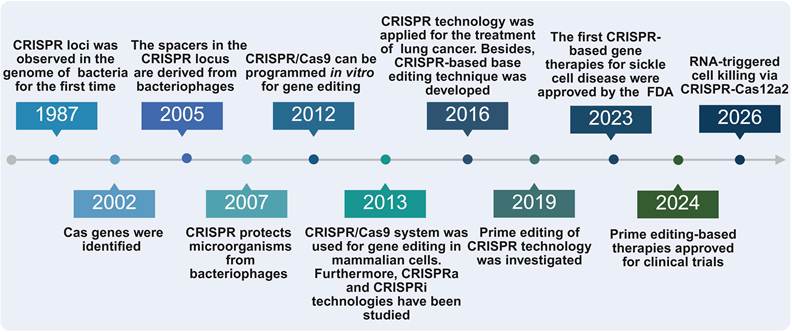
CRISPR technology, a precise genome-editing platform based on Clustered Regularly Interspaced Short Palindromic Repeats, has fundamentally transformed genetic engineering through its highly selective and programmable characteristics. This comprehensive review, published in Theranostics by researchers at West China Hospital, Sichuan University, examines recent advances in CRISPR biotechnology and its expanding applications across biomedical fields, including CRISPR screening and disease therapy. The efficacy of CRISPR-based treatments critically depends on optimized delivery strategies, which primarily employ physical, viral, and non-viral methods. Non-viral delivery systems show particular promise, offering advantages such as transient expression, low immunogenicity, and fewer cargo size constraints. Multiple biomaterial carriers—including inorganic nanoparticles, polymeric nanoparticles, lipid nanoparticles, metal-organic frameworks, DNA origami, and virus-like particles—demonstrate strong potential for delivering CRISPR components. The review synthesizes molecular principles underlying CRISPR technology, evaluates recent treatment advances and delivery vectors, and addresses ongoing challenges. As preclinical and clinical trials progress, these developments will determine CRISPR's full therapeutic capabilities for treating genetic disorders and exploring disease mechanisms.
Share on
Room-temperature synthesis of ultrasmall redox-responsive nanogels for tumor-microenvironment-triggered drug release and preliminary in vivo antitumor evaluation
www.nature.com
Oct. 7, 2026, 1:21 p.m.
Researchers have successfully developed a room-temperature synthesis method for creating ultrasmall redox-active nanoparticles, addressing a significant challenge in nanomaterial production that previously required elevated temperatures and complex procedures. This breakthrough synthesis technique enables the direct generation of these nanoparticles under ambient conditions, dramatically simplifying manufacturing processes and reducing energy consumption. The ultrasmall redox-active nanoparticles produced demonstrate enhanced catalytic and electrochemical properties compared to their larger counterparts, making them particularly valuable for applications in energy storage, catalysis, and biomedical devices. The key innovation lies in the simplified reaction pathway that maintains precise control over particle size and composition while eliminating traditional heating requirements. This advancement matters significantly for industrial implementation and commercialization of nanomaterial-based technologies, as room-temperature synthesis reduces production costs, improves safety profiles, and enables scalable manufacturing. The findings open new possibilities for developing high-performance nanoparticle applications across battery technologies, environmental remediation, and medical diagnostics, while offering manufacturers a more sustainable and economically viable production pathway.
Development of Novel Prodrug Systems to Improve Bioavailability and Therapeutic Efficacy in Cancer Chemotherapy
www.ijpsjournal.com
Oct. 7, 2026, 1:20 p.m.
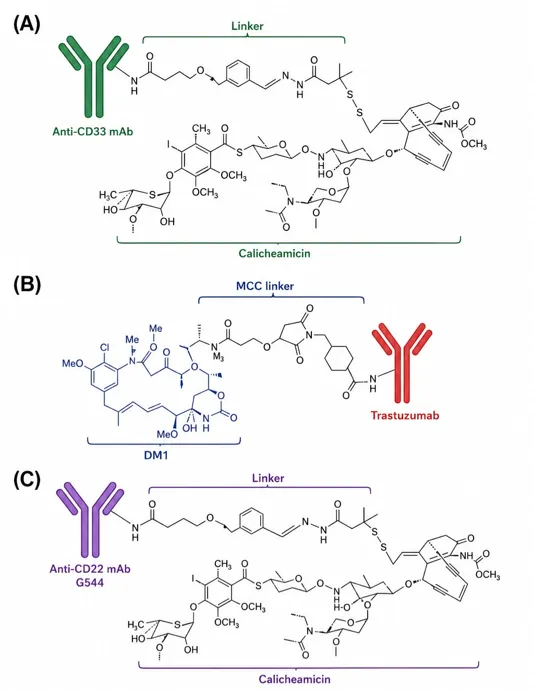
This article examines the development and clinical application of prodrug systems designed to enhance cancer chemotherapy efficacy. Prodrugs are inactive pharmaceutical compounds that become therapeutically active only after metabolic conversion in the body, offering improved bioavailability and targeted drug delivery. The research encompasses multiple prodrug strategies, including peptide-based conjugates, polymer-drug combinations, and antibody-conjugate systems. Notable examples discussed include DTS-108, a peptidic prodrug of SN38; IT-101, a cyclodextrin-polymer conjugate of camptothecin; and trastuzumab-DM1, targeting HER2-positive breast cancer. Additional approaches cover prostate-specific antigen-activated prodrugs for selective cancer cell elimination and cholesterol-conjugated oligonucleotide therapies enhancing hepatic uptake. These innovative prodrug systems address critical pharmaceutical challenges, including poor drug solubility, systemic toxicity, and insufficient tumor targeting. By converting inactive precursors into active compounds at disease sites, prodrug technology substantially improves therapeutic efficacy while minimizing adverse effects, representing a significant advancement in personalized cancer treatment and establishing a foundation for future targeted anticancer agent development.
How Long Do Stem Cells Stay in the Body?
mediland.clinic
Oct. 3, 2026, 4:21 a.m.
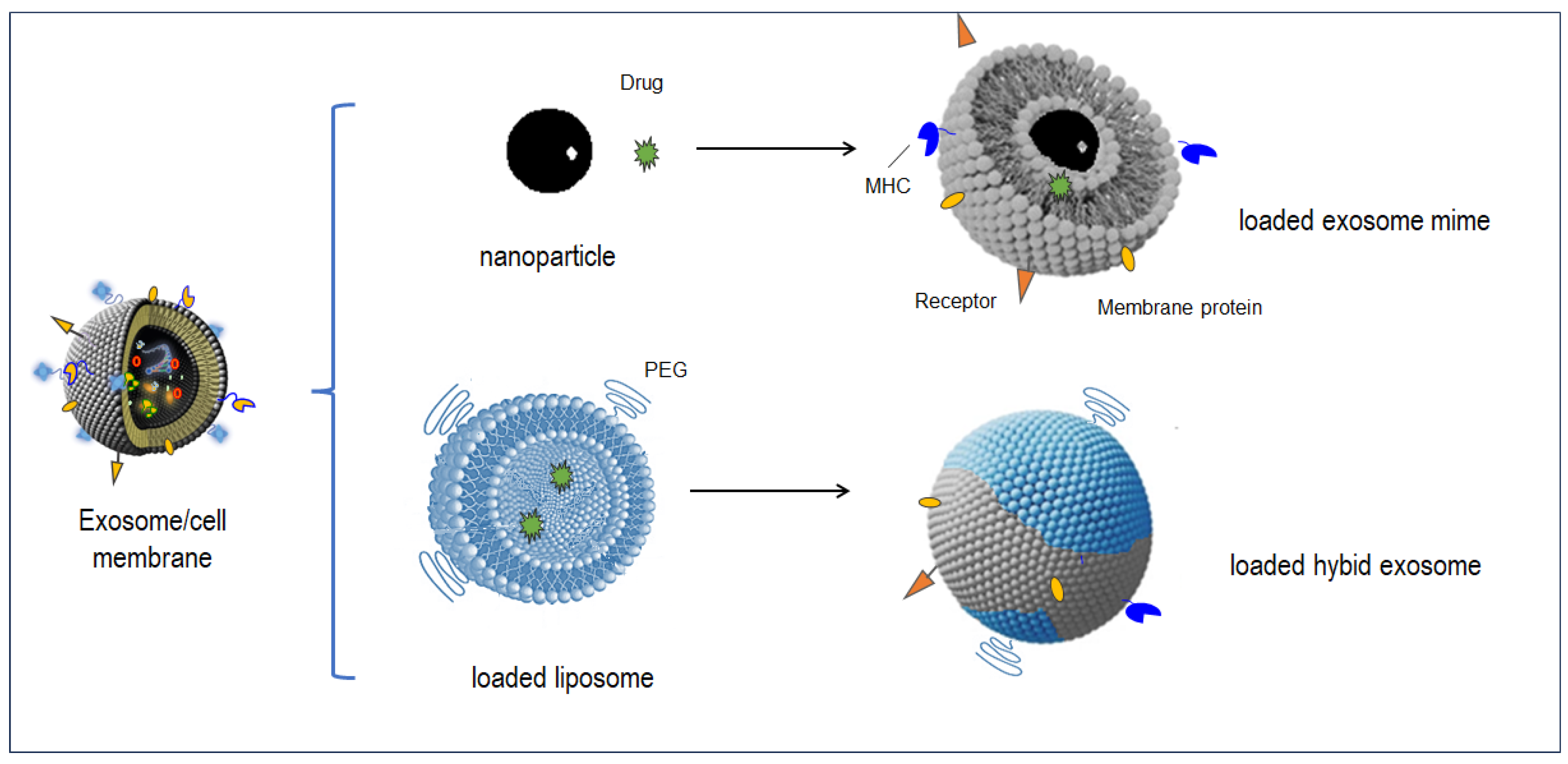
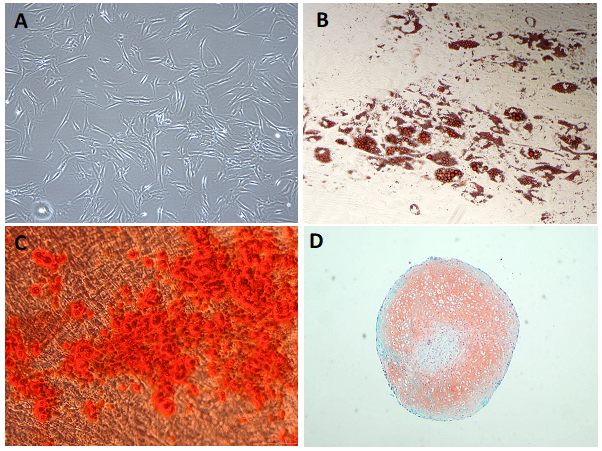
Stem cell-based medicine is far more complex than the simplified narrative of cells traveling to damaged tissue, repairing it, and disappearing. Following administration, therapeutic cells navigate a dynamic biological environment shaped by blood flow, immune surveillance, inflammatory signals, and cellular communication. Mesenchymal stromal/stem cells (MSCs), a primary focus of cell therapy research, often produce therapeutic benefits even when few administered cells persist in target tissue. This observation has fundamentally shifted scientific understanding from a simple cell replacement model toward one encompassing transient cellular activity, paracrine signaling, immunomodulation, and extracellular vesicles (EVs). After intravenous administration, many MSCs are rapidly retained in pulmonary microcirculation before redistribution and clearance through the liver, spleen, and immune system. Persistence duration varies significantly—from hours to days or longer—depending on cell type, source, culture conditions, dose, administration route, disease state, and detection methods. Critically, detecting cellular material does not confirm the presence of living, functionally active cells. Emerging research also focuses on extracellular vesicles including exosomes as cell-free therapeutic alternatives. These nano-scale structures transport proteins, lipids, RNA, and microRNA between cells, offering shorter circulation times but potentially prolonged downstream biological effects, representing a distinct therapeutic paradigm in regenerative medicine.
Share on
成果発表について | 先進ゲノム支援(先進ゲノム解析研究推進プラットフォーム)
www.genome-sci.jp
Oct. 3, 2026, 4:20 a.m.
Japanese research institutions have announced several significant genomic and cellular biology breakthroughs. A collaborative team from the University of Tokyo, RIKEN, and Rikkyo University systematically analyzed previously unknown genes in the marine bacterium SAR11 using AlphaFold AI protein structure prediction combined with genomic information, identifying genes involved in nutrient uptake and viral defense. Their findings, published in mSystems in September 2026, suggest that the "unknome"—collections of functionally uncharacterized genes—holds crucial insights into SAR11's marine dominance. At Tokyo Science University, researchers discovered a novel cancer development mechanism involving DNA demethylation independent of genomic mutations. The YAP1-TEAD complex activation induces DNA demethylation through TET1, enabling hepatocellular carcinoma formation without typical driver gene mutations, findings published in Communications Biology. Meanwhile, the National Institute of Genetics revealed that euchromatin forms fluid yet condensed nanometer-scale domains stabilized by cohesin proteins, which prevent domain mixing and enable proper nearby gene transcription, published in Nature Genetics. These discoveries advance understanding of genomic function and cancer mechanisms with potential applications in future research and industry.
Share on
Sequential-Delivery Gel Microspheres Integrating HAase-Mediated ECM Remodeling and GA-Active Targeting for Deep Tumor Penetration in TACE-Treated HCC
www.dovepress.com
Oct. 3, 2026, 4:20 a.m.
Researchers from Zhejiang Chinese Medical University have developed an innovative cascade-delivery composite gel microsphere system designed to overcome a major limitation in treating hepatocellular carcinoma: inadequate drug penetration into tumors during transcatheter arterial chemoembolization (TACE). The system, designated HAase/BUF NPs-GM, integrates three sequential mechanisms: hyaluronidase-mediated microenvironment remodeling to break down tumor barriers, glycyrrhetinic acid-mediated active targeting for specificity, and pH-responsive drug release for controlled delivery. The formulation encapsulates bufalin-loaded nanoparticles and hyaluronidase within carboxymethyl chitosan and sodium alginate gel microspheres, with barium sulfate added for radiopacity during imaging-guided delivery. Comprehensive characterization confirmed optimal particle size, drug loading capacity, and hemocompatibility. Testing in Huh-7 hepatocellular carcinoma cells and rabbit VX2 orthotopic liver tumor models demonstrated significant antitumor efficacy with enhanced deep tumor penetration. This multi-modal approach addresses a critical clinical challenge by enabling superior intratumoral drug distribution during TACE, potentially improving treatment outcomes for hepatocellular carcinoma patients.
Share on
Exploring tumor-derived exosomes as promising antigenic
www.frontiersin.org
Oct. 3, 2026, 4:19 a.m.
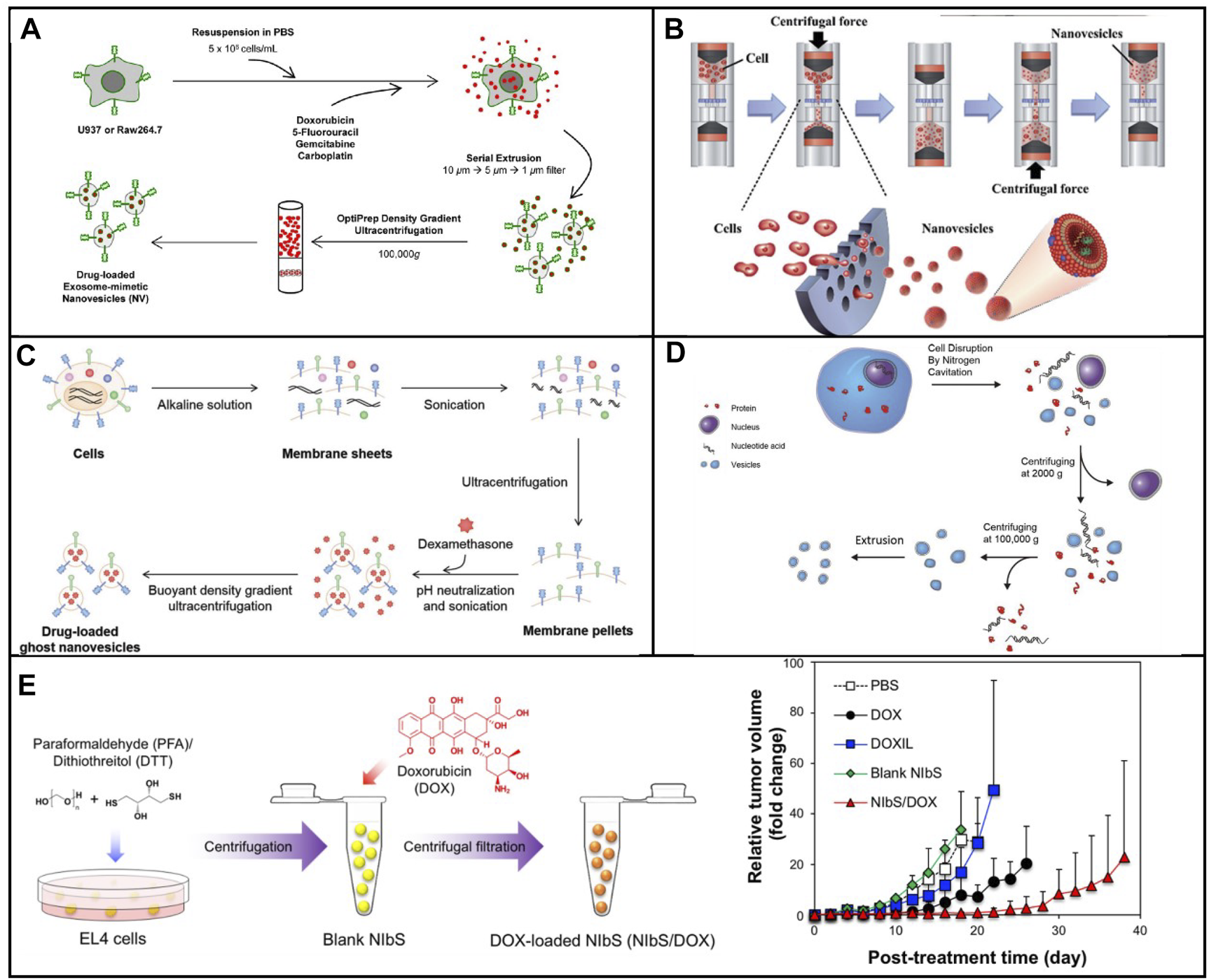
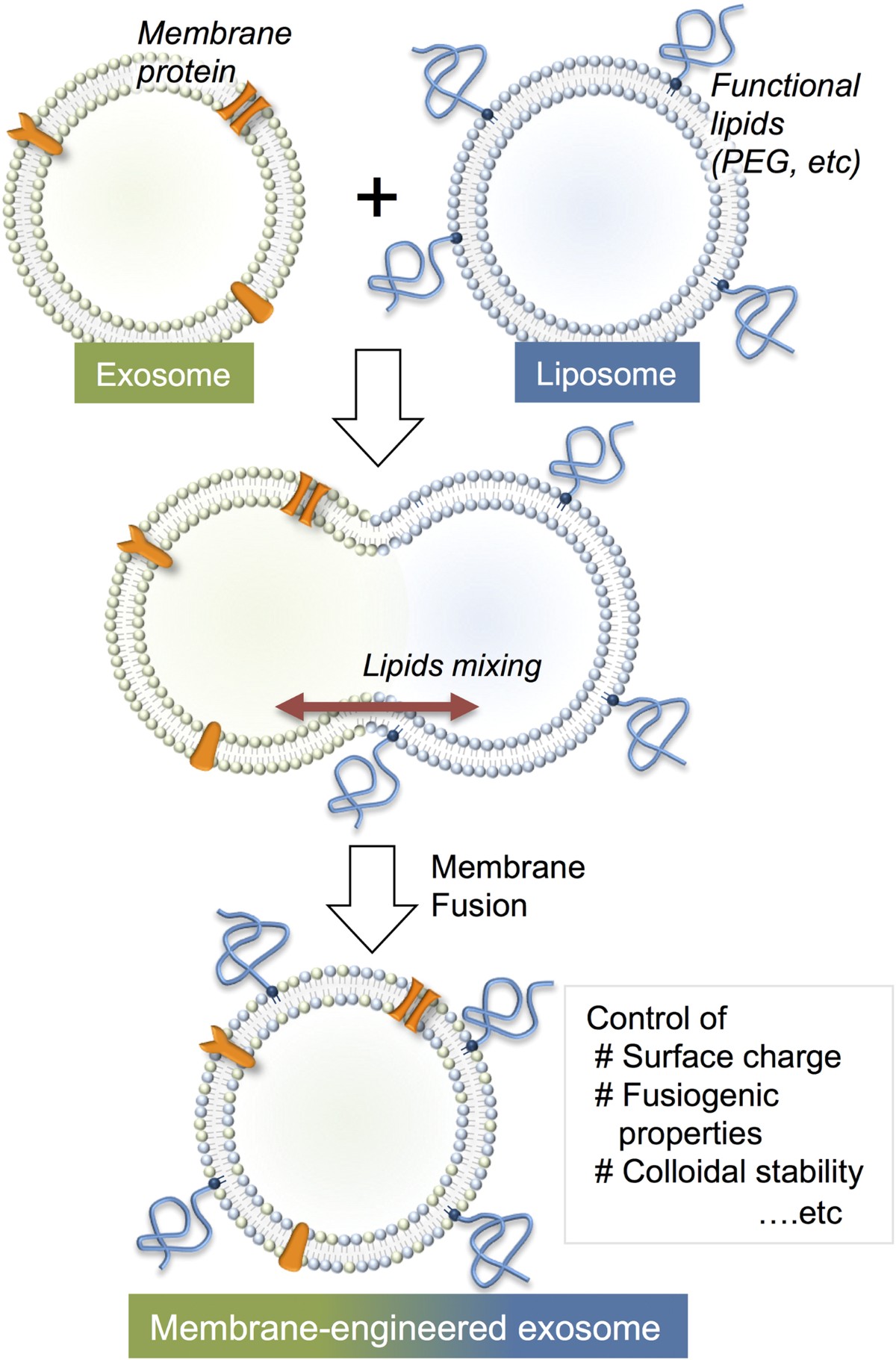
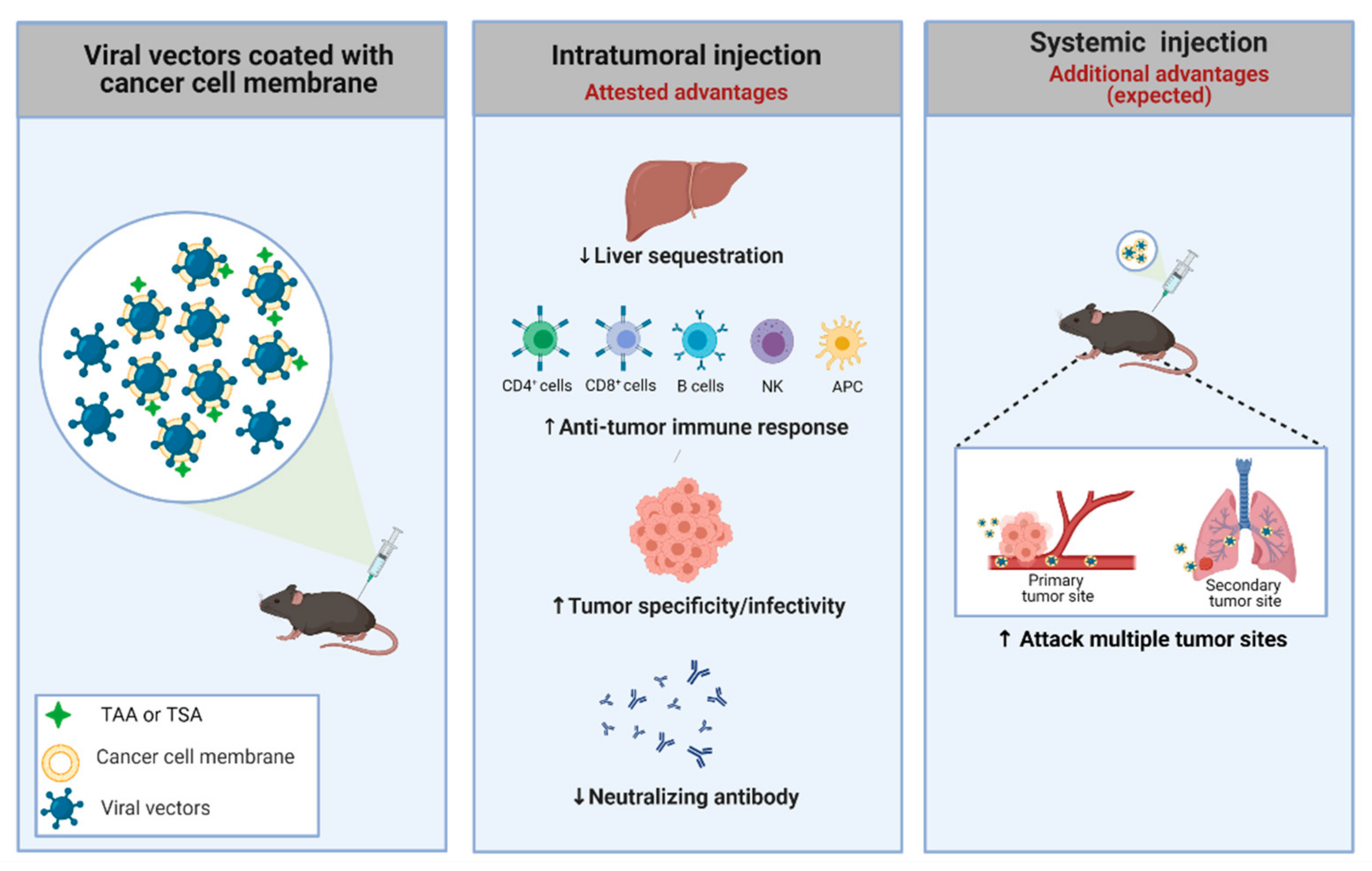
Researchers Liu and Wang investigate tumor-derived exosomes as innovative antigenic platforms for developing cancer vaccines and immunotherapy strategies targeting "cold" colorectal cancer. Cold tumors, characterized by low immunogenicity and limited immune cell infiltration, present significant therapeutic challenges. The study examines how exosomes—small extracellular vesicles naturally secreted by tumor cells—can be engineered to enhance immune recognition and activation. Tumor-derived exosomes carry tumor-associated antigens and immunomodulatory molecules, making them promising candidates for personalized cancer vaccination approaches. The authors explore exosome engineering techniques to amplify their antigenic properties and overcome the immunosuppressive tumor microenvironment. This research published in Frontiers in Immunology demonstrates that leveraging tumor-derived exosomes could transform immunotherapy strategies for colorectal cancer by converting immunologically cold tumors into hot, immunologically active ones, potentially improving therapeutic outcomes and patient survival rates through enhanced anti-tumor immunity.
Share on
Nanofabrication of Stimuli-Responsive Nanocarriers for Targeted Overcoming of Chemoresistance in Triple Negative Breast Cancer
www.ijpsjournal.com
Oct. 3, 2026, 4:19 a.m.
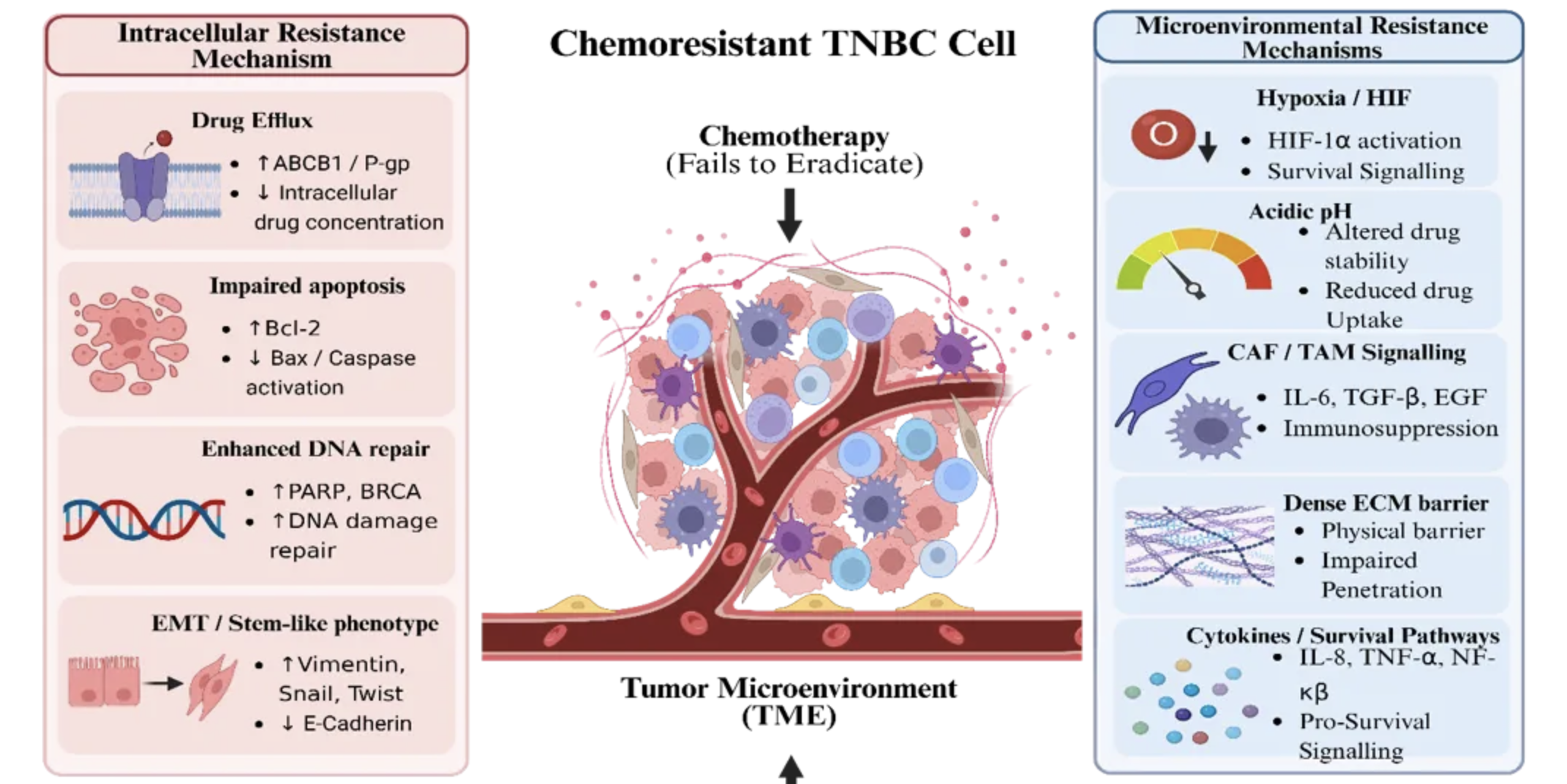
Triple Negative Breast Cancer (TNBC), comprising 15-20% of all breast cancer cases, presents significant clinical challenges due to the absence of estrogen receptor, progesterone receptor, and HER2 expression, rendering conventional targeted therapies ineffective and resulting in poorer outcomes with higher recurrence and metastasis rates. A critical barrier to TNBC treatment is chemoresistance, which develops through multiple mechanisms including upregulation of drug efflux transporters, altered apoptotic pathways, enhanced DNA repair capacity, and epithelial-mesenchymal transition, compounded by tumor microenvironment factors such as hypoxia, stromal interactions, and acidic pH. Conventional chemotherapy's non-specific distribution causes systemic toxicity while failing to accumulate in chemoresistant tumor niches, reducing treatment efficacy. This review examines nanofabrication strategies employing stimuli-responsive nanocarriers designed to overcome these limitations. These advanced carriers respond to tumor-specific stimuli including pH, enzymes, temperature, and redox conditions, enabling selective drug delivery that enhances bioavailability, facilitates intracellular penetration, circumvents efflux mechanisms, and modulates the tumor microenvironment. Nanofabrication techniques provide precise control over nanocarrier size, shape, surface characteristics, and drug release profiles, optimizing therapeutic outcomes for TNBC chemoresistance management.
Surface Functionality and pH Govern Structural Dynamics
www.biorxiv.org
Sept. 30, 2026, 1:19 p.m.
Researchers have investigated how surface functionality and pH conditions govern the structural dynamics and drug binding properties of two dendrimer types: polyetherimide-based dendrimers (PETIM) and polyamidoamine dendrimers (PAMAM). Dendrimers are highly branched polymeric molecules with potential applications in drug delivery systems. The study examined how variations in surface chemical groups and environmental pH alter the three-dimensional conformation of these dendrimers and their ability to bind pharmaceutical compounds. Key findings indicate that both surface functionality and pH significantly influence dendrimer structure, with implications for their effectiveness as drug carriers. The pH-dependent behavior is particularly important since biological systems operate across varying pH ranges. Understanding these structural dynamics is critical for optimizing dendrimer-based therapeutics, as proper drug binding and controlled release depend on maintaining appropriate dendrimer conformations. This research provides valuable insights for pharmaceutical development, potentially enhancing the design of more effective dendrimer-mediated drug delivery systems suitable for clinical applications.
Share on
Advances in Versatile Copper Sulfide-Based Nanoplatforms: From Synthesis and Properties to Multifaceted Biomedical Applications
www.dovepress.com
Sept. 30, 2026, 1:19 p.m.
Copper sulfide nanoparticles have emerged as versatile functional materials with significant biomedical applications, according to research published in the International Journal of Nanomedicine. Led by researchers from Huzhou Normal University's Zhejiang Key Laboratory of Biology and Ecological Regulation of Crop Pathogens and Insects, this comprehensive review examines advances in copper sulfide-based nanoplatforms. These materials demonstrate responsiveness to near-infrared light, catalytic activity, and tunable electronic structures, making them ideal for integrated diagnostic and therapeutic designs. Controlled synthetic strategies enable precise tailoring of size, morphology, crystalline phase, and surface characteristics. The nanoparticles function simultaneously as imaging-active components, drug carriers, and bioresponsive modulators in composite systems. Applications span tumor therapy, wound healing, biosensing, multimodal imaging, anti-inflammatory interventions, and cardiovascular treatment. The review emphasizes mechanism-driven design strategies and signal amplification capabilities, highlighting how copper sulfide nanoplatforms support contrast enhancement in diagnostics. The authors underscore copper sulfide's promise as an adaptable platform for integrated therapeutic strategies, while discussing current challenges and future research directions in this evolving field.
Share on
Frontiers | Multifunctional Cu2-xSe nanomaterials for cancer theranostics: recent advances, therapeutic mechanisms, and translational challenges
www.frontiersin.org
Sept. 30, 2026, 1:19 p.m.
Researchers at Yangzhou University and affiliated institutions have published a comprehensive review of Cu₂₋ₓSe nanomaterials as multifunctional agents for cancer diagnosis and therapy. This copper selenide nanoparticle platform demonstrates remarkable versatility through multiple therapeutic mechanisms. Cu₂₋ₓSe enhances immunotherapy by reshaping the immunosuppressive tumor microenvironment and triggering immunogenic cell death. The nanomaterial exhibits nanozyme-like activities that disrupt tumor cell redox homeostasis, enabling chemodynamic therapy while functioning as a cuproptosis inducer and autophagy inhibitor that arrests cell cycles and impairs mitochondrial function. Beyond therapeutic capabilities, Cu₂₋ₓSe serves as a theranostic agent combining photoacoustic imaging with multiple treatment modalities including thermoelectric catalytic therapy, photothermal therapy, and photodynamic therapy. This integration of diagnostic imaging with multi-modal therapeutics enables combined and imaging-guided treatments. The review synthesizes recent encouraging findings in Cu₂₋ₓSe-based tumor research, positioning these nanomaterials as promising candidates for next-generation nanomedicine approaches that simultaneously improve diagnostic accuracy and therapeutic efficacy in cancer care.
Share on
Engineered Source-Specific Extracellular Vesicles for Neurodegenerative Diseases: From Biological Barriers to Targeted Delivery Strategies
www.dovepress.com
Sept. 30, 2026, 1:19 p.m.
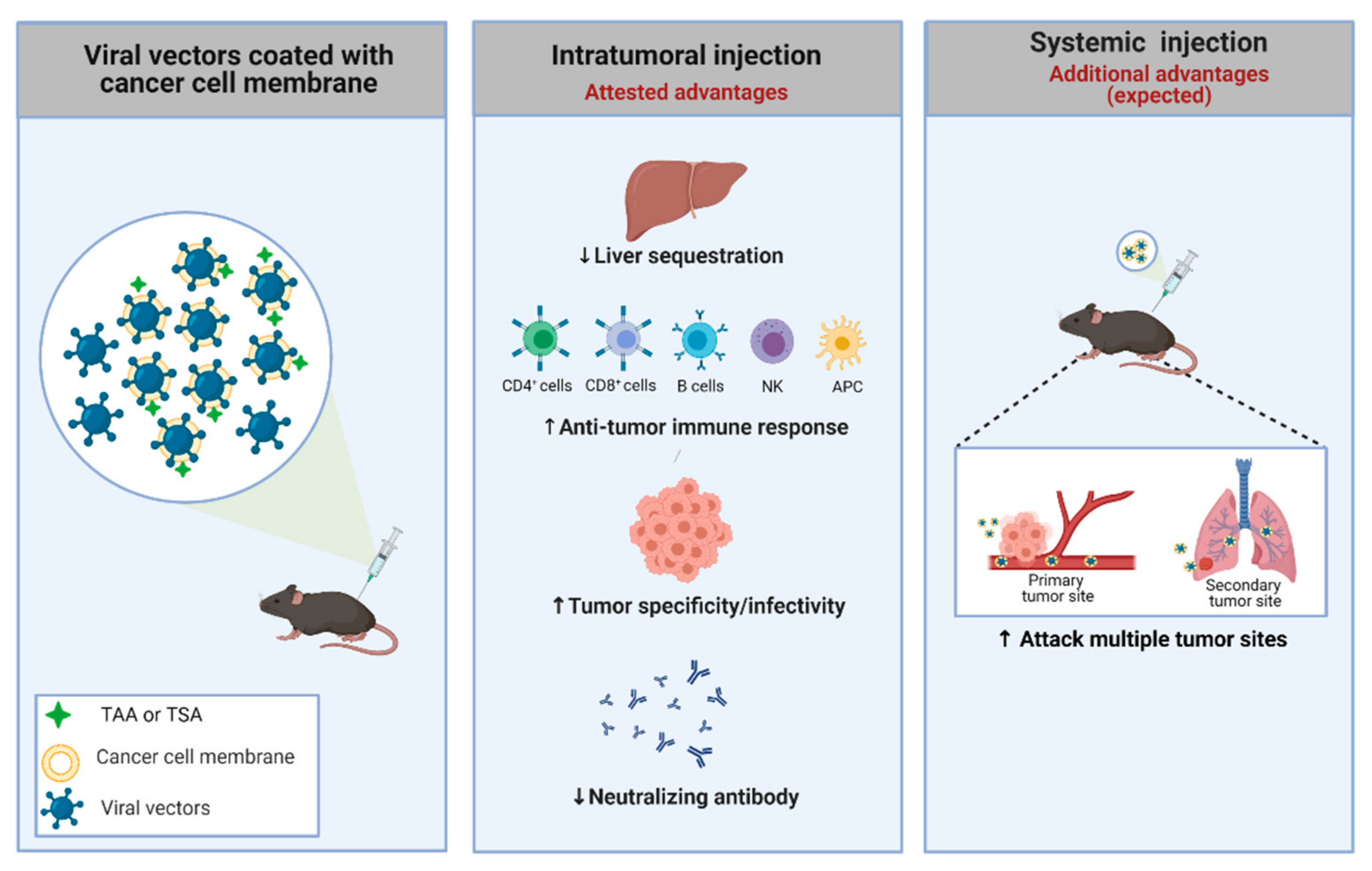
Neurodegenerative diseases pose an escalating public health challenge as the global population ages, with complex pathological mechanisms including protein aggregation, neuroinflammation, synaptic impairment, and mitochondrial dysfunction that resist traditional single-target drug approaches. Researchers from Zhejiang Chinese Medical University and affiliated institutions have reviewed engineered extracellular vesicles (EVs) as innovative multi-target nanotherapeutics for treating these disorders. EVs naturally encapsulate diverse functional cargoes—proteins, lipids, and nucleic acids—and possess advantageous properties including low immunogenicity, excellent biocompatibility, and intrinsic capacity to cross the blood-brain barrier. Through genetic, chemical, and physical engineering, these vesicles function as programmable nanotherapeutic platforms. To address cost and scalability limitations of mammalian cell-derived EVs, researchers propose plant-derived EV-like nanoparticles as a sustainable "green" alternative. This comprehensive review, published in the International Journal of Nanomedicine, evaluates how engineered source-specific EVs represent a transformative approach to overcoming neurodegenerative disease complexity through simultaneous targeting of multiple pathological pathways.
Share on
A narrative review of barrier-matched engineering of macrophages for solid tumor immunotherapy: design logic, translational barriers and clinical outlook - Wu - Translational Cancer Research
tcr.amegroups.org
Sept. 30, 2026, 1:18 p.m.
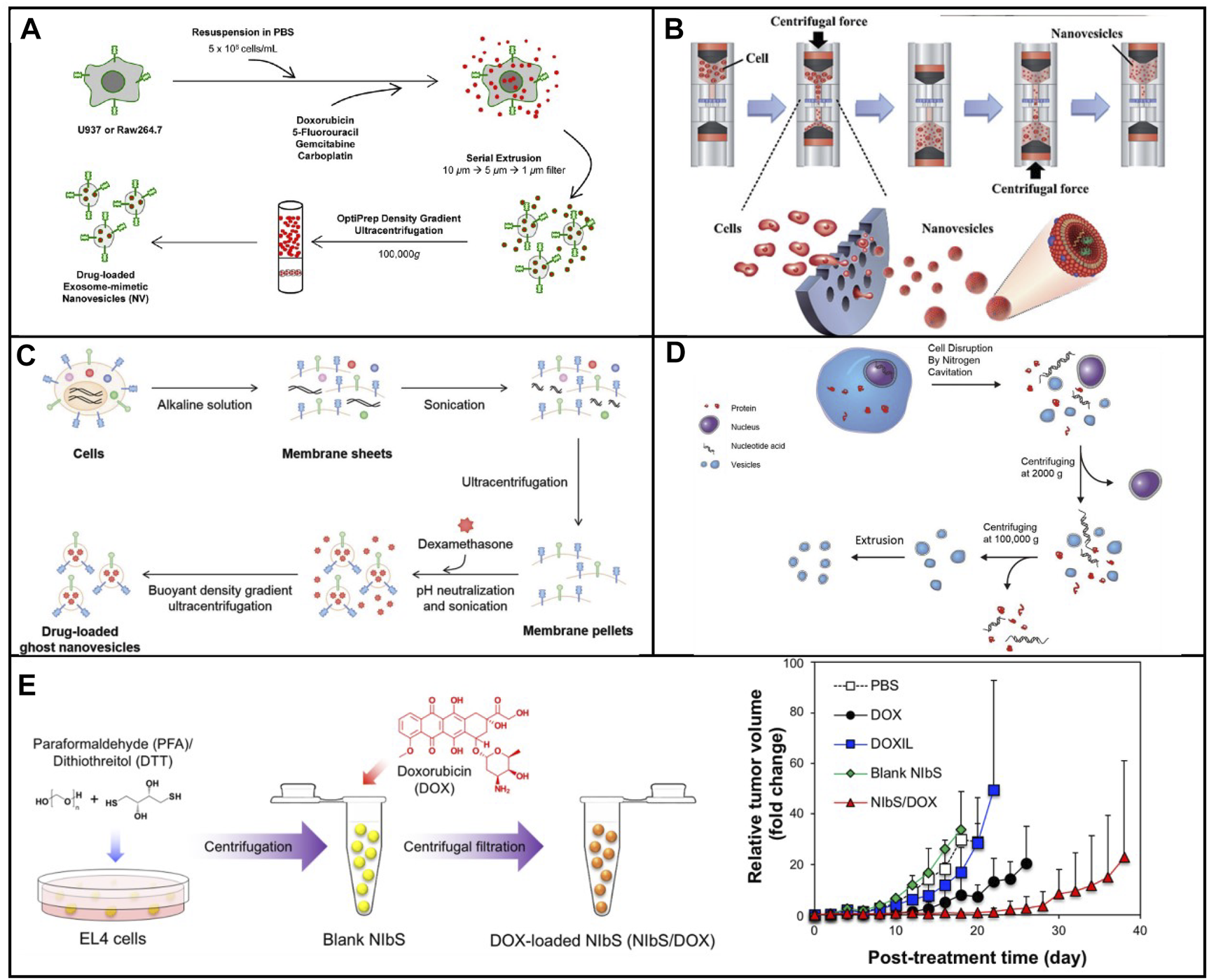
Solid tumors present formidable challenges for adoptive cell therapy, unlike hematologic malignancies, due to complex anatomical and functional barriers that prevent immune cells from reaching, penetrating, and functioning within tumor sites. While chimeric antigen receptor T-cell (CAR-T) therapy has demonstrated clinical success in blood cancers, these approaches often fail in solid tumors where antigen recognition alone proves insufficient. This narrative review examines engineered macrophage therapy as a promising alternative, leveraging macrophages' natural abundance in tumor microenvironments and their capacity for phagocytosis, antigen presentation, and immune regulation. However, engineered macrophages face a critical challenge: the immunosuppressive tumor microenvironment drives macrophage plasticity toward tumor-supportive M2-like phenotypes, mediated by factors including IL-10, TGF-β, CSF-1, hypoxia, lactate, and adenosine. The review systematically addresses five interconnected barriers—tumor targeting, phenotype stabilization, phagocytosis enhancement, cargo-enabled engineering, and cell sourcing—alongside early clinical development progress. By linking engineering strategies to their intended functions and evidence strength, this analysis provides a comprehensive framework for overcoming translational uncertainties in macrophage-based solid tumor therapies.
Share on
Anti-PD-1/L1 nanobodies as a promising and innovative approach in cancer immunotherapy - Journal of Nanobiotechnology
link.springer.com
Sept. 26, 2026, 4:22 a.m.
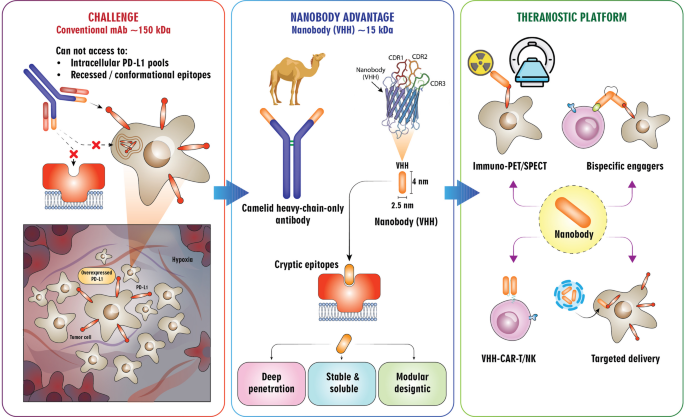
Researchers have identified anti-PD-1/L1 nanobodies as a promising innovative strategy for cancer immunotherapy. Nanobodies, which are single-domain antibody fragments derived from camelids, offer distinct advantages over conventional monoclonal antibodies by targeting programmed death receptor 1 and its ligand. These smaller, more stable molecules demonstrate enhanced tissue penetration and reduced immunogenicity compared to full-length antibodies. The review, published in the Journal of Nanobiotechnology, examines how anti-PD-1/L1 nanobodies can effectively block immune checkpoint pathways that tumors exploit to evade detection. Their compact structure enables improved manufacturing efficiency and cost-effectiveness while maintaining therapeutic potency. This approach addresses significant limitations of existing checkpoint inhibitors, including lower immunotoxicity profiles and potential for combination therapies. The findings suggest anti-PD-1/L1 nanobodies represent a transformative development in immuno-oncology, offering patients and clinicians improved treatment options with potentially better safety profiles and broader clinical applications across cancer types.
Share on