How Long Do Stem Cells Stay in the Body?
mediland.clinic
Oct. 3, 2026, 4:21 a.m.
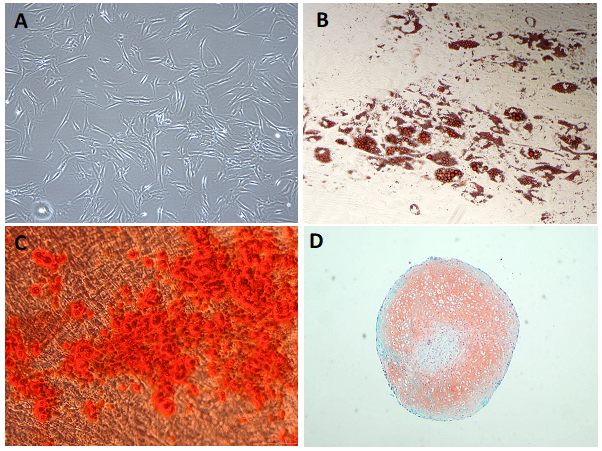
Stem cell-based medicine is far more complex than the simplified narrative of cells traveling to damaged tissue, repairing it, and disappearing. Following administration, therapeutic cells navigate a dynamic biological environment shaped by blood flow, immune surveillance, inflammatory signals, and cellular communication. Mesenchymal stromal/stem cells (MSCs), a primary focus of cell therapy research, often produce therapeutic benefits even when few administered cells persist in target tissue. This observation has fundamentally shifted scientific understanding from a simple cell replacement model toward one encompassing transient cellular activity, paracrine signaling, immunomodulation, and extracellular vesicles (EVs). After intravenous administration, many MSCs are rapidly retained in pulmonary microcirculation before redistribution and clearance through the liver, spleen, and immune system. Persistence duration varies significantly—from hours to days or longer—depending on cell type, source, culture conditions, dose, administration route, disease state, and detection methods. Critically, detecting cellular material does not confirm the presence of living, functionally active cells. Emerging research also focuses on extracellular vesicles including exosomes as cell-free therapeutic alternatives. These nano-scale structures transport proteins, lipids, RNA, and microRNA between cells, offering shorter circulation times but potentially prolonged downstream biological effects, representing a distinct therapeutic paradigm in regenerative medicine.
Share on
成果発表について | 先進ゲノム支援(先進ゲノム解析研究推進プラットフォーム)
www.genome-sci.jp
Oct. 3, 2026, 4:20 a.m.
Japanese research institutions have announced several significant genomic and cellular biology breakthroughs. A collaborative team from the University of Tokyo, RIKEN, and Rikkyo University systematically analyzed previously unknown genes in the marine bacterium SAR11 using AlphaFold AI protein structure prediction combined with genomic information, identifying genes involved in nutrient uptake and viral defense. Their findings, published in mSystems in September 2026, suggest that the "unknome"—collections of functionally uncharacterized genes—holds crucial insights into SAR11's marine dominance. At Tokyo Science University, researchers discovered a novel cancer development mechanism involving DNA demethylation independent of genomic mutations. The YAP1-TEAD complex activation induces DNA demethylation through TET1, enabling hepatocellular carcinoma formation without typical driver gene mutations, findings published in Communications Biology. Meanwhile, the National Institute of Genetics revealed that euchromatin forms fluid yet condensed nanometer-scale domains stabilized by cohesin proteins, which prevent domain mixing and enable proper nearby gene transcription, published in Nature Genetics. These discoveries advance understanding of genomic function and cancer mechanisms with potential applications in future research and industry.
Share on
Sequential-Delivery Gel Microspheres Integrating HAase-Mediated ECM Remodeling and GA-Active Targeting for Deep Tumor Penetration in TACE-Treated HCC
www.dovepress.com
Oct. 3, 2026, 4:20 a.m.
Researchers from Zhejiang Chinese Medical University have developed an innovative cascade-delivery composite gel microsphere system designed to overcome a major limitation in treating hepatocellular carcinoma: inadequate drug penetration into tumors during transcatheter arterial chemoembolization (TACE). The system, designated HAase/BUF NPs-GM, integrates three sequential mechanisms: hyaluronidase-mediated microenvironment remodeling to break down tumor barriers, glycyrrhetinic acid-mediated active targeting for specificity, and pH-responsive drug release for controlled delivery. The formulation encapsulates bufalin-loaded nanoparticles and hyaluronidase within carboxymethyl chitosan and sodium alginate gel microspheres, with barium sulfate added for radiopacity during imaging-guided delivery. Comprehensive characterization confirmed optimal particle size, drug loading capacity, and hemocompatibility. Testing in Huh-7 hepatocellular carcinoma cells and rabbit VX2 orthotopic liver tumor models demonstrated significant antitumor efficacy with enhanced deep tumor penetration. This multi-modal approach addresses a critical clinical challenge by enabling superior intratumoral drug distribution during TACE, potentially improving treatment outcomes for hepatocellular carcinoma patients.
Share on
Exploring tumor-derived exosomes as promising antigenic
www.frontiersin.org
Oct. 3, 2026, 4:19 a.m.
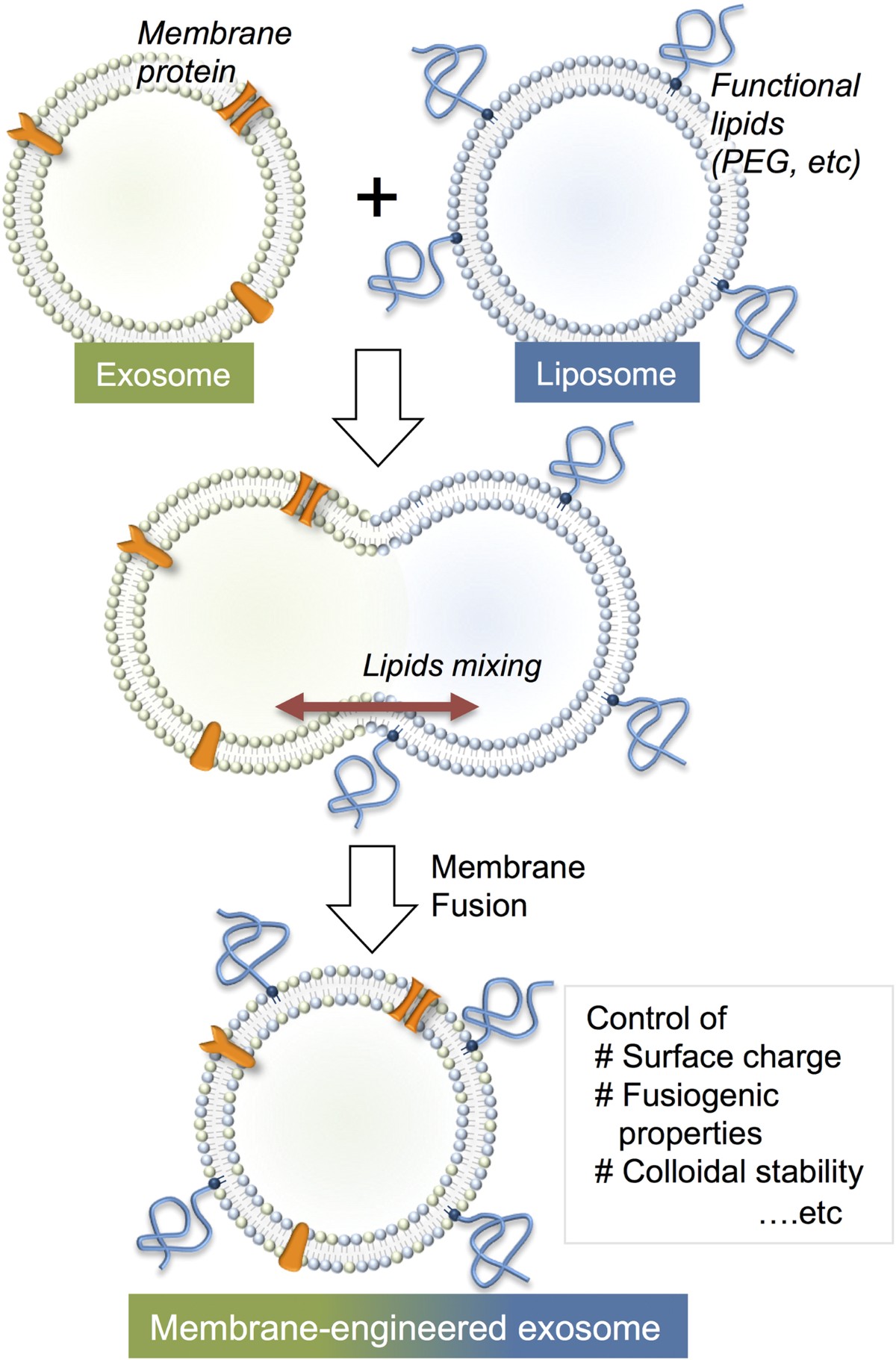
Researchers Liu and Wang investigate tumor-derived exosomes as innovative antigenic platforms for developing cancer vaccines and immunotherapy strategies targeting "cold" colorectal cancer. Cold tumors, characterized by low immunogenicity and limited immune cell infiltration, present significant therapeutic challenges. The study examines how exosomes—small extracellular vesicles naturally secreted by tumor cells—can be engineered to enhance immune recognition and activation. Tumor-derived exosomes carry tumor-associated antigens and immunomodulatory molecules, making them promising candidates for personalized cancer vaccination approaches. The authors explore exosome engineering techniques to amplify their antigenic properties and overcome the immunosuppressive tumor microenvironment. This research published in Frontiers in Immunology demonstrates that leveraging tumor-derived exosomes could transform immunotherapy strategies for colorectal cancer by converting immunologically cold tumors into hot, immunologically active ones, potentially improving therapeutic outcomes and patient survival rates through enhanced anti-tumor immunity.
Share on
Nanofabrication of Stimuli-Responsive Nanocarriers for Targeted Overcoming of Chemoresistance in Triple Negative Breast Cancer
www.ijpsjournal.com
Oct. 3, 2026, 4:19 a.m.
Triple Negative Breast Cancer (TNBC), comprising 15-20% of all breast cancer cases, presents significant clinical challenges due to the absence of estrogen receptor, progesterone receptor, and HER2 expression, rendering conventional targeted therapies ineffective and resulting in poorer outcomes with higher recurrence and metastasis rates. A critical barrier to TNBC treatment is chemoresistance, which develops through multiple mechanisms including upregulation of drug efflux transporters, altered apoptotic pathways, enhanced DNA repair capacity, and epithelial-mesenchymal transition, compounded by tumor microenvironment factors such as hypoxia, stromal interactions, and acidic pH. Conventional chemotherapy's non-specific distribution causes systemic toxicity while failing to accumulate in chemoresistant tumor niches, reducing treatment efficacy. This review examines nanofabrication strategies employing stimuli-responsive nanocarriers designed to overcome these limitations. These advanced carriers respond to tumor-specific stimuli including pH, enzymes, temperature, and redox conditions, enabling selective drug delivery that enhances bioavailability, facilitates intracellular penetration, circumvents efflux mechanisms, and modulates the tumor microenvironment. Nanofabrication techniques provide precise control over nanocarrier size, shape, surface characteristics, and drug release profiles, optimizing therapeutic outcomes for TNBC chemoresistance management.
Share on
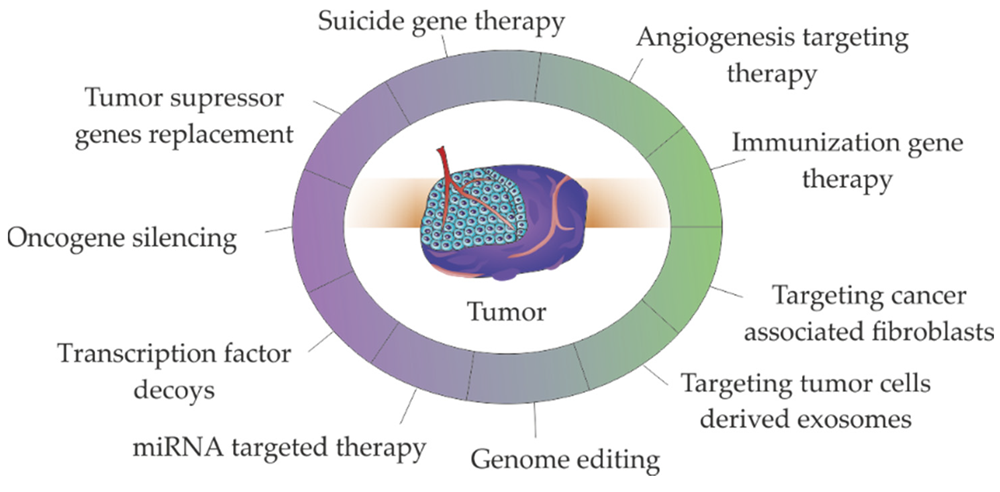
Surface Functionality and pH Govern Structural Dynamics
www.biorxiv.org
Sept. 30, 2026, 1:19 p.m.
Researchers have investigated how surface functionality and pH conditions govern the structural dynamics and drug binding properties of two dendrimer types: polyetherimide-based dendrimers (PETIM) and polyamidoamine dendrimers (PAMAM). Dendrimers are highly branched polymeric molecules with potential applications in drug delivery systems. The study examined how variations in surface chemical groups and environmental pH alter the three-dimensional conformation of these dendrimers and their ability to bind pharmaceutical compounds. Key findings indicate that both surface functionality and pH significantly influence dendrimer structure, with implications for their effectiveness as drug carriers. The pH-dependent behavior is particularly important since biological systems operate across varying pH ranges. Understanding these structural dynamics is critical for optimizing dendrimer-based therapeutics, as proper drug binding and controlled release depend on maintaining appropriate dendrimer conformations. This research provides valuable insights for pharmaceutical development, potentially enhancing the design of more effective dendrimer-mediated drug delivery systems suitable for clinical applications.
Share on
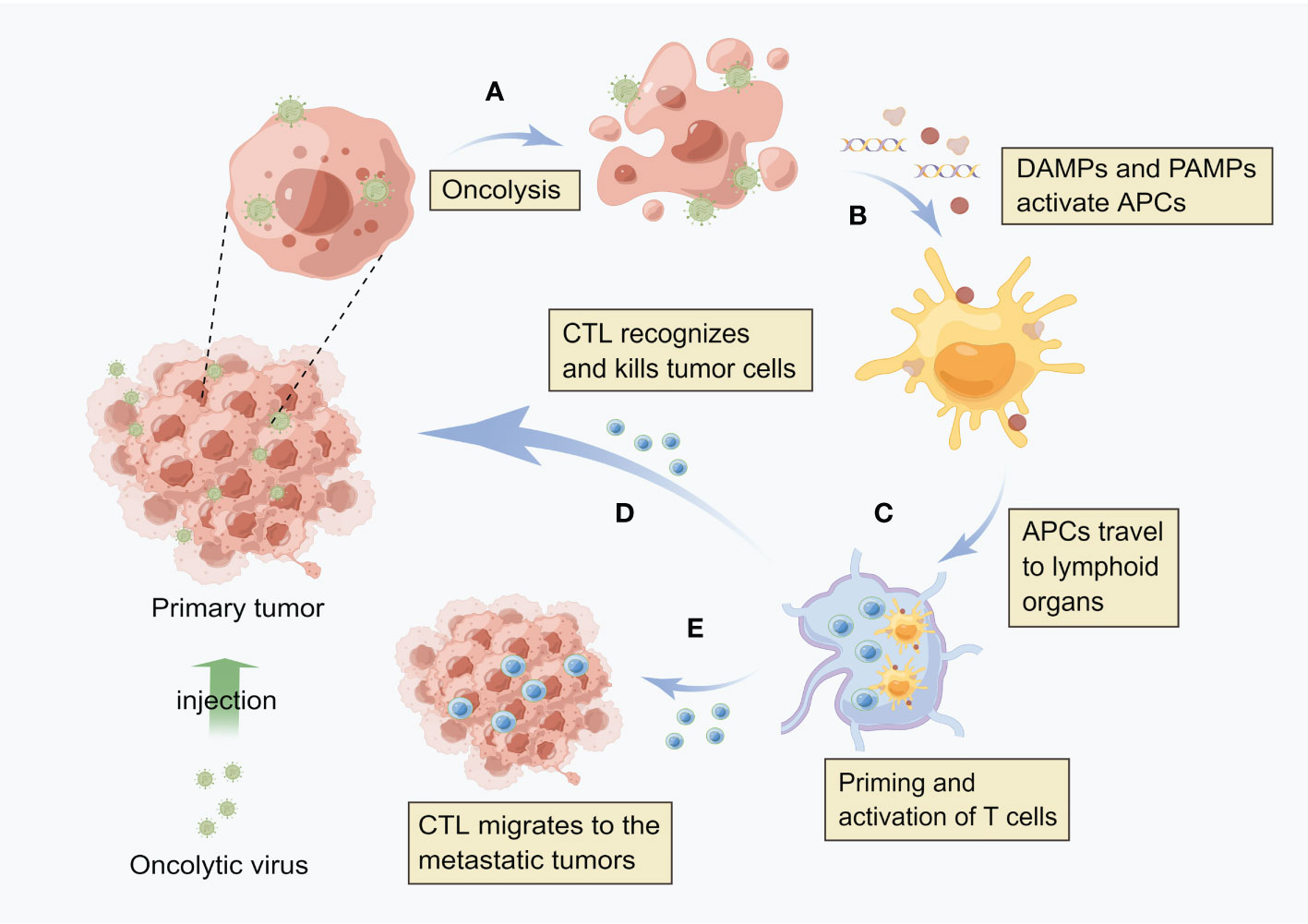
Advances in Versatile Copper Sulfide-Based Nanoplatforms: From Synthesis and Properties to Multifaceted Biomedical Applications
www.dovepress.com
Sept. 30, 2026, 1:19 p.m.
Copper sulfide nanoparticles have emerged as versatile functional materials with significant biomedical applications, according to research published in the International Journal of Nanomedicine. Led by researchers from Huzhou Normal University's Zhejiang Key Laboratory of Biology and Ecological Regulation of Crop Pathogens and Insects, this comprehensive review examines advances in copper sulfide-based nanoplatforms. These materials demonstrate responsiveness to near-infrared light, catalytic activity, and tunable electronic structures, making them ideal for integrated diagnostic and therapeutic designs. Controlled synthetic strategies enable precise tailoring of size, morphology, crystalline phase, and surface characteristics. The nanoparticles function simultaneously as imaging-active components, drug carriers, and bioresponsive modulators in composite systems. Applications span tumor therapy, wound healing, biosensing, multimodal imaging, anti-inflammatory interventions, and cardiovascular treatment. The review emphasizes mechanism-driven design strategies and signal amplification capabilities, highlighting how copper sulfide nanoplatforms support contrast enhancement in diagnostics. The authors underscore copper sulfide's promise as an adaptable platform for integrated therapeutic strategies, while discussing current challenges and future research directions in this evolving field.
Share on

Frontiers | Multifunctional Cu2-xSe nanomaterials for cancer theranostics: recent advances, therapeutic mechanisms, and translational challenges
www.frontiersin.org
Sept. 30, 2026, 1:19 p.m.
Researchers at Yangzhou University and affiliated institutions have published a comprehensive review of Cu₂₋ₓSe nanomaterials as multifunctional agents for cancer diagnosis and therapy. This copper selenide nanoparticle platform demonstrates remarkable versatility through multiple therapeutic mechanisms. Cu₂₋ₓSe enhances immunotherapy by reshaping the immunosuppressive tumor microenvironment and triggering immunogenic cell death. The nanomaterial exhibits nanozyme-like activities that disrupt tumor cell redox homeostasis, enabling chemodynamic therapy while functioning as a cuproptosis inducer and autophagy inhibitor that arrests cell cycles and impairs mitochondrial function. Beyond therapeutic capabilities, Cu₂₋ₓSe serves as a theranostic agent combining photoacoustic imaging with multiple treatment modalities including thermoelectric catalytic therapy, photothermal therapy, and photodynamic therapy. This integration of diagnostic imaging with multi-modal therapeutics enables combined and imaging-guided treatments. The review synthesizes recent encouraging findings in Cu₂₋ₓSe-based tumor research, positioning these nanomaterials as promising candidates for next-generation nanomedicine approaches that simultaneously improve diagnostic accuracy and therapeutic efficacy in cancer care.
Share on
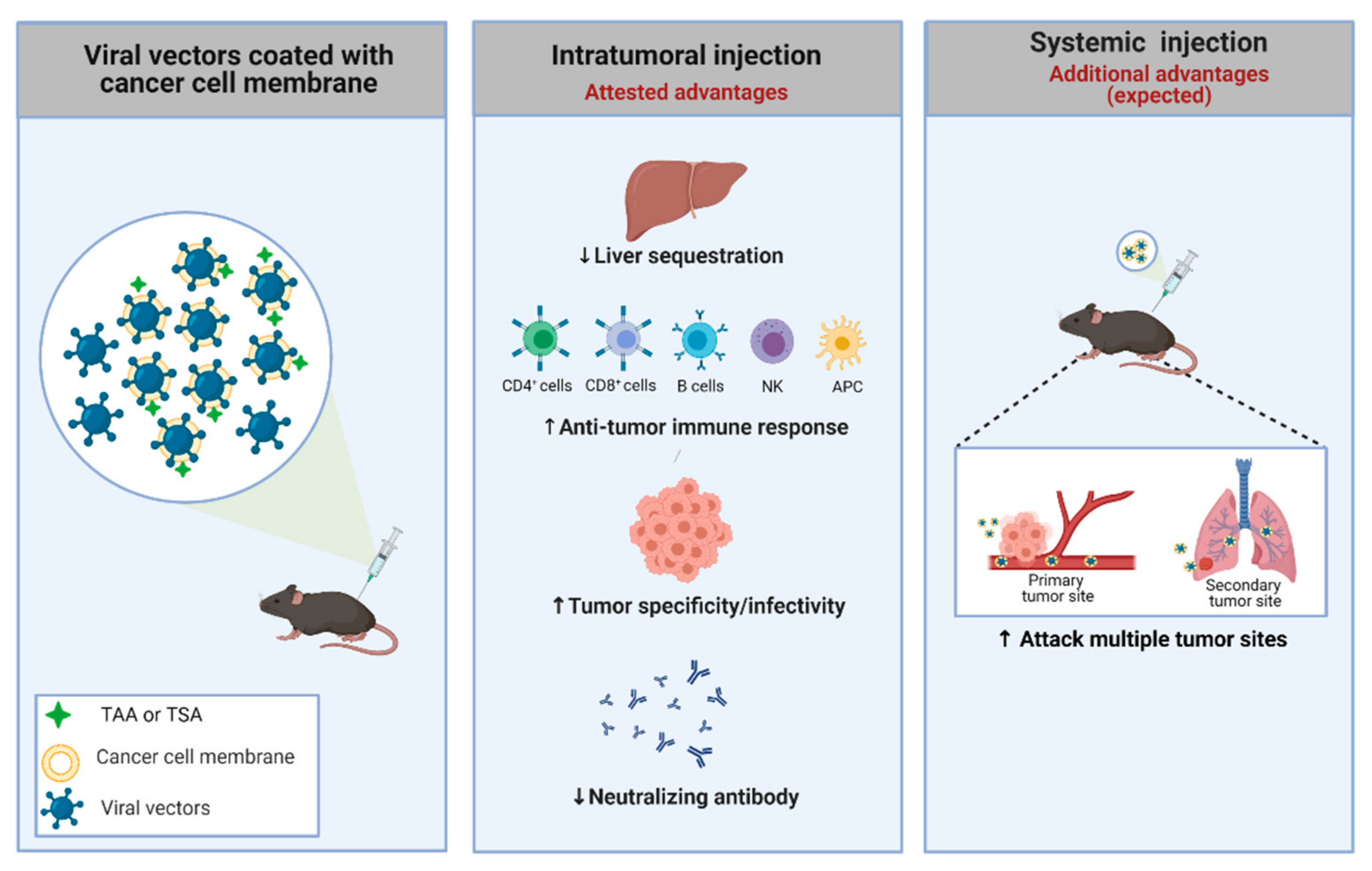
Engineered Source-Specific Extracellular Vesicles for Neurodegenerative Diseases: From Biological Barriers to Targeted Delivery Strategies
www.dovepress.com
Sept. 30, 2026, 1:19 p.m.
Neurodegenerative diseases pose an escalating public health challenge as the global population ages, with complex pathological mechanisms including protein aggregation, neuroinflammation, synaptic impairment, and mitochondrial dysfunction that resist traditional single-target drug approaches. Researchers from Zhejiang Chinese Medical University and affiliated institutions have reviewed engineered extracellular vesicles (EVs) as innovative multi-target nanotherapeutics for treating these disorders. EVs naturally encapsulate diverse functional cargoes—proteins, lipids, and nucleic acids—and possess advantageous properties including low immunogenicity, excellent biocompatibility, and intrinsic capacity to cross the blood-brain barrier. Through genetic, chemical, and physical engineering, these vesicles function as programmable nanotherapeutic platforms. To address cost and scalability limitations of mammalian cell-derived EVs, researchers propose plant-derived EV-like nanoparticles as a sustainable "green" alternative. This comprehensive review, published in the International Journal of Nanomedicine, evaluates how engineered source-specific EVs represent a transformative approach to overcoming neurodegenerative disease complexity through simultaneous targeting of multiple pathological pathways.
Share on
A narrative review of barrier-matched engineering of macrophages for solid tumor immunotherapy: design logic, translational barriers and clinical outlook - Wu - Translational Cancer Research
tcr.amegroups.org
Sept. 30, 2026, 1:18 p.m.
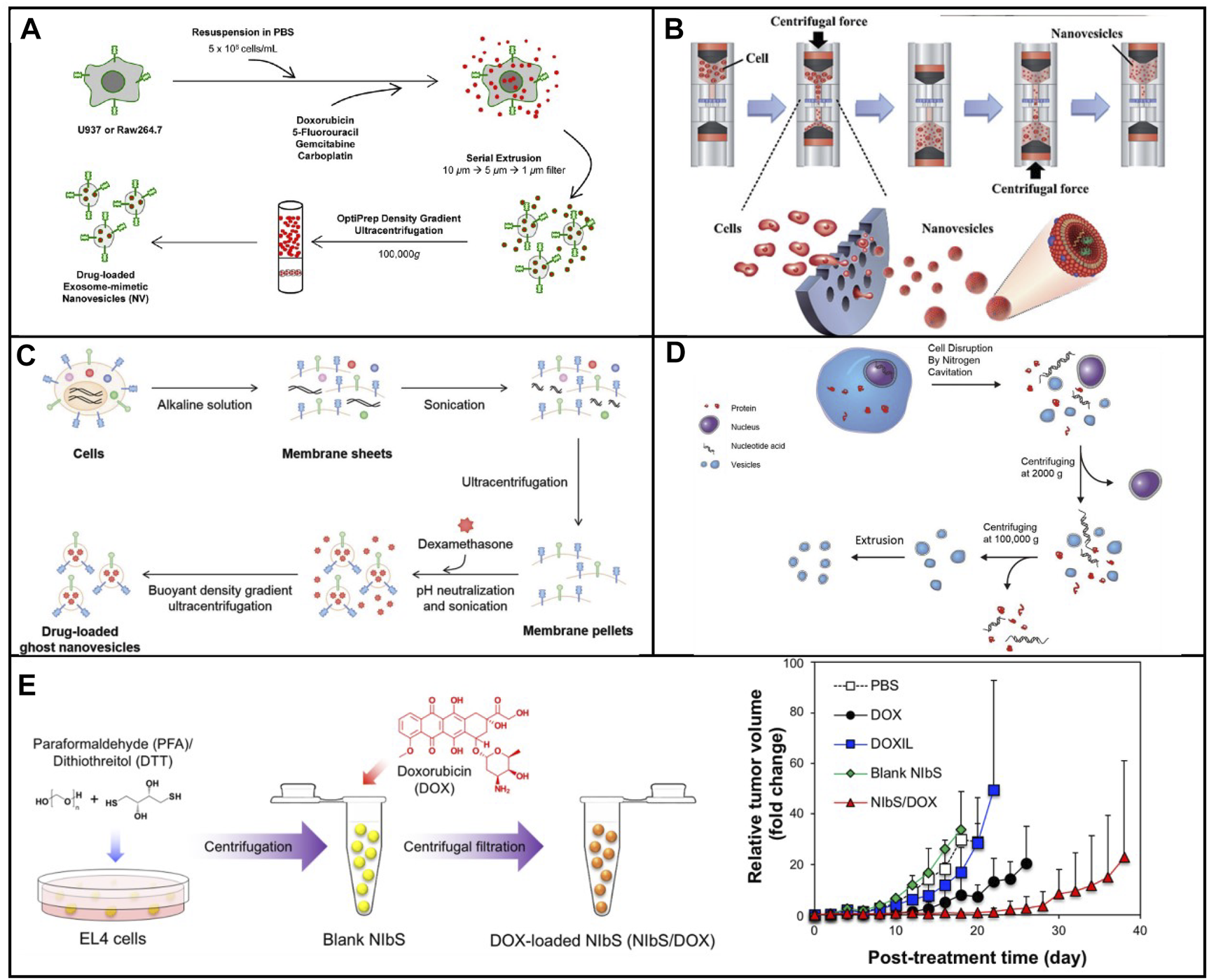
Solid tumors present formidable challenges for adoptive cell therapy, unlike hematologic malignancies, due to complex anatomical and functional barriers that prevent immune cells from reaching, penetrating, and functioning within tumor sites. While chimeric antigen receptor T-cell (CAR-T) therapy has demonstrated clinical success in blood cancers, these approaches often fail in solid tumors where antigen recognition alone proves insufficient. This narrative review examines engineered macrophage therapy as a promising alternative, leveraging macrophages' natural abundance in tumor microenvironments and their capacity for phagocytosis, antigen presentation, and immune regulation. However, engineered macrophages face a critical challenge: the immunosuppressive tumor microenvironment drives macrophage plasticity toward tumor-supportive M2-like phenotypes, mediated by factors including IL-10, TGF-β, CSF-1, hypoxia, lactate, and adenosine. The review systematically addresses five interconnected barriers—tumor targeting, phenotype stabilization, phagocytosis enhancement, cargo-enabled engineering, and cell sourcing—alongside early clinical development progress. By linking engineering strategies to their intended functions and evidence strength, this analysis provides a comprehensive framework for overcoming translational uncertainties in macrophage-based solid tumor therapies.
Share on
Anti-PD-1/L1 nanobodies as a promising and innovative approach in cancer immunotherapy - Journal of Nanobiotechnology
link.springer.com
Sept. 26, 2026, 4:22 a.m.
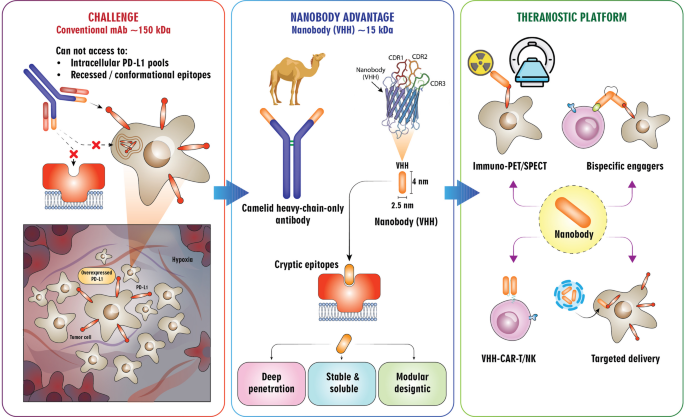
Researchers have identified anti-PD-1/L1 nanobodies as a promising innovative strategy for cancer immunotherapy. Nanobodies, which are single-domain antibody fragments derived from camelids, offer distinct advantages over conventional monoclonal antibodies by targeting programmed death receptor 1 and its ligand. These smaller, more stable molecules demonstrate enhanced tissue penetration and reduced immunogenicity compared to full-length antibodies. The review, published in the Journal of Nanobiotechnology, examines how anti-PD-1/L1 nanobodies can effectively block immune checkpoint pathways that tumors exploit to evade detection. Their compact structure enables improved manufacturing efficiency and cost-effectiveness while maintaining therapeutic potency. This approach addresses significant limitations of existing checkpoint inhibitors, including lower immunotoxicity profiles and potential for combination therapies. The findings suggest anti-PD-1/L1 nanobodies represent a transformative development in immuno-oncology, offering patients and clinicians improved treatment options with potentially better safety profiles and broader clinical applications across cancer types.
Share on
Folate-targeted Mg–alendronate BioMOF nanorods for pH
www.nature.com
Sept. 26, 2026, 4:22 a.m.
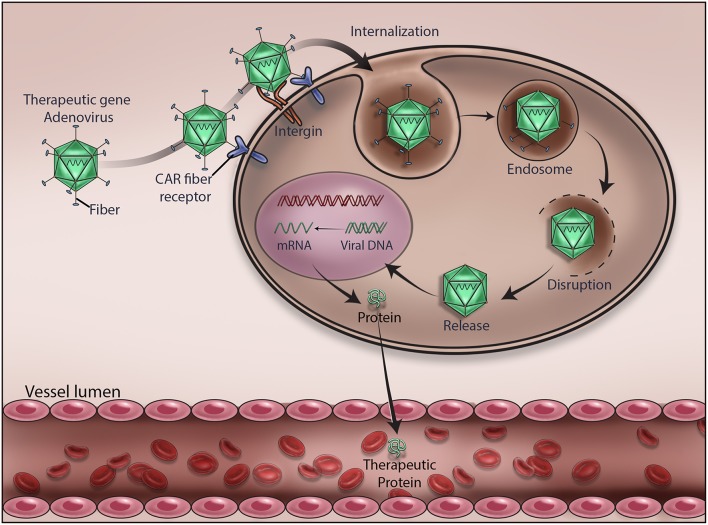
Researchers have developed folate-targeted magnesium-alendronate biometal-organic framework (BioMOF) nanorods designed for pH-responsive drug delivery in cancer treatment. This innovative nanosystem combines magnesium and alendronate within a metal-organic framework structure, incorporating folate targeting ligands to selectively recognize and bind to cancer cells that overexpress folate receptors. The pH-responsive mechanism enables controlled drug release in the acidic tumor microenvironment, minimizing exposure to healthy tissues and reducing systemic toxicity. The BioMOF nanorods leverage the structural advantages of metal-organic frameworks—characterized by high surface area and tunable porosity—to optimize drug loading capacity and release kinetics. This approach represents a significant advancement in targeted nanomedicine, addressing key challenges in cancer therapeutics by enhancing therapeutic efficacy while improving safety profiles. The work, published in Scientific Reports, demonstrates the potential of biomimetic metal-organic framework platforms for precision medicine applications, offering a promising strategy for improving cancer treatment outcomes through intelligent drug delivery systems.
Share on
Spatiotemporal Control of Genetic and Epigenetic Editing
www.biorxiv.org
Sept. 26, 2026, 4:21 a.m.
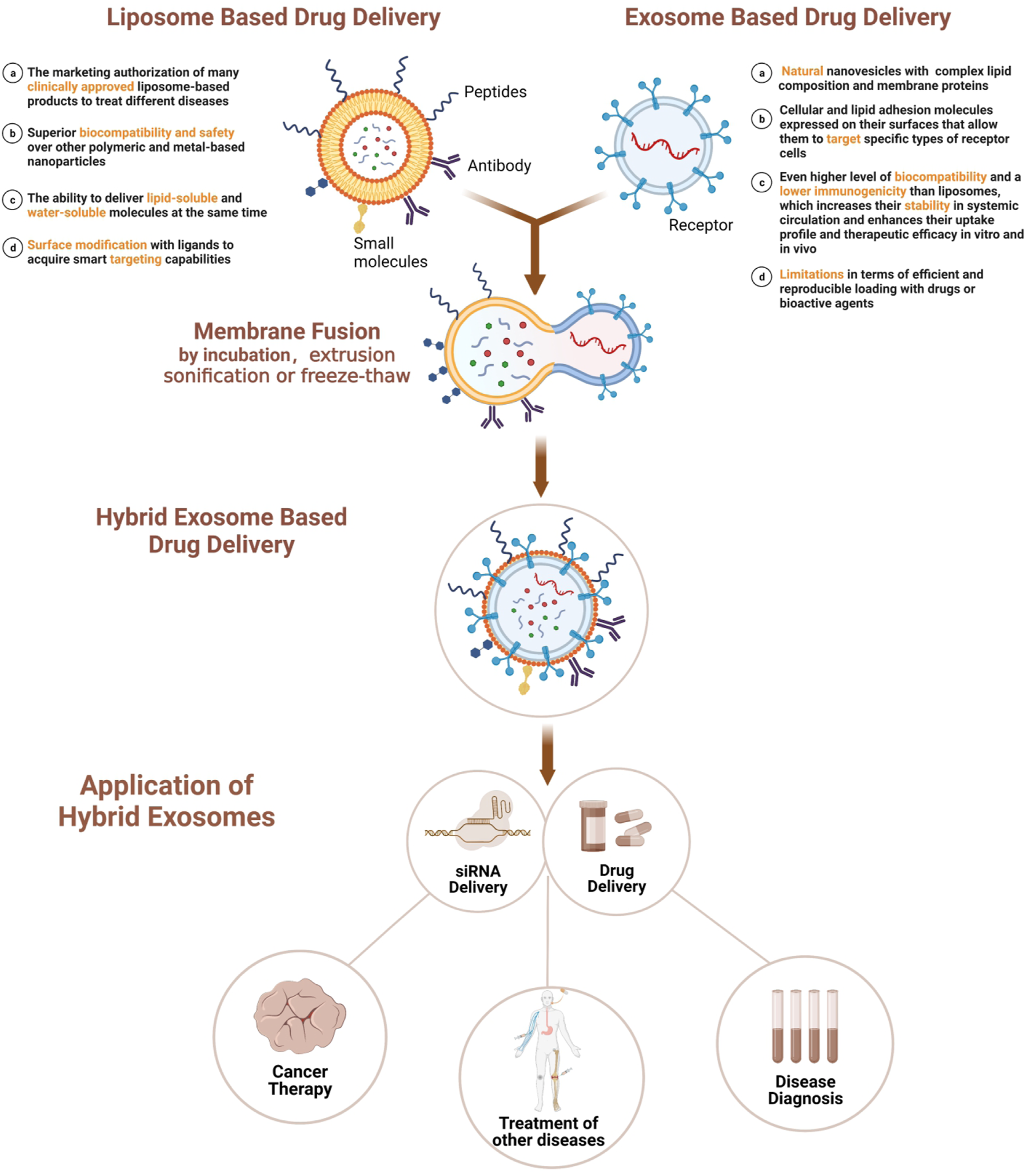
Researchers have developed an innovative approach to enhance the precision and control of genetic and epigenetic editing by covalently tethering CRISPR nanoparticles to zwitterionic microgels. This advancement addresses a critical challenge in gene therapy: achieving spatiotemporal control over when and where editing occurs within target tissues. The zwitterionic microgels serve as biocompatible carriers that can be strategically deployed to specific locations, while the covalent tethering mechanism ensures stable attachment of CRISPR components, preventing premature release and off-target effects. This method enables researchers to control both the timing and spatial distribution of genetic modifications with unprecedented precision. The significance of this work lies in its potential to improve the safety and efficacy of CRISPR-based therapies by minimizing unintended edits in non-target cells and reducing systemic exposure to editing machinery. Such advances are crucial for developing safer, more targeted gene therapies for genetic disorders and advancing personalized medicine applications.
Share on
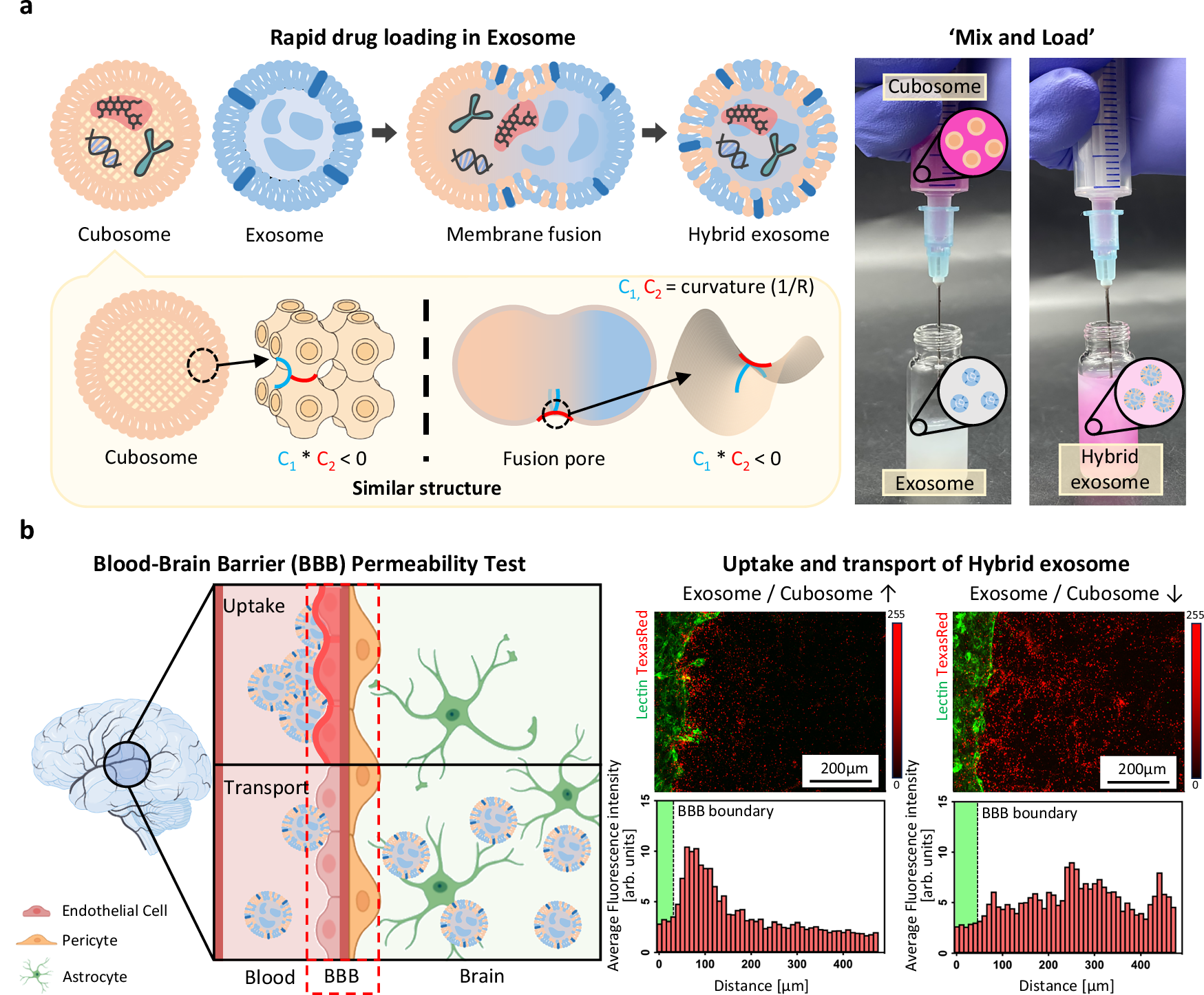
navigating the tumor microenvironment for enhanced
repository.library.noaa.gov
Sept. 26, 2026, 4:21 a.m.
This article, published in Molecular Cancer, examines precision nanomedicine as a strategy to overcome the immunosuppressive tumor microenvironment and improve cancer treatment outcomes. The research, authored by Hussein Sabit, Timothy M. Pawlik, and colleagues, addresses a critical challenge in oncology: the hostile microenvironment surrounding tumors that impedes drug delivery and immune cell infiltration. The study synthesizes current knowledge on how nanomedicine technologies can navigate this complex environment to enhance both targeted drug delivery and immunotherapy efficacy. By leveraging nanotechnology platforms, researchers explore mechanisms to penetrate biological barriers, reduce systemic toxicity, and reprogram the immunosuppressive landscape within tumors. The findings highlight nanomedicine's potential to significantly improve therapeutic outcomes by enabling more precise drug targeting while simultaneously activating anti-tumor immune responses. This work is particularly significant as it provides a comprehensive framework for developing next-generation cancer therapies that combine the advantages of nanoscale drug carriers with immunotherapeutic approaches, offering promising directions for precision oncology in clinical practice.
Share on
Advances In pH-Triggered Polymers For Oral Drug Delivery: Design Strategies And Applications
www.ijsrtjournal.com
Sept. 23, 2026, 1:21 p.m.
Oral drug delivery remains the most preferred administration route due to its safety, ease of use, and improved patient compliance compared to invasive alternatives. However, drugs face significant barriers traversing the gastrointestinal tract, including extreme pH variations, high enzyme activity, mucus barriers, and tight epithelial junctions that severely limit absorption of peptides, proteins, and acid-labile compounds. To overcome these challenges, researchers have developed pH-responsive polymers that intelligently protect drug molecules from the stomach's harsh acidic environment (pH 1-3) while enabling controlled release at specific sites such as the intestine or colon. These smart polymers represent a critical advancement in oral drug delivery technology, as they address the fundamental problem of low bioavailability for sensitive therapeutics. By combining detailed understanding of gastrointestinal physiology with polymer innovation, pH-triggered delivery systems enable effective oral administration of previously unsuitable drugs while maintaining patient convenience, reducing treatment costs, and enhancing therapeutic compliance in long-term therapies.
Share on
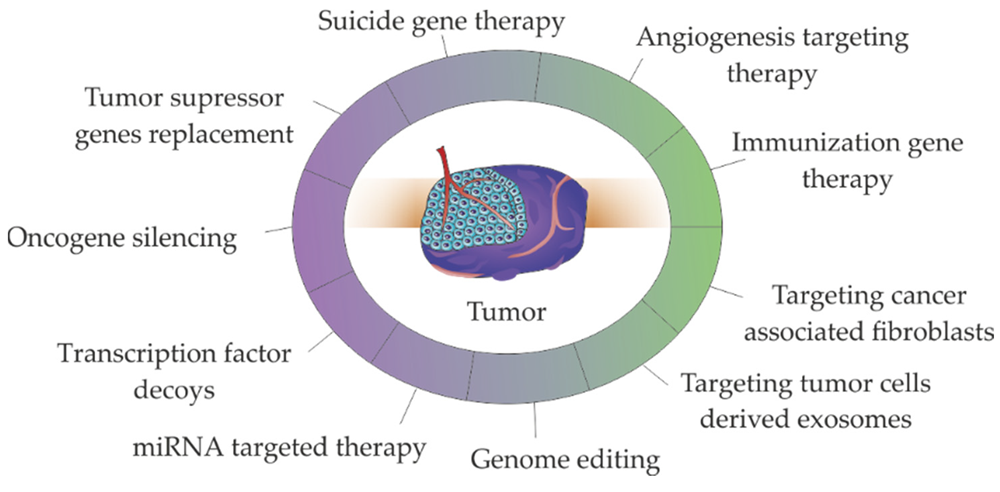
[PDF] Oncology Reviews
www.frontiersin.org
Sept. 23, 2026, 1:21 p.m.
# Professional Summary
Researchers Wu, Qiu, Wang, Bai, and Zhou have published a comprehensive analysis in Oncology Reviews examining the immune microenvironment heterogeneity within bone metastases and exploring innovative nanotechnology-based intervention strategies. Bone metastases represent a significant clinical challenge, particularly due to the complex immunosuppressive tumor microenvironment that often confers resistance to standard immunotherapy approaches. The study investigates how the immune landscape varies within metastatic bone lesions, analyzing factors that contribute to immunotherapy resistance in this specific context. The authors propose novel nanotechnology-enabled targeted delivery systems as potential solutions to overcome these barriers. By combining nanotechnology with precision drug delivery mechanisms, the research suggests enhanced therapeutic efficacy against bone metastases through improved immune modulation. This work addresses a critical gap in cancer treatment, as bone metastases affect numerous patients and remain therapeutically challenging. The integration of nanotechnology with immunotherapy represents a promising avenue for developing more effective treatment strategies, potentially improving outcomes for patients with metastatic disease. The findings contribute valuable insights into personalized oncology approaches targeting the unique microenvironmental characteristics of bone metastases.
Share on
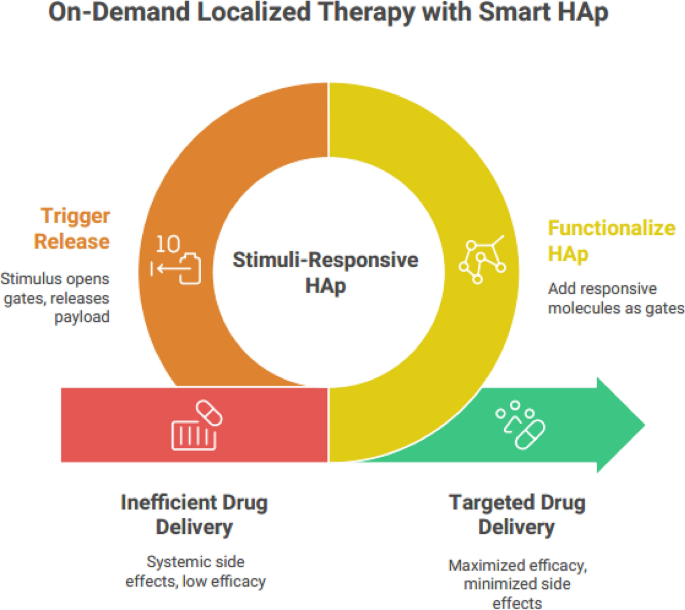
Crystal-chemical design of stimuli-responsive hydroxyapatite nanomaterials for bone implant coatings and triggered drug delivery: from lattice engineering to release control
link.springer.com
Sept. 23, 2026, 1:20 p.m.
Researchers have developed a novel approach to engineer stimuli-responsive hydroxyapatite nanomaterials through crystal-chemical design, targeting applications in bone implant coatings and controlled drug delivery systems. The study, published in Future Journal of Pharmaceutical Sciences in September 2026, demonstrates how lattice engineering can be strategically applied to manipulate the material's structural properties. By modifying the crystalline structure of hydroxyapatite—a biocompatible mineral component naturally found in bone—scientists achieved precise control over drug release mechanisms triggered by external stimuli. This advancement represents a significant breakthrough in biomedical engineering, as it enables personalized treatment delivery while maintaining biocompatibility with bone tissue. The research has important implications for orthopedic implantology and pharmaceutical delivery, potentially improving patient outcomes through reduced side effects and enhanced therapeutic efficacy. This work bridges fundamental material science with clinical applications, offering promising pathways for next-generation bone regeneration and targeted medical treatments.
Share on
Engineering Tripterygium wilfordii -derived exosome-like nanoparticles for targeted therapy in rheumatoid arthritis
www.oaepublish.com
Sept. 23, 2026, 1:20 p.m.
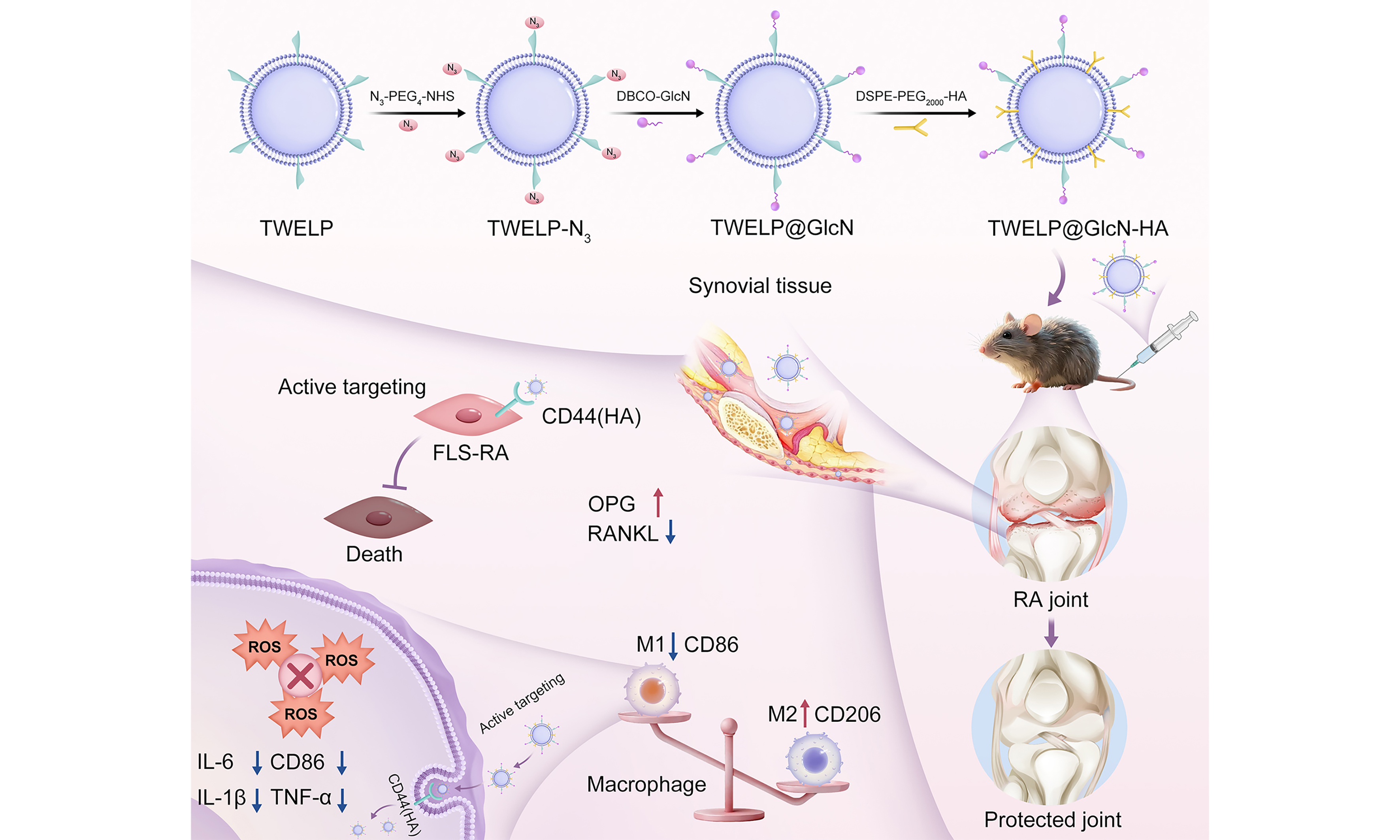
Rheumatoid arthritis remains a significant clinical challenge due to excessive pro-inflammatory macrophage activation and elevated reactive oxygen species levels causing synovial damage and joint dysfunction. Researchers have engineered TWELP@GlcN-HA, a novel nanoparticle system derived from Tripterygium wilfordii and surface-modified with glucosamine and hyaluronic acid, to address this multifaceted disease. The system integrates antioxidant, anti-inflammatory, and immunomodulatory properties with targeted joint delivery. In vitro studies demonstrated efficient ROS scavenging, suppression of pro-inflammatory cytokines TNF-α and IL-6, and successful repolarization of macrophages from the pro-inflammatory M1 phenotype to the anti-inflammatory M2 phenotype. In vivo testing in a collagen-induced arthritis mouse model revealed significant improvements in synovial inflammation, cartilage protection, and joint function, alongside excellent biosafety with no systemic toxicity. The hyaluronic acid modification enhanced nanoparticle accumulation in inflamed joints. These results position TWELP@GlcN-HA as a promising multifunctional therapeutic candidate for clinical translation in rheumatoid arthritis management.
Share on
Controlled Genome Editing Enables Localized Cancer Immunotherapy
events.mtu.edu
Sept. 23, 2026, 1:20 p.m.
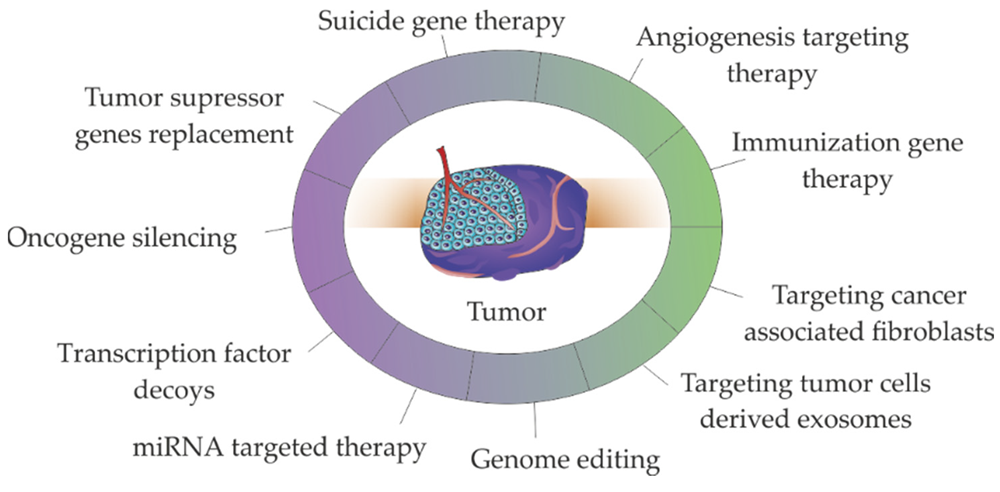
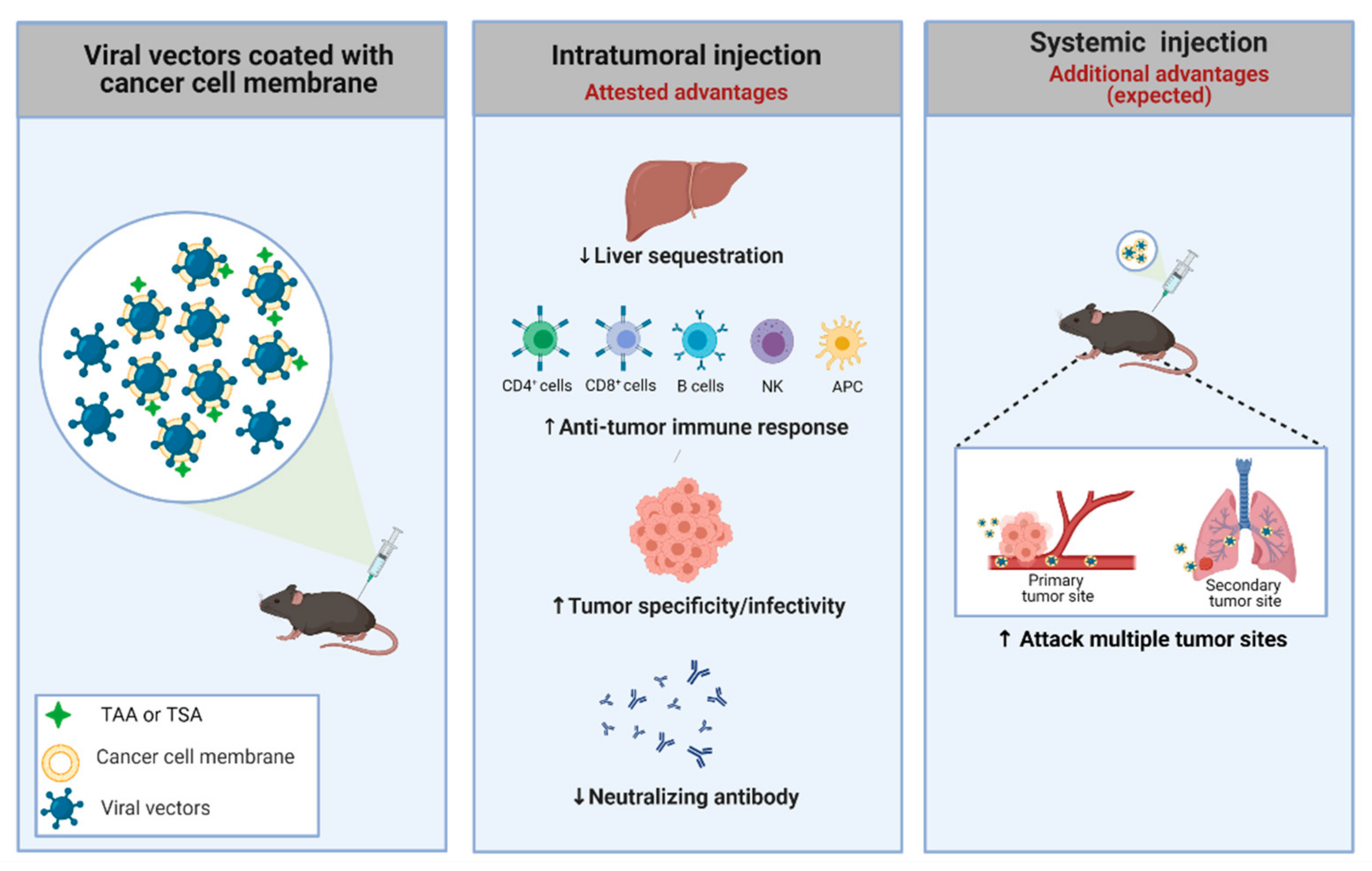
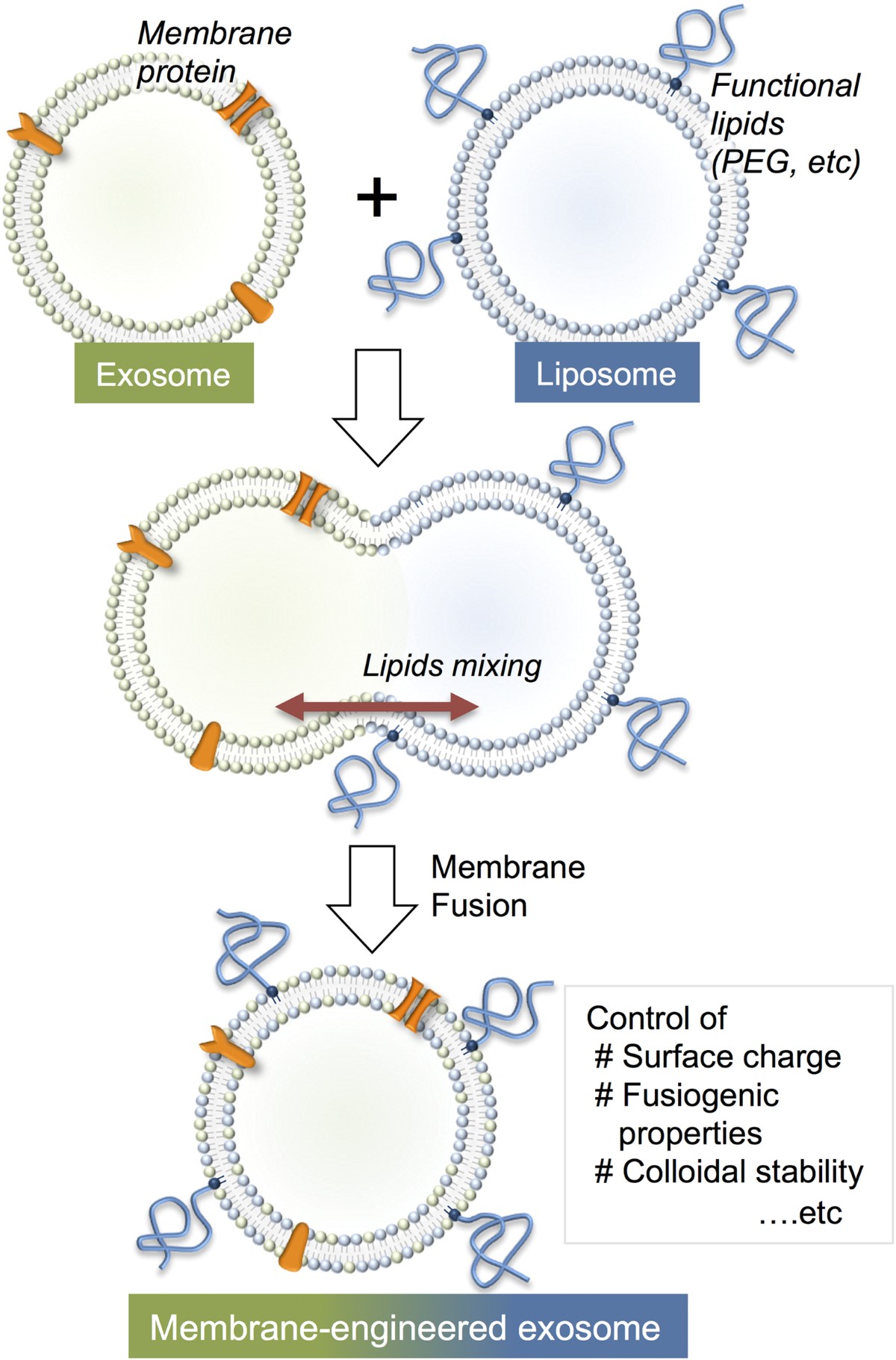
Researchers at the University of Kentucky have developed an innovative approach to cancer immunotherapy that addresses a critical limitation in CRISPR-based genome editing: controlling where and when editing occurs within the body. Led by Associate Professor Sheng Tong, the team created a magnetically gated baculoviral (MBV) platform that combines external magnetic activation with inherent biological safeguards. The system uses baculovirus, an insect-derived virus that naturally degrades in mammalian cells, to deliver CRISPR components while magnetic nanoparticles enable local activation only within a magnetic field. Testing focused on disrupting the Pdl1 immune-checkpoint gene in solid tumors. Results in syngeneic tumor models demonstrated that MBV-mediated editing remained confined to tumors without detectable activity in major organs, enhanced immune cell recruitment, suppressed tumor growth, and improved responses to CTLA-4 checkpoint blockade. This dual-control strategy—combining physical magnetic switches with biological containment mechanisms—establishes a promising framework for precisely targeted cancer immunotherapy with reduced off-target effects.
Share on
[PDF] Oncolytic bacteria therapy for malignant glioma
www.frontiersin.org
Sept. 19, 2026, 4:20 a.m.
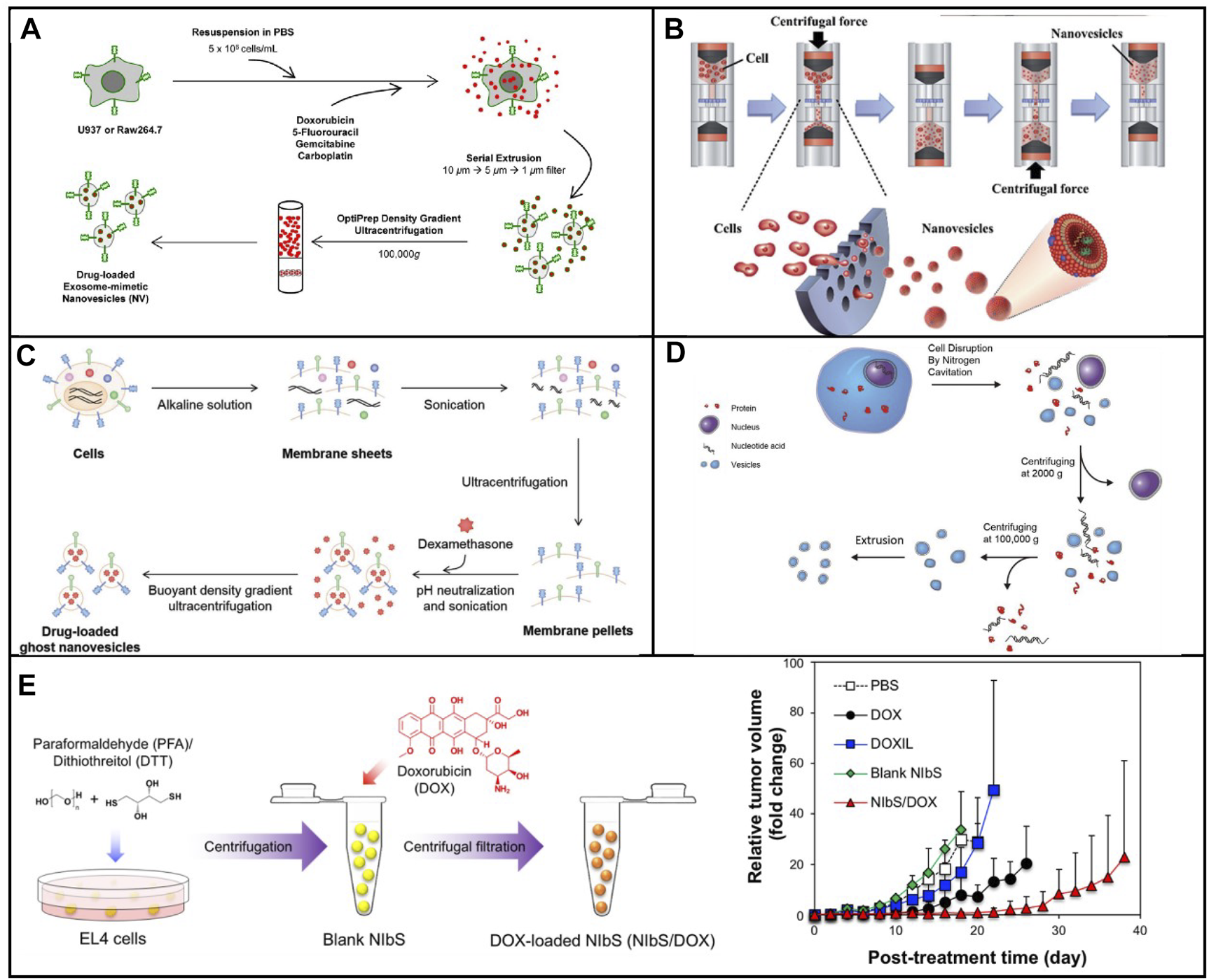
This research review examines oncolytic bacteria therapy as an innovative treatment approach for malignant glioma, authored by Li, Zhao, Ji, Zhao, and Li and published in Frontiers in Immunology. The article explores how genetically engineered bacteria can be leveraged to target and destroy glioma cancer cells while simultaneously activating anti-tumor immune responses. The study integrates synthetic biology techniques with immunotherapy principles, focusing on how oncolytic bacteria can penetrate the tumor microenvironment—a challenge traditional therapies face due to the blood-brain barrier and immunosuppressive conditions within gliomas. The therapy works by combining direct bacterial-mediated tumor cell lysis with enhanced immunological activation against cancer cells. This approach addresses critical limitations of conventional glioma treatments by exploiting bacterial properties such as selective tumor tropism and genetic programmability. The significance lies in offering a potentially safer, more targeted therapeutic option for patients with malignant gliomas, one of the most aggressive and difficult-to-treat brain cancers, while minimizing damage to healthy neural tissue and leveraging the immune system's anti-cancer capabilities.
Share on