How to Prepare Your Supply Chain for the EU Digital Product Passport: A Practical Guide for Fashion Brands
euverify.com
Oct. 9, 2026, 10:03 a.m.
The EU Digital Product Passport, mandatory for the textile industry around 2027, presents a significant compliance challenge that extends far beyond simple documentation. According to Ajay C Thomas, founder of Euverify and an EU compliance expert with seventeen years of eCommerce experience, most fashion brands remain unprepared despite awareness of the requirement. The core issue lies not in understanding the passport concept, but in sourcing verified data from every supply chain level—fabric suppliers, yarn spinners, dye houses, and garment manufacturers. The Digital Product Passport will require disclosure of material composition, country of origin at each production stage, substances of concern, environmental metrics including carbon footprint and water usage, and end-of-life instructions. Under the European Sustainable Products Regulation (ESPR), market surveillance authorities will have full access to passport data and can investigate discrepancies between documented and actual product contents. Most brands possess reasonable information about Tier 1 suppliers but encounter significant data gaps at Tier 2 and below, particularly regarding yarn spinners and raw material sources. Brands preparing now have a realistic window to establish proper data collection systems before the textiles delegated act is finalized, positioning themselves ahead of regulatory enforcement.
Share on

Textile Recycling: Back Into the Loop Instead of Out With the Trash
www.fraunhofer.de
Oct. 9, 2026, 10:03 a.m.
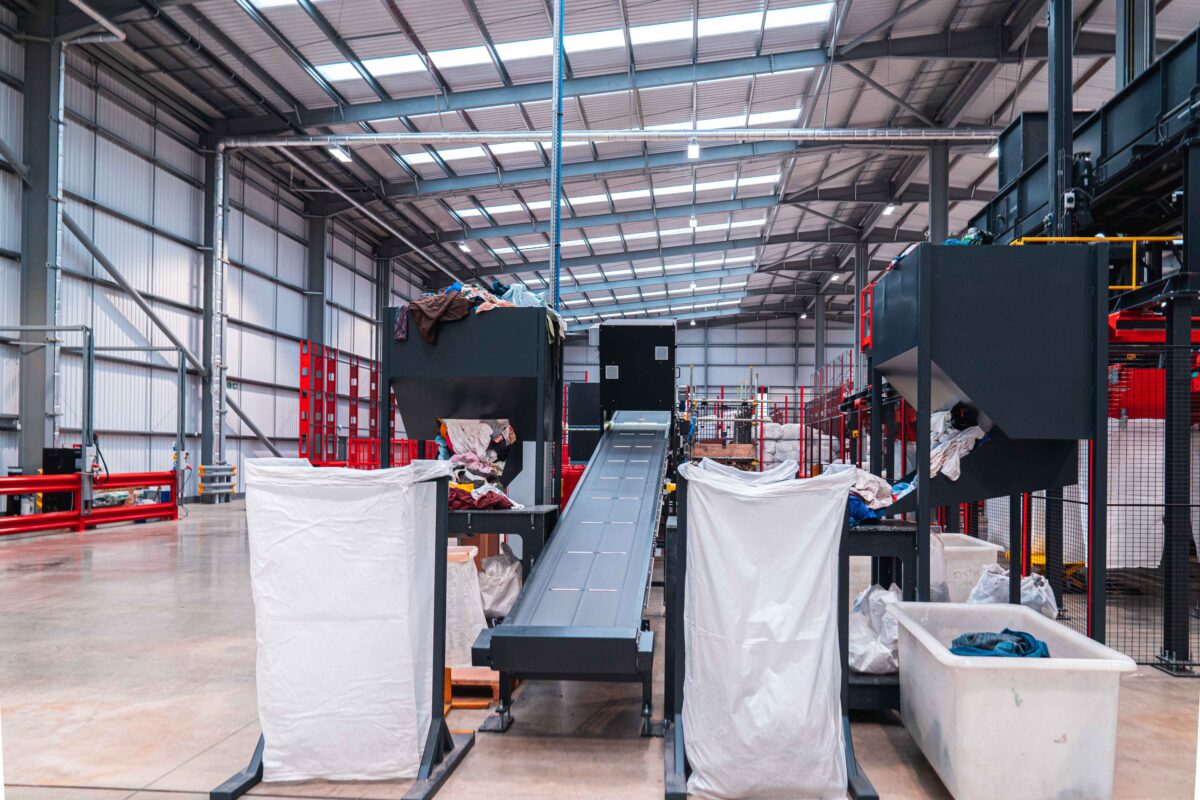
Researchers at Aalto University and Fraunhofer institutes have developed an innovative textile recycling process that breaks down polyester fibers into their fundamental chemical components for reuse. The challenge lies in recovering polyethylene terephthalate (PET), the polymer used in most polyester textiles, which contains various PET types alongside dyes and chemical additives that complicate reprocessing. The team employs pyrolysis, a high-temperature decomposition method performed without oxygen, enhanced by introducing steam at approximately 400 degrees Celsius. This steam-assisted approach acts as molecular scissors, cleanly separating PET polymer chains into individual building blocks while extracting terephthalic acid—a key PET component typically derived from petroleum—at nearly 100 percent purity. Once purified and repolymerized, this recovered material can be respun into new fibers. Supporting this innovation, the EU mandated separate textile collection beginning January 1, 2025, preventing used clothing from general waste disposal. British start-up Zori Tex, part of the Autoloop project, employs artificial intelligence-powered image processing to automatically sort used textiles by fiber type. Together, these technological and regulatory advances enable closed-loop textile recycling, significantly reducing environmental impact and petroleum dependence.
Share on

Textiles and Apparel: DPP Readiness under ESPR
infodpp.eu
Oct. 9, 2026, 10:02 a.m.
The European Union is advancing Digital Product Passports (DPPs) for textiles and apparel under the Ecodesign for Sustainable Products Regulation (ESPR), with Regulation (EU) 2024/1781 establishing the legal framework. The first ESPR working plan targets textiles, with indicative delegated act adoption scheduled for Q4 2027 and mandatory DPP application beginning in 2029. Footwear follows a separate timeline with a dedicated study due by end-2027. The European Commission has adopted implementing acts governing destruction and disclosure of unsold apparel, while the Joint Research Centre closed stakeholder consultation on textile preparatory studies, collecting industry input on ecodesign measures and data requirements. A JRC-published study recommends batch identifiers as minimum data points with model-level information and voluntary item identifiers. Commission Implementing Decision (EU) 2026/1736 published six CEN/CENELEC JTC 24 DPP standards supporting ESPR conformity. CEN/TS 18272-1 was ratified in June 2026, with additional standards pending. These developments establish the regulatory pathway for comprehensive product sustainability information across the textile industry.
Share on
Digital Product Passport for Textiles: ESPR Rules
www.usetappr.com
Oct. 9, 2026, 10:02 a.m.
The European Union's Ecodesign for Sustainable Products Regulation (ESPR) now mandates Digital Product Passports for textiles, with the textile delegated act expected in 2027. All apparel, footwear, and home textiles sold in the EU must include a passport containing standardized data fields covering fiber composition, dye and finishing chemistry, production country for each step, and sustainability certificates. Each product requires a unique identifier and a physical data carrier. The regulation applies regardless of company headquarters, affecting all brands selling in the EU market. A separate ESPR provision already prohibits large companies from destroying unsold apparel and footwear since July 2026, with medium-sized companies following in 2030. Textiles are the first product category in the ESPR working plan, establishing the framework other sectors will follow. Companies should begin building identifier systems and supplier data pipelines immediately rather than waiting for final field specifications, positioning themselves to populate data during 2027 rather than constructing systems under time pressure after the delegated act's publication.
Share on
Revolutionary Victory: How Enzymatic Polyester Textile Recycling Is Defeating Fast Fashion Waste 01-10-2026
www.polyestertime.com
Oct. 3, 2026, 7:35 a.m.
The global textile industry has achieved a significant breakthrough in combating landfill waste and fossil-fuel dependence through enzymatic polyester recycling. French biotechnology company Carbios, collaborating with industry leaders including Patagonia, PUMA, and Salomon through the Fiber-to-Fiber Consortium, has successfully demonstrated industrial-scale production of high-performance recycled polyester garments from complex plastic and textile waste. This three-year research initiative represents a major shift from traditional mechanical recycling, which degrades synthetic fibers and necessitates reliance on virgin petrochemical feedstocks. The solution employs engineered enzymes functioning as molecular scissors that selectively depolymerize polyethylene terephthalate (PET) content within complex fabrics, breaking it into pure terephthalic acid and monoethylene glycol building blocks. Unlike mechanical shredding, this enzymatic approach effectively processes mixed-fiber textiles, heavily dyed fabrics, and contaminated post-consumer garments by separating dyes and contaminants without compromising output quality. This advancement transforms enzymatic circularity from laboratory experiments into commercially viable, fully scalable reality, addressing the fashion industry's longstanding challenge of processing the complex, multi-material composition of everyday clothing waste.
Share on
Cradle to Cradle vs Cradle to Grave Design
circulareconomist.club
Oct. 3, 2026, 7:34 a.m.
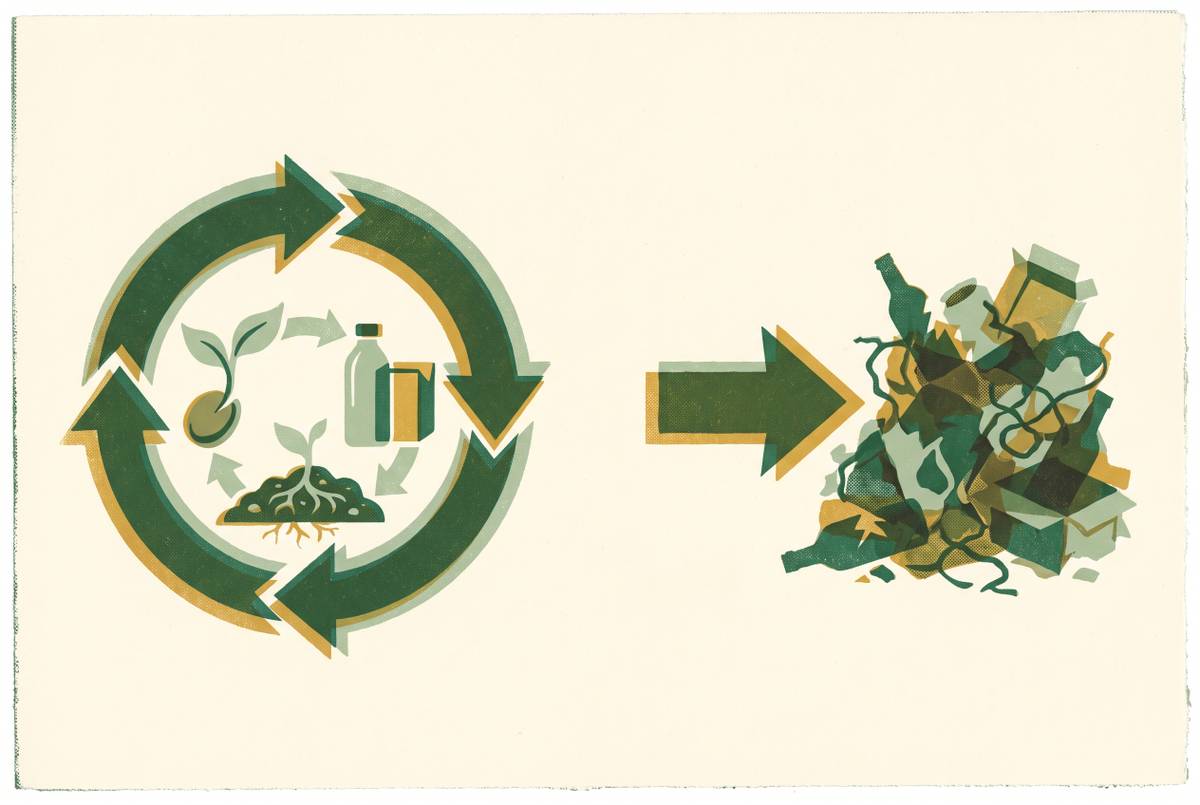
The article examines the fundamental differences between cradle-to-grave and cradle-to-cradle design philosophies in addressing global resource consumption. While cradle-to-grave design treats disposal as the endpoint, cradle-to-cradle reframes disposal as a design failure, asking what materials become next rather than where they go to die. The scale of the problem is stark: the world extracts over 100 billion tonnes of raw materials annually, yet only 6.9% cycles back into the economy according to the 2025 Circularity Gap Report. The World Bank projects global waste will increase 70% by 2050 to 3.4 billion tonnes yearly, while the OECD expects raw material demand to double by 2060. Electronics exemplify the crisis, with e-waste generation reaching 62 million tonnes in 2022 and growing five times faster than documented recycling. Textiles similarly see 90% of discarded materials landfilled despite recyclability. The article argues that linear design inherently creates disposal pressure that current recycling infrastructure cannot manage. Cradle-to-cradle design addresses this by categorizing every material into one of two metabolisms—biological or technical nutrients—each with distinct recovery logic, fundamentally transforming how products are conceived from inception.
Share on
Digital Product Passports for Textiles, Apparel, and Footwear
www.bdemerson.com
Oct. 3, 2026, 7:34 a.m.
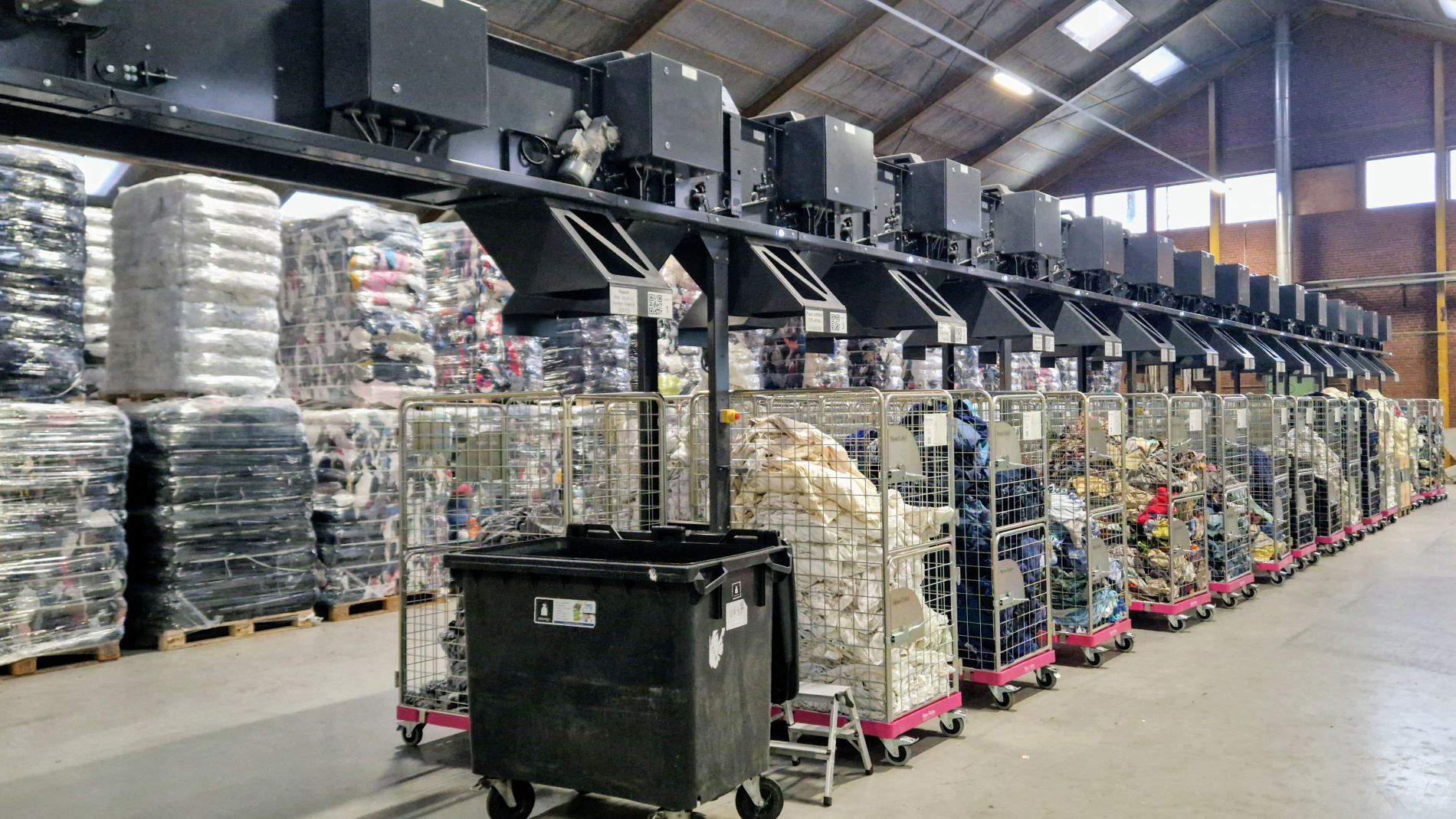
The European Union has implemented significant restrictions on textile and apparel destruction through the Ecodesign for Sustainable Products Regulation (ESPR), effective July 19, 2026 for large enterprises and scheduled for July 19, 2030 for medium-sized companies. Large enterprises—defined as having 250+ employees or exceeding €50 million in turnover with €43 million in balance sheet assets—are prohibited from destroying unsold apparel, clothing accessories, and footwear except under ten specified derogations outlined in Commission Delegated Regulation (EU) 2026/296. Companies must disclose annual discards in the mandatory format established by Implementing Regulation (EU) 2026/2, effective March 2, 2027. Digital product passports for textiles are anticipated for adoption in Q3-Q4 2027, with implementation 18 months thereafter. While footwear faces current destruction restrictions, a comprehensive study is due by end-2027. All economic operators—including manufacturers, importers, distributors, and fulfillment service providers—must take reasonable measures to prevent destruction needs. This regulation represents a major sustainability initiative addressing fashion industry waste while establishing transparency and accountability standards across the supply chain.
Share on

Delegated Acts for Digital Product Passport: Explainer and Current Status
www.renoon.com
Sept. 26, 2026, 7:31 a.m.
The Ecodesign for Sustainable Products Regulation (ESPR) establishes a framework for Digital Product Passports, with specific implementation details defined through delegated acts tailored to different product sectors. While ESPR is now in force, most delegated acts remain under development, creating current uncertainty in implementation timelines. These delegated acts function as the mechanism through which the European Commission defines product-specific requirements, including scope, data specifications, and implementation conditions, without altering the Regulation's core elements. The regulatory approach has evolved from initial discussions focused narrowly on ecodesign requirements to a comprehensive framework encompassing product performance and information accessibility. The ESPR Working Plan 2025–2030 marks the transition from conceptual development to active implementation, establishing priority product groups and confirming progressive rollout rather than simultaneous requirements. The European Commission has released an indicative timeline for delegated act adoption, with the first product-specific act expected for iron and steel in the fourth quarter of 2026, followed by delegated acts for textiles, aluminium, and tyres anticipated in the third and fourth quarters of 2027. This phased approach allows sectors time to prepare for compliance while establishing Digital Product Passports as the central mechanism for product information accessibility.
Share on
Ecovative: We grow food and materials
ecovative.com
Sept. 26, 2026, 7:31 a.m.
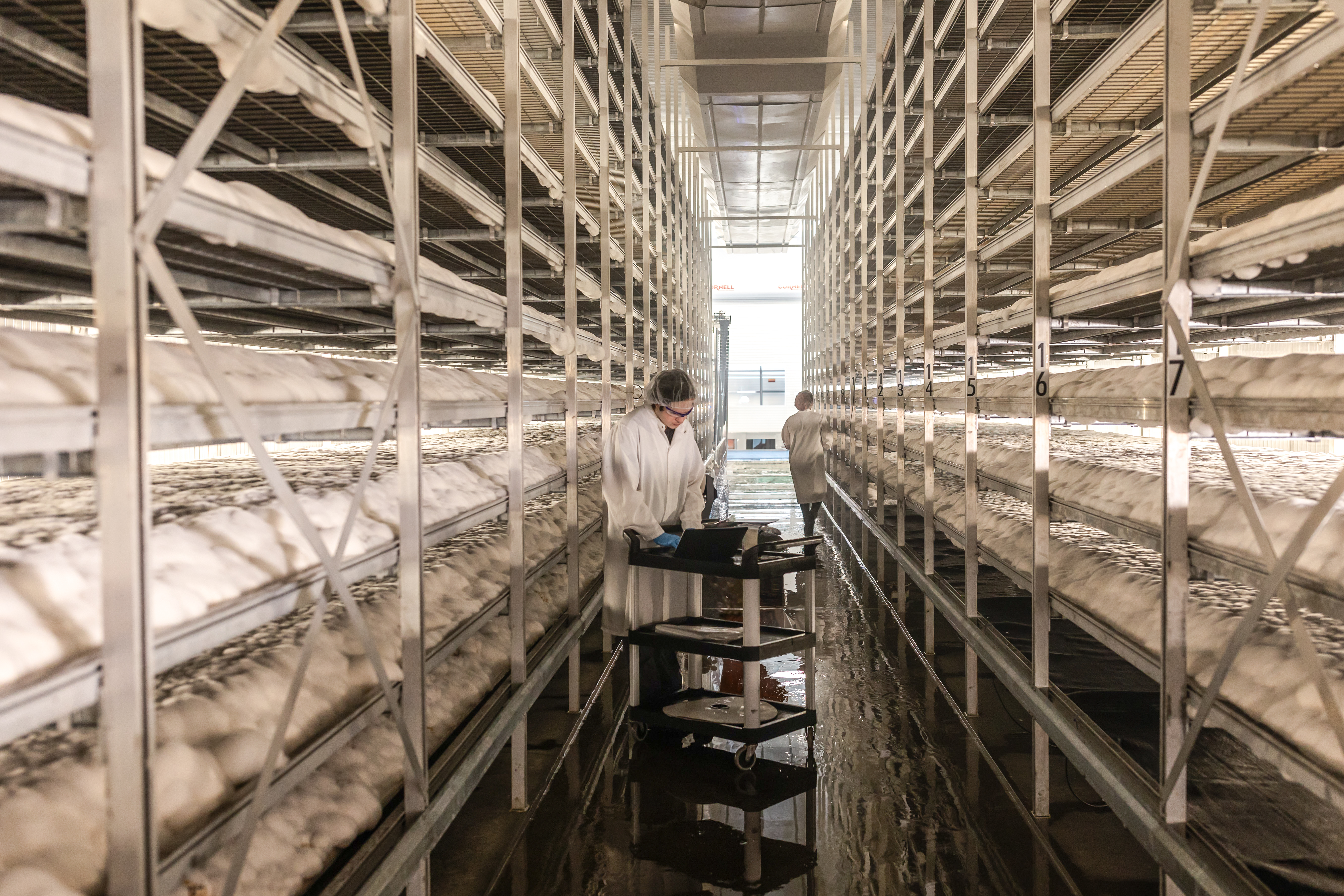
Ecovative is revolutionizing agriculture and material production by cultivating mycelium-based crops through its proprietary AirMycelium™ technology. The company addresses the complete agricultural value chain, developing reliable inoculum, repeatable growing processes, and compatible harvesting equipment while ensuring consistent customer delivery. Initially, Ecovative produced mycelium composites that used fungal growth to bind agricultural byproducts into solid materials. The company has since evolved its approach to grow sheets of fungal tissue directly above growing beds, harvesting the fibers themselves as finished material. This advancement unlocks diverse applications spanning food texture and textile structure. By adapting existing mushroom farm infrastructure and collaborating with farmers to implement processes at their operations, Ecovative demonstrates how each production cycle informs subsequent optimization. The interdependence between fungal strains, growing conditions, equipment, and final products requires integrated development, positioning Ecovative at the intersection of sustainable agriculture and innovative material science.
Share on

EU Digital Product Passport: Regulation & Timeline
www.arianee.com
Sept. 26, 2026, 7:31 a.m.
The European Union's Ecodesign for Sustainable Products Regulation (ESPR, Regulation EU 2024/1781) mandates Digital Product Passports (DPPs) for nearly all physical products sold in the EU market, establishing a structured digital record accessible via QR codes containing product identification, durability, repairability, composition, environmental footprint, and end-of-life data. Entering into force on 18 July 2024, the regulation replaces the 2009 Ecodesign Directive and extends obligations beyond energy efficiency. Implementation occurs category by category through delegated acts, typically with at least 18 months between entry into force and application. The battery passport launches first on 18 February 2027. The EU registry opened on 20 July 2026, with Implementing Regulation 2026/1778 effective from 6 August 2026. Six European standards were published on 27 May 2026, enabling organizations to begin development before their specific delegated act exists. Arianee has successfully operated DPP systems since 2018, managing over four million passports for fifty-plus brands. The working plan for 2025-2030 was adopted on 16 April 2025, with the regulatory calendar updated on 11 September 2026. The framework's broad scope covers most physical products, excluding food, feed, medicinal products, living organisms, and certain vehicles.
Share on

Engineering Thermobifida fusca cutinase variants for the sustainable recycling of PET from cotton-blended textiles
www.frontiersin.org
Sept. 26, 2026, 7:31 a.m.
Researchers at GEMS Academy in Taipei engineered six variants of Thermobifida fusca cutinase 2 (Tf Cut2) enzyme to improve the recycling of polyethylene terephthalate (PET) from textile blends, addressing a significant environmental challenge. Using structure-guided modeling and machine-learning prediction, the team designed variants and screened their activity on PET film and complex textile substrates including pure fibers, knits, meshes, and cotton-PET blends, with and without alkaline pretreatment. The engineered variant A65H/L90A/I213S achieved a 14.3-fold improvement over wild-type enzyme on pretreated mesh textiles, demonstrating substantially higher degradation performance as measured by absorbance at 260 nanometers. Notably, the advantage of engineered variants persisted across substrates regardless of crystallinity reduction, suggesting that physical constraints on enzyme-substrate engagement rather than PET crystallinity are the primary limiting factors. These findings indicate that engineering textile-active PET hydrolases should focus on enhancing polymer surface engagement capabilities, offering a promising approach to tackling the growing textile waste problem associated with increased PET-based garment production.
Share on
Textile recycling: Igers opens an €8 million plant - Il Sole 24 ORE
en.ilsole24ore.com
Sept. 26, 2026, 7:30 a.m.
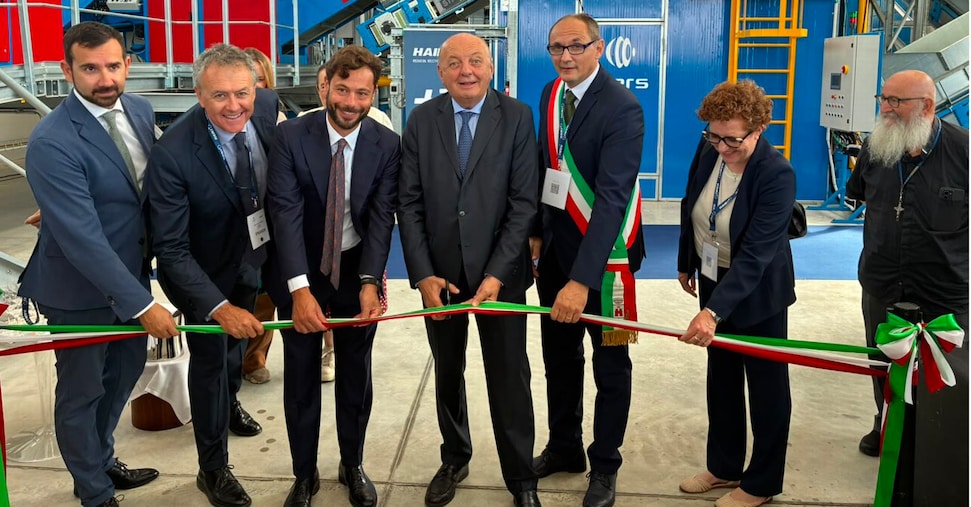
Igers, a Milan-based company within the Haiki+ group, has inaugurated an €8 million textile waste recycling facility in San Pietro Mosezzo, Novara, with an annual processing capacity of 19,000 tonnes. The fully integrated and automated plant features 56 interconnected machines utilizing blockchain technology for operational transparency. The facility employs a comprehensive process encompassing ozone chamber sanitisation, fiber analysis, sorting, shredding, and production of certified, traceable bales. Utilising proprietary patented technology and NIR hyperspectral imaging for material selection, the plant achieves a recovery rate exceeding 96 percent. Output is directed toward non-woven materials for packaging, padding, construction, automotive, and furnishings applications, with remainder processing into yarns for clothing and industrial use. Co-financed with €1.3 million through Italy's National Recovery and Resilience Plan (NRRP), the project exemplifies the country's commitment to circular economy development. Environment Minister Gilberto Pichetto Fratin highlighted this milestone as advancing tangible sustainability results beyond policy announcements, while Haiki+ CEO Giovanni Rosti emphasised the investment's strategic importance for strengthening Italy's circular textile supply chain infrastructure.
Share on

Digital Product Passport (DPP): regulation, requirements and timelines
www.manglai.io
Sept. 19, 2026, 7:32 a.m.
The Digital Product Passport (DPP) represents the European Union's foundational infrastructure for driving transparency and circularity in consumer markets. Rather than a distant concept, the DPP is becoming regulatory reality through the European Sustainability and Responsibility (ESPR) framework emerging from the Green Deal. Each DPP functions as a dynamic digital inventory linked to physical products via QR codes, RFID, or NFC technology, providing comprehensive lifecycle data on composition, origin, durability, repairability, and environmental footprint. Implementation follows a phased, sector-by-sector approach beginning with battery products in February 2027, with additional categories rolling out from 2028 onwards. The regulation aims to facilitate repair, reuse, and recycling while enhancing market transparency and traceability. As of August 2026, no delegated acts have been adopted, making the coming year critical for preparation. Compliance dates follow a minimum 18-month lag after adoption, with the Commission prioritizing products with the highest environmental impact and consumption volumes. Though EU-originated, the regulation will apply globally to all companies selling on European markets, reshaping product information architecture internationally.
Share on

Integrating circular economy, cradle-to-cradle, and closed loop systems in fashion supply chains: a systematic review from an industrial ecology perspective - Journal of Industrial Ecology
link.springer.com
Sept. 19, 2026, 7:32 a.m.
# Summary
This systematic review examines the integration of circular economy, cradle-to-cradle, and closed-loop systems within fashion supply chains through an industrial ecology lens. Published in the Journal of Industrial Ecology in September 2026, the study analyzes how these interconnected frameworks can transform the notoriously linear fashion industry into a more sustainable model. The research synthesizes existing literature to identify how cradle-to-cradle design principles—which prioritize material recovery and continuous cycling—can be operationalized alongside circular economy strategies and closed-loop manufacturing processes. The review addresses a critical gap in sustainability practice, as the fashion industry remains one of the world's largest polluters. By examining implementation pathways across supply chain stages, the research demonstrates why integrating these approaches matters for reducing textile waste, minimizing resource extraction, and creating economically viable sustainable fashion systems. The findings provide evidence-based guidance for industry stakeholders seeking to transition from linear consumption models to regenerative practices that benefit both environmental and business outcomes.
Share on

PET Biorecycling Technology
www.carbios.com
Sept. 19, 2026, 7:32 a.m.
Carbios has developed an innovative enzymatic recycling technology that addresses critical limitations in traditional PET plastic recycling. With over 90 million tons of PET produced annually for bottles, packaging, and textiles, most remains unrecycled because conventional methods cannot process mixed, colored, or contaminated waste and degrade material quality after only one or two cycles. Carbios's patented enzyme-based process depolymerizes even complex PET waste into its original monomers—terephthalic acid and monoethylene glycol—with purity exceeding 99.5% in under 24 hours. The process involves shredding and melting waste into expanded granules, enzymatic depolymerization using water and enzymes only, filtration, and monomer separation. The resulting recycled PET (r-PET) is virgin-like, food-contact safe, and suitable for textiles while reducing CO₂ emissions by 92% compared to virgin PET and achieving five times greater circularity than traditional recycling. This breakthrough addresses regulatory pressures including the EU's Packaging and Packaging Waste Regulation and Extended Producer Responsibility quotas, enabling brands like L'Occitane en Provence and Biotherm to meet sustainability goals with compatible, compliant solutions.
Share on
Review on Development and Application of 3D-Printing Technology in Textile and Fashion Design
www.mdpi.com
Sept. 12, 2026, 11:28 a.m.
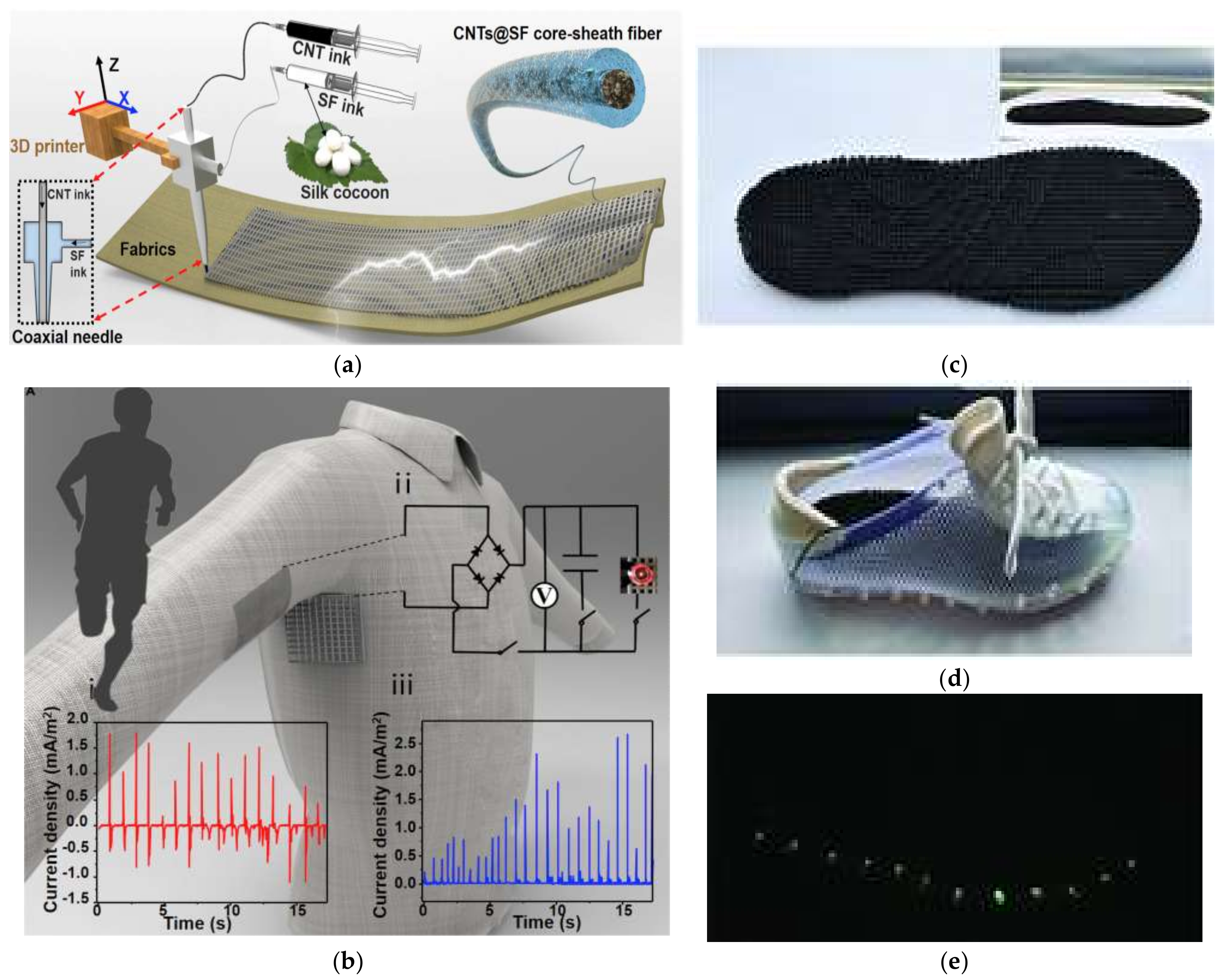
Three-dimensional printing (3DP) allows for the creation of highly complex products and offers customization for individual users. It has generated significant interest and shows great promise for textile and fashion design. Here, we provide a timely and comprehensive review of 3DP technology for the textile and fashion industries according to recent advances in research. We describe the four 3DP methods for preparing textiles; then, we summarize three routes to use 3DP technology in textile manufacturing, including printing fibers, printing flexible structures and printing on textiles. In addition, the applications of 3DP technology in fashion design, functional garments and electronic textiles are introduced. Finally, the challenges and prospects of 3DP technology are discussed.
Share on
Why AI and Automation Are Solving Textile Recycling’s Biggest Challenge
www.kingsresearch.com
Sept. 12, 2026, 7:40 a.m.
The global fashion industry generates 92 million tonnes of textile waste annually, with only 8% of textile fibers recycled despite clothing production doubling between 2000 and 2015. Traditional manual sorting methods prove inadequate for handling the growing volume and complexity of textile waste at scale. Artificial intelligence, robotics, digital identification, and automated sorting technologies are transforming textile recycling operations, enabling faster and more accurate material processing. According to King Research, the global textile recycling market was valued at USD 5.55 billion in 2025 and is projected to reach USD 9.40 billion by 2033, growing at a compound annual growth rate of 6.89%. This expansion is driven by environmental concerns, regulatory initiatives including the European Union's Extended Producer Responsibility requirements and Digital Product Passports, and increased investment from governments and apparel brands in digital recycling infrastructure. Modern textile waste presents significant challenges due to blended fibers, chemical treatments, and complex material compositions in fast fashion garments, making traditional sorting methods insufficient and necessitating AI-powered automation to improve recycling efficiency and material quality.
Share on
Will the EU’s Ban on Destroying Unsold Stock Actually Work?
www.vogue.com
Sept. 12, 2026, 7:40 a.m.
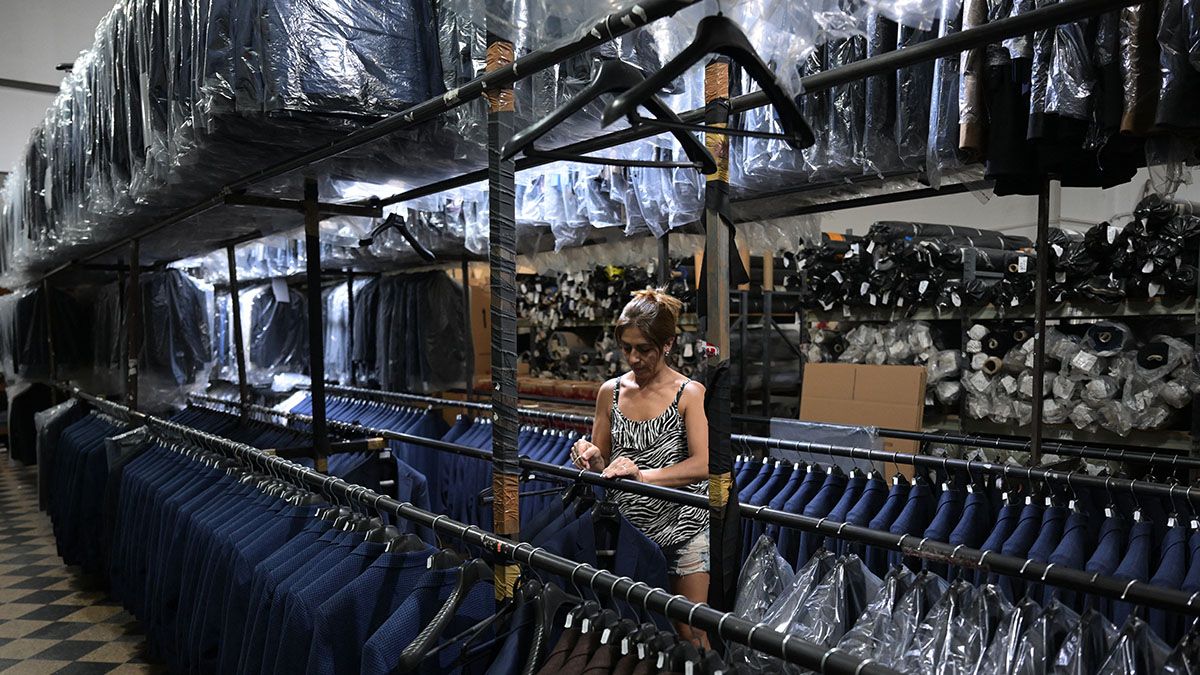
The European Union's recently implemented ban on destroying unsold clothing, textiles, and footwear marks a significant step toward sustainability, prohibiting major fashion brands from incinerating or landfilling usable products. This enforcement of the Ecodesign for Sustainable Products Regulation, adopted in 2024, requires brands to establish new supply chain processes and reporting mechanisms, with mandatory public disclosure of destroyed textile volumes by March 2027. Leading companies are already adapting through various strategies: LVMH's CEDRE venture partners with textile recycling startup Weturn, Zalando leverages outlet stores and charitable donations, and H&M has dramatically reduced inventory levels to its lowest ratio in a decade. Despite widespread preparation among major brands, implementation challenges persist regarding compliance requirements and exemptions. Experts question whether the ban will fundamentally achieve its core objectives of stimulating Europe's circular economy and reducing fashion overproduction at the source. The scale of the problem remains difficult to quantify, as most brands historically lack transparency around production volumes and destruction rates, though EU estimates suggest between four and nine percent of all products face destruction annually.
Share on
Perspective Chapter: Recycled Polyethylene Terephthalate (rPET) in Textile Manufacturing – Recycling Technologies, Fibre Processing and Circular Economy Perspectives
www.intechopen.com
Sept. 12, 2026, 7:40 a.m.
The conversion of post-consumer polyethylene terephthalate (PET) bottles into recycled PET (rPET) textiles represents a mature circular economy pathway within the polymer and textile industries. This comprehensive study examines the entire rPET value chain, from collection and sorting through mechanical and chemical recycling technologies to reintegration into textile systems. While PET's semicrystalline structure enables efficient fibre production through high-speed melt spinning, bicomponent spinning, and electrospinning, challenges persist including molecular degradation from repeated mechanical recycling and inconsistent feedstock quality. Mechanical recycling dominates industrially due to economic feasibility, whereas chemical and solvent-based recycling can restore near-virgin polymer properties. Life cycle assessments demonstrate rPET's environmental advantage over virgin polyester, with significantly lower energy consumption and greenhouse gas emissions, though benefits depend on energy sources and processing efficiency. Beyond textiles, rPET applications are expanding into construction materials and advanced polymer systems. However, addressing feedstock variability, molecular degradation, and infrastructural limitations remains critical for establishing rPET as a cornerstone material in low-carbon, circular textile manufacturing.
Share on
[PDF] digital product passports and the blind spot in circular trade
www.frontiersin.org
Sept. 12, 2026, 7:39 a.m.
Digital product passports (DPPs) represent a critical tool in advancing circular economy objectives, yet their implementation presents significant blind spots in global trade governance. This research by Vladyslav Bato and Jaromír Hrinko examines how DPPs, designed to enable sustainable product lifecycle management through detailed material and design information, risk functioning as gatekeepers rather than enablers in international commerce. The study, published in Frontiers in Sustainability, analyzes the intersection of circular economy initiatives, ecodesign for sustainable products regulation, and global value chains. The authors identify how DPP requirements, while promoting environmental sustainability and resource efficiency, can inadvertently create non-tariff barriers and technical barriers to trade that disadvantage smaller producers and developing nations. The research underscores a critical governance gap: without coordinated international frameworks, DPP standards may fragment markets rather than facilitate circular trade. This matters because balancing environmental ambitions with equitable global commerce requires addressing how transparency mechanisms can avoid becoming protectionist tools, ensuring sustainable practices enhance rather than hinder international trade participation.
Share on