VR & Simulation Training for Manufacturing
www.ediiie.com
Oct. 24, 2026, 7:12 a.m.
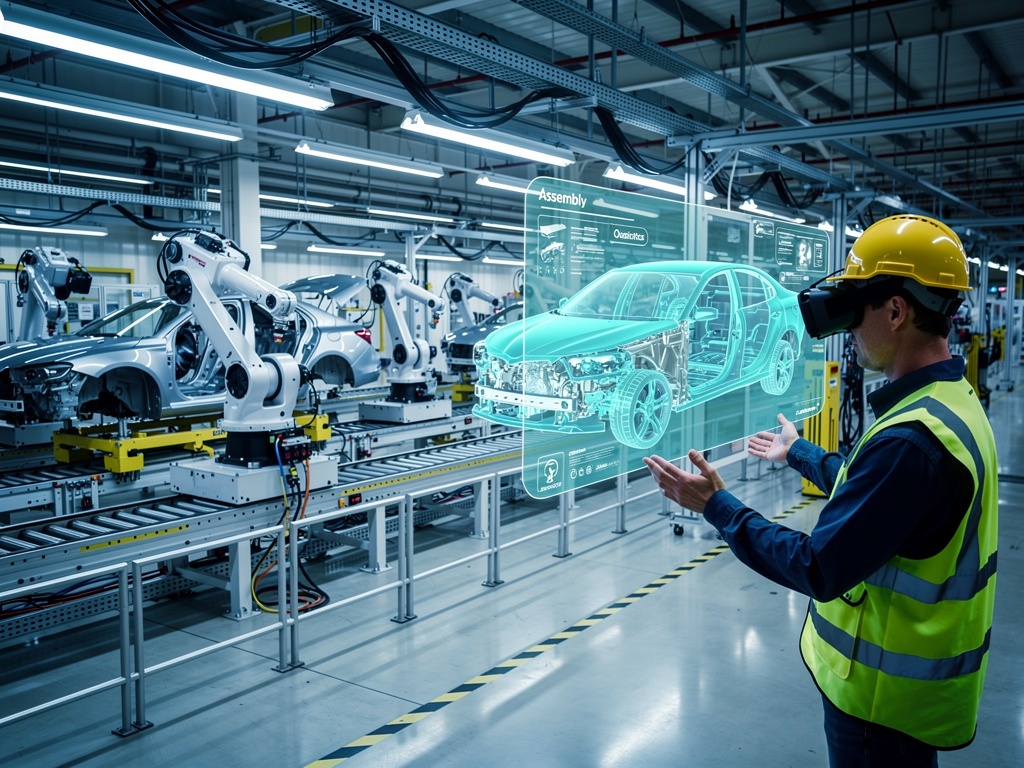
EDIIIE has developed a comprehensive VR-based training solution for manufacturing environments that creates photorealistic digital replicas of production facilities, machinery, and workflows at 1:1 fidelity. Trainees can operate virtual machines, execute standard operating procedures, and respond to emergency scenarios within VR headsets without risking actual production. The platform employs a dual-mode design featuring a guided Learn Mode with narrated instruction and a scored Practice Mode enabling independent task performance. The system captures detailed performance metrics and streams this data to a centralized learning management system dashboard, allowing training managers to monitor progress and competency development. This approach eliminates production downtime and safety risks associated with traditional on-site training while providing scalable, repeatable instruction standardized across facilities. The solution addresses critical manufacturing challenges by enabling cost-effective workforce development, reducing onboarding time, and ensuring consistent skill validation across production teams.
Share on
The ROI of Immersive Training: An Enterprise Playbook for VR Training
www.vrvisiongroup.com
Oct. 24, 2026, 7:12 a.m.
Immersive virtual reality training delivers measurable return on investment through four primary mechanisms: reducing cost per learner by 40 to 60 percent, accelerating time to competency by 65 percent as demonstrated at Avangrid, preventing costly incidents, and enabling content reuse at minimal marginal expense. Enterprise deployments typically achieve payback within 6 to 12 months, with savings expanding annually thereafter. However, VR training proposals frequently fail not due to technological limitations but because of inadequate business case development. Based on a decade of implementations for organizations including Toyota, Siemens Gamesa, Avangrid, and Enel, successful financial justification requires presenting CFOs with rigorous cost analysis rather than technology demonstrations. The critical first step involves calculating the complete current training expense by consolidating hidden costs distributed across operations, human resources, safety, and facilities budgets. Organizations typically underestimate traditional training expenses because costs remain scattered across multiple departments. This comprehensive cost baseline becomes essential for demonstrating VR's financial superiority over existing methods. The playbook provides frameworks and mathematical tools for building financially defensible ROI cases that align with corporate finance standards and approval requirements.
Cappadocia VR - Immersive Virtual Reality Experience
cappadociavr.com.tr
Oct. 24, 2026, 7:12 a.m.
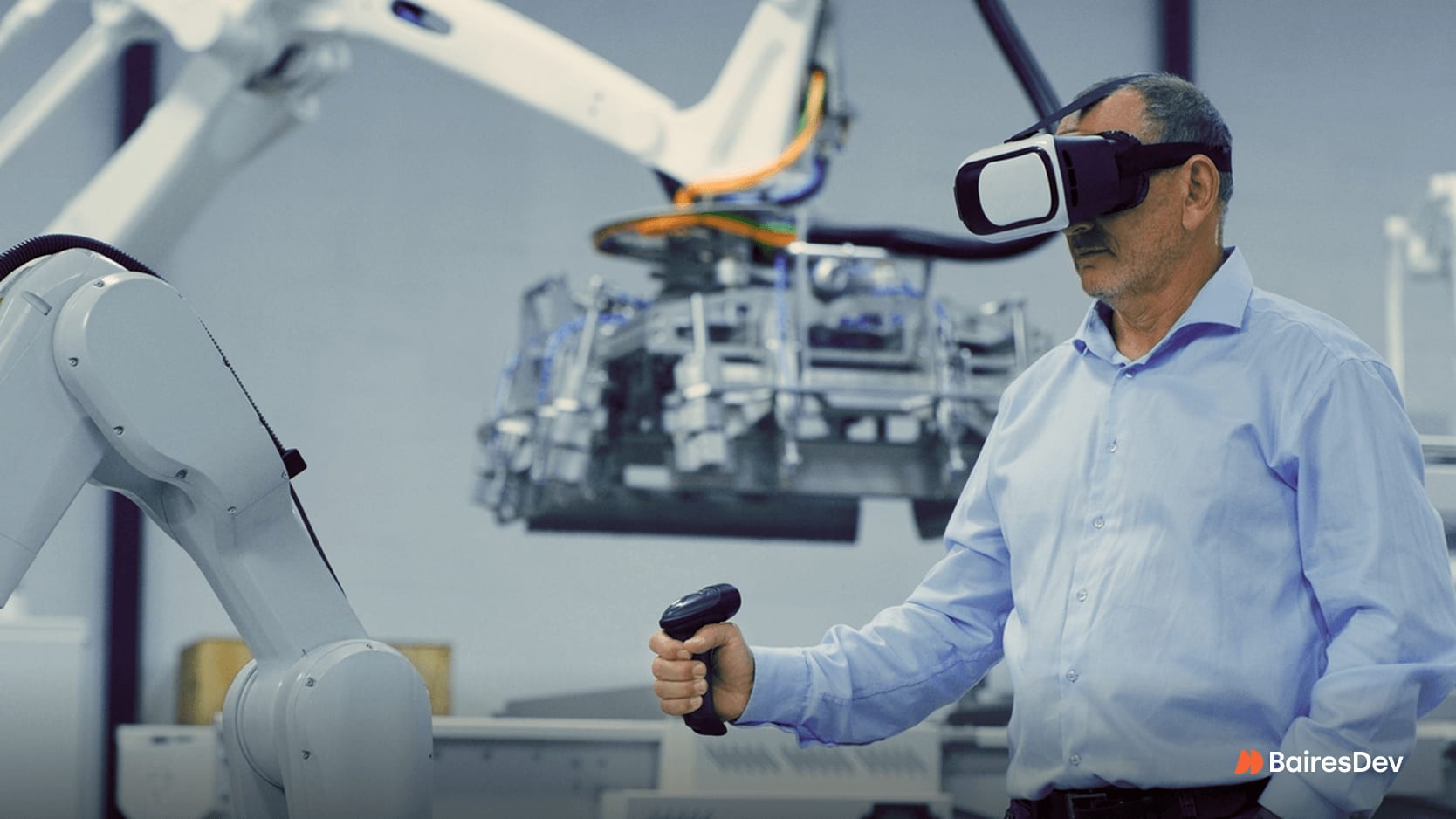
Haptics and sensors represent critical technologies that expand extended reality (XR) experiences beyond traditional visual and audio modalities. These complementary systems work together to create more immersive and realistic user interactions. Sensors function by capturing essential data including movement, position, force measurements, and environmental information in real-time. Simultaneously, haptic systems deliver tactile and force feedback to users, enabling them to physically sense their interactions within virtual environments. This combination of sensory technologies enhances embodied interaction, allowing users to experience greater presence and realism within XR applications. The integration of haptic feedback with precise tracking and sensor data creates more informative interactions, making virtual environments feel tangible and responsive. As XR adoption continues to grow across gaming, training, healthcare, and industrial applications, the role of haptics and sensors becomes increasingly important in delivering authentic user experiences that bridge the gap between digital and physical worlds.
Share on
What Are Haptics? Exploring Touch Tech - Sandbox VR
sandboxvr.com
Oct. 24, 2026, 7:12 a.m.
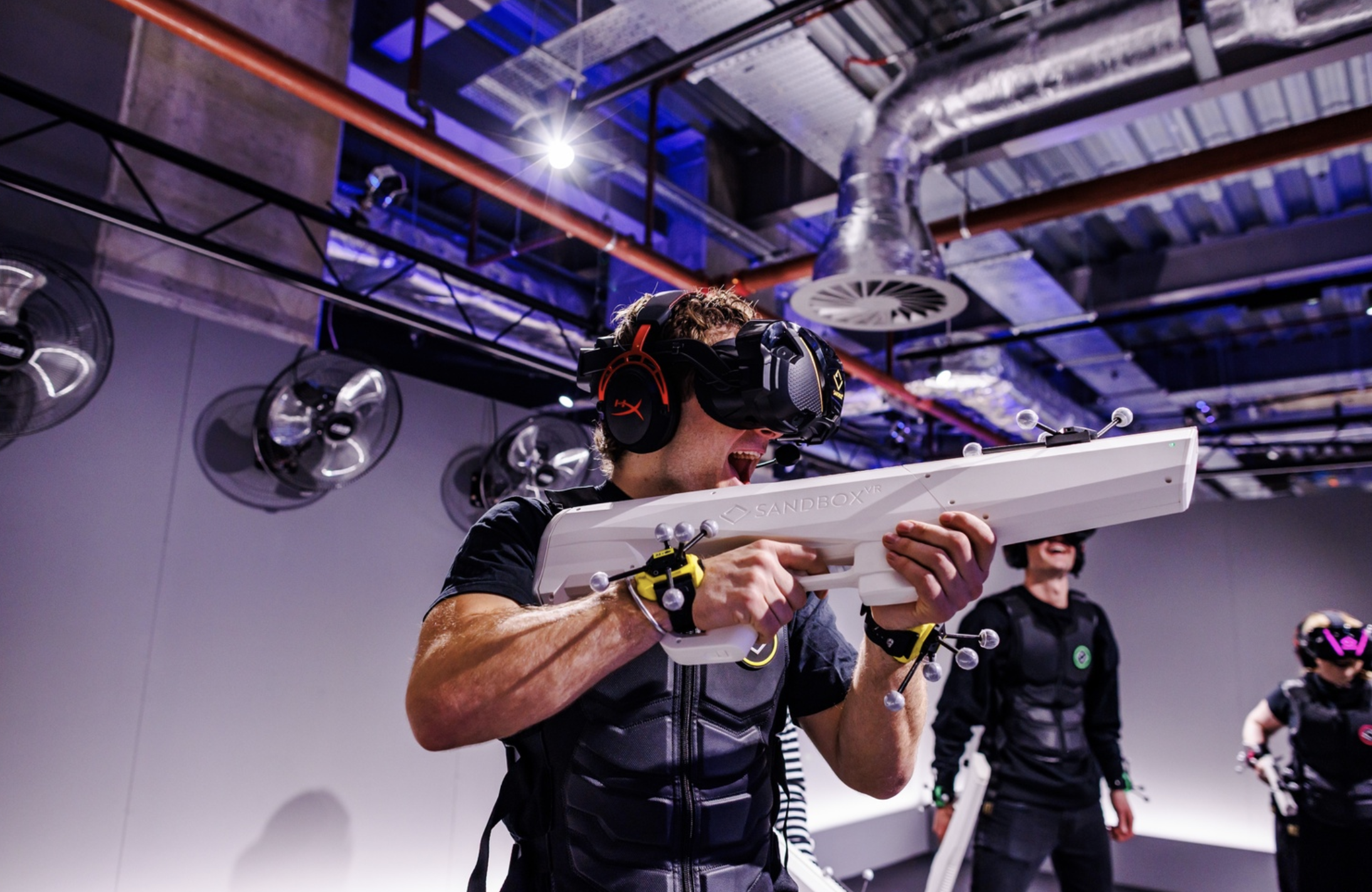
Haptic technology encompasses touch-based feedback systems that engage users through tactile sensations, derived from the Greek word "haptikós" meaning "to touch." These technologies range from smartphone vibrations confirming button presses to complex immersive experiences in virtual reality environments. Haptic feedback operates through various mechanical and electronic mechanisms designed to simulate physical sensations, including tactile feedback that provides surface-level engagement. Applications span multiple industries, from consumer electronics where phone vibrations alert users to interactions, to automotive safety systems that warn drivers of lane departures, to advanced virtual reality platforms. Sandbox VR exemplifies cutting-edge haptic implementation, enabling users to feel realistic sensations such as shotgun recoil or zombie attacks during immersive experiences. The technology matters significantly because it enhances user engagement and presence by adding the crucial sensory dimension of touch to digital interactions. As haptic technology continues advancing, it promises to deepen immersion in virtual reality and transform how humans interact with digital environments, making experiences more intuitive, realistic, and engaging across entertainment, safety, and communication applications.
Share on
WeArt TouchDiver Pro Haptic Gloves (Set)
unboundxr.eu
Oct. 24, 2026, 7:10 a.m.
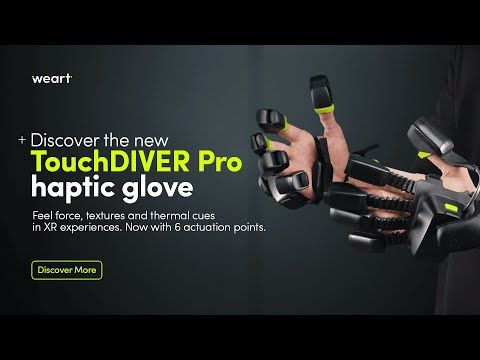
WeArt has introduced the TouchDiver Pro haptic gloves, an advanced wearable device designed to revolutionize virtual and augmented reality experiences by delivering realistic tactile feedback. These wireless gloves feature precision sensors that track hand movements in real-time, allowing users to feel touches, pressure, and textures within virtual environments with unprecedented authenticity. The lightweight, ergonomically designed device offers extended battery life and wireless connectivity for unrestricted movement, making it compatible with most VR and AR systems. The TouchDiver Pro addresses diverse applications including gaming, immersive simulations, medical training, and industrial design. Available exclusively for business orders through Unbound XR, the gloves represent a significant advancement in haptic technology that bridges the sensory gap between physical and digital interactions. This innovation matters for professionals and enterprises seeking to enhance training effectiveness, design precision, and user immersion across multiple industries, fundamentally transforming how people interact with virtual content.
Share on
AutoVRse Says It Can Cut VR Training Build Time by Up to 93%
thexrbeat.com
Oct. 17, 2026, 7:08 a.m.
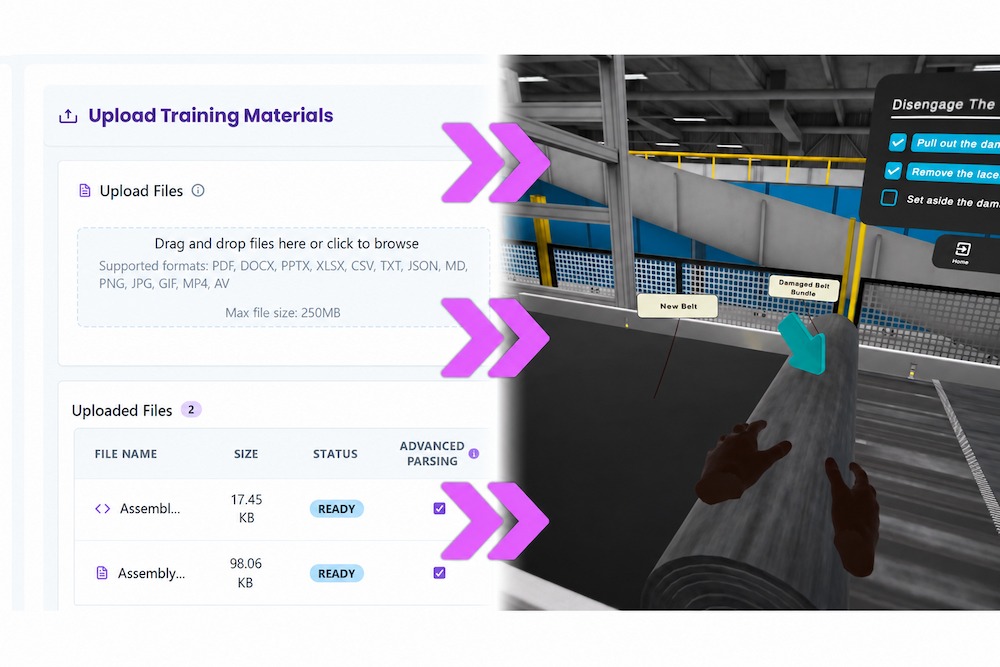
AutoVRse has announced its VRseBuilder platform, designed to streamline VR training development by converting existing company training manuals into customizable virtual reality exercises. The platform claims to reduce custom VR development time by up to 93% through AI-assisted authoring, reusable software components, and integration with the Unity development engine. The workflow enables training teams to transform standard operating procedures into editable VR modules, review scenarios in headset, and make adjustments before deployment. AutoVRse connects AI assistants such as Claude and Cursor to Unity via the Model Context Protocol, allowing these tools to operate development functions like scene creation, asset importing, and script editing. This capability could significantly lower barriers to adopting tailored workplace training by reducing development costs and enabling faster updates when procedures or environments change. However, the company's headline 93% time reduction derives from internal project comparisons without published independent verification. Organizations implementing VRseBuilder will need to assess which tasks their training teams can handle independently versus those requiring developer expertise, as the platform's effectiveness depends on how much work it automates versus what remains manual.
Share on
Enterprise XR’s Quiet Pivot: Fewer Headsets, More Plumbing
uctoday.com
Oct. 17, 2026, 7:08 a.m.
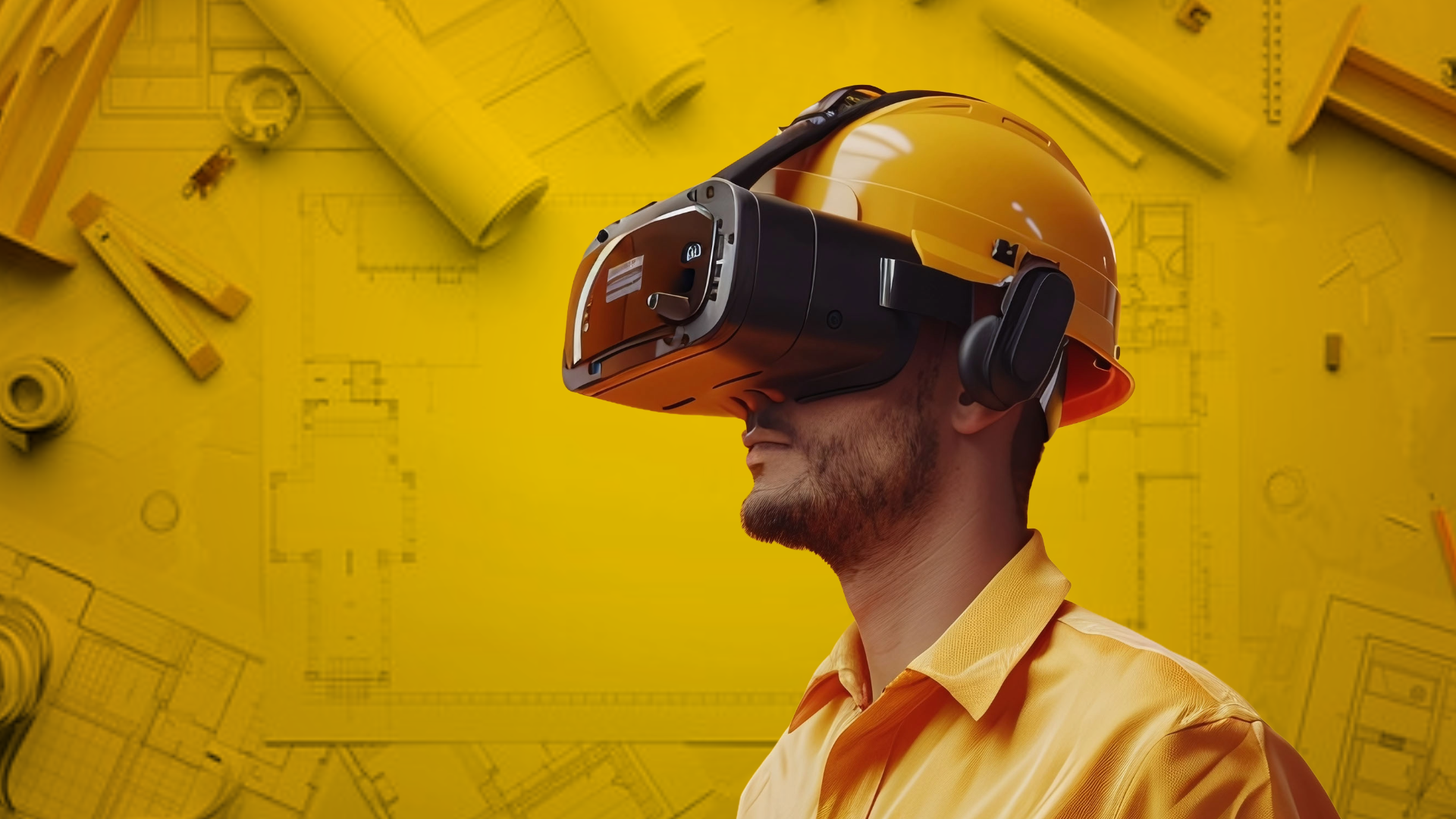
Enterprise XR adoption is undergoing a significant strategic shift away from consumer-focused hardware toward practical operational solutions. Rather than pursuing immersive interfaces as the next computing platform, organizations are deploying XR technology for narrowly defined applications including safety training, sales instruction, engineering data access, and remote expertise guidance. Major platform providers have retreated notably, with Microsoft ending HoloLens 2 production and Meta discontinuing Horizon Workrooms and commercial Quest offerings. This pullback highlights persistent challenges around device selection, management, identity systems, and long-term vendor support. Recent developments reveal the market's true priorities: fleet management and operational reliability rather than breakthrough devices. United Rentals' rollout of Strivr virtual reality training across 1,000 locations demonstrates scale potential, achieving reported 40 percent training time reductions, though comprehensive cost data remains unpublished. Meanwhile, Android Enterprise support for Samsung Galaxy XR devices signals industry focus on IT-friendly device management through familiar zero-touch enrollment and policy controls. These trends indicate the enterprise XR market is maturing toward practical infrastructure solutions rather than revolutionary interface technologies.
Share on
SEO title: Assisted Reality Glasses for Businesses
unboundxr.eu
Oct. 17, 2026, 7:08 a.m.
Unbound XR offers a specialized range of Assisted Reality glasses designed for industrial and professional environments including manufacturing, logistics, field service, and maintenance. Unlike comprehensive augmented reality solutions with complex 3D overlays, Assisted Reality prioritizes speed, simplicity, and reliability by displaying relevant digital information directly in the user's field of view while maintaining full awareness of the surrounding environment. The technology enables hands-free access to work instructions, checklists, live video support, and task-specific data without isolating workers from their physical workspace. In manufacturing settings, these compact and robust glasses streamline work instructions, assembly processes, quality checks, and maintenance procedures, reducing dependency on paper manuals and separate screens. This capability helps organizations minimize errors, accelerate employee onboarding, and embed critical knowledge more effectively across shop floors. The solution proves particularly valuable for complex or repetitive workflows where quick information access is essential. Applications extend to logistics and warehouse operations, where employees receive picking instructions, inventory updates, and quality control information hands-free, enhancing operational efficiency and accuracy throughout supply chain processes.
Share on
2026 Frontline Smart Glasses Report
cdn.prod.website-files.com
Oct. 17, 2026, 7:08 a.m.
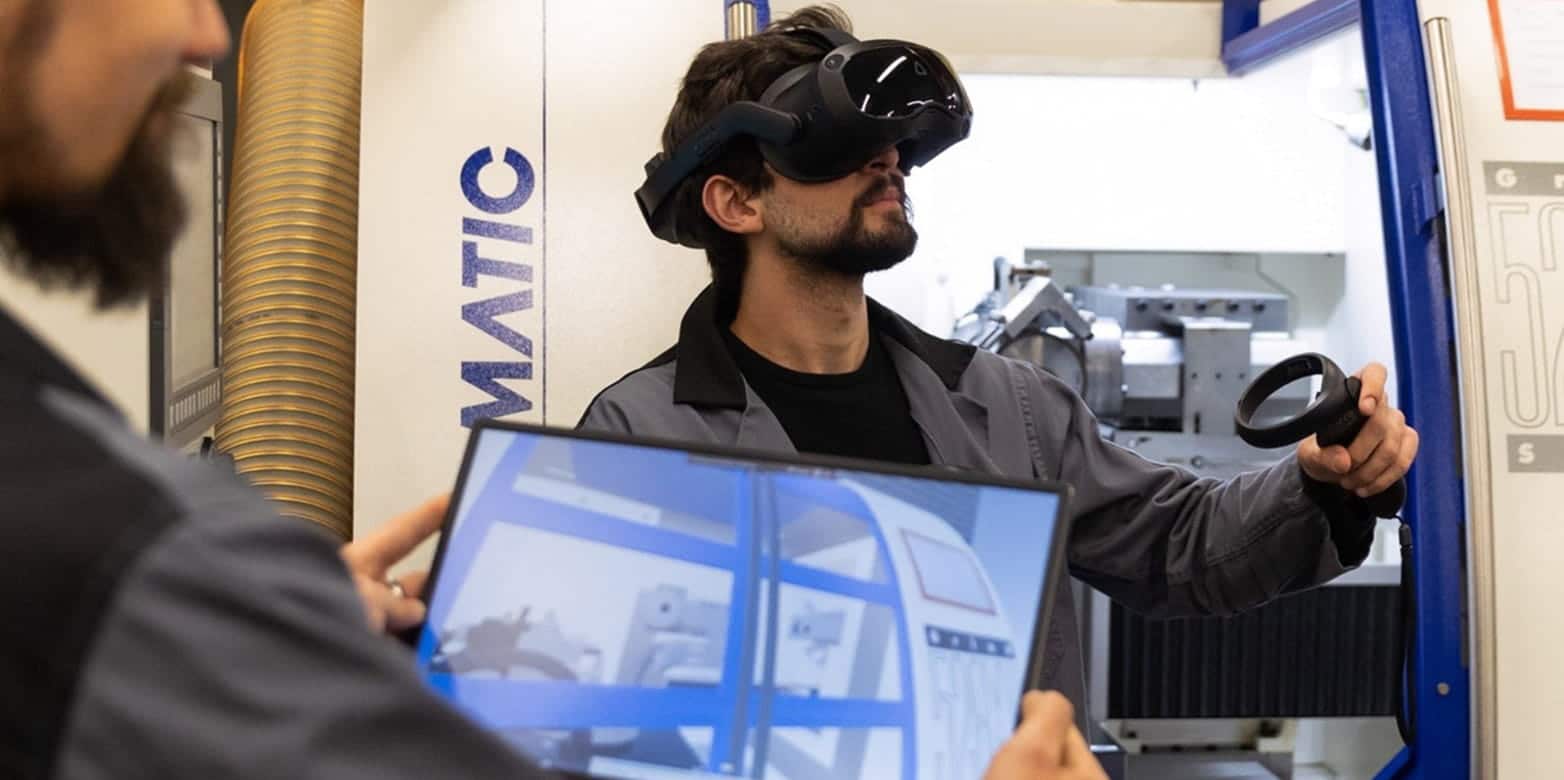
ArborXR's 2026 Frontline Smart Glasses Report presents comprehensive research on the adoption and deployment of smart glasses technology across enterprise frontline operations. The study surveyed 198 registrants from 166 organizations spanning 27 countries, providing insights into how businesses are implementing extended reality devices in field-based work environments. The research examines adoption patterns, use cases, and device management strategies for frontline smart glasses, with particular focus on Microsoft HoloLens 2 and AI-enabled glasses platforms. Key findings address organizational readiness, implementation challenges, and the role of device management solutions like ArborXR's platform in scaling smart glasses deployments. The report matters significantly as frontline industries—including manufacturing, healthcare, logistics, and field service—increasingly recognize smart glasses' potential to enhance worker productivity, safety, and training. Understanding adoption trends and deployment best practices helps organizations make informed investment decisions and develop effective strategies for integrating these technologies into existing workflows and operations.
Share on

OUR COMMITMENT MATCHES YOUR IMAGINATION
etoff.com
Oct. 9, 2026, 9:36 a.m.
This resource outlines a comprehensive service portfolio centered on immersive technologies and artificial intelligence for enterprise growth. The offering encompasses four core competencies: Augmented Reality (AR), Virtual Reality (VR), Mixed Reality (MR), and Artificial Intelligence (AI). The service provider specializes in advanced VR development that creates immersive digital environments, AR solutions that integrate digital content with physical spaces for enhanced interactivity, and MR applications that combine elements of both technologies. These capabilities are positioned specifically for enterprise applications including employee training, cross-functional collaboration, and product development processes. The guide emphasizes how organizations can leverage these immersive technologies to drive innovation and competitive advantage. By combining sophisticated digital experiences with practical business applications, the service addresses the growing demand among enterprises to adopt cutting-edge technologies that enhance operational efficiency, employee engagement, and product conception. This approach reflects the expanding role of immersive technologies in transforming how organizations train staff, collaborate across teams, and accelerate product innovation cycles.
Share on
XR Industrial Training — VR Industrial Training & Simulation
www.nivosk.com
Oct. 9, 2026, 9:36 a.m.
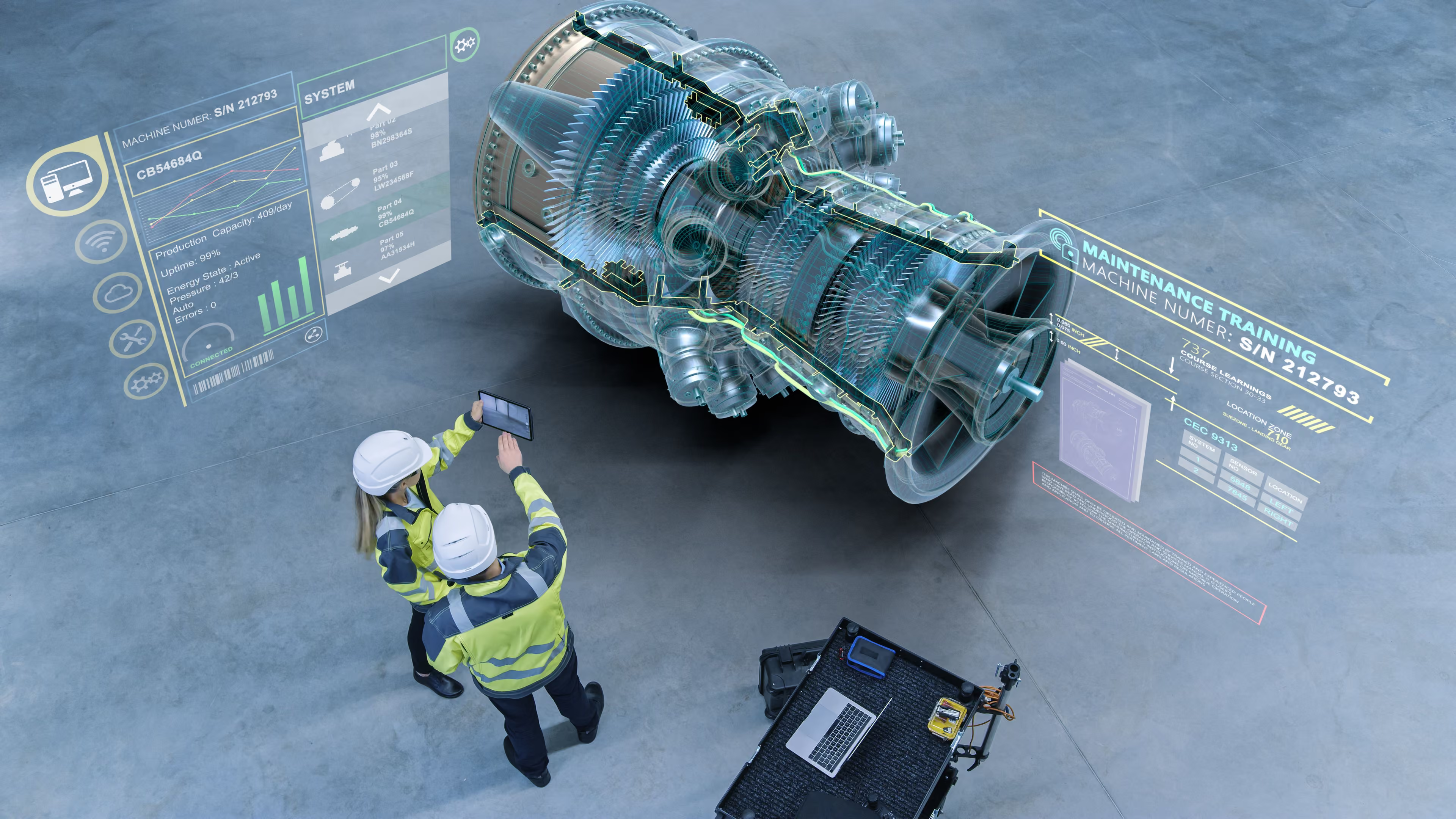
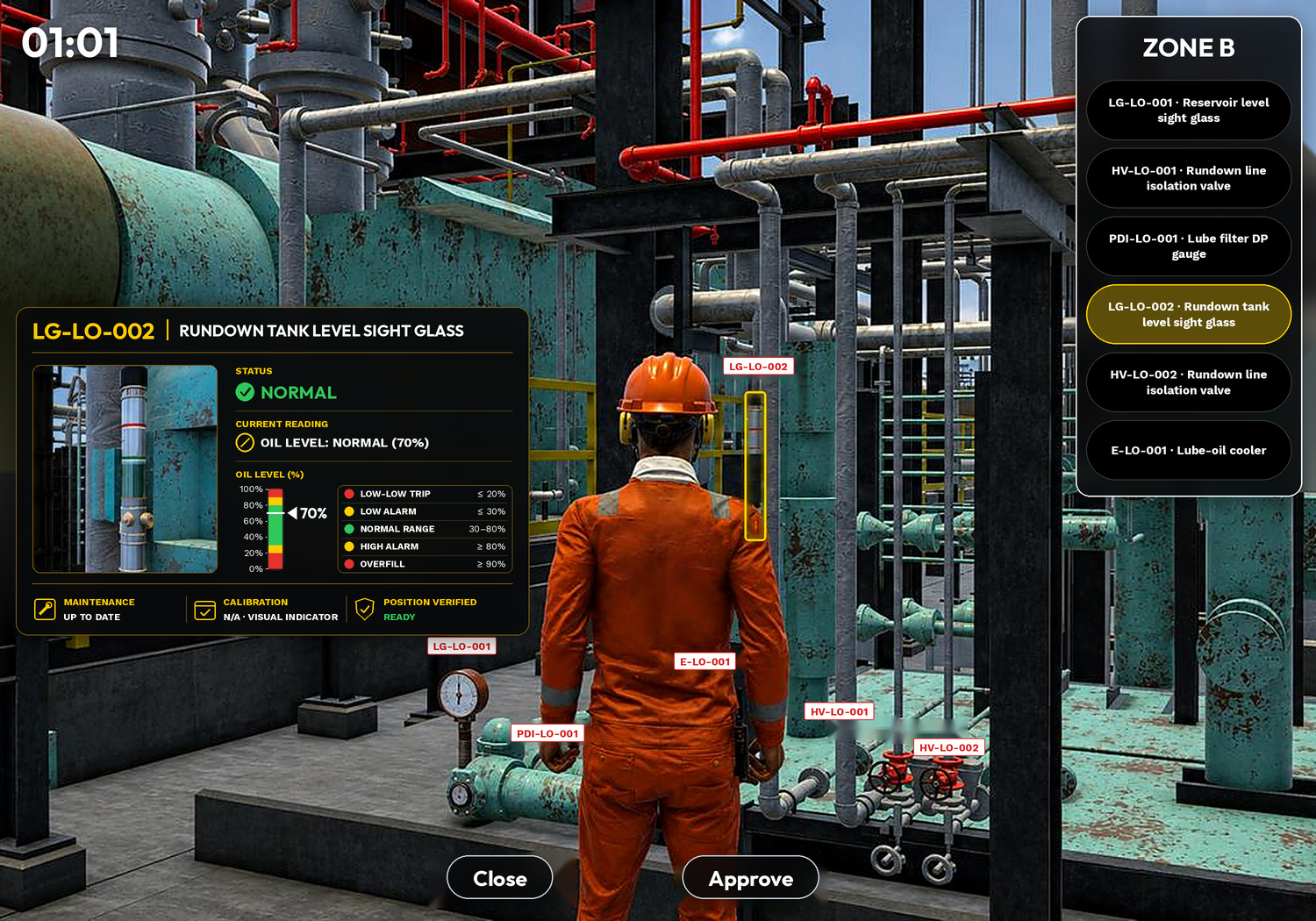
NIVOSK has developed XR Industrial Training, an immersive solution designed to address critical safety and operational challenges in industrial environments. The platform uses virtual reality, extended reality, and digital simulations to enable operators to practice equipment operation, maintenance, safety procedures, and emergency response scenarios without exposing personnel or assets to real-world hazards. Traditional training methods risk injuries and equipment damage when conducted on live plants, and high-risk or emergency scenarios are difficult to recreate authentically. NIVOSK's solution converts plant layouts, equipment models, and procedures into immersive digital environments where trainees interact with virtual equipment before working on actual installations. Key benefits include standardized, repeatable training that can be deployed across multiple teams, shifts, and sites without interrupting production. The platform integrates with industrial cameras, IoT sensors, SCADA systems, PLCs, GPS, cloud infrastructure, and existing enterprise systems, ensuring seamless deployment within current operational frameworks. This approach enhances operator competency, reduces training downtime, and significantly mitigates safety risks across industrial sectors.
Share on
Haptic Interaction Technologies in Virtual Environments articles from across Nature Portfolio
www.nature.com
Oct. 9, 2026, 9:36 a.m.
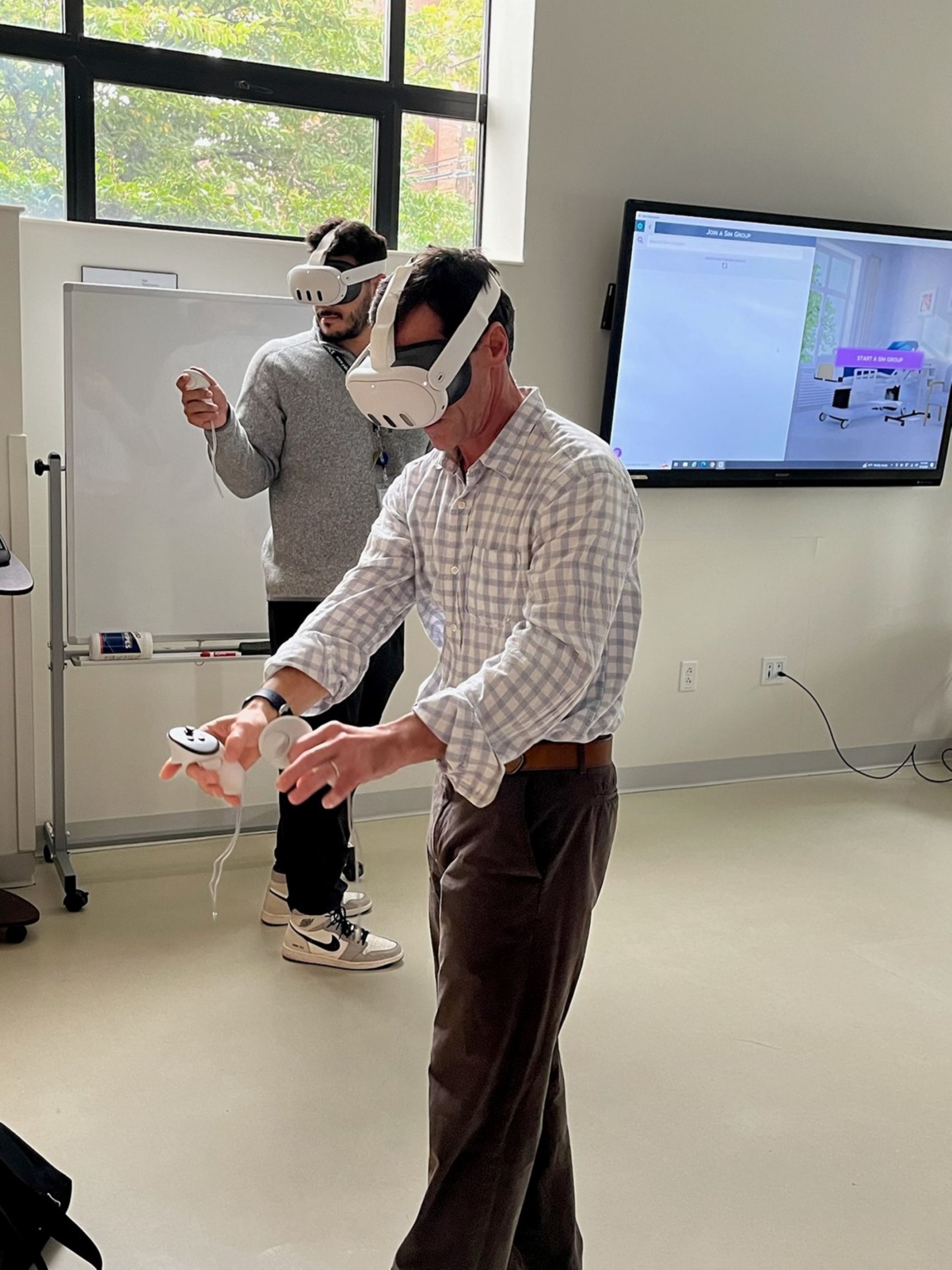
Recent advances in haptic interaction technologies are transforming how humans engage with virtual environments and remote systems. This comprehensive research overview examines cutting-edge developments in wearable haptic systems that enable touch-based communication and sensory feedback. Key innovations include clothing embedded with ultrasound translation capabilities, neuromorphic tactile sensing systems for telepresence applications, and bistable haptic textiles that leverage the skin's mechanoreceptors for complex information delivery. Researchers have developed novel haptic electronic yarns capable of delivering controlled vibrotactile feedback when knitted into textiles, enabling skin-based communication channels. Additionally, active vibration sensing techniques and flexible microscale tactile displays using liquid-to-gas phase-change mechanisms are being explored. These technologies address critical gaps in robotics and remote interaction where somatosensory feedback remains essential for safe human-machine cooperation. The integration of these wearable systems into everyday textiles and devices promises significant applications in telepresence, virtual reality immersion, and sensory substitution, marking a fundamental shift in how digital and physical experiences converge through haptic technology.
Share on
The Virtual Hangar: How XR Is Transforming Aviation Maintenance Training
avm-mag.com
Oct. 9, 2026, 9:35 a.m.
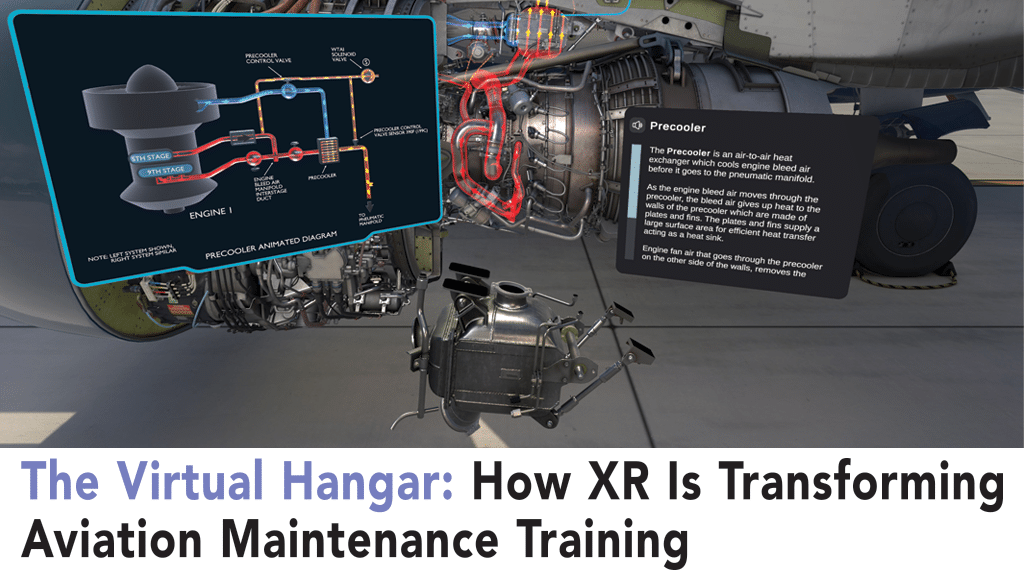
Extended reality technologies, encompassing augmented reality, virtual reality, and mixed reality, are revolutionizing aviation maintenance training and support for maintenance and repair organizations. Industry experts from Mass Virtual and Adaptive Immersion discussed how these immersive technologies can enhance technician training, safety, and operational efficiency. Mass Virtual develops the MassXR platform, deployed across defense and commercial aviation applications, while Adaptive Immersion specializes in VR training for hazardous work environments. These companies leverage high-fidelity virtual reality to enable unlimited, realistic practice opportunities that traditional classroom instruction and live drills cannot provide. A notable application is hands-on procedural VR training for personnel handling ordnance threats, offering hyper-realistic visuals and precise task replication in safe virtual environments. This capability allows operators to practice dangerous procedures before real-world deployment, significantly reducing risk. The adoption of XR technologies addresses critical training gaps by enabling MROs to safely prepare personnel for complex and hazardous maintenance tasks while improving operational readiness and workplace safety standards across the aviation industry.
Share on

Resources | AI, AR, VR & XR Insights
www.aurainteract.com
Oct. 3, 2026, 7:11 a.m.
This resource page from Aura Interact provides enterprise access to comprehensive research materials, whitepapers, and thought leadership content focused on emerging technologies including artificial intelligence, augmented reality, virtual reality, and extended reality. The platform positions itself as a digital transformation accelerator for organizations seeking to leverage these advanced technologies. The company invites interested enterprises to contact their dedicated team to request product demonstrations or discuss potential partnerships. Aura Interact operates globally with offices in the USA, Singapore, and the Netherlands, while maintaining headquarters in Ahmedabad, Gujarat, India. Inquiries can be directed through multiple channels including email at info@aurainteract.com or phone at +91 8128301901. This offering is relevant for organizations evaluating immersive technologies and requiring expert guidance on implementation strategies within their digital transformation initiatives.
Share on
Ruofei Du | Publications
duruofei.com
Oct. 3, 2026, 7:10 a.m.
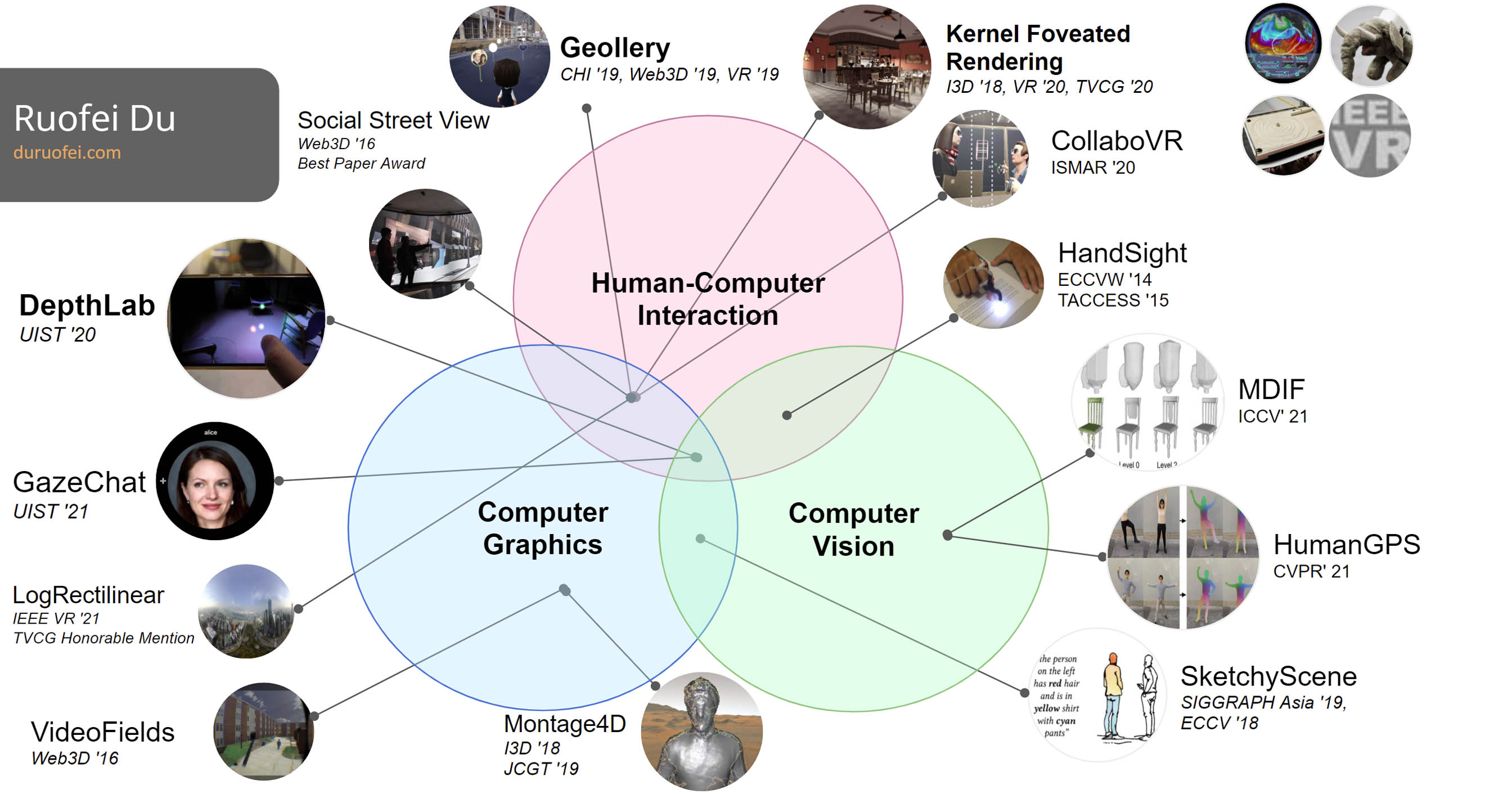
A Google researcher specializing in artificial intelligence and extended reality technologies has published over 35 peer-reviewed papers advancing the intersection of AI, virtual reality, AR, and mixed reality. The researcher's work focuses on fusing user intent with data from physical and virtual environments to create interactive, accessible, and practical applications across VR, AR, and MR platforms. Publications span prestigious venues including CHI, SIGGRAPH Asia, UIST, TVCG, CVPR, ICCV, ECCV, ISMAR, VR, I3D, and Web3D, demonstrating significant contributions to human-computer interaction, computer graphics, and computer vision. This body of work represents efforts to innovate technologies that bridge digital and physical worlds, enabling more intuitive user experiences. The comprehensive publication record underscores the researcher's commitment to advancing extended reality technologies through rigorous peer-reviewed research and establishes thought leadership in emerging AI-driven spatial computing domains.
Share on
Unified Visual-Tactile-Action Modeling from Human Demonstrations for Dexterous Manipulation
arxiv.org
Oct. 3, 2026, 7:09 a.m.
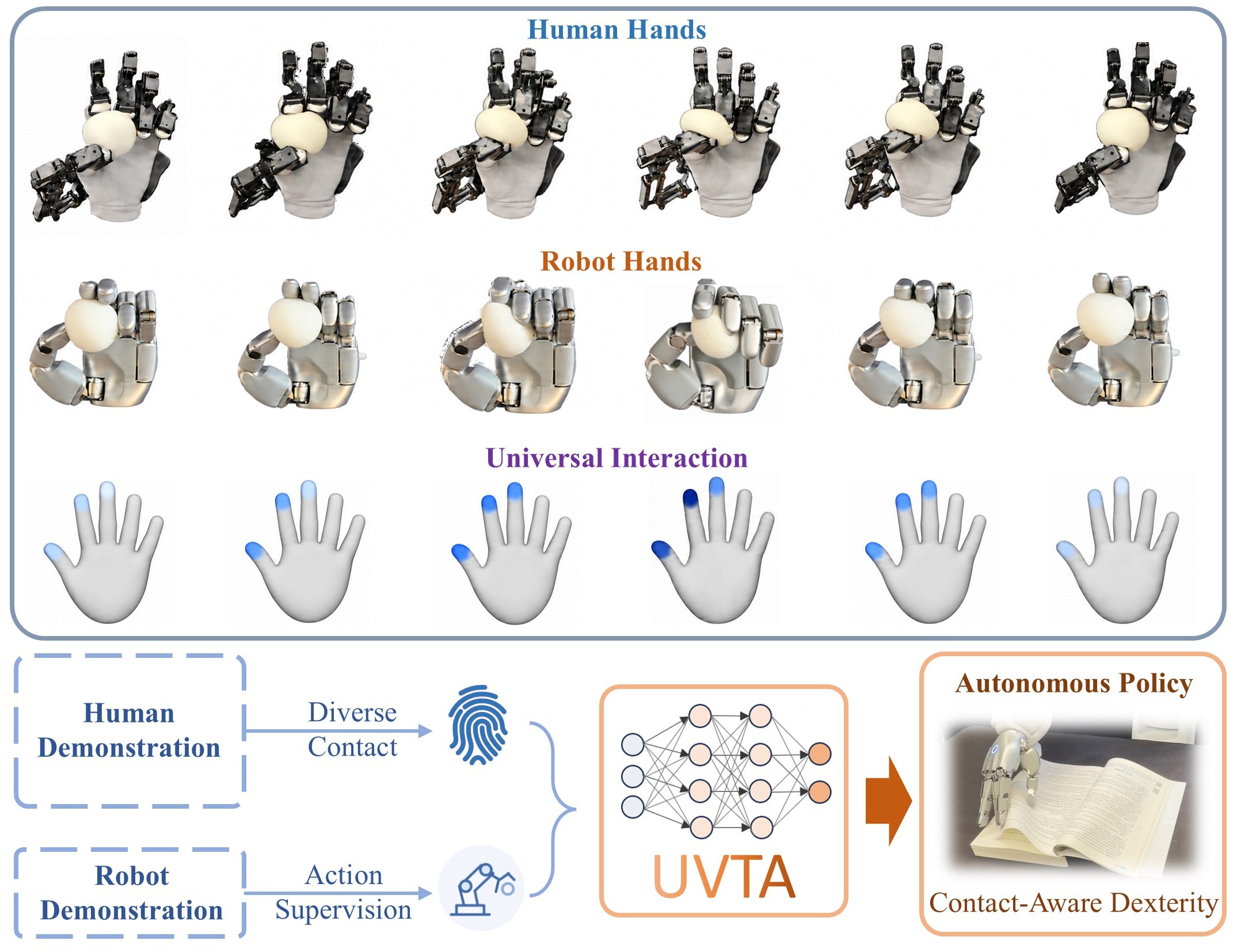
Dexterous manipulation in robotics fundamentally requires tactile feedback to handle contact-rich tasks involving contact onset, pressure, and slip detection. However, collecting robot tactile demonstrations through teleoperation is costly and difficult to scale due to limited feedback to operators. Researchers addressed this challenge by leveraging human tactile data to train robot policies, recognizing that underlying interaction physics remains consistent across different embodiments. They developed a tactile motion-capture system recording synchronized images, tactile signals, and hand motions, creating the UVTA dataset with 1,000 human demonstrations and 150 robot demonstrations across five contact-rich tasks. The team proposed a Unified Visual-Tactile-Action Model that maps both human and robot embodiments into aligned tactile and action representations, jointly predicting future trajectories. This approach enables human demonstrations to supervise contact-aware learning while executing only robot actions during deployment. Real-robot evaluations achieved a 70% average success rate across tasks, substantially outperforming visual-tactile baselines at 29% and architecture ablations at 42%. Performance improved consistently with additional demonstrations, demonstrating that scalable human tactile data effectively enhances dexterous manipulation capabilities without saturation effects.
Share on
Actuation, sensing, and integration in soft robotics: principles, progress, and future trends
www.oaepublish.com
Sept. 26, 2026, 7:09 a.m.
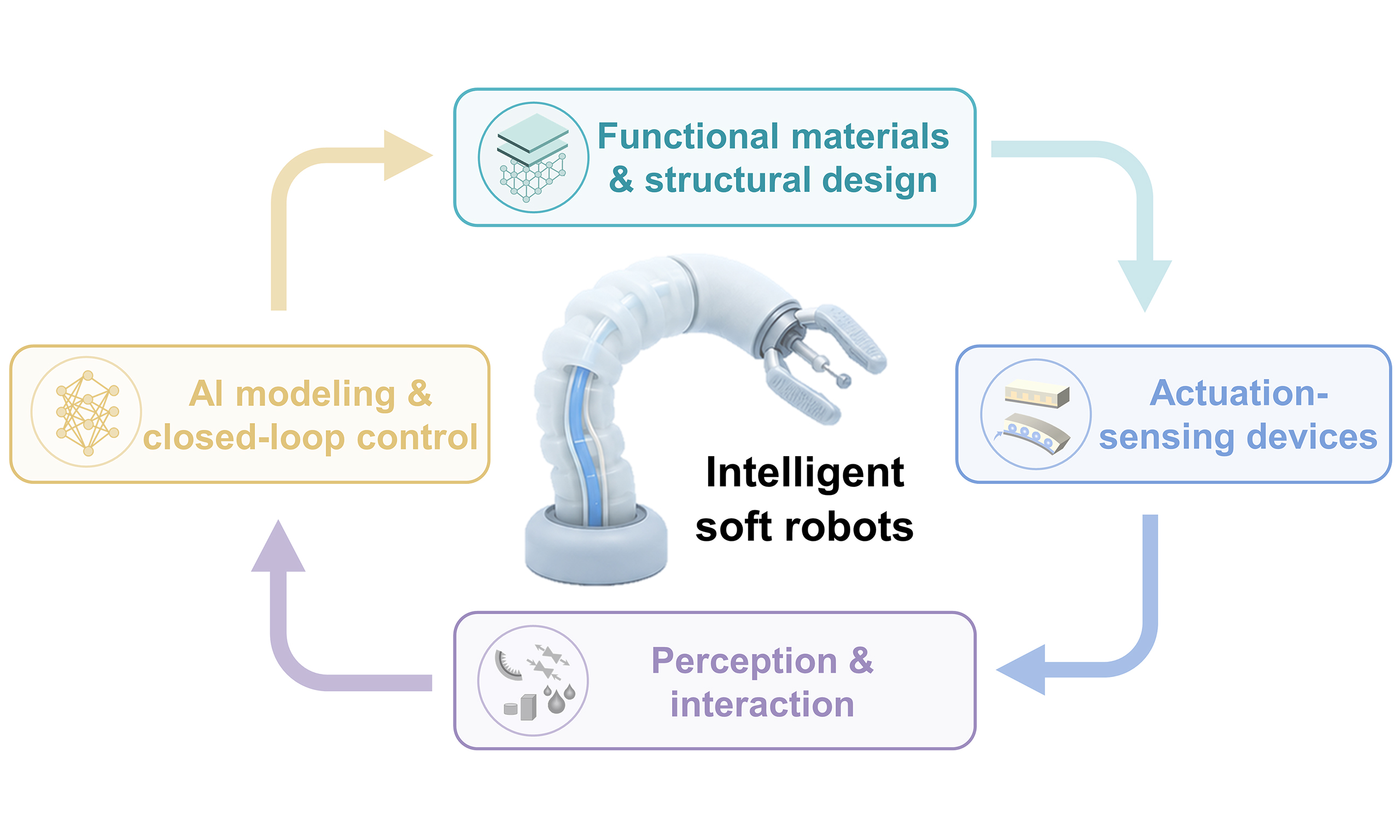
Soft robots, distinguished by their compliance and adaptability, represent a transformative approach to robotics with significant applications in healthcare, manufacturing, and human-machine interaction. This comprehensive review examines the critical technologies enabling soft robotic systems: actuation mechanisms that generate motion and determine operational capabilities, and sensing technologies that provide essential feedback for perception and control. The article synthesizes major actuation strategies for soft robots while detailing flexible sensor technologies based on various sensing mechanisms, emphasizing their working principles and limitations. A key focus is recent advances in integrated actuation-sensing systems, which incorporate proprioceptive and exteroceptive strategies alongside multimodal information fusion to enable precise control and intelligent interaction. The review addresses current technical challenges while outlining future directions for deeply coupled actuation-sensing systems. Inspired by biological structures like elephant trunks and octopus tentacles, soft robots offer superior degrees of freedom and compliance compared to conventional rigid robots, enabling safe operation in unstructured environments and interaction with delicate objects. With emerging advances in sensing technologies and artificial intelligence, embodied intelligence has emerged as a promising paradigm, expanding soft robotics' technical foundations and applications for future intelligent societies.
Share on
More immersion, better experience? The trade-offs of haptic gloves and treadmill locomotion in virtual museums - Multimedia Tools and Applications
link.springer.com
Sept. 26, 2026, 7:09 a.m.
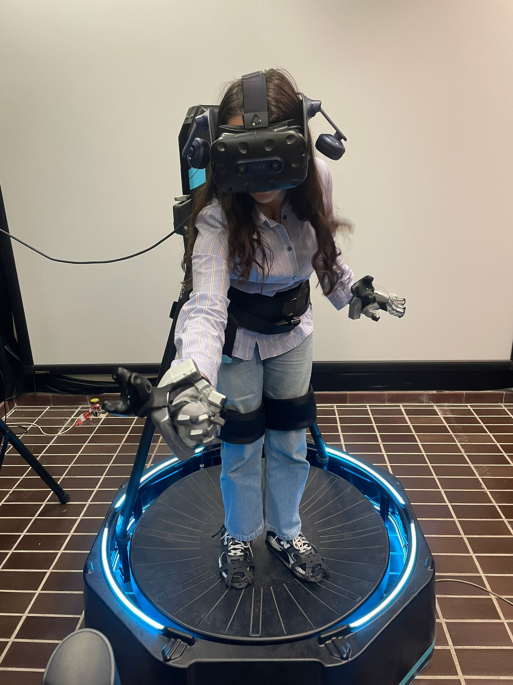
Researchers have investigated the effectiveness of haptic gloves and treadmill locomotion devices in enhancing virtual museum experiences. This study, published in Multimedia Tools and Applications in September 2026, examined whether increased immersion through tactile feedback and natural movement necessarily improves user engagement and satisfaction. The research evaluated the trade-offs between technological sophistication and user experience outcomes. Findings revealed that while haptic gloves and treadmill locomotion do enhance immersion by providing realistic sensory feedback and movement capabilities, they introduce practical limitations including increased cognitive load, physical fatigue, and complexity that can paradoxically diminish overall enjoyment. The study suggests that optimal virtual museum experiences may not require maximum immersion, as users must balance technological capabilities with accessibility and comfort. These insights matter for cultural institutions and VR developers designing virtual exhibitions, indicating that thoughtful integration of haptic and locomotion technologies should prioritize user comfort and cognitive processing over immersive intensity alone.
Share on
VR Safety Training for Heavy Industry | 11 Modules, 5,000+ Workers Trained
ediiie.com
Sept. 26, 2026, 7:09 a.m.
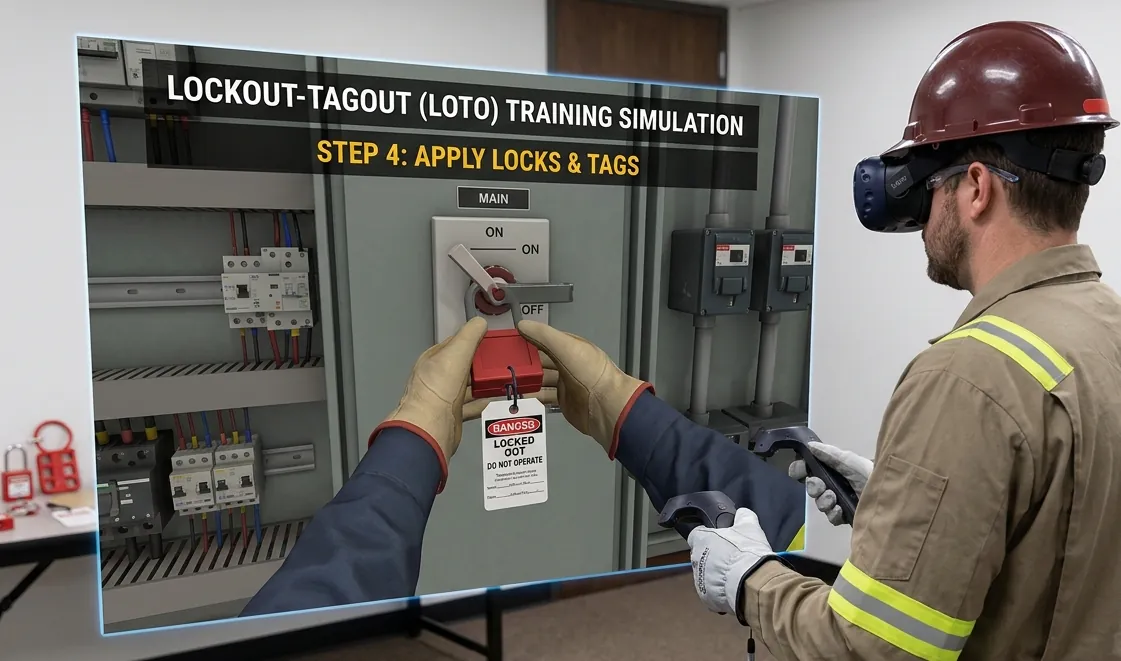
Immersive virtual reality safety training is transforming workforce preparation in high-hazard industries including steel manufacturing, petrochemical operations, power generation, construction, and defence facilities. The EDIIIE platform delivers photorealistic VR programmes that enable organizations to certify employees at scale while eliminating exposure to live-environment risks. This approach builds measurable safety culture improvements across industrial operations. Deployment data demonstrates significant impact: Hindalco achieved a 60% reduction in near-misses following implementation, while SAIL Bhilai trained over 5,000 workers using the system. By replacing dangerous on-site training with immersive digital simulations, organizations reduce incident rates, lower operational costs associated with accidents, and accelerate workforce competency development. This technological shift represents a critical advancement for industries where traditional safety training methods pose inherent risks to trainees, making VR-based certification increasingly essential for modern industrial safety management.
Share on
Parametric Haptics: Versatile Geometry-based Tactile Feedback Devices | Interactive Structures
interactive-structures.org
Sept. 19, 2026, 7:09 a.m.
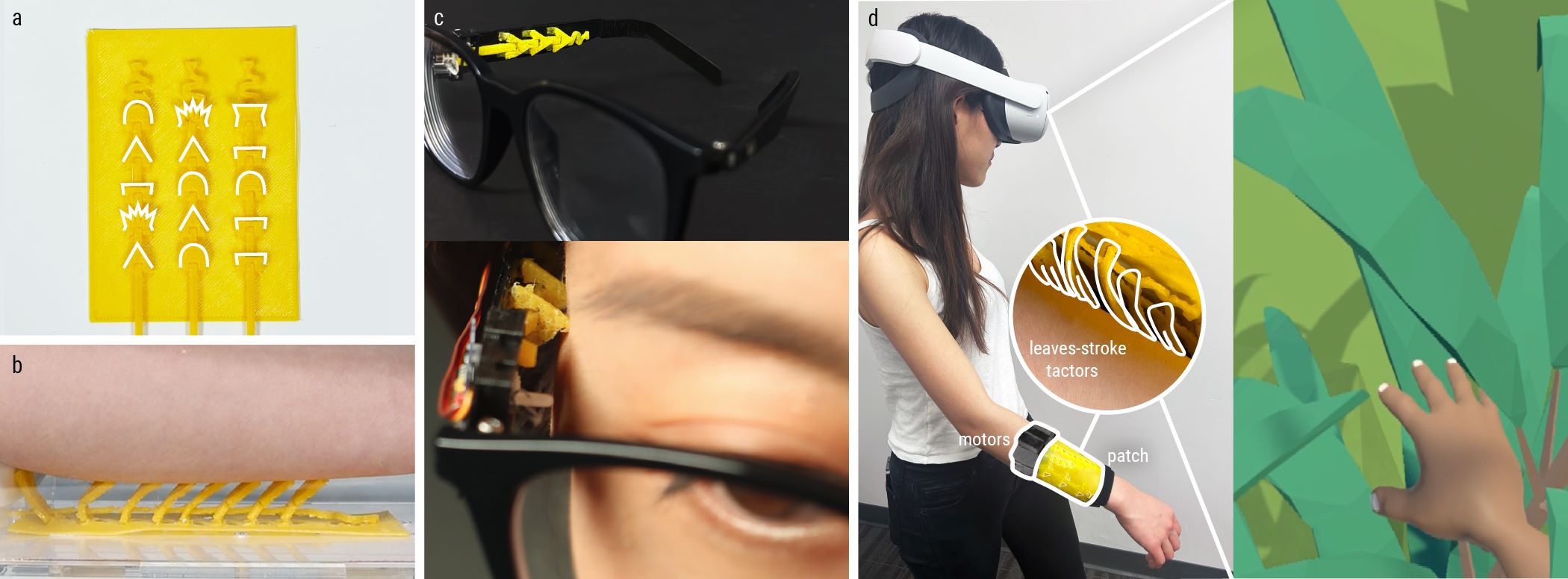
Parametric Haptics presents a novel approach to versatile tactile feedback through geometry-based wearable devices developed by Han, Boadi-Agyemang, Lin, Lindlbauer, and Ion. The research addresses the challenge of creating haptic systems that generalize across diverse applications by integrating actuation mechanisms directly into passive 3D-printable patches connected to micro gear motors. These soft, thin, and conformable patches feature customizable tactors of varying numbers and shapes that can be grouped and moved across large skin areas, enabling a broad design space of tactile sensations. A user study demonstrated strong correlation between geometric parameters and perceived sensations, validating the approach's effectiveness. The team demonstrated practical applications through wearable prototypes in immersive virtual reality scenarios, embedded eyewear, and navigation interfaces, with design support provided via a Rhino plugin. This work, presented at UIST 2023 with support from Accenture Technology Labs, offers significant potential for advancing multi-modal and assistive interface design through modular, customizable haptic feedback solutions.
Share on