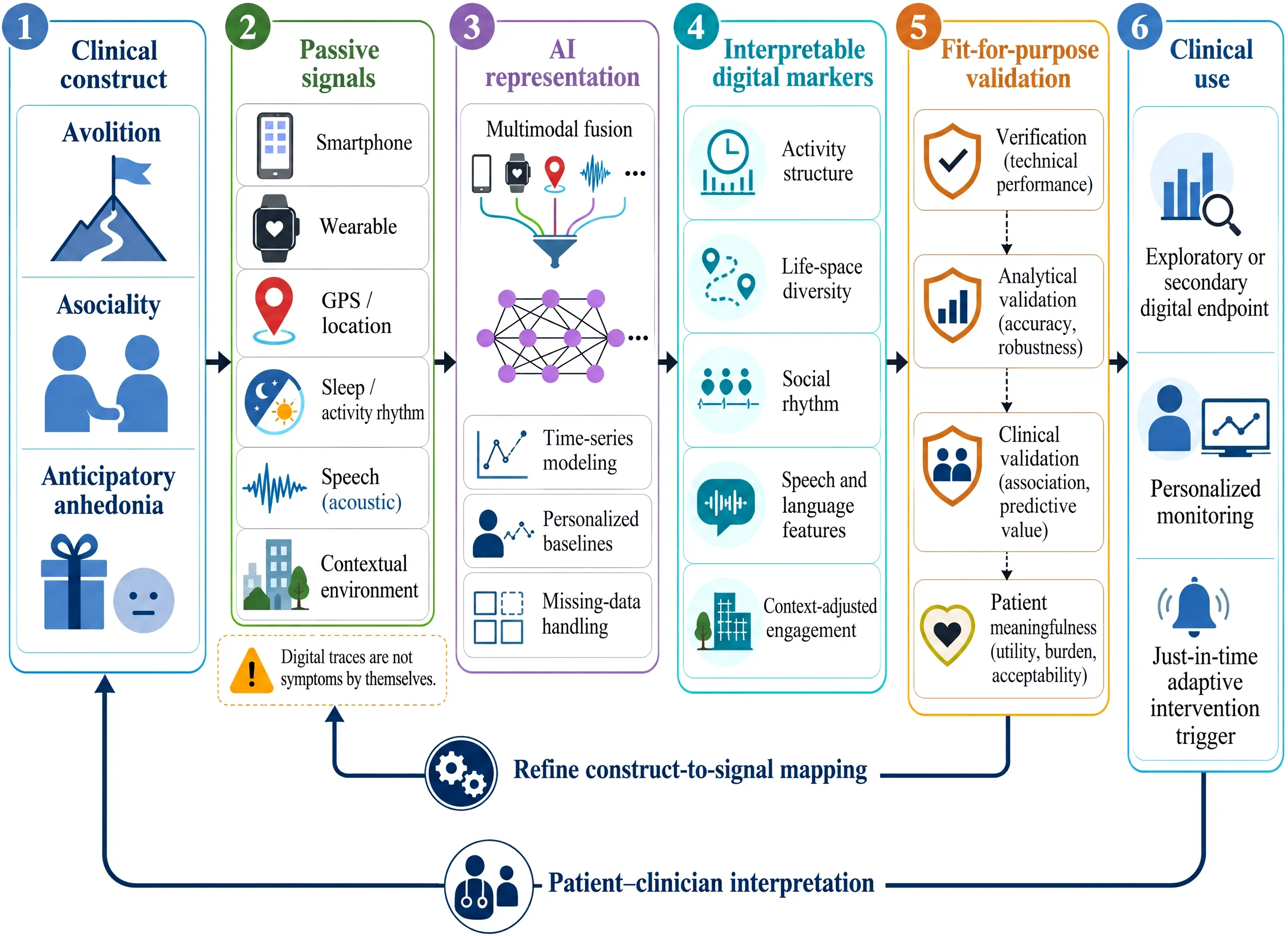
AI-enabled passive digital phenotyping of experiential negative symptoms in schizophrenia-spectrum disorders: a narrative review on the path from sensing to clinical endpoints
www.frontiersin.org
Oct. 9, 2026, 9:47 a.m.
Negative symptoms in schizophrenia-spectrum disorders, particularly avolition and asociality, remain highly disabling and treatment-resistant. While clinician-rated scales like the Clinical Assessment Interview for Negative Symptoms and the Brief Negative Symptom Scale have improved assessment, they rely on infrequent interviews and retrospective reporting, missing real-world behavioral dynamics. This narrative review examines whether artificial intelligence can transform passive digital phenotyping—continuous data collection via smartphones and wearable sensors capturing mobility, physical activity, sleep, social rhythms, and speech acoustics—into clinically valid endpoints for negative symptoms. The authors propose a construct-to-endpoint pipeline integrating construct definition, multimodal representation learning, and clinical validation to create interpretable digital markers enabling just-in-time adaptive interventions. Current evidence demonstrates consistent but modest associations between passive sensing modalities and negative symptoms; however, single-modality correlations alone cannot establish valid endpoints. A qualified digital endpoint requires demonstrating analytical validity, clinical validity, longitudinal sensitivity, external transportability, and patient meaningfulness. Significant challenges remain across data-level issues such as resolution mismatch and device heterogeneity, inferential risks including environmental confounding and algorithmic bias, and ethical-regulatory concerns, underscoring the complexity of translating sensor data into clinically actionable insights.
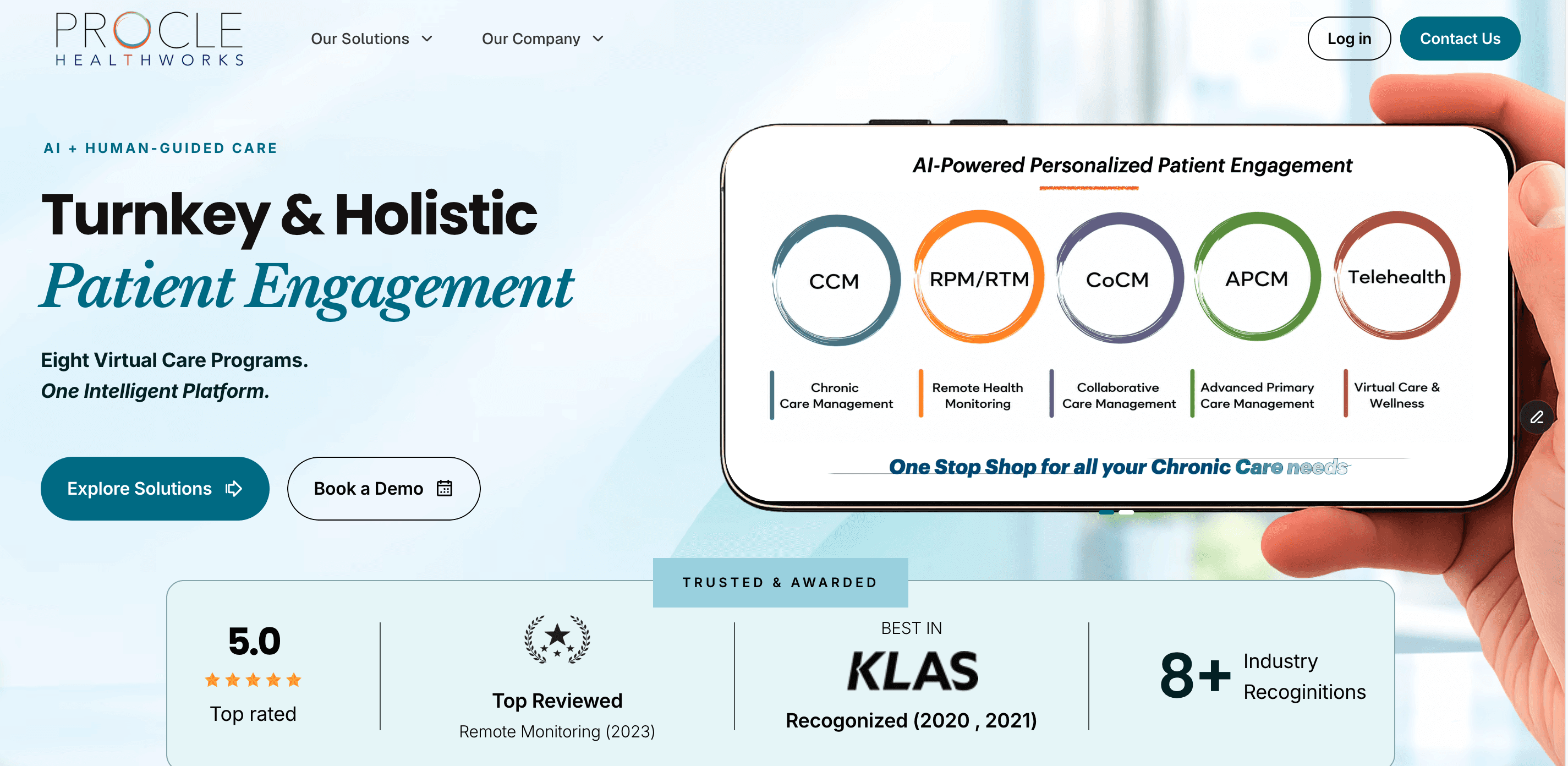
AI Powered Mobile-First Remote Therapeutic Monitoring
www.proclehealthworks.com
Oct. 9, 2026, 9:46 a.m.
PROCLE represents an innovative advancement in remote therapeutic monitoring through an AI-powered, mobile-first platform designed to personalize patient care delivery. The system utilizes artificial intelligence algorithms to identify optimal care programs tailored to individual patient needs, enabling healthcare providers to coordinate comprehensive treatment through a single unified interface. This approach eliminates fragmentation by consolidating multiple care pathways and multidisciplinary teams into one cohesive platform. A distinctive feature of PROCLE is its flexibility to support both traditional Fee-for-Service and Value-Based Care models, making it adaptable across diverse healthcare economic structures. The mobile-first architecture ensures accessibility and engagement by allowing patients to access monitoring and care coordination through smartphone and portable devices. By automating the matching process between patients and appropriate care programs, PROCLE reduces clinical decision-making burden while potentially improving outcomes through evidence-based program selection. The platform's ability to orchestrate coordinated care across multiple providers addresses a critical gap in fragmented healthcare systems. This solution holds particular significance for organizations transitioning to value-based models and those seeking to enhance remote patient engagement and monitoring capabilities in increasingly digital healthcare environments.
Share on
Frontiers | The application of AI-driven digital phenotyping and interventions in neuropsychiatric disorders
www.frontiersin.org
Oct. 9, 2026, 9:46 a.m.
Artificial intelligence is transforming the management of neuropsychiatric disorders by moving beyond diagnostic assistance toward adaptive intervention and personalized disease management. This comprehensive review examines AI-driven approaches for neuropsychiatric assessment and treatment, encompassing computer vision-based behavioral analysis, wearable sensing technologies, neuroimaging biomarkers, digital therapeutics, virtual reality, social robotics, and brain-computer interfaces. A key innovation discussed is the emergence of closed-loop frameworks that combine real-time patient state estimation with adaptive intervention strategies, enabling continuous therapeutic optimization rather than passive observation. However, significant challenges persist, including integration of phenotyping with intervention systems, limited translation from experimental settings to clinical practice, multimodal data representation, interpretability, and generalizability across diverse populations and devices. The research, authored by scientists from Wuhan University, Guangzhou Women and Children's Medical Center, and other Chinese institutions, identifies that prediction accuracy is no longer the primary bottleneck in AI-driven neuropsychiatry. Instead, the critical challenge lies in connecting continuous patient-state estimation with clinically actionable adaptive responses. The review concludes by proposing future directions toward developing clinically grounded, human-AI collaborative neuropsychiatric systems that can effectively address the substantial global disease burden caused by conditions including Alzheimer's disease and Parkinson's disease.
Share on
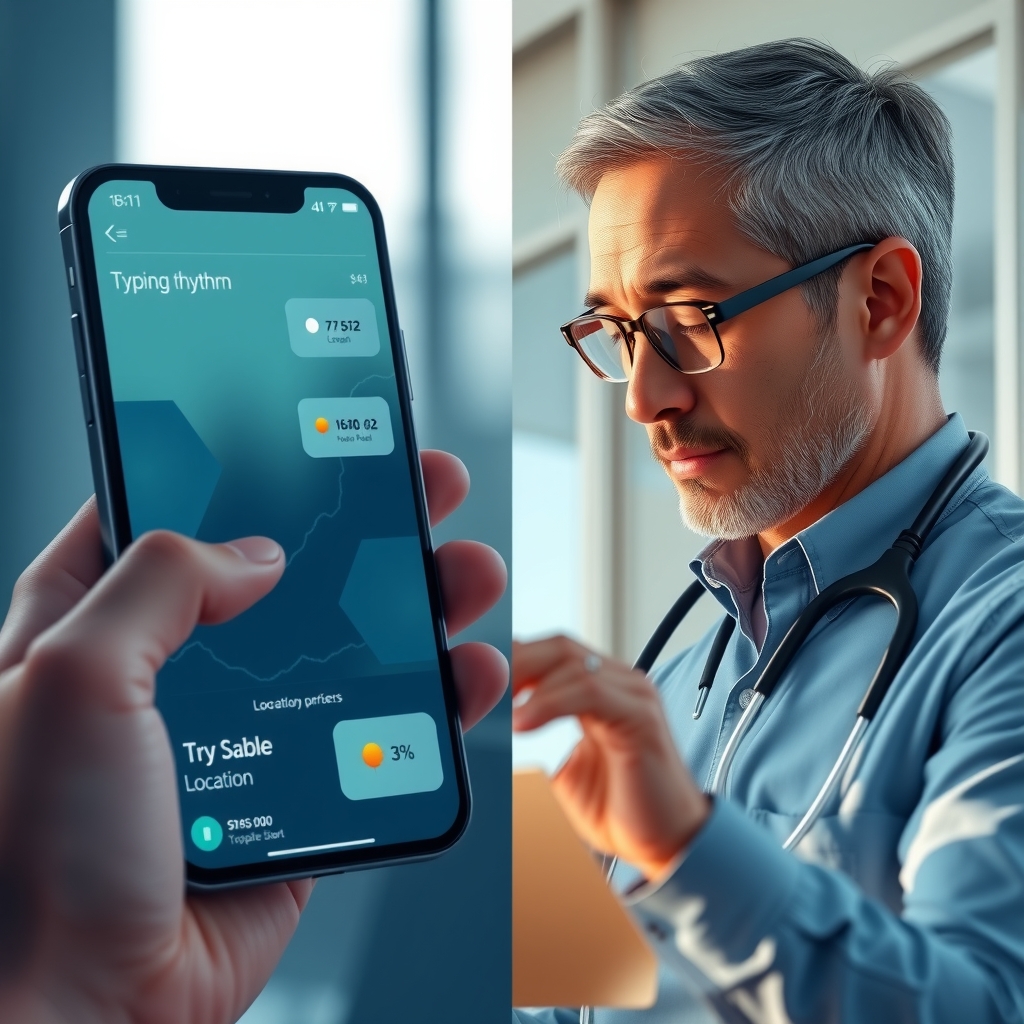
Digital Phenotyping for Depression Relapse in 2026: Smartphone Signals, Consent Models, and Clinic Workflows
beyondtmrw.org
Oct. 9, 2026, 9:46 a.m.
Digital phenotyping leverages smartphone passive sensing to detect depression relapse before clinical symptoms emerge by analyzing behavioral patterns like typing rhythm, movement, and sleep cycles. Rather than relying on population averages, this approach establishes individual baselines to identify meaningful deviations signaling potential relapse. The field has matured from consumer wellness applications toward hospital-affiliated and specialty clinic deployments using vetted platforms under explicit protocols. However, significant implementation barriers remain: designing consent models patients genuinely understand, reducing alert fatigue for clinicians, and establishing clear FDA regulatory pathways for software as a medical device that distinguish clinical tools from wellness trackers. Early research demonstrated linkages between inactive smartphone features and mood state, though high-profile startup failures highlighted privacy and business model vulnerabilities. Recent progress emphasizes reproducibility across diverse populations, as phenotyping models developed in one cohort frequently fail when applied elsewhere due to variations in keyboard layouts, commute patterns, and cultural phone-use norms. Published research in journals like npj Digital Medicine increasingly standardizes features, preprocessing methods, and outcome definitions. By 2026, digital phenotyping for depression represents a narrower but more clinically grounded proposition with genuine potential for preventive psychiatry at scale, contingent on resolving regulatory and workflow integration challenges.
Share on
The monitoring program RPM can't touch â and therapists can bill.
www.sansera.ai
Oct. 9, 2026, 9:46 a.m.
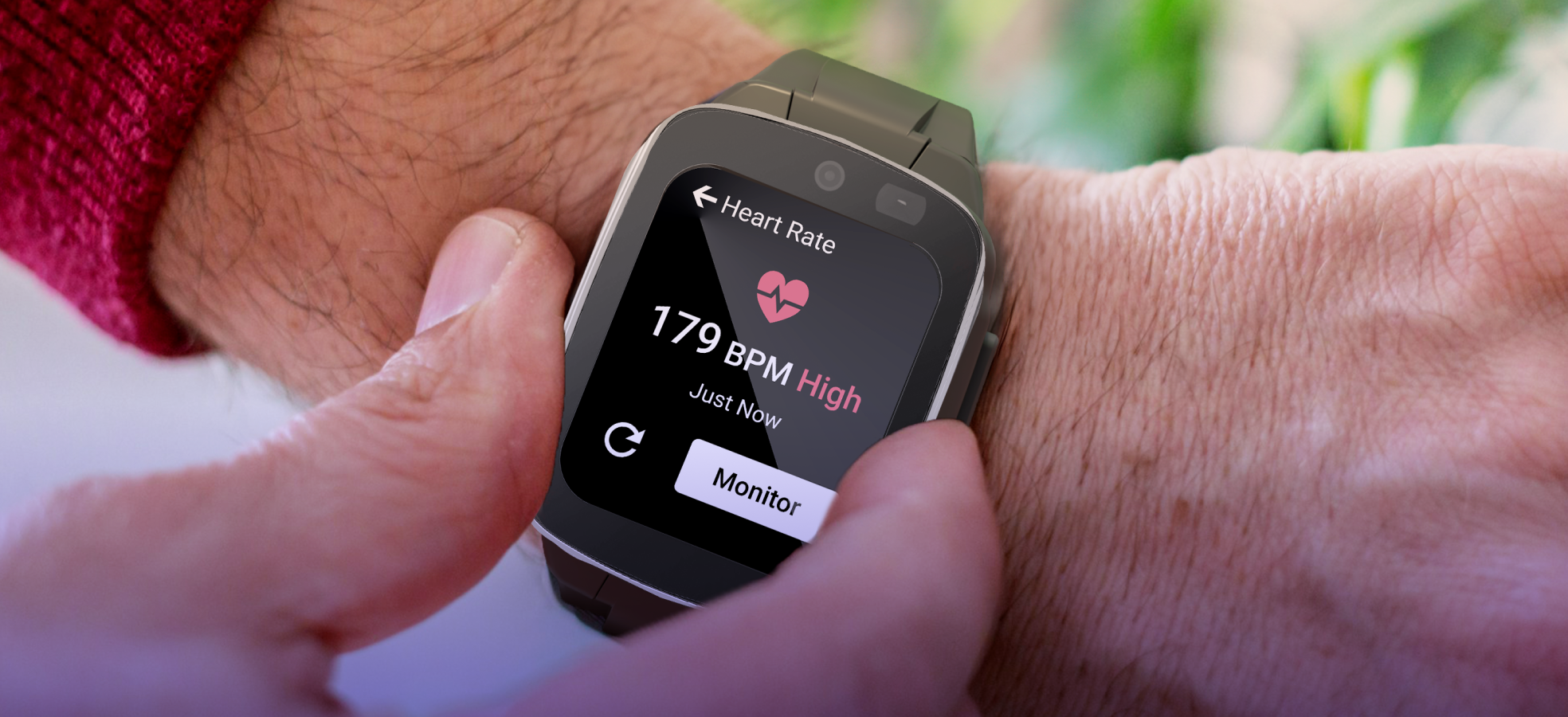
Remote Therapeutic Monitoring (RTM) represents a frequently underutilized yet highly valuable component of CMS care-management programs. Introduced in 2022, RTM monitors non-physiologic therapeutic data across three anchor domains: musculoskeletal status, respiratory status, and cognitive behavioral therapy, enabling physical therapists, occupational therapists, and speech-language pathologists to serve as billing practitioners. Unlike Remote Patient Monitoring, RTM operates with national non-facility averages and allows concurrent billing alongside other programs for the same patient with different practitioners. Sansera's CCM360 platform collects patient-reported outcomes including pain scores, exercise completion, and validated instruments through conversational SMS and app-based flows, with natural language processing identifying clinical signals from free-text responses. The platform enforces strict billing separation, ensuring compliance with the 16-day rule and maintaining independent time ledgers for each program. Automated administration of validated instruments, trending, and integration into therapist documentation provide both clinical value and audit evidence. Organizations offering rehabilitation, respiratory care, or behavioral health services can capture significant unrealized revenue while generating meaningful clinical data through RTM implementation.
Share on

CPT code 99457: Remote patient monitoring billing guide
pabau.com
Oct. 3, 2026, 7:20 a.m.
CPT code 99457 is the billing code for remote physiologic monitoring treatment management services covering the first 20 minutes of clinical care per calendar month. This code requires involvement from a physician, qualified healthcare professional, or clinical staff under general supervision, and mandates at least one real-time interactive communication with the patient or caregiver. The code is part of the remote patient monitoring family alongside 99453, 99454, 99458, and from January 1, 2026, codes 99445 and 99470. Device setup and supply are billed separately under distinct codes, while additional 20-minute increments use add-on code 99458. Practices cannot report 99091 during the same period as 99457. New regulations expanding the RPM family include 99470 for months with 10-19 minutes of management time and 99445 for device supply covering 2-15 days of data. Accurate coding is critical for clean claims and timely reimbursement, making automation tools valuable for reducing denials and ensuring compliance with evolving CMS guidelines.
Share on
Remote Patient Monitoring
www.cchpca.org
Oct. 3, 2026, 7:19 a.m.
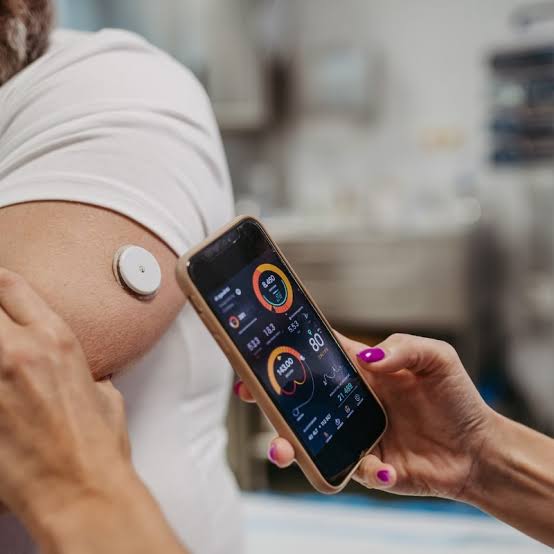
Remote Patient Monitoring (RPM) enables patients to collect their own health data using connected medical devices that automatically transmit information to healthcare providers for treatment and condition management. While RPM services—including Digital Mental Health Treatment, Remote Physiologic Monitoring (RPM), and Remote Therapeutic Monitoring (RTM)—are not classified as telehealth under Medicare definitions, the Centers for Medicare and Medicaid Services (CMS) established separate reimbursement pathways beginning in 2018. Remote physiologic monitoring codes (99091, 99453, 99454, 99457, 99458) cover the collection and interpretation of physiologic data, while remote therapeutic monitoring codes (98975, 98976, 98977, 98980, 98981) serve psychiatrists, nurse practitioners, and physical therapists, allowing non-physiological data collection. Each code carries specific requirements outlined in code descriptions. Additionally, chronic care management, principal care management, and transitional care management services may incorporate remote monitoring applications. CMS has progressively expanded coverage across multiple calendar years, with detailed billing processes and policies documented in the CY 2021, 2022, 2024, and 2026 Physician Fee Schedule Final Rules, reflecting the growing integration of remote monitoring into standard clinical practice.
Smartphone Passive Digital Phenotyping in
www.medrxiv.org
Sept. 26, 2026, 7:16 a.m.
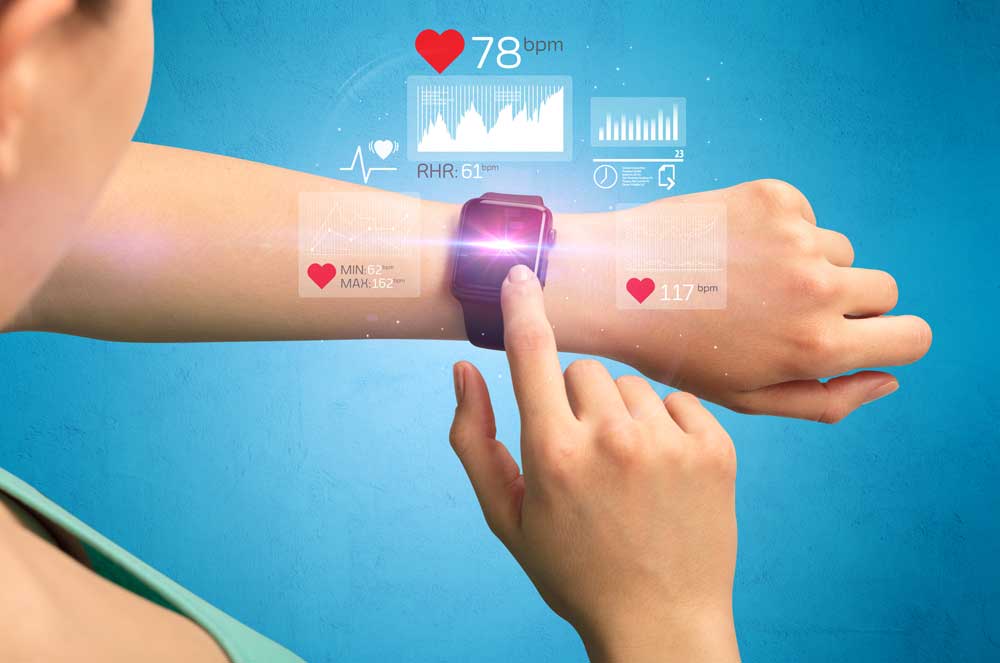
Researchers investigated smartphone passive digital phenotyping as a novel diagnostic and monitoring tool for frontotemporal lobar degeneration (FTLD), a progressive neurodegenerative disease affecting behavior, language, and motor function. Passive digital phenotyping leverages smartphone sensors and usage patterns to continuously collect behavioral and cognitive data without requiring active patient participation, offering a non-invasive alternative to traditional clinical assessments. The study evaluated how metrics derived from smartphone interaction—including typing patterns, app usage frequency, screen time, and movement data from accelerometers—could detect and track FTLD-related cognitive and functional decline. Key findings demonstrated that smartphone-derived markers showed meaningful correlations with disease severity and progression, potentially enabling early detection and real-time monitoring of symptom changes. This approach matters significantly because FTLD typically progresses rapidly and currently lacks disease-modifying treatments, making early diagnosis and continuous monitoring critical for patient management and clinical trial enrollment. By transforming smartphones into continuous biosensors, passive digital phenotyping could improve clinical trial recruitment, reduce assessment burden on patients, and provide clinicians with objective data for treatment decisions and disease tracking in FTLD populations.
Share on
Top 7 Mental Health Wearables: Innovations and Impact
www.prelaunch.com
Sept. 26, 2026, 7:16 a.m.
Mental health wearables represent a transformative approach to managing psychological well-being through innovative technology. These devices, including wristbands and EEG headsets, utilize advanced sensors to monitor physiological metrics such as heart rate, electrodermal activity, and brainwave patterns. By collecting and analyzing data on stress levels, sleep patterns, and emotional states, these wearables provide real-time feedback and actionable insights that were previously unavailable outside clinical settings. Key features include stress alerts with suggested interventions like breathing exercises, sleep cycle tracking with personalized improvement recommendations, and continuous monitoring capabilities that enable early detection of potential mental health issues. The primary advantage lies in objective, continuous data collection rather than relying on periodic therapeutic visits or self-reported information. This approach empowers users to proactively manage their mental health while providing healthcare professionals with comprehensive insights. As mental health challenges become increasingly prevalent, these accessible, high-tech solutions offer significant potential to democratize mental health care and improve outcomes across diverse populations seeking anxiety management, sleep improvement, and enhanced emotional well-being.
Share on

Digital Therapeutics: Regulatory and Reimbursement Signals
globalhealthcarenews.com
Sept. 26, 2026, 7:16 a.m.
Digital therapeutics represent a distinct category from wellness apps when they make clinical claims about treating, managing, or preventing specific conditions. The critical distinction lies in evaluating products through three interconnected lenses: regulatory clearance, clinical evidence, and reimbursement pathways. Products claiming medical benefits must demonstrate validation against defined endpoints comparable to standard-of-care treatments and secure appropriate regulatory authorization. However, robust trial data alone proves insufficient for commercial success without durable reimbursement mechanisms and established clinician workflows. Engagement metrics such as daily active users or session length indicate usage patterns rather than clinical outcomes; evaluators should assess what proportion of engaged users actually achieved studied endpoints. Real-world evidence collected post-launch differs meaningfully from pivotal trial data and serves different purposes. Products integrating seamlessly into existing clinical workflows, providing treating clinicians with adherence data and escalation alerts, demonstrate superior sustainability compared to purely consumer-facing tools. The digital therapeutics market ultimately succeeds through alignment of clinical claims with regulatory pathways and reimbursement routes, moving beyond app store listings toward integrated healthcare delivery systems.
Share on

RTM: Guide to Remote Therapeutic Monitoring for Providers
www.limberhealth.com
Sept. 26, 2026, 7:16 a.m.
Remote Therapeutic Monitoring (RTM) represents a significant advancement in digital healthcare delivery, now expanded with two new CPT codes (98985 and 98979) for musculoskeletal care in the 2026 Medicare Physician Fee Schedule, effective January 1, 2026. RTM uses digital technology to track patient health status, treatment progress, and adherence to care plans between clinical visits. This innovation addresses a critical healthcare challenge: musculoskeletal conditions cost the healthcare system approximately $600 billion annually—more than double heart disease costs. While early and adherent physical therapy can substantially reduce these expenses and improve outcomes, only 30 percent of patients successfully complete prescribed home exercise programs, and up to 80 percent forget critical information provided during clinic visits. RTM bridges this gap by enabling therapists to remotely support patient progress, promote adherence to home exercise programs, and track outcomes using digital tools. Originally approved by the Centers for Medicare and Medicaid Services in 2022, RTM's expanded code set represents the healthcare industry's continued integration of digital technology, following the evolution of Electronic Medical Records and patient wellness trackers, creating enhanced connectivity between providers and patients.
Share on
Patient Preferences in Recovery Apps
www.opusehr.com
Sept. 19, 2026, 7:18 a.m.
Patient preferences in recovery applications reveal critical insights for behavioral health organizations seeking to improve digital tool adoption and engagement. Research shows that while 45% of patients have used recovery apps or websites to support their treatment, long-term retention remains challenging. A significant trust gap undermines sustained use: 44% of mental health apps share user data with third parties, nearly 41% lack privacy policies, and Mozilla reviews found that 60% of apps failed minimum privacy and security standards, with only PTSD Coach and Wysa meeting rigorous criteria across 27 applications tested. Patients consistently prefer apps that are simple, private, and integrated with clinical care rather than standalone tools. Engagement strategies vary in effectiveness—push notifications increased app opens within one hour by 3.5 times, but fixed daily alerts did not improve long-term adoption. For individuals in substance use disorder recovery, privacy protection carries particular weight, affecting employment, custody, and legal exposure. Recovery app fit influences staff workflows, documentation, risk response, and no-show rates. By designing tools that reduce friction, grant users control, protect data transparently, and connect seamlessly to treatment, behavioral health organizations can meaningfully improve patient outcomes and engagement.
Share on
Innovating Public Mental Health: Integrating Digital Therapeutics for Comprehensive Mood Disorder Management
www.frontiersin.org
Sept. 19, 2026, 7:18 a.m.
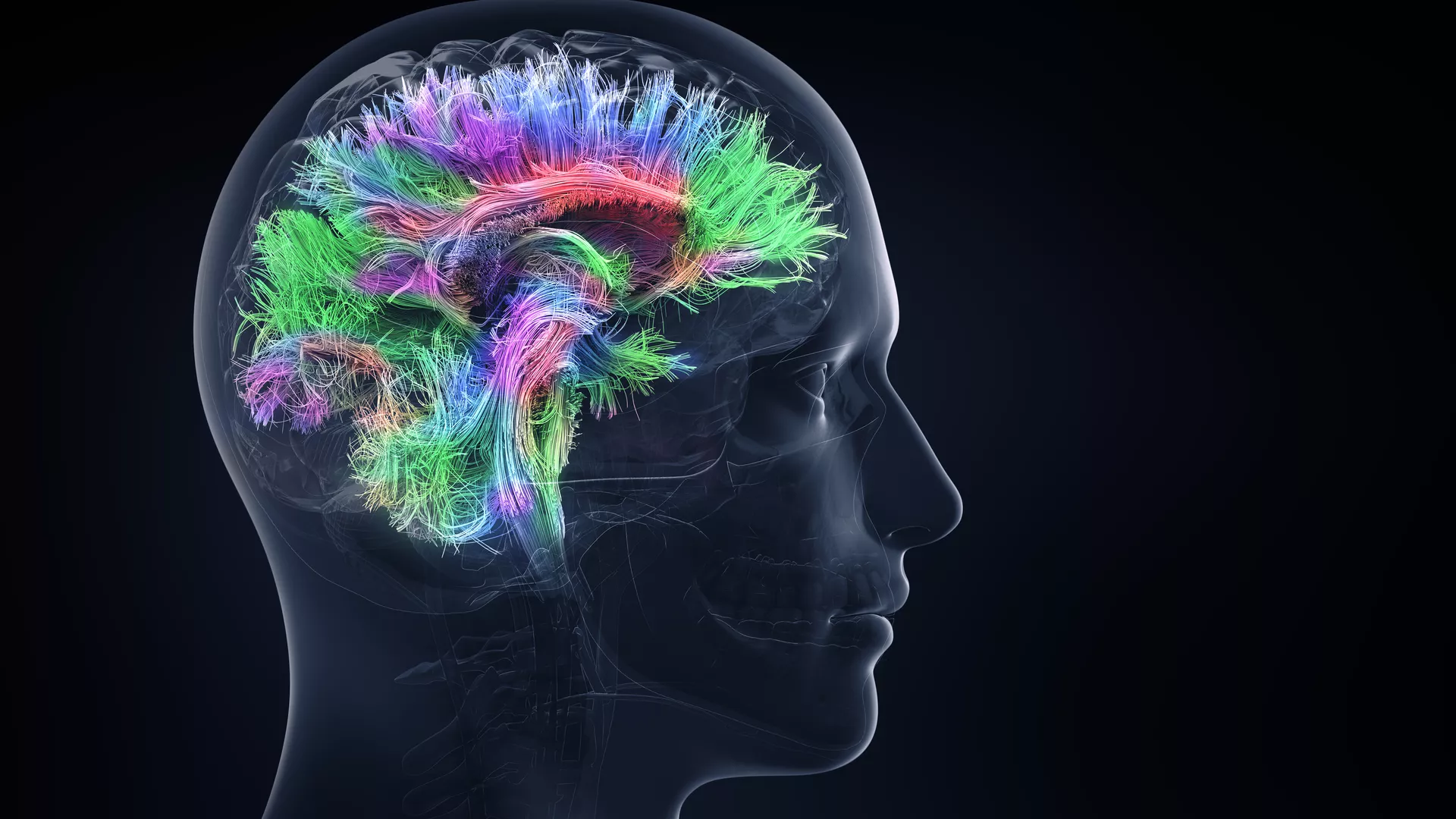
Digital therapeutics present promising opportunities for expanding public mental health interventions, though their clinical value requires rigorous evaluation and appropriate integration into care systems. A meta-analysis examining 176 randomized trials demonstrated that smartphone-based interventions produce only small average benefits for depressive and generalized anxiety symptoms, while a 2026 evidence map revealed substantial variation in clinical evidence supporting FDA-authorized digital therapeutics products, necessitating individual assessment of each application and indication. This Research Topic explores how digital interventions can be effectively implemented within person-centered care frameworks, distinguishing software-delivered therapeutic interventions from telemedicine and wellness tools. The collection spans ten articles examining intervention design, implementation, and clinical decision-making across various mental health contexts beyond diagnosed mood disorders. Key studies include an app-guided mindfulness intervention that reduced depressive symptoms and rumination among individuals experiencing entrepreneurial failure, digital mandala coloring that improved flow states compared to paper-based coloring despite similar anxiety reduction, and acute mood improvements from puppy videos in office workers. These diverse findings highlight significant gaps between intervention development and clinical implementation, underscoring the need for integrated approaches that assess efficacy separately for specific populations and indications while considering both subjective psychological outcomes and objective physiological measures.
Share on

deprexis in Switzerland: Digital Therapy for Treating Depression
deprexis.com
Sept. 19, 2026, 7:18 a.m.
Switzerland faces escalating mental health challenges, with approximately 9% of the population experiencing depressive episodes annually, particularly affecting young adults and working-age groups. The Swiss healthcare system, while well-structured, struggles with substantial waiting times for psychotherapy appointments that can extend weeks or months, during which symptom severity risks increasing. To address this gap, deprexis—a CE-certified digital therapeutic device based on cognitive behavioral therapy principles—is being integrated into standard medical care. Deprexis is listed on Switzerland's Medical Devices List and receives partial coverage through compulsory health insurance with standard co-payments, making it more accessible than in markets requiring full patient funding. Used by over 275,000 patients globally and supported by 16 scientific studies, deprexis provides structured, immediately available therapeutic support while patients await in-person treatment. This digital solution complements rather than replaces traditional therapist relationships, offering a validated intervention that helps bridge critical gaps in care capacity and mitigate depression chronicity risks. Switzerland's integration of digital therapeutics into reimbursed care represents a pioneering approach to managing mental health demand while maintaining system quality.
Share on

AI for Mental Health: 2026 Guide
www.keragon.com
Sept. 19, 2026, 7:18 a.m.
Artificial intelligence is emerging as a transformative tool in mental health care, offering significant potential to improve patient access, enable early detection of psychological issues, and customize treatment approaches. While human interaction and empathy remain fundamental to mental health care, AI technologies are increasingly supplementing these elements through chatbots, digital monitoring systems, and sophisticated behavioral data analysis. Virtual mental health agents like Marlee's Vital Wellbeing program provide accessible, on-demand support around the clock, addressing barriers such as cost, treatment waitlists, and social stigma while delivering immediate coping strategies and emotional reassurance. Beyond immediate support, AI demonstrates particular promise in early intervention by analyzing diverse data sources including electronic health records, brain imaging, speech patterns, and social media activity to identify early indicators of depression, bipolar disorder, PTSD, and other conditions. This capability enables clinicians to intervene before symptoms escalate, potentially improving outcomes and reducing disease burden. As AI continues advancing in mental health applications, the technology represents a critical complement to traditional therapeutic approaches, expanding care capacity and reaching populations previously underserved by conventional mental health systems.
Share on
RPM Reimbursement in 2026 CPT Codes, Medicare Billing Rules & New Updates
nexadigitalpro.com
Sept. 19, 2026, 7:17 a.m.
Remote Patient Monitoring reimbursement in 2026 introduces significant billing opportunities through newly expanded CPT codes designed to accommodate patients across varying monitoring thresholds. RPM uses connected medical devices to electronically collect and transmit physiologic data outside clinical settings for chronic disease management, including hypertension, diabetes, congestive heart failure, COPD, and cardiovascular disease. CPT 99453 covers initial device setup and patient education, establishing the foundation for RPM services. The most substantial 2026 update is CPT 99445, which creates a reimbursement pathway for monitoring periods of just two to fifteen days within a thirty-day interval—a critical flexibility improvement for patients previously unable to meet traditional sixteen-day thresholds. CPT 99454 remains applicable for thirty-day monitoring periods with sixteen or more days of qualifying device data collection and transmission. For healthcare organizations and billing teams, mastering these codes alongside Medicare's documentation requirements and transmission-day tracking protocols is essential for maximizing legitimate reimbursement while minimizing denials and compliance risks. Understanding these distinctions enables providers to appropriately bill diverse patient populations and optimize RPM program revenue.
Share on

Digital Phenotyping: How Technology Tracks Mental Health
www.psychologs.com
Sept. 12, 2026, 7:21 a.m.
Digital phenotyping represents a transformative approach to mental health monitoring, leveraging everyday devices to track behavioral patterns between clinical appointments. With over one billion people worldwide living with mental health conditions yet receiving assessments only once every few weeks, this emerging field addresses a critical gap in continuous patient monitoring. Smartphones passively collect GPS location data, screen time, and accelerometer information tracking movement patterns, while wearables like smartwatches measure heart rate variability, sleep stages, and skin temperature. Researchers feed this sensor data into machine-learning models to create digital phenotypes—behavioral fingerprints derived from real-world data rather than clinic questionnaires. Recent reviews confirm that mobility patterns, smartphone usage, heart rate data, sleep metrics, and vocal quality can indicate mood disorders, anxiety, and schizophrenia. The South Korean observational study SWARTS-DA exemplifies this integration, combining smartphone and smartwatch data with clinical assessments. This technology promises continuous mental health surveillance and earlier intervention, though implementation raises important questions about data privacy, accuracy, and clinical utility.
Share on

Making Remote Care Pay: Reimbursement and Value-Based Contracts
www.datos-health.com
Sept. 12, 2026, 7:20 a.m.
Remote care sustainability requires dual-channel funding combining activity-based reimbursement with value-based contracting. Activity-based models bill Remote Patient Monitoring (RPM) and Remote Therapeutic Monitoring (RTM) based on documented patient enrollment, device readings, and clinician review time. Value-based contracting compensates providers for outcomes—avoided admissions, reduced bed-days, improved adherence, and patient-reported outcome measures—rather than individual interactions. Programs relying solely on billing codes remain small with thin margins, while those pursuing outcomes without billing infrastructure drain operating budgets. Effective programs implement both channels through unified clinical pathways featuring automated enrollment, structured EHR data integration, scheduled patient-reported measures, and exception-based escalation. The reimbursement pathway design itself matters more than specific device selection. Billing requirements demand documented, time-stamped data; at-risk contracts require sustained patient adherence preventing readmission. The guide addresses Australian and New Zealand health services implementing Hospital in the Home and virtual wards in 2026, emphasizing platform configurability—exemplified by Datos Health's no-code Design Studio—enabling clinical teams to build and modify care pathways independently without IT dependency, allowing service lines to implement appropriate models efficiently.
Share on
AI for Mental Health Screening Tools: Development Guide 2026
codieshub.com
Sept. 12, 2026, 7:20 a.m.
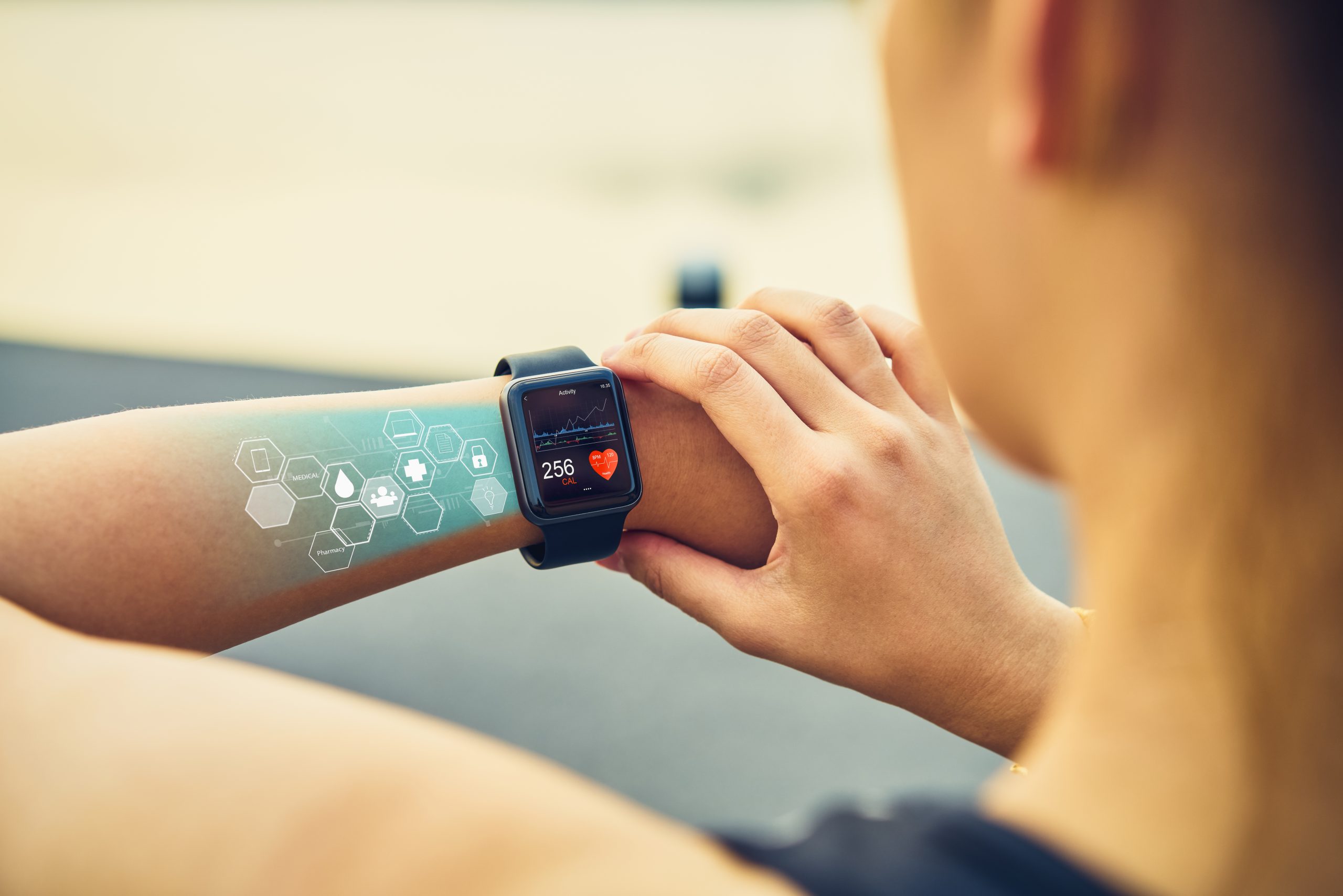
Approximately one in five American adults experience mental health conditions annually, yet the majority remain untreated due to significant barriers including lengthy waitlists, psychiatrist shortages, and stigma. Traditional screening relies on brief clinical encounters that frequently miss underlying issues. AI-powered mental health screening tools address this gap by deploying evidence-based screening across diverse settings including primary care, employee wellness programs, telehealth platforms, schools, and digital health applications at scale and consistency impossible with paper questionnaires. By 2026, these tools are actively identifying depression and anxiety in primary care patients, flagging at-risk students before crises occur, and enabling earlier intervention where it demonstrably improves outcomes. This comprehensive guide equips healthcare startups, clinics, and digital health companies with essential knowledge for developing clinically credible AI screening tools. It covers clinical validation requirements against established instruments like PHQ-9, GAD-7, PCL-5, and Columbia Protocol; technology architecture; regulatory and compliance considerations including HIPAA requirements for sensitive mental health data; and FDA classification dependent on clinical claims. Critical safety protocols for managing suicidal ideation and crisis situations must be clinically validated and thoroughly tested for deployment.
Share on
Remote Monitoring Reimbursement in 2026, and What to Do When Devices Disagree
longevitix.co
Sept. 12, 2026, 7:20 a.m.
Remote monitoring reimbursement has undergone significant changes with the 2026 Medicare Physician Fee Schedule, introducing new code 99445 that enables shorter monitoring episodes previously deemed uneconomic under the 16-day threshold of code 99454. Medicare reimburses remote physiologic monitoring only for medical-grade, FDA-cleared devices that automatically collect and transmit data—excluding consumer wearables requiring manual patient entry. Key requirements include documented, live interactive communication with patients under code 99457, rather than passive data review, and remote monitoring can be billed concurrently with chronic care management. However, reimbursement eligibility should not determine clinical value assessment. While non-billable data—such as sleep duration trends from devices like Oura—cannot generate revenue, this information remains clinically actionable and costs nothing to collect. Organizations should implement RPM programs around compliant devices and properly document billable interactions, while simultaneously leveraging all available wearable data to inform clinical decision-making, treating reimbursement requirements and clinical utility as distinct considerations rather than conflating them.
Share on