Insulin pumps and CGMs: how these technologies work together
www.omnipod.com
Sept. 26, 2026, 7:27 a.m.
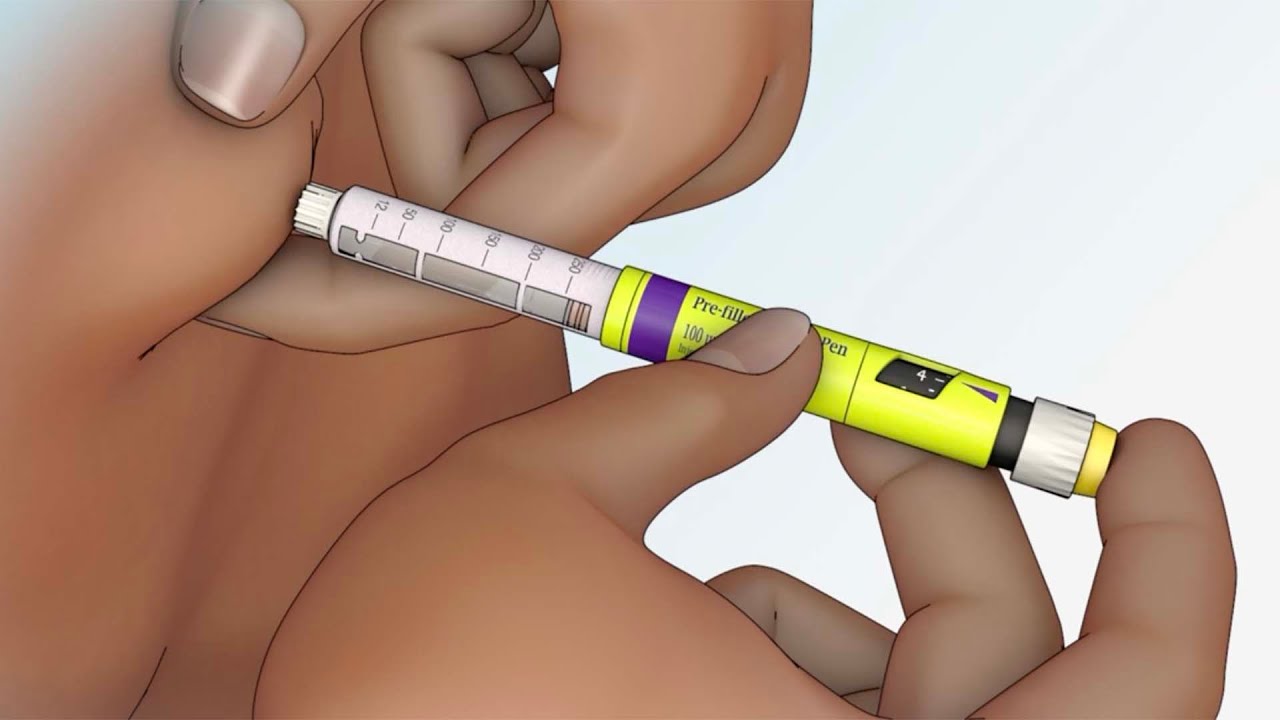
Managing type 1 diabetes requires constant decision-making about insulin, food, and glucose levels. Insulin pumps and continuous glucose monitors (CGMs) independently reduce this management burden, but when combined in an automated insulin delivery (AID) system, they work synergistically to monitor glucose and adjust insulin automatically. Insulin pumps are wearable devices delivering continuous basal insulin while allowing additional doses for meals or corrections. CGMs are sensor-based devices measuring glucose in interstitial fluid, typically providing readings every five minutes with real-time displays and alerts on compatible smartphones. When paired, users benefit from continuous insulin delivery and constant glucose data streams. AID systems represent the most advanced integration, where pumps and CGMs communicate directly—the pump's algorithm automatically adjusts insulin based on CGM values and trends. These systems can operate at various integration levels: devices worn separately without communication, devices worn together with manual bolus decisions based on CGM readings, or fully automated AID systems requiring only meal-time boluses while background insulin management operates continuously. Omnipod 5 exemplifies this technology, automatically adjusting basal insulin delivery using sensor glucose data. Device selection depends on individual patient needs and preferences.
Share on

Diagnostic Triage for Ultrasound-Detected Subclinical Insulin Injection–Related Lipohypertrophy in Older Adults With Diabetes: Development and Internal Validation
www.frontiersin.org
Sept. 26, 2026, 7:26 a.m.
Researchers at Beijing Hospital developed a diagnostic triage model to identify subclinical insulin injection-related lipohypertrophy in older adults with diabetes. The cross-sectional study of 818 patients aged 60 and older found subclinical lipohypertrophy in 15.8% of cases, often missed during routine visual and physical examinations. The 11-predictor ridge logistic model integrated clinical and injection-related factors including age, BMI, injection duration, needle reuse, site rotation, and glycated hemoglobin levels to prioritize confirmatory ultrasound screening. The model achieved an optimism-corrected ROC area under the curve of 0.774 with internal validation using 2,000 bootstrap resamples. At validated thresholds targeting 90% and 95% sensitivity, the model avoided unnecessary ultrasound examinations for 337 and 220 patients per 1,000, respectively, while maintaining high detection rates. This approach addresses a critical clinical gap by providing evidence-based stratification to guide selective ultrasound referral, balancing resource efficiency with comprehensive identification of lipohypertrophy in insulin-treated older adults.
Share on
What to expect from your first 7 days on a GLP-1
www.weightwatchers.com
Sept. 26, 2026, 7:26 a.m.
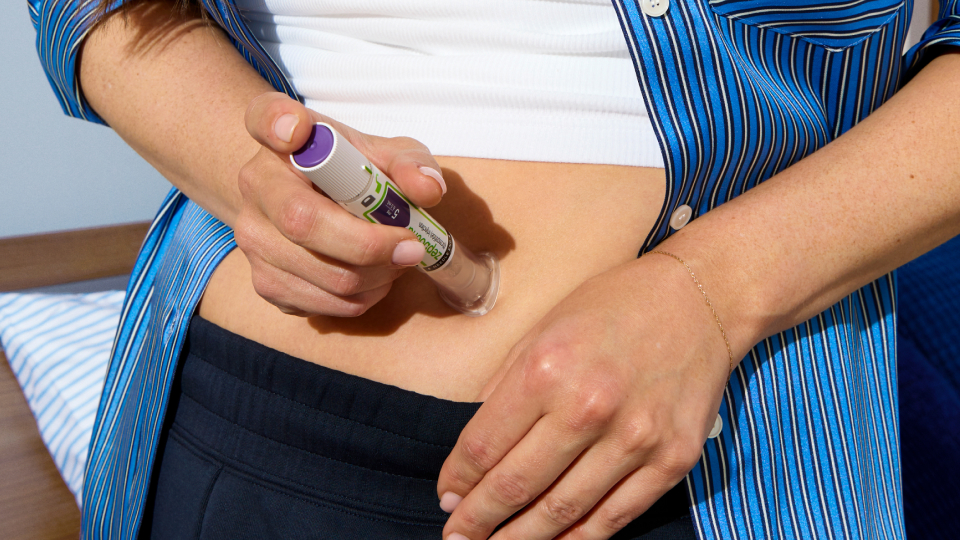
GLP-1 medications, including semaglutide (Ozempic, Wegovy), tirzepatide (Zepbound, Mounjaro), and similar drugs, require careful dose titration during the initial treatment phase. During the first seven days, patients should expect their bodies to adjust to the lowest starting dose while experiencing variable effects such as reduced appetite, mild nausea, early fullness, fatigue, or digestive changes. According to Dr. Robert Kushner from Northwestern University Feinberg School of Medicine, this gradual dose escalation strategy minimizes gastrointestinal side effects including nausea, vomiting, diarrhea, and constipation. Early symptom experiences vary significantly among patients and do not predict long-term medication tolerance or eventual weight loss outcomes. Healthcare professionals recommend establishing sustainable habits during this critical first week, including consistent hydration, protein-rich nutrition, mindful meal pacing, and gentle movement. These foundational practices, combined with tracking individual responses, establish the behavioral patterns necessary for medication efficacy over the long term.
Share on

GLP-1 Nutrition: What to Eat
mcpress.mayoclinic.org
Sept. 26, 2026, 7:26 a.m.
GLP-1 receptor agonists have become increasingly popular medications, but understanding their nutritional implications is crucial for patients beginning treatment. In a Mayo Clinic podcast episode titled "On Nutrition," family physician Dr. Tamim Rajjo and registered dietitian Tara Schmidt explore how GLP-1s—medications that mimic the naturally occurring GLP-1 hormone—affect appetite, nutrition needs, and the eating experience. The GLP-1 hormone is naturally released by the intestines after eating and coordinates satiety signals, stomach function, and insulin release. When patients take GLP-1 medications like semaglutide or tirzepatide, these effects are amplified, significantly reducing appetite and altering food preferences. Dr. Rajjo emphasizes that while substantial weight loss occurs, the body experiences this as a challenging journey. The discussion covers managing side effects, identifying key nutrients to prioritize during treatment, and maintaining a healthy relationship with food. Understanding these physiological changes helps patients optimize their nutrition strategy and successfully navigate dietary adjustments while using GLP-1 medications.
Share on

FDA-approved vs. compounded GLP-1s: Safety, efficacy, and regulations
www.mavenclinic.com
Sept. 26, 2026, 7:26 a.m.
The FDA-approved GLP-1 medications like Wegovy® and Zepbound® maintain rigorous safety monitoring through mandatory adverse event reporting by manufacturers, allowing the agency to identify serious side effects and update prescribing labels accordingly. In contrast, compounding pharmacies lack these reporting requirements, preventing the accumulation of safety data necessary for risk management. Both FDA-approved and compounded GLP-1s carry the same pharmacological side effects related to their mechanism of slowing digestion, including nausea, vomiting, and constipation, along with a black box warning regarding thyroid C-cell tumors observed in rodent studies. However, compounded versions present additional risks including sterility concerns and inconsistent potency. As of May 2026, the FDA received 990 adverse event reports for compounded semaglutide and over 730 for tirzepatide compounds. Regarding cost, manufacturer assistance programs have substantially reduced expenses for FDA-approved options, with Novo Nordisk's NovoCare offering Wegovy® at $149 monthly and Eli Lilly's LillyDirect providing Zepbound® at $299–$699, potentially dropping to $25 with insurance. Medicare coverage remains limited, though the new Medicare GLP-1 Bridge program expands accessibility for beneficiaries.
Share on
Where Do You Inject Zepbound? The Complete Injection Site Guide with Rotation Protocols
formblends.com
Sept. 19, 2026, 7:28 a.m.
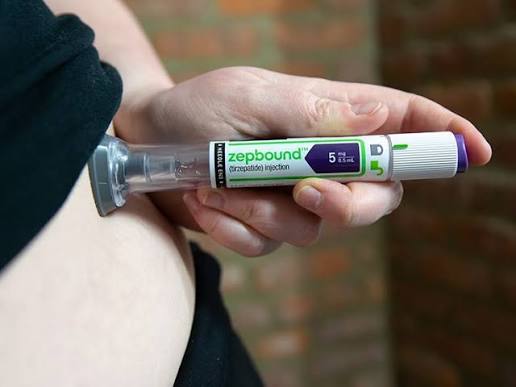
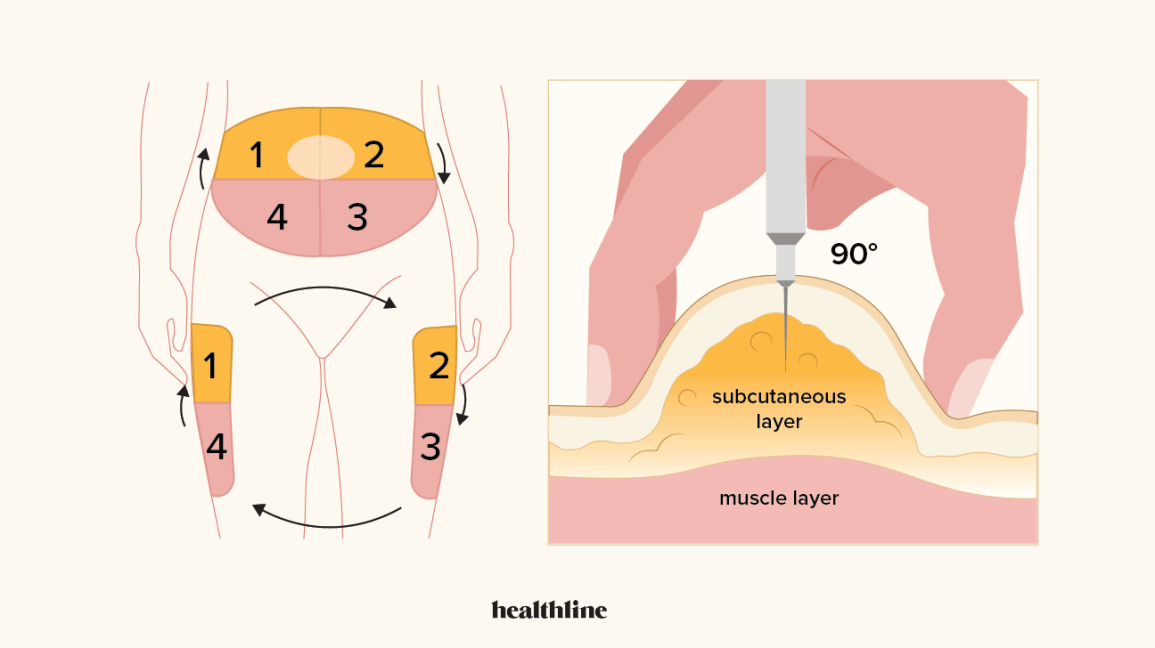
Zepbound is administered via subcutaneous injection into three FDA-approved anatomical sites: the abdomen (excluding a 2-inch radius around the navel), the front or outer thigh, or the back of the upper arm. All three locations produce equivalent weight-loss outcomes, though patients must rotate between different areas within these sites weekly to prevent tissue changes that compromise medication absorption. The abdomen represents the largest and most forgiving injection site, with approximately 68 percent of patients selecting it as their primary location according to Eli Lilly's 2024 post-market survey data. The back of the upper arm requires either a second person or an autoinjector device, with a 2023 injection-technique study documenting a 34 percent failure rate for self-administration. The inner thigh is excluded due to thinner tissue and higher vascularization risks. While patient education materials from Eli Lilly display the abdomen first, creating misconceptions about preference, the FDA prescribing information designates all three sites as equivalent, with no official ranking. Understanding proper injection site selection and rotation is critical for optimizing therapeutic efficacy and minimizing adverse effects in GLP-1 receptor agonist therapy.
Share on

How to Get Weight Loss Medication Without Insurance: Seven Proven Pathways in 2026
formblends.com
Sept. 19, 2026, 7:27 a.m.
Accessing weight loss medications without insurance in 2026 requires understanding seven distinct pathways, each with specific eligibility requirements and cost structures. Compounded GLP-1s through telehealth offer median costs of $197 for semaglutide and $299 for tirzepatide as of September 2026, while manufacturer self-pay options range from $149 to $449 monthly. Additional routes include manufacturer patient assistance programs (free for qualifying low-income patients), discount card programs, clinical trial enrollment, state pharmacy assistance programs, and nonprofit medication access foundations. However, most published guidance oversimplifies "without insurance" as a single category, creating dangerous misconceptions about actual costs and accessibility. The reality is far more nuanced: a patient's income level, employment status, state of residence, and medical diagnosis fundamentally determine which pathways remain viable. Eligibility gates, cost structures, and trade-offs vary significantly—patient assistance and trials offer lowest costs but longest wait times and strictest qualifications, while telehealth and cash pharmacy provide faster access at higher expense. This complexity means the critical question isn't simply "how much does it cost" but rather "which pathways am I eligible for and what does each require," necessitating pathway-specific analysis rather than generalized pricing claims.
Share on

GLP-1 Nausea and Digestive Side Effects â How Long They Last and How to Manage Them
jumpstartmd.com
Sept. 19, 2026, 7:27 a.m.
GLP-1 receptor agonists, particularly semaglutide (Wegovy®), are highly effective weight-loss medications, but nausea represents the most common side effect. Analysis of the STEP 1, 2, and 3 trials reveals that while 44% of patients taking semaglutide 2.4 mg experienced nausea, nearly all gastrointestinal events were mild to moderate in severity, with only 4.3% discontinuing treatment due to GI complications. Individual nausea episodes typically last a median of eight days, peaking around week 20 following dose escalation, then gradually declining as the body adapts. These medications work by slowing gastric emptying and modulating appetite centers in the brain—mechanisms that simultaneously promote satiety while rendering the stomach sensitive to large or fatty meals. Side effects are dose-dependent, intensifying with each dose increase before improving as gastrointestinal tolerance develops. Medically supervised GLP-1 care proves valuable in managing symptoms through dose titration optimization and anti-nausea medications, significantly improving treatment persistence during critical early weeks.
Share on

Diabetes Distress: How to identify and overcome the emotional strain
www.makingdiabeteseasier.com
Sept. 19, 2026, 7:27 a.m.
Diabetes distress represents a significant emotional burden affecting millions with type 2 diabetes, distinct from but potentially coexisting with depression. This phenomenon encompasses frustration, fear of failure, mental fatigue, and feelings of overwhelm stemming from constant glucose monitoring, dietary restrictions, fear of complications, and pressure to maintain healthy habits. The Diabetes Distress Scale (DDS) serves as a clinical tool for measuring this specific emotional strain. Left unaddressed, diabetes distress undermines treatment adherence, reduces monitoring frequency, and increases complication risk while diminishing self-esteem and social engagement. The emotional demands of diabetes management directly impact both psychological well-being and clinical outcomes. Recognition and proactive management of diabetes distress are essential for comprehensive diabetes care, improving quality of life while supporting metabolic control and treatment effectiveness. Healthcare providers and patients must acknowledge that emotional health is as critical as glycemic control for successful long-term diabetes management.
Share on
2026 EASD evidence-based clinical practice guideline for assessing and managing diabetes distress among adults with type 1 diabetes or type 2 diabetes - Diabetologia
link.springer.com
Sept. 19, 2026, 7:27 a.m.
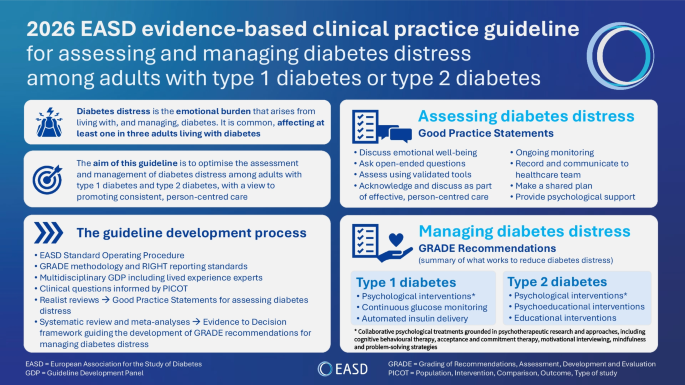
The European Association for the Study of Diabetes (EASD) has released a comprehensive 2026 evidence-based clinical practice guideline addressing diabetes distress management in adults with type 1 and type 2 diabetes. This guideline represents a significant advancement in recognizing the psychological burden associated with diabetes management and its impact on patient outcomes. Diabetes distress—distinct from clinical depression—encompasses the emotional strain of living with chronic disease, treatment demands, and metabolic uncertainties. The guideline provides healthcare professionals with evidence-based recommendations for identifying, assessing, and managing psychological distress in diabetic populations. By integrating mental health considerations into diabetes care protocols, this guidance aims to improve overall patient wellbeing and treatment adherence. Published in Diabetologia as an open-access resource, the guideline establishes standardized assessment approaches and intervention strategies, enabling clinicians to address the emotional dimensions of diabetes alongside physiological management. This holistic approach acknowledges that psychological support is essential for optimizing long-term health outcomes in diabetic patients.
Share on
Stakeholder perspectives on managing insulin pump-related skin complications in children with type 1 diabetes: a mixed methods study in China - Yuan - Translational Pediatrics
tp.amegroups.org
Sept. 12, 2026, 7:34 a.m.
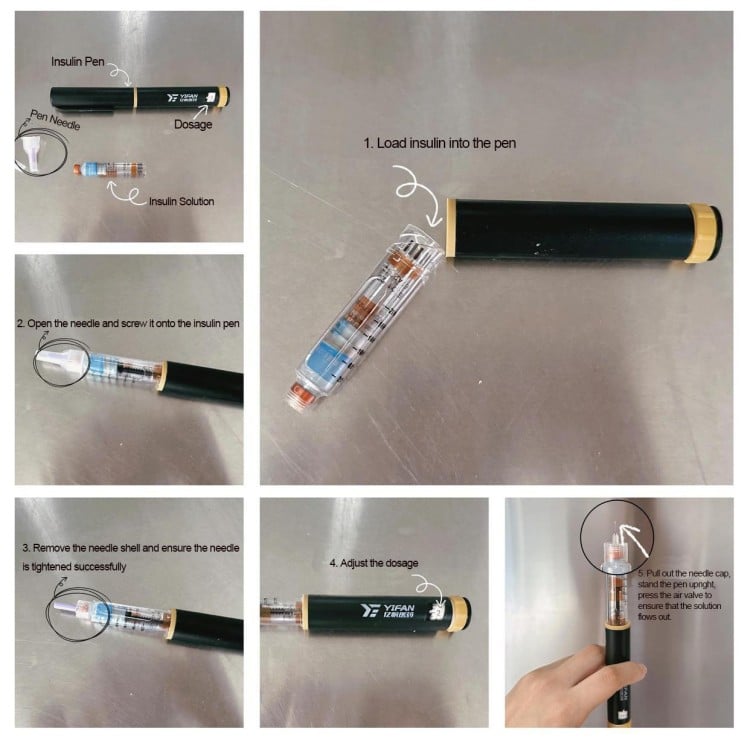
A mixed methods study examining insulin pump management in pediatric type 1 diabetes reveals significant gaps in addressing pump-related skin complications. Caregivers reported skin complications in 42.0% of children using insulin pumps, yet management approaches remained largely empirical without standardized protocols. The research simultaneously surveyed caregivers, healthcare professionals, and manufacturer technical support staff, uncovering a knowledge-practice gap rooted in structural barriers including role ambiguity and absent evidence-based guidelines. The findings indicate that responsibility for skin management lacks clear ownership across stakeholder groups. To address these deficiencies, the authors recommend formally integrating skin management into pediatric diabetes care protocols with explicitly assigned multidisciplinary roles. Educational interventions should shift from single-point delivery to longitudinal, reinforcement-based models combining theory with practice. Additionally, manufacturer technical support staff should have formalized roles in training pathways with clear disclosure requirements. The study emphasizes the urgent need for international, evidence-based guidelines developed through collaboration among endocrinologists, dermatologists, nurses, and device manufacturers to prevent and manage skin complications in children using continuous subcutaneous insulin infusion therapy.
Share on

How To Manage the Digestive Side Effects of GLP-1 Medications
health.clevelandclinic.org
Sept. 12, 2026, 7:33 a.m.
GLP-1 medications for weight loss commonly cause gastrointestinal side effects including reflux, diarrhea, constipation, and nausea during the adjustment period. According to endocrinologist Dr. Keren Zhou, these effects occur because GLP-1 medications slow gastric emptying and gut motility, affecting how food moves through the digestive system. To manage these side effects, Dr. Zhou recommends several strategies. Before starting or increasing dosage, patients should eat lighter meals in the preceding 24 hours to avoid feeling sick once the medication slows digestion. Subsequently, patients must adapt to smaller meal portions since the stomach's reduced capacity can cause nausea and reflux if overwhelmed. Eating smaller, more frequent meals allows the stomach adequate time to digest between meals, helping mitigate digestive discomfort. Additionally, avoiding trigger foods that are high in fat, fiber, or sugar during the adjustment phase can further reduce symptoms. Understanding how GLP-1 medications affect digestion empowers patients to make informed dietary choices that minimize side effects while successfully losing weight.
Share on
The Mounjaro Patient Assistance Program: How It Works, Who Qualifies, and How to Apply
formblends.com
Sept. 12, 2026, 7:33 a.m.
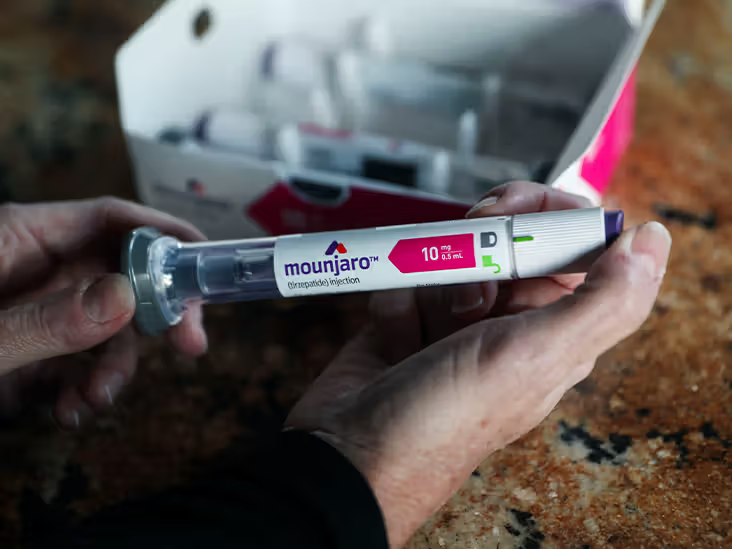
Eli Lilly and Company offers two distinct assistance programs to improve patient access to Mounjaro, a GLP-1 medication for weight loss. The Lilly Cares Foundation Patient Assistance Program, a 501(c)(3) nonprofit separate from Lilly's commercial operations, provides Mounjaro at no cost for up to twelve months to eligible uninsured U.S. residents earning at or below 400% of the federal poverty level ($63,840 annually for individuals, $132,000 for families of four as of 2026). Approved patients must reapply annually, though coverage details remain unclear as sources disagreed in 2026 regarding Mounjaro's inclusion on the medication list. The Mounjaro Savings Card serves patients with commercial insurance facing high copayments, allowing eligible individuals to pay as little as $25 per supply. These programs target different populations: the Savings Card excludes government insurance holders due to federal anti-kickback regulations, while Lilly Cares is reserved for uninsured patients without alternative coverage options. This dual-program approach addresses affordability barriers for distinct patient groups seeking GLP-1 therapy.
Share on
Do Wegovy Shots Hurt? What 2,400+ Injections Taught Us About Pain, Technique, and the Variables That Actually Matter
formblends.com
Sept. 12, 2026, 7:33 a.m.
# Professional Summary
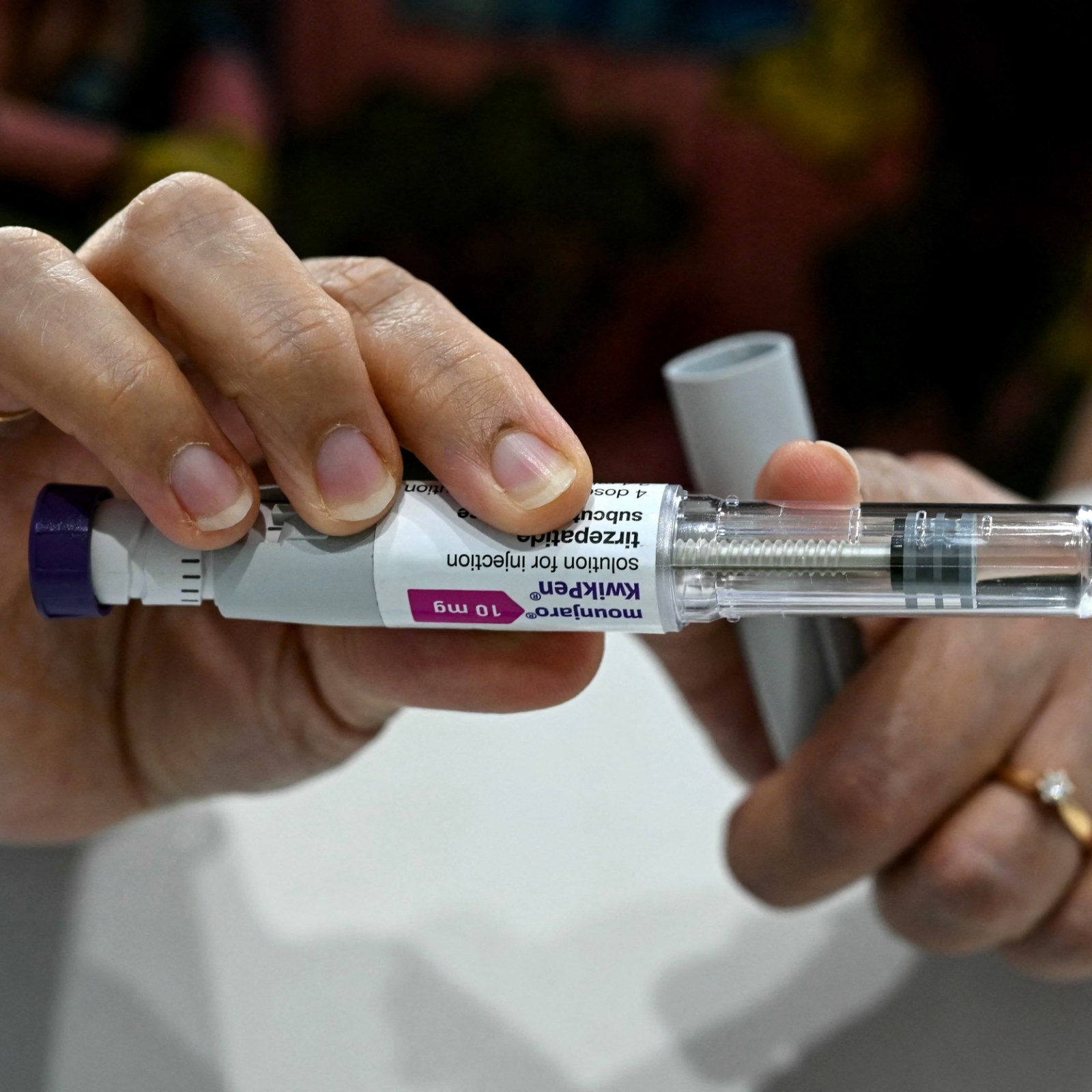
Wegovy injections demonstrate excellent tolerability when administered correctly, with the STEP clinical trials encompassing 4,567 patients providing robust safety evidence for semaglutide 2.4 mg. Seventy-three percent of patients reported only mild injection-site reactions, and remarkably, just 0.1% discontinued treatment due to injection pain. The research reveals that reported discomfort stems primarily from injection technique errors—such as excessive speed, striking muscle, or injecting into tensed tissue—rather than the medication itself. Pain alone was reported by only 4.2% of semaglutide patients compared to 1.9% receiving placebo saline injections, indicating that approximately half of reported pain is mechanical rather than chemical. Severe reactions occurred in just 0.3% of cases, predominantly involving nodules or bruising rather than pain. Three key variables significantly influence patient comfort: injection speed, needle technique, and tissue preparation. Wegovy's once-weekly auto-injector pen delivery over five to ten seconds produces substantially lower pain rates than daily insulin injections in type 1 diabetes, which range from twelve to eighteen percent. These findings demonstrate that proper administration technique substantially minimizes discomfort and supports high treatment adherence rates among patients using GLP-1 therapy.
Share on
Diabetes and Mental Health: How Blood Sugar Can Affect the Brain
entechonline.com
Sept. 12, 2026, 7:32 a.m.
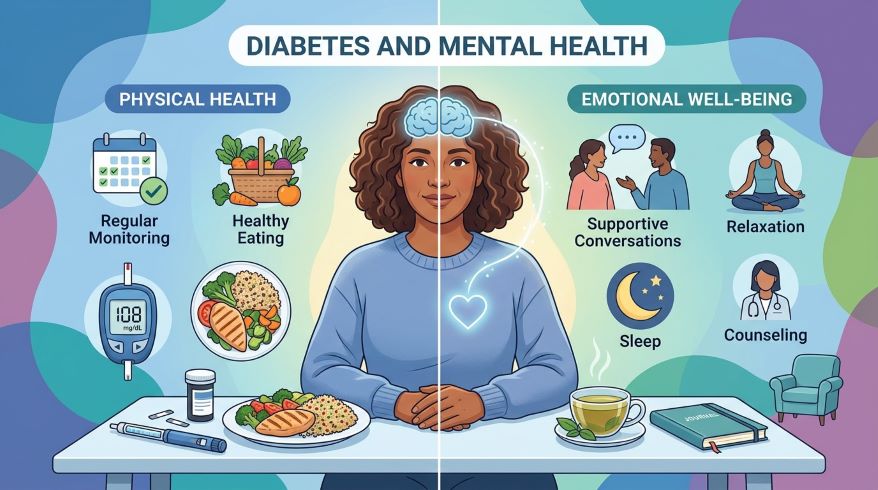
Living with diabetes extends far beyond glucose monitoring, encompassing a complex bidirectional relationship between blood sugar management and mental health. Fluctuations in blood glucose levels directly impact cognitive function and concentration, while emotional challenges such as depression and anxiety can undermine self-care behaviors and medication adherence. The daily demands of diabetes management—involving repeated decisions about food, medication, sleep, and exercise—can accumulate into emotional fatigue over time. Recognizing this interconnection, current clinical guidance, including recommendations from the American Diabetes Association Professional Practice Committee (2024), now emphasizes psychosocial health and behavioral assessment as integral components of diabetes care. Research, including studies by McCrimmon et al. (1999), demonstrates that hypoglycemic episodes affect cognitive performance variably across individuals. Successful diabetes management therefore requires holistic support addressing both metabolic control and psychological well-being, with screening protocols to identify patients requiring additional mental health support. This integrated approach enables healthcare teams and families to provide more effective, person-centered care that recognizes the profound impact of emotional well-being on treatment outcomes.
Share on
Medicare GLP-1 Bridge program: What you need to know
www.uhcprovider.com
Sept. 4, 2026, 6:37 p.m.
Effective July 1, 2026, the Centers for Medicare & Medicaid Services launched the Medicare GLP-1 Bridge program, a short-term demonstration initiative designed to expand access to glucagon-like peptide-1 medications for weight management among Medicare beneficiaries. The program, administered by CMS in coordination with UnitedHealthcare and patient pharmacies, currently covers specific GLP-1 medications while excluding others such as Ozempic, Rybelsus, Mounjaro, and Trulicity. Eligible patients generally include those meeting specific clinical criteria, with CMS determining individual eligibility through a streamlined process that typically requires minimal direct provider engagement with CMS, though prior authorization forms may be necessary. Prescribers should anticipate seeing prescriptions processed through this new pathway when treating qualifying Medicare patients. This initiative represents a significant policy shift addressing the growing demand for weight management pharmacotherapy among Medicare populations, improving accessibility to approved GLP-1 treatments while maintaining oversight through standard review mechanisms. Healthcare providers can access detailed guidance through CMS's official resources or contact the dedicated email support at glp1demo@cms.hhs.gov.
Share on
What Diabetes Distress Actually Does to You Every Day
www.reachlink.com
Sept. 4, 2026, 6:37 p.m.
Diabetes distress is a clinically recognized emotional condition affecting up to forty-five percent of people with diabetes, characterized by the cumulative burden of managing more than one hundred and eighty daily health-related decisions. This specific emotional response—manifesting as worry, frustration, exhaustion, and overwhelm tied directly to diabetes management—differs fundamentally from clinical depression or general anxiety disorders because it is situational and improves when management demands become more manageable. Researchers William Polonsky and Lawrence Fisher developed the Diabetes Distress Scale (DDS-17), a validated seventeen-item screening tool enabling clinicians to measure and identify this condition, which has long remained underdiagnosed and underaddressed in clinical practice. Unlike depression, which requires distinct treatment approaches, diabetes distress responds effectively to evidence-based psychological interventions including Cognitive Behavioral Therapy and Acceptance and Commitment Therapy when these directly target the chronic disease self-management burden. Recognizing diabetes distress as a legitimate clinical phenomenon rather than personal failure represents a critical shift in patient care, as addressing the underlying management demands is essential to alleviating this pervasive emotional toll that significantly impacts quality of life.
Share on

How Do You Access GLP-1 Medications? A Step-By-Step Guide
beyondtype1.org
Sept. 4, 2026, 6:37 p.m.
GLP-1 and GLP-1/GIP dual agonist medications offer significant benefits for diabetes management, including improved glucose control, A1C reduction, enhanced heart health, better sleep, and weight loss support. However, accessing these medications requires strategic navigation. This guide outlines a three-step process for patients: first, establish personal health goals using the SMART goal framework and communicate priorities to healthcare providers; second, discuss medication options with your HCP to identify the most suitable treatment aligned with insurance coverage; and third, request a prescription from an FDA-approved pharmacy such as CVS, Walgreens, or Amazon Pharmacy, requesting assistance with prior authorization if needed. The article emphasizes avoiding non-FDA-approved compounded versions available through third-party sellers due to safety risks, instead recommending FDA-approved options and established patient assistance programs. Patient advocacy and persistence are essential when navigating potential coverage barriers, as healthcare providers can help identify safe, effective access routes tailored to individual needs.
Share on
Acceptability, Feasibility, and User Experiences of Continuous Glucose Monitoring in Type 1 Diabetes in Kenya: Perspectives of Adolescents, Young Adults, Caregivers, and Healthcare Providers
www.medrxiv.org
Sept. 4, 2026, 6:37 p.m.
# Summary
A qualitative research study conducted in Kenya examined the acceptability, feasibility, and user experiences of continuous glucose monitoring (CGM) technology among individuals with Type 1 diabetes across multiple stakeholder groups. The research gathered perspectives from adolescents, young adults, caregivers, and healthcare providers to understand how CGM devices are perceived and utilized in the Kenyan healthcare context. The study explores practical challenges and benefits associated with implementing CGM technology in a resource-limited setting, where diabetes management infrastructure remains underdeveloped. Participants provided insights into usability, cost considerations, cultural factors, and integration into daily diabetes care routines. The findings highlight both the potential advantages of CGM technology for improving glycemic control and the significant barriers to adoption, including affordability and technical support. This research is important for understanding how continuous glucose monitoring can be effectively implemented in sub-Saharan African contexts and informs policy decisions regarding diabetes management strategies in low-resource healthcare environments.
Share on

We may finally know how to stop taking GLP-1s without regaining weight
www.sciencefocus.com
Sept. 4, 2026, 6:37 p.m.
Glucagon-like peptide-1 drugs like Ozempic and Mounjaro have transformed weight management for millions, but stopping their use presents significant challenges. Following Oprah Winfrey's publicized experience of regaining weight after discontinuation, researchers increasingly recognize the complexities of GLP-1 cessation. According to Professor Roy Taylor at Newcastle University, patients discontinue these medications for varied reasons: cost constraints, intolerable side effects including nausea and gastrointestinal issues, or even emotional attachment to appetite suppression. Beyond physical factors, Taylor notes unusual psychological barriers, including relationship pressures and loss of confidence following dramatic transformations. The fundamental challenge stems from GLP-1s' mechanism: they mimic natural appetite-suppressing hormones, so cessation rapidly restores baseline hunger levels and triggers weight regain. Users frequently experience improved physical vigor, reduced inflammation, and decreased cravings for alcohol and substances during treatment. Understanding why patients struggle to maintain weight loss post-treatment matters substantially for developing sustainable interventions and managing patient expectations, ultimately improving long-term health outcomes in obesity management.
Share on