Your First Month on a GLP-1: A Week-by-Week Guide
www.weightwatchers.com
Oct. 17, 2026, 7:32 a.m.
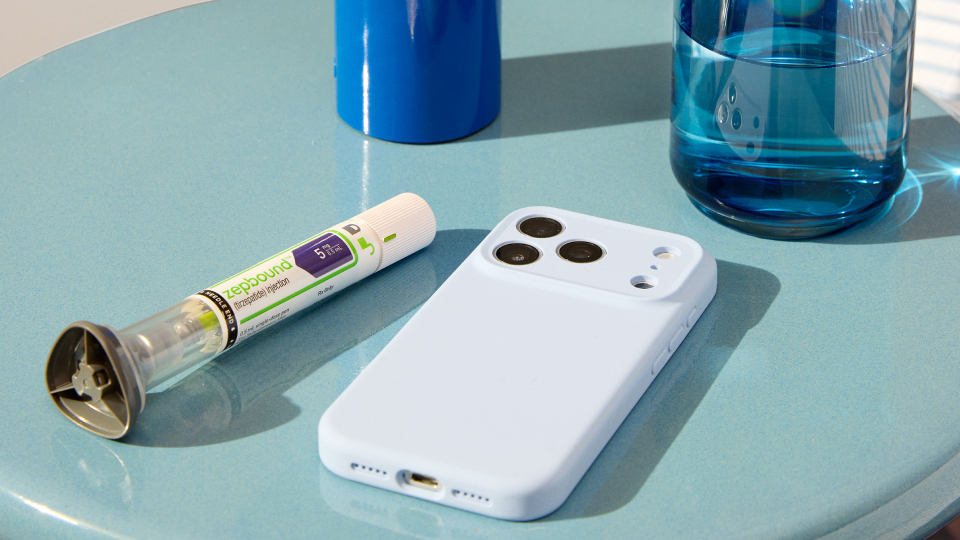
GLP-1 medications such as semaglutide, tirzepatide, and orforglipron represent a significant advancement in weight management by mimicking the naturally occurring glucagon-like peptide-1 hormone. These drugs activate GLP-1 receptors in the brain and gut to reduce appetite, increase fullness, and slow stomach emptying. During the critical first month of treatment, patients should anticipate substantial shifts in their relationship with food and hunger, though this adjustment period often involves temporary gastrointestinal discomfort. Appetite changes and GI symptoms typically emerge within days of the initial dose and subsequent dose increases, generally subsiding within a week as the body adapts. Clinicians typically employ a gradual dosing strategy, starting with low starter doses and increasing incrementally over months to minimize side effects. Rather than focusing on rapid weight loss, the first month serves as an adaptation period for learning individual medication responses. To optimize this phase, patients should prioritize protein, fiber, and water intake while consuming smaller, frequent meals lower in fat and sugar. Healthcare providers emphasize that building supportive habits during month one establishes the foundation for sustained long-term weight management success.
Share on

Can Psychotherapy Lower Blood Sugar? New Evidence Finds a Link Between Mind and Metabolism
www.diabetesincontrol.com
Oct. 17, 2026, 7:32 a.m.
A 2026 systematic review and meta-analysis published in Diabetes Research and Clinical Practice examined whether psychotherapy can improve glycemic control in type 2 diabetes patients. The comprehensive analysis of 52 studies evaluated the effects of psychotherapy-based interventions on A1C levels, body weight, and BMI. Results demonstrated that psychotherapy was associated with statistically significant A1C reductions, with the most notable improvement at three months showing a mean difference of -0.53 percentage points. Weight benefits emerged later, with mean reductions of 3.58 kg observed at 12 months. The research suggests psychotherapy does not directly lower glucose like medication but instead works by improving diabetes self-management behaviors, diet adherence, and medication compliance. This findings underscore the importance of treating type 2 diabetes as both a metabolic and behavioral condition, addressing psychological factors including stress, depression, anxiety, and diabetes distress that impede daily management tasks. The results support an integrated care approach combining psychological support with traditional medical interventions, potentially enhancing patient outcomes and overall diabetes management effectiveness.
Share on
Pooled prevalence of anxiety and depressive symptoms among adults with type 2 diabetes: a systematic review and meta-analysis - Journal of Diabetes & Metabolic Disorders
link.springer.com
Oct. 17, 2026, 7:31 a.m.
A systematic review and meta-analysis published in the Journal of Diabetes & Metabolic Disorders examined the prevalence of anxiety and depressive symptoms among adults with type 2 diabetes. Researchers conducted a comprehensive literature review to synthesize data across multiple studies, employing meta-analytical techniques to calculate pooled prevalence estimates. The analysis reveals substantial comorbidity between type 2 diabetes and mental health disorders, with significant proportions of diabetic patients experiencing concurrent anxiety and depression. These findings underscore the importance of integrated mental health screening and treatment within diabetes care protocols. The research highlights that psychological complications frequently accompany metabolic disease management, yet often remain underdiagnosed and undertreated in clinical settings. Understanding the true prevalence of these psychiatric symptoms among diabetic populations enables healthcare providers to develop more comprehensive intervention strategies addressing both metabolic and psychological well-being. This meta-analysis contributes critical epidemiological insights for improving clinical practice standards and patient outcomes in diabetes management through holistic, psychologically-informed care approaches.
Share on
Factors associated with psychological well-being in type 2
www.nature.com
Oct. 17, 2026, 7:31 a.m.
# Professional Summary
This research, published in Scientific Reports, investigates the psychological well-being of type 2 diabetes patients by examining associated factors that influence their mental health outcomes. Conducted by Mohammad Esmaeelzadeh, Mobin Soleimanian Asl, Amirhossein Boostani, and Simin Sharafi, the study addresses the significant mental health burden experienced by individuals managing this chronic condition. Type 2 diabetes affects millions globally, and while extensive research focuses on glycemic control and physical complications, psychological well-being remains an understudied yet critical component of patient care. This investigation identifies key factors that either support or impede mental health in this population, providing valuable insights for healthcare providers developing comprehensive diabetes management strategies. Understanding these psychological dimensions is essential for improving overall patient outcomes and quality of life, as mental health significantly influences treatment adherence, self-management behaviors, and disease progression. The findings contribute to a more holistic understanding of type 2 diabetes care, emphasizing the need for integrated approaches that address both physical and psychological health dimensions in clinical practice and patient support programs.
Share on

Mental Health Resources For People With Type 1 Diabetes
beyondtype1.org
Oct. 17, 2026, 7:31 a.m.
People with type 1 diabetes face elevated risks of developing depression, anxiety, diabetes distress, burnout, and eating disorders such as diabulimia, yet these mental health challenges often remain invisible because individuals manage their condition while appearing outwardly functional. This comprehensive guide, written by Julia Flaherty and published in October 2026, addresses the unique psychological burden of living with type 1 diabetes and emphasizes that acknowledging mental health struggles represents strength rather than weakness. The article highlights that type 1 diabetes permeates every aspect of life—mental, physical, emotional, financial, and social—with its relentless 24/7 demands leaving patients without respite. Understanding specific terminology for diabetes-related mental health conditions enables individuals to communicate more effectively with healthcare providers and access appropriate support. Loved ones can identify when intervention is needed by recognizing warning signs including social withdrawal, mood changes, and neglected disease management. The guide underscores that support resources are available globally, with crisis helplines including the 988 number in the United States, demonstrating that individuals need not face these challenges alone and that seeking help is fundamentally an act of strength.
Share on
A wearable closed-loop insulin micropump toward a miniaturized artificial pancreas for diabetes - Microsystems & Nanoengineering
www.nature.com
Oct. 10, 2026, 11:58 a.m.
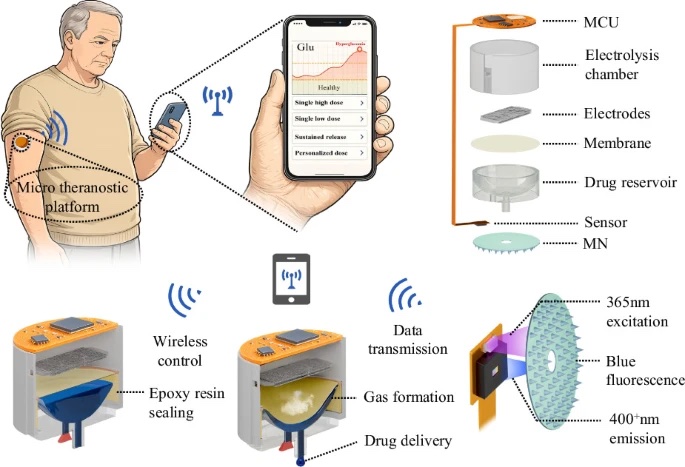
The realization of a truly autonomous and unobtrusive artificial pancreas has long been hindered by the bulky, rigid mechanical drives of commercial insulin pumps and the physically separated glucose sensing unit. In this study, we bridge this engineering gap using an ultra-compact, wireless theranostic platform that synergizes a 9-ANB-functionalized optical microneedle sensor with a structurally novel electrochemical micropump. By engineering a unique semi-dry sandwich electrode that uses highly porous nickel foam to clamp a localized NaOH-saturated fabric, the system achieves highly efficient electrolytic actuation via predictable gas expansion. This structural paradigm shift enables arbitrary internal layout customization, shrinking the integrated device to overall dimensions of approximately 2 cm in diameter and thickness. Furthermore, the synergistic integration of the actuation module with the optically responsive microneedle array establishes a highly robust closed-loop theranostic cycle. By continuously translating glucose-dependent fluorescence variations into precise dosing commands via a smartphone interface, the platform achieves highly predictable, microliter-scale intervention.
Share on
New guidance puts diabetes distress assessment alongside glucose care for adults
medicalxpress.com
Oct. 9, 2026, 9:58 a.m.
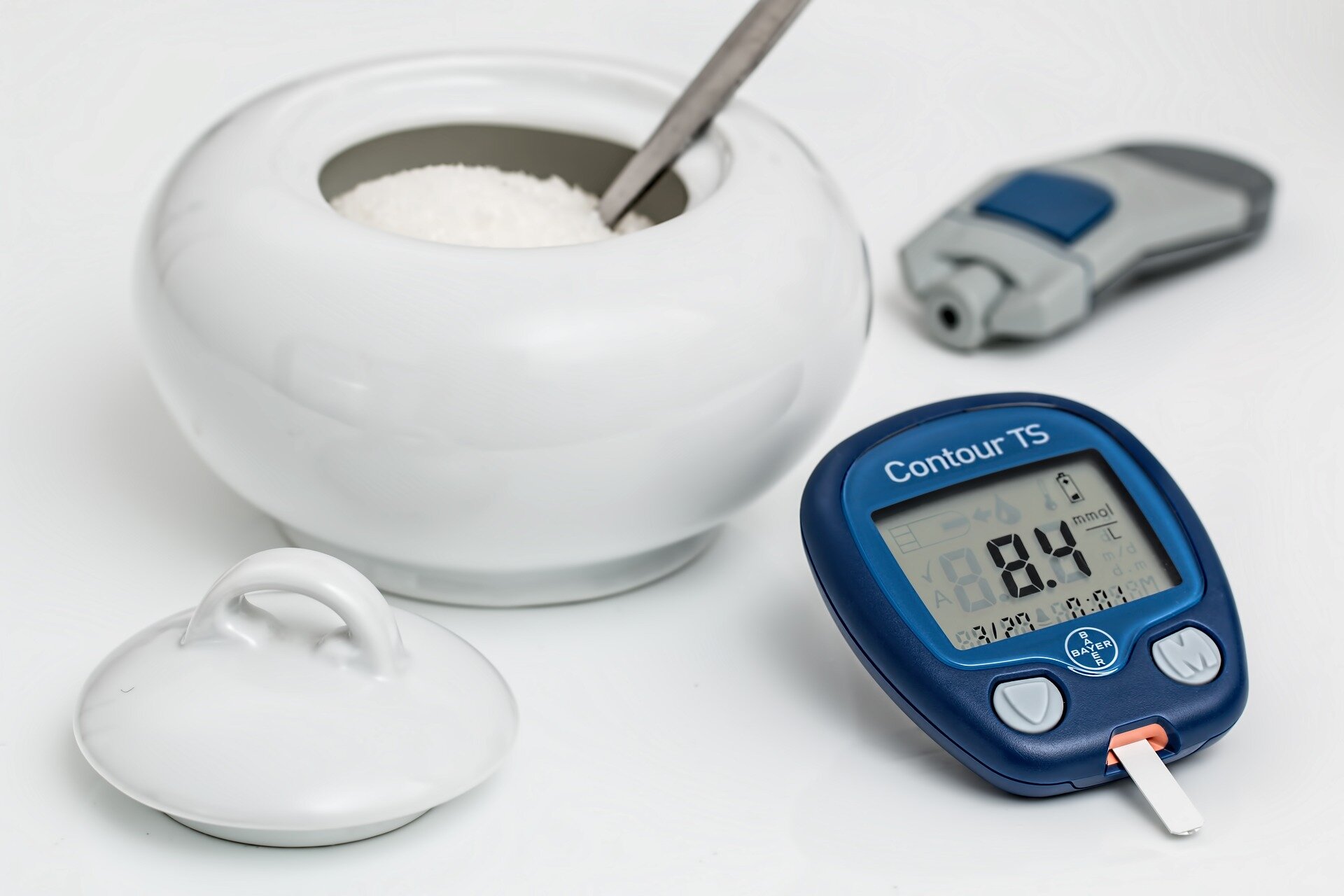
The European Association for the Study of Diabetes has published its first evidence-based clinical practice guideline addressing the assessment and management of diabetes distress in adults with type 1 and type 2 diabetes, published in Diabetologia. This guideline formally recognizes that emotional burden management is integral to diabetes care. The guidance includes eight Good Practice Statements recommending that healthcare professionals routinely assess diabetes distress using validated tools during every consultation, monitor at least annually, and maintain open documentation and discussion with patients. When distress is identified, practitioners should develop collaborative management plans and provide tailored follow-up support while building competency in psychological interventions. For management, evidence supports psychological and psychoeducational interventions for both diabetes types. Notably, continuous glucose monitoring and automated insulin delivery systems are recommended specifically for type 1 diabetes patients to reduce distress, though advanced technologies lack evidence for type 2 diabetes applications. This comprehensive guideline represents an important shift toward person-centered diabetes care that acknowledges and systematically addresses the psychological dimensions of living with diabetes.
Share on
Is Mounjaro covered by insurance or Medicare?
www.drugs.com
Oct. 9, 2026, 9:58 a.m.
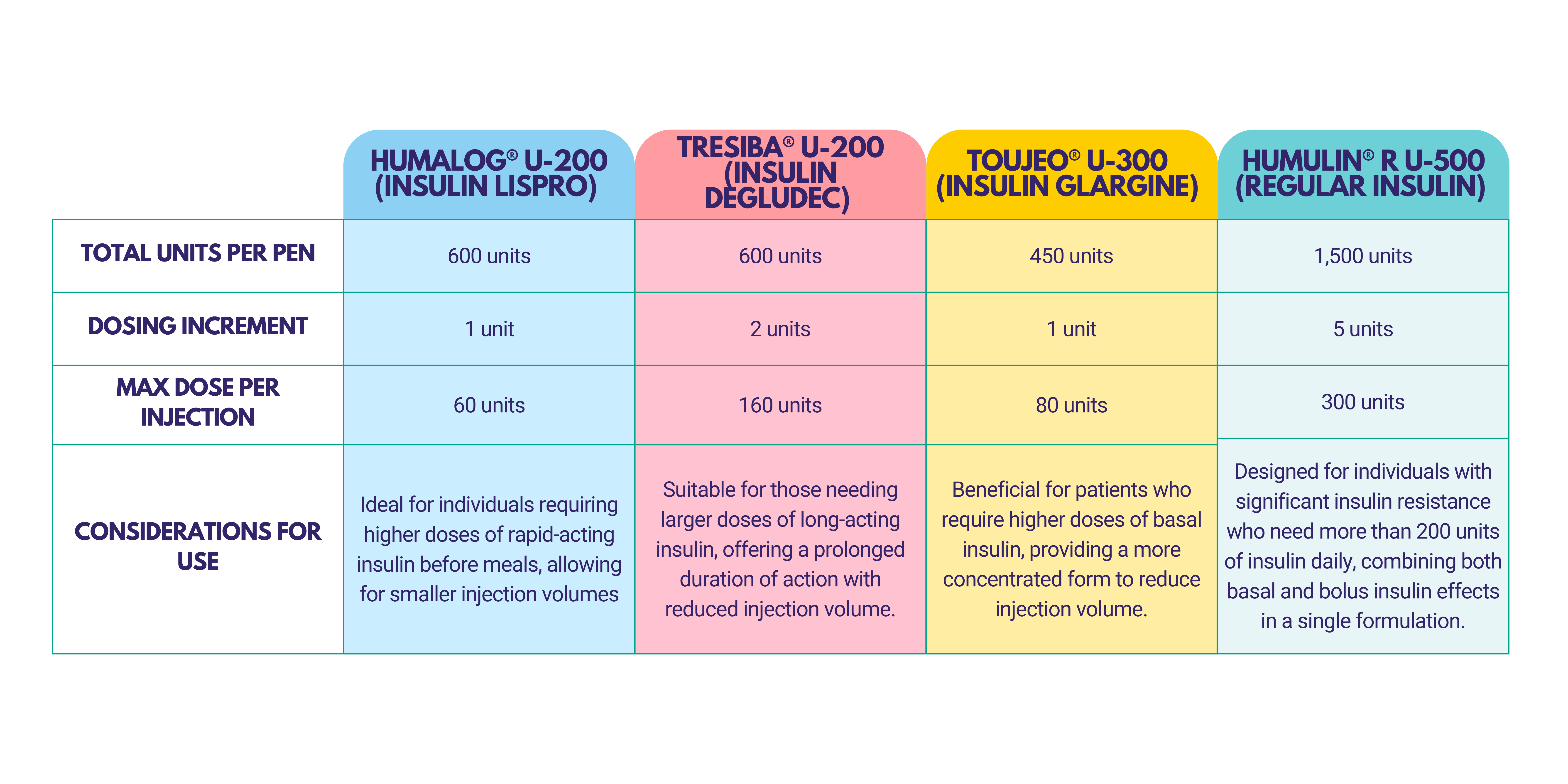
Mounjaro (tirzepatide), a once-weekly injectable medication, is approved by the FDA for treating type 2 diabetes and reducing cardiovascular risk in high-risk patients. It functions by activating GLP-1 and GIP hormone pathways to enhance insulin release, suppress appetite, and slow gastric emptying. While commercial insurance and Medicare drug plans may cover Mounjaro for type 2 diabetes when listed on their formularies, coverage for weight loss remains uncommon as of 2026, since the medication lacks FDA approval for this indication—though the separate brand Zepbound addresses this use. Insurance coverage often involves prior authorization, step therapy requirements, and documentation of diabetes diagnosis or prior medication trials. Out-of-pocket costs can be substantial without coverage, though manufacturer savings programs and evolving Medicare policies help offset expenses. Patients should contact their insurers directly to confirm whether Mounjaro appears on their formulary and which conditions qualify for reimbursement, as coverage policies vary significantly across plans and continue to evolve.
Share on

How to Tell if Your CGM Patch is Causing a Reaction
www.type-strong.com
Oct. 9, 2026, 9:58 a.m.
Continuous glucose monitoring (CGM) patches can cause skin reactions, but determining the cause requires examining three key factors: the reaction's location, onset timing, and symptoms. Redness confined to the overpatch shape that appears within an hour typically indicates friction or moisture irritation, which is easily remedied. Conversely, sharp itching or redness directly under the sensor housing that develops over hours or days suggests an allergic response to the sensor's factory adhesive, requiring different interventions. Irritant reactions emerge quickly due to direct skin damage, while allergic responses develop slowly as the immune system builds sensitization over repeated exposures. Popular CGM devices including Dexcom G6, G7, and ONE+, FreeStyle Libre 2 and 3, Medtronic Guardian, and Omnipod each contain factory-installed adhesive, distinct from separately applied overpatch products. Understanding whether the overpatch or sensor adhesive triggers the reaction is crucial, since switching overpatch brands cannot resolve sensor adhesive sensitivity. Distinguishing between irritant contact dermatitis and allergic contact dermatitis enables targeted solutions and informed decisions about device compatibility and skin preparation strategies.
Share on

Mounjaro Cost Without Insurance: What to Expect
sesamecare.com
Oct. 9, 2026, 9:58 a.m.
Mounjaro (tirzepatide), an FDA-approved diabetes medication, is increasingly prescribed off-label for weight management due to demonstrated substantial weight loss in clinical trials. Its pharmaceutical counterpart, Zepbound, contains the same active ingredient and is FDA-approved specifically for long-term weight management in adults with obesity or weight-related conditions. The manufacturer list price for Mounjaro is $1,112.16 per 28-day supply, though retail cash prices typically range from $1,050 to $1,300 monthly depending on pharmacy overhead costs, regional adjustments, and profit margins. Eli Lilly sets identical pricing across all six available dosage strengths. For uninsured patients, the full retail cash price applies at point of purchase. Coverage varies significantly for insured patients based on their specific insurance plans. Most commercial insurance plans cover Mounjaro exclusively when prescribed for type 2 diabetes, with out-of-pocket costs ranging from fixed copays to percentage coinsurance. Medicare plans do not cover medications prescribed solely for weight loss, though Medicare Part D and Medicare Advantage may cover Mounjaro when prescribed for diabetes management. Patients should verify their specific coverage through their insurer's online portal or member services.
Share on
What to expect from your first 7 days on a GLP-1
www.weightwatchers.com
Oct. 9, 2026, 9:57 a.m.
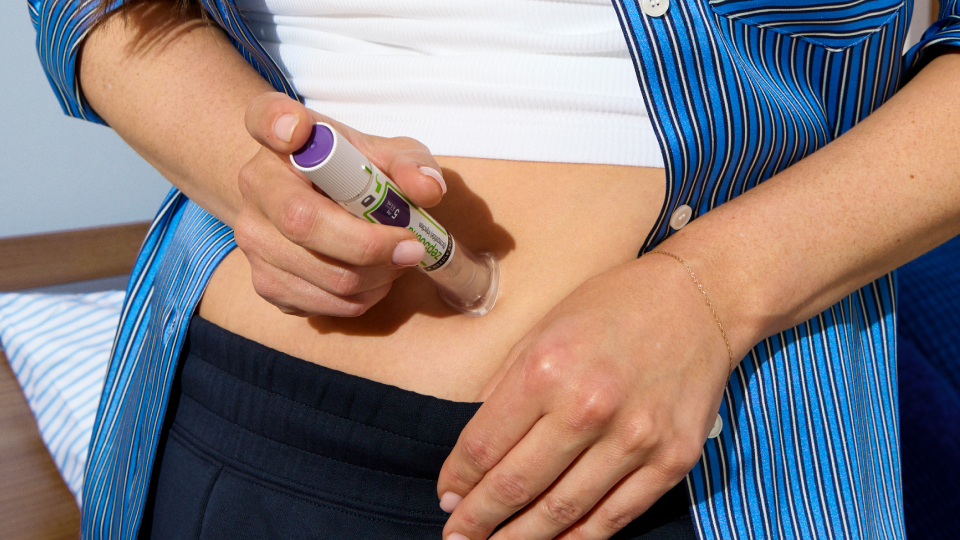
GLP-1 medications including semaglutide (Ozempic, Wegovy) and tirzepatide (Zepbound, Mounjaro) require careful dose titration starting at the lowest possible level. During the first seven days, patients typically experience an adjustment period focused on tolerating the medication rather than achieving weight loss, which develops gradually over subsequent weeks. Common initial side effects include mild nausea, early satiety, fatigue, and digestive changes, though these typically diminish as the body acclimates. According to Dr. Robert Kushner from Northwestern University Feinberg School of Medicine, lower starting doses help minimize gastrointestinal side effects, with doses increased progressively over time. Many patients report reduced appetite and decreased "food noise" within days. Establishing sustainable habits during week one—including adequate hydration, protein-rich nutrition, mindful eating pace, and gentle movement—substantially improves the experience and supports long-term medication efficacy. Individual responses vary considerably; absent initial effects do not predict future tolerance or weight loss outcomes, emphasizing the importance of patience throughout the treatment journey.
Share on

Blood Glucose Monitoring: An In-depth Guide
www.makingdiabeteseasier.com
Oct. 3, 2026, 7:30 a.m.
Blood glucose monitoring is a critical component of diabetes management that helps patients maintain healthy glucose levels and prevent both short and long-term complications. The guide explains two primary testing approaches: self-monitoring blood glucose levels (SMBG), which involves regular finger-prick testing performed at home using portable testing kits, and HbA1c testing, a clinical blood test measuring average glucose levels over two to three months conducted every three to six months. While SMBG provides immediate glucose readings and helps patients understand how food, exercise, illness, and stress affect their levels, it captures only snapshots and cannot detect problems between tests or predict hypoglycemic episodes. HbA1c testing offers a broader picture of long-term glucose control. Regular monitoring enables patients with type 1 and type 2 diabetes to work collaboratively with healthcare professionals to adjust treatments, optimize diet plans, and manage their condition with greater confidence. Understanding both testing methods allows newly diagnosed diabetic patients to take an active role in their health management and reduce disease complications.
Share on

CGM Patches for Sensitive Skin: Dexcom G6 and G7 Options That Won't Irritate
www.type-strong.com
Oct. 3, 2026, 7:30 a.m.
Continuous glucose monitoring users with sensitive skin face adhesive-related irritation from either Dexcom sensor factory adhesive or supplementary overpatches applied on top. This article distinguishes between two common reactions: allergic contact dermatitis, an immune response to specific chemicals causing sharply outlined redness and itching that worsens with repeated exposure, and irritant contact dermatitis from friction or moisture that typically presents as dry, chapped skin. The diagnostic distinction is critical because switching overpatch brands, such as those manufactured by Type Strong, will not resolve factory adhesive reactions. To minimize irritation, users should seek hypoallergenic adhesives, latex-free materials, breathable backings, and precisely fitted patches. However, no adhesive is universally safe. Understanding whether the reaction originates from the sensor's built-in factory adhesive or the overpatch is essential before purchasing alternative products, making proper diagnosis the most valuable step in resolving skin sensitivity issues with Dexcom G6 and G7 systems.
Share on
Mobile Health Interventions to Support Self-Management in Youth with Type 1 Diabetes - Current Diabetes Reports
link.springer.com
Oct. 3, 2026, 7:30 a.m.
# Summary
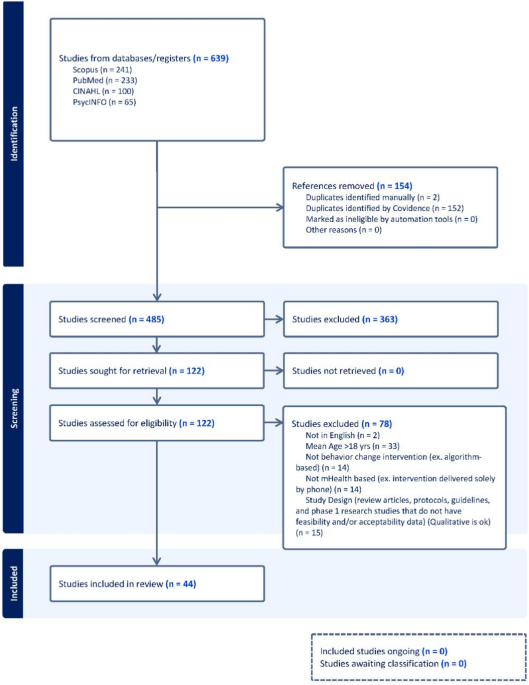
This review examines mobile health interventions designed to support self-management in youth with Type 1 diabetes. Published in Current Diabetes Reports in September 2026, the article evaluates how digital technologies and smartphone applications can enhance disease management outcomes in pediatric and adolescent populations. The research synthesizes evidence on mobile health tools that facilitate insulin administration tracking, blood glucose monitoring, dietary management, and physical activity engagement. Key findings demonstrate that targeted mobile interventions can improve glycemic control, increase medication adherence, and strengthen self-efficacy among young patients. The review highlights the importance of user-centered design and engagement strategies to ensure sustained adoption across diverse youth populations. By identifying effective implementation approaches and addressing barriers to technology integration, this work underscores the critical role mobile health solutions play in transforming Type 1 diabetes management. The findings have significant implications for healthcare providers and digital health developers seeking to optimize care delivery and empower young patients to achieve better long-term health outcomes while managing their chronic condition effectively.
Share on
Wegovy semaglutide injection pen: use and safety
www.vitalsvault.com
Oct. 3, 2026, 7:30 a.m.
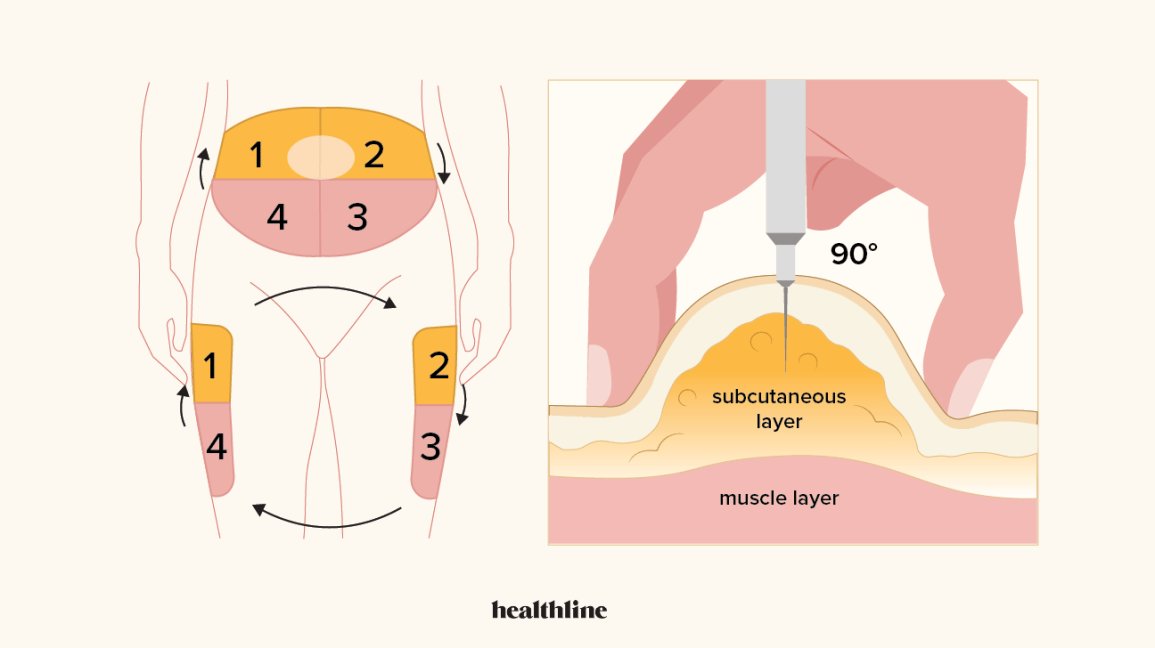
Wegovy is a prescription semaglutide injection administered once weekly via a prefilled pen for chronic weight management in adults with obesity or overweight conditions and certain adolescents with obesity. The FDA-approved medication works alongside reduced-calorie diets and physical activity, and also reduces cardiovascular event risks in patients with established heart disease. As a glucagon-like peptide-1 receptor agonist (GLP-1 RA), Wegovy mimics the body's natural GLP-1 hormone, increasing satiety and reducing hunger while regulating blood sugar. However, compounded semaglutide—prepared by licensed pharmacies and not FDA-approved—differs from the brand product in formulation and supply chain. Treatment begins at low doses, gradually increasing to minimize side effects like nausea and delayed gastric emptying, which can also affect oral medication absorption. Clinicians must review patients' complete medication histories and medical conditions before prescribing, as semaglutide influences insulin and glucagon levels even in non-diabetic patients. Individual responses vary, and lifestyle modifications remain integral to treatment success.
Share on
Diabetes Distress and Psychosocial Well-Being articles from across Nature Portfolio
www.nature.com
Oct. 3, 2026, 7:29 a.m.
Recent research published in Scientific Reports highlights the critical intersection between diabetes management and mental health. Multiple cross-sectional and observational studies have examined diabetes distress—the psychological burden specific to living with diabetes—across diverse populations including patients in northwest Ethiopia, Hong Kong primary care settings, and those with Type 1 and Type 2 diabetes. Key findings reveal that diabetes-related distress (DRD) is prevalent across all age groups and cultures, significantly impacting psychosocial well-being and clinical outcomes. Research demonstrates that elevated diabetes distress correlates with poor glycemic control, increased diabetic complications, and higher rates of depression. Notably, psychological resilience has been identified as a protective mediating factor that buffers the relationship between diabetes distress and depression, with these relationships varying between Type 1 and Type 2 diabetes populations. These studies underscore why understanding local prevalence and severity of diabetes distress matters: it directly influences patient self-management capacity and overall health outcomes, suggesting that integrated psychosocial interventions should complement standard diabetes care protocols in primary healthcare settings.
Share on
20 Seconds of Voice Can Detect Diabetes
sebastianbarros.substack.com
Oct. 2, 2026, 1:32 p.m.
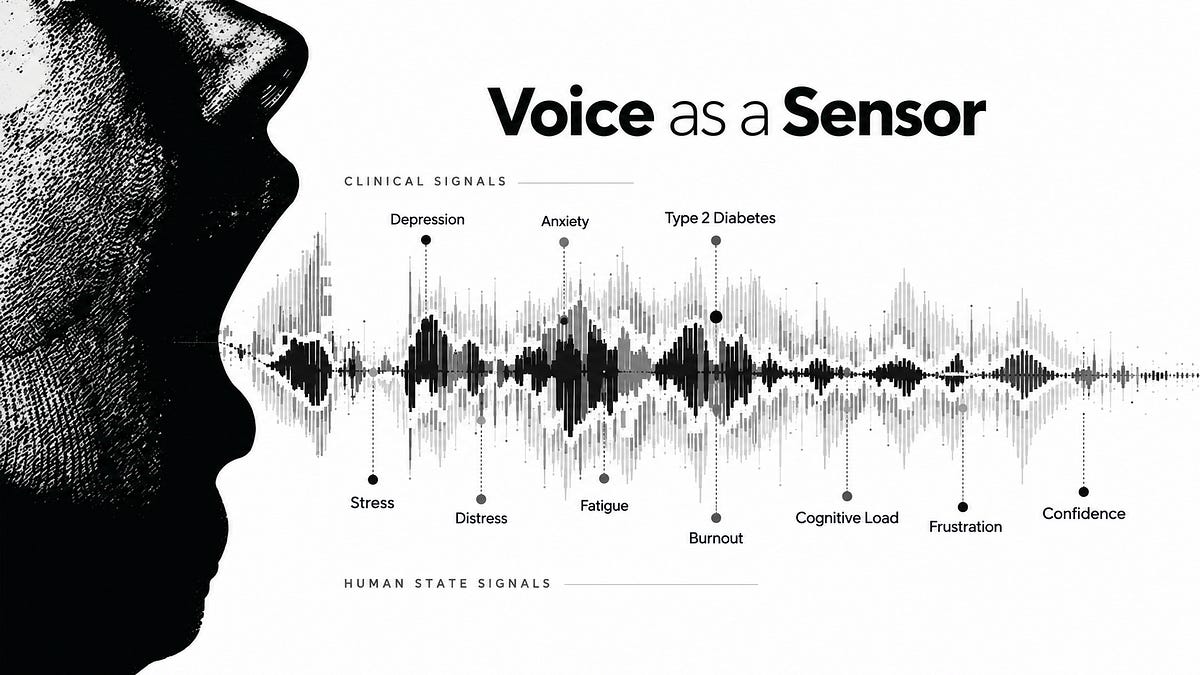
A 20-second voice recording can already reveal something about your risk of type 2 diabetes. London startup Thymia trained a model using speech from more than 21,000 people, validated it on another 7,319, and then compared its predictions with HbA1c blood tests in 801 participants. In that blood-tested group, the model gave a person with diabetes a higher risk score than someone without it about 75% of the time, and at one screening threshold it flagged 82% of diabetes cases. It is still a preprint and nowhere near replacing a blood test, but the remarkable part is that a metabolic disease leaves enough information inside 20 seconds of ordinary speech for an AI model to pick it up.
Share on
Insulin pumps and CGMs: how these technologies work together
www.omnipod.com
Sept. 26, 2026, 7:27 a.m.
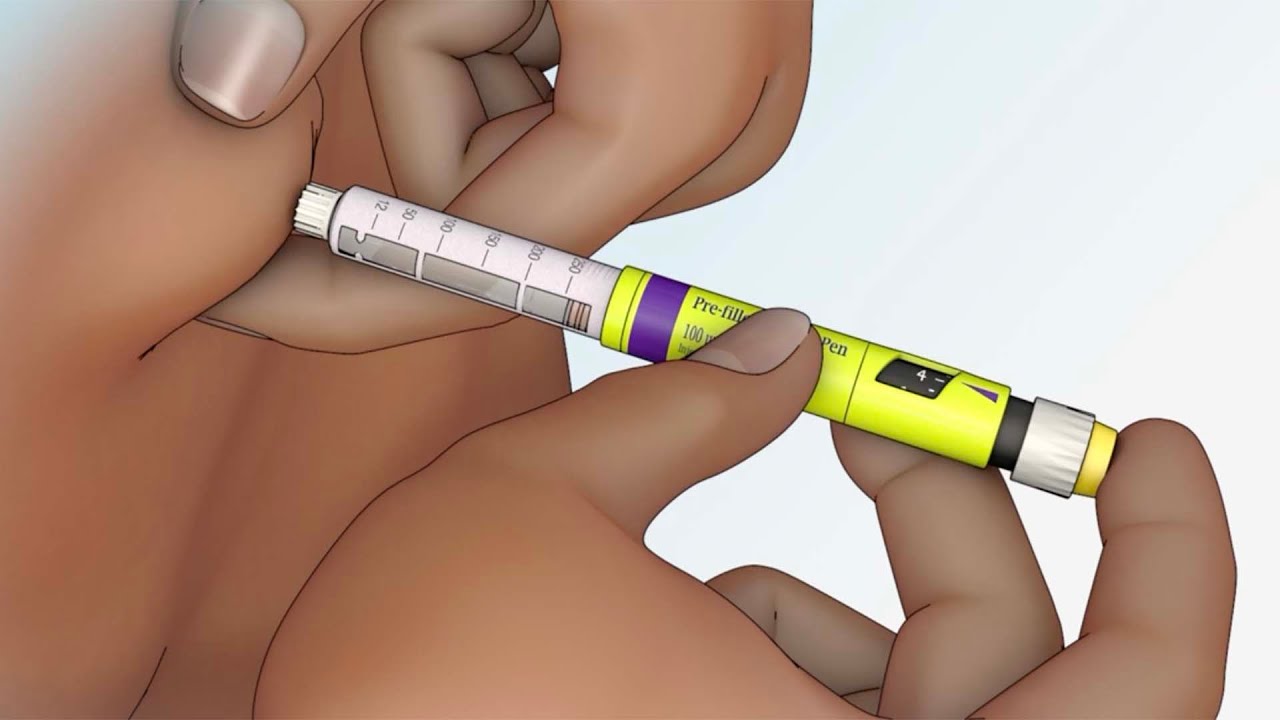
Managing type 1 diabetes requires constant decision-making about insulin, food, and glucose levels. Insulin pumps and continuous glucose monitors (CGMs) independently reduce this management burden, but when combined in an automated insulin delivery (AID) system, they work synergistically to monitor glucose and adjust insulin automatically. Insulin pumps are wearable devices delivering continuous basal insulin while allowing additional doses for meals or corrections. CGMs are sensor-based devices measuring glucose in interstitial fluid, typically providing readings every five minutes with real-time displays and alerts on compatible smartphones. When paired, users benefit from continuous insulin delivery and constant glucose data streams. AID systems represent the most advanced integration, where pumps and CGMs communicate directly—the pump's algorithm automatically adjusts insulin based on CGM values and trends. These systems can operate at various integration levels: devices worn separately without communication, devices worn together with manual bolus decisions based on CGM readings, or fully automated AID systems requiring only meal-time boluses while background insulin management operates continuously. Omnipod 5 exemplifies this technology, automatically adjusting basal insulin delivery using sensor glucose data. Device selection depends on individual patient needs and preferences.
Share on

Diagnostic Triage for Ultrasound-Detected Subclinical Insulin Injection–Related Lipohypertrophy in Older Adults With Diabetes: Development and Internal Validation
www.frontiersin.org
Sept. 26, 2026, 7:26 a.m.
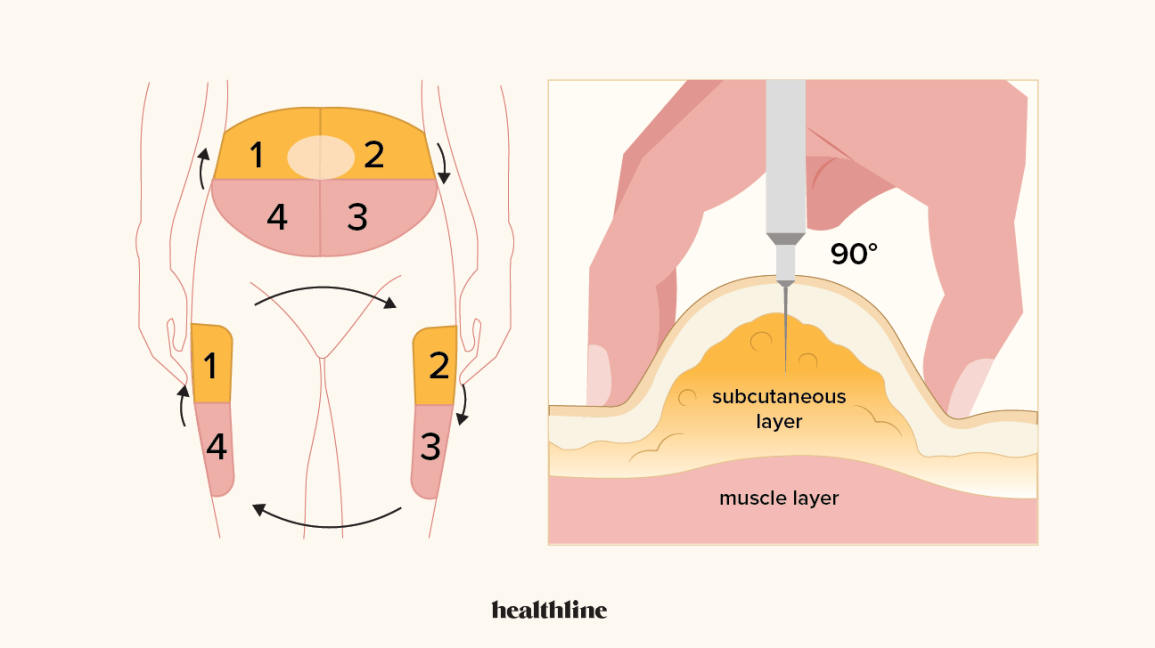
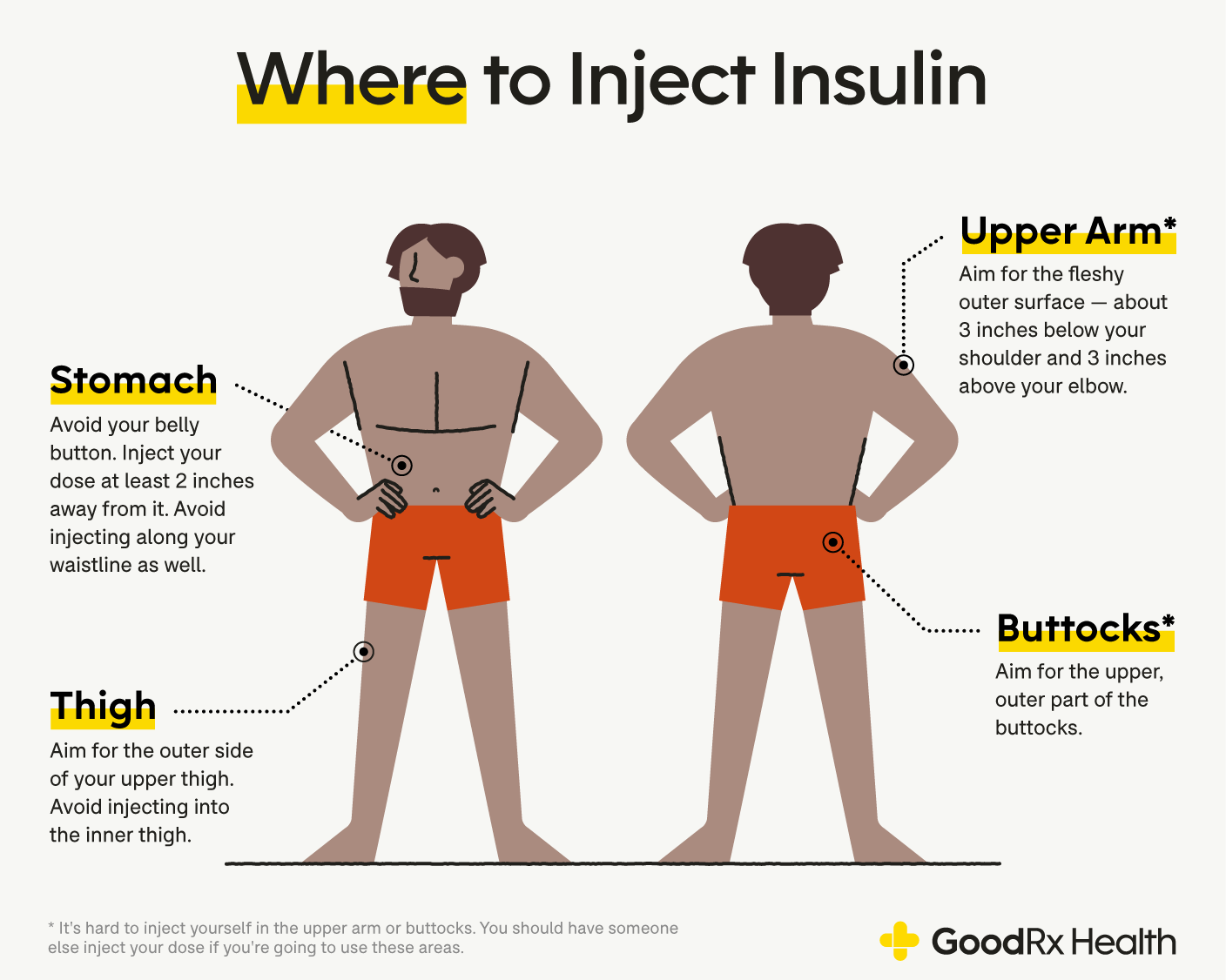
Researchers at Beijing Hospital developed a diagnostic triage model to identify subclinical insulin injection-related lipohypertrophy in older adults with diabetes. The cross-sectional study of 818 patients aged 60 and older found subclinical lipohypertrophy in 15.8% of cases, often missed during routine visual and physical examinations. The 11-predictor ridge logistic model integrated clinical and injection-related factors including age, BMI, injection duration, needle reuse, site rotation, and glycated hemoglobin levels to prioritize confirmatory ultrasound screening. The model achieved an optimism-corrected ROC area under the curve of 0.774 with internal validation using 2,000 bootstrap resamples. At validated thresholds targeting 90% and 95% sensitivity, the model avoided unnecessary ultrasound examinations for 337 and 220 patients per 1,000, respectively, while maintaining high detection rates. This approach addresses a critical clinical gap by providing evidence-based stratification to guide selective ultrasound referral, balancing resource efficiency with comprehensive identification of lipohypertrophy in insulin-treated older adults.
Share on
What to expect from your first 7 days on a GLP-1
www.weightwatchers.com
Sept. 26, 2026, 7:26 a.m.
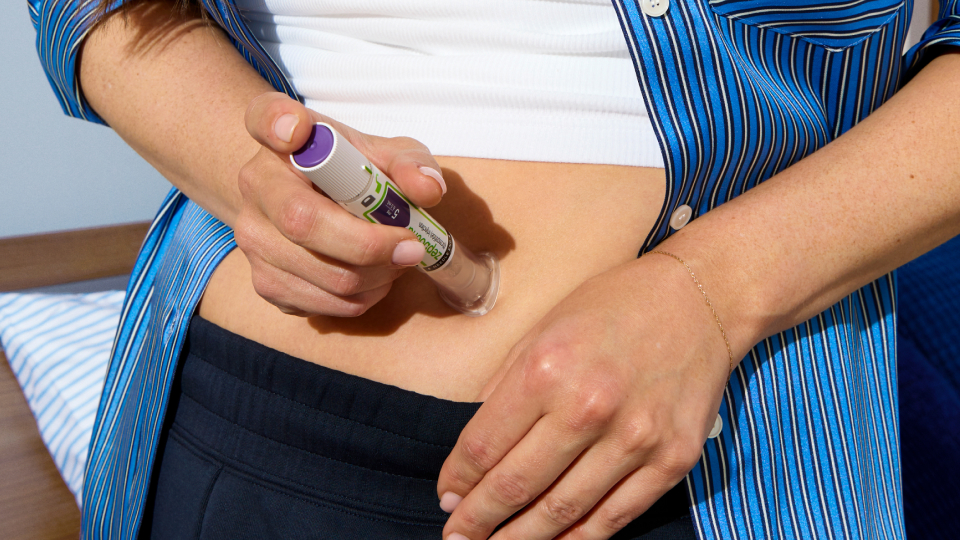
GLP-1 medications, including semaglutide (Ozempic, Wegovy), tirzepatide (Zepbound, Mounjaro), and similar drugs, require careful dose titration during the initial treatment phase. During the first seven days, patients should expect their bodies to adjust to the lowest starting dose while experiencing variable effects such as reduced appetite, mild nausea, early fullness, fatigue, or digestive changes. According to Dr. Robert Kushner from Northwestern University Feinberg School of Medicine, this gradual dose escalation strategy minimizes gastrointestinal side effects including nausea, vomiting, diarrhea, and constipation. Early symptom experiences vary significantly among patients and do not predict long-term medication tolerance or eventual weight loss outcomes. Healthcare professionals recommend establishing sustainable habits during this critical first week, including consistent hydration, protein-rich nutrition, mindful meal pacing, and gentle movement. These foundational practices, combined with tracking individual responses, establish the behavioral patterns necessary for medication efficacy over the long term.
Share on