The extraordinary figures hinting at Aston Martin's pole potential
www.the-race.com
Nov. 3, 2026, 1:25 p.m.
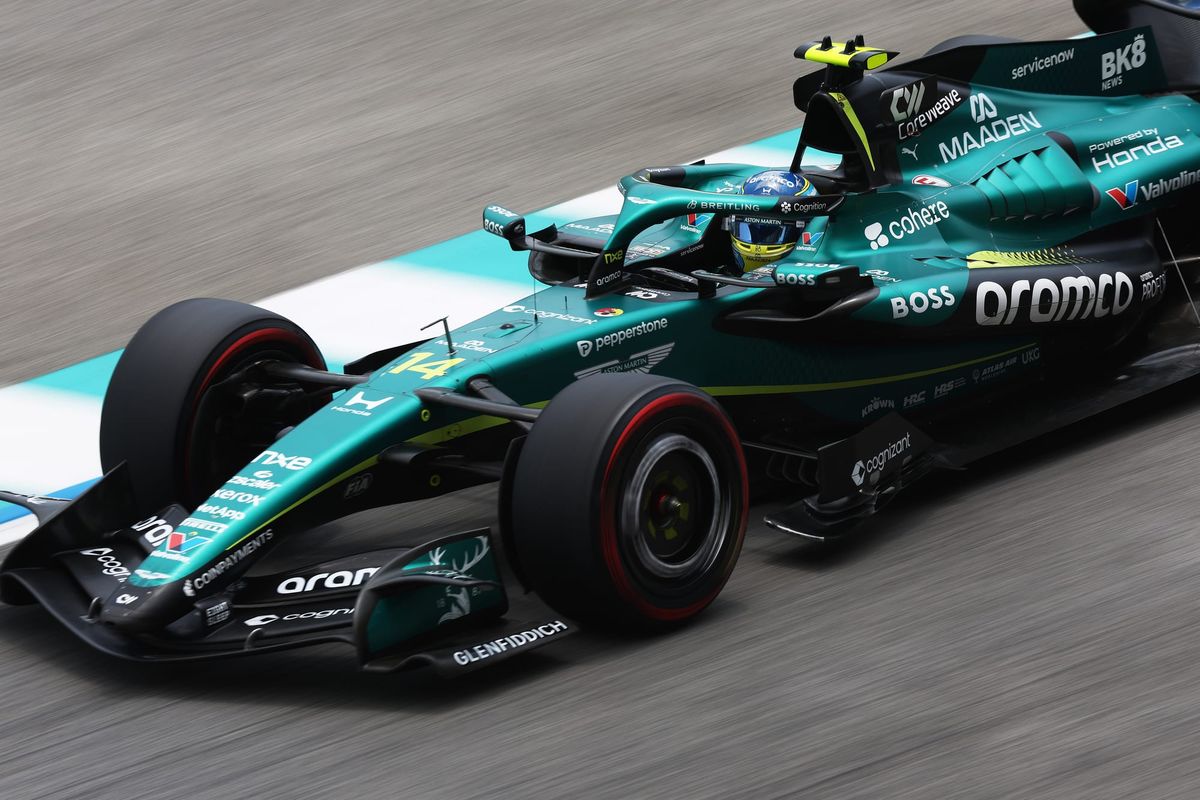
Aston Martin's relationship with Formula 1 power unit partner Honda faces ongoing strain, prompting analysis of the AMR26's actual performance beyond disappointing qualifying results. While the partnership has struggled with reliability concerns—notably Fernando Alonso's Singapore experience where he suspected turbo failure—examining GPS data and performance metrics reveals a more nuanced picture. Analysis shows the car suffered a significant competitiveness decline from Barcelona through Spa as rival teams developed upgrades while Aston Martin remained in race-one specification, followed by substantial improvement after the Hungary upgrade. Breaking down lap times into full-throttle sections indicates the power unit deficit represents approximately 2.238 seconds at Sepang, suggesting Alonso could have achieved pole position with power parity. Remarkably, Singapore demonstrated even more competitive corner performance than Sepang despite the disappointing Q1 elimination. Since the Hungary update, Alonso has praised the car's improved balance and poise, suggesting the AMR26 chassis may be more competitive than headline results indicate, with performance limitations primarily attributable to the Honda power unit rather than fundamental design flaws by designer Adrian Newey.
Share on
Aston Martin F1 Team – Drivers, Gear & News
www.tracksideculture.com
Nov. 3, 2026, 1:25 p.m.
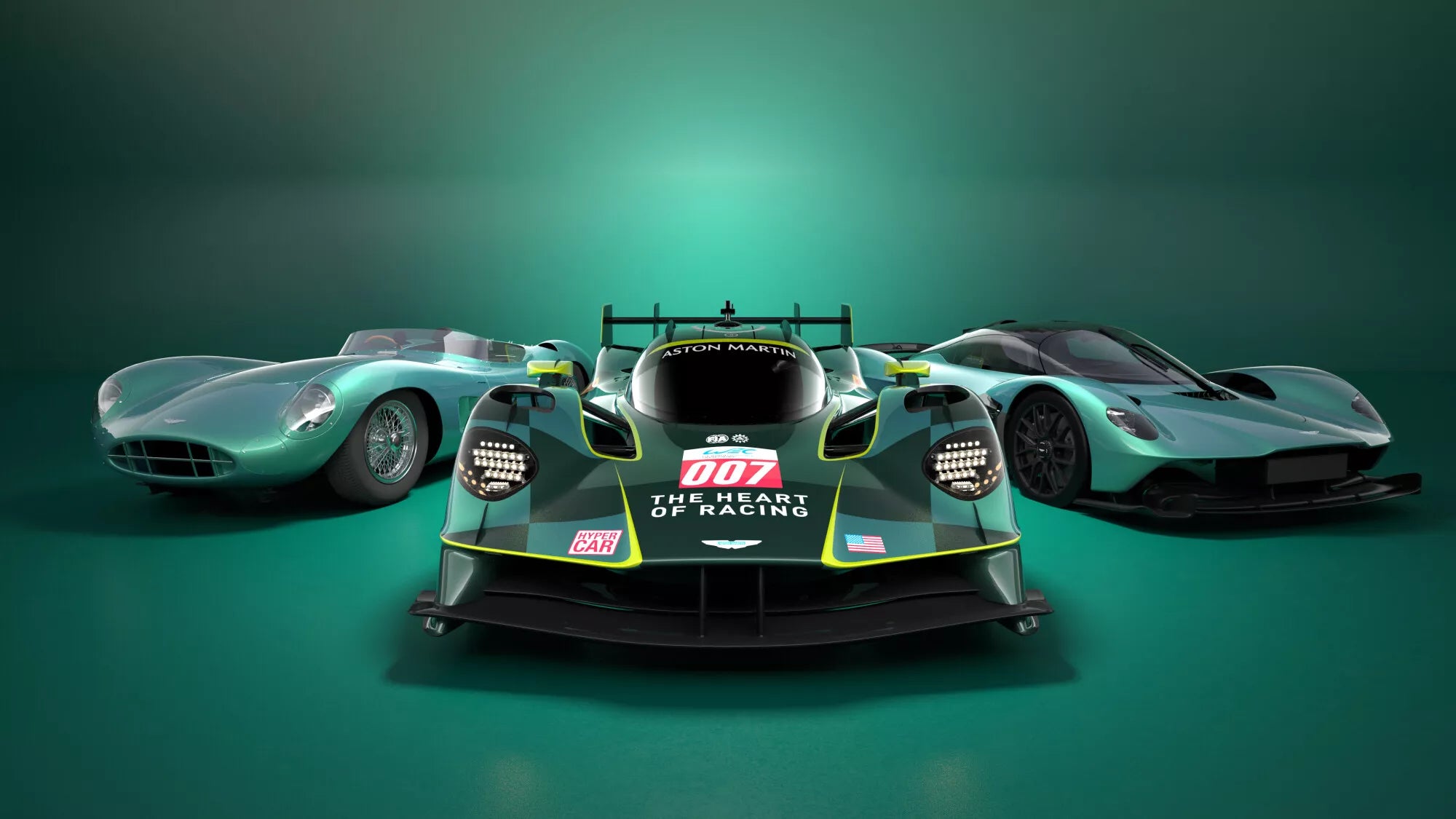
Aston Martin enters the 2026 Formula 1 season positioned to transition from midfield competitor to championship contender, leveraging owner Lawrence Stroll's substantial investment and strategic partnerships. The team operates from the newly constructed AMR Technology Campus in Silverstone, featuring dedicated wind tunnel and simulator facilities—a departure from previous reliance on shared testing infrastructure. A pivotal milestone marks the team's transition to factory status through an exclusive works engine partnership with Honda, mirroring Red Bull's dominance strategy from 2021 to 2025. Adrian Newey, renowned aerodynamic engineer, assumes the role of Team Principal and heads the technical division, while two-time World Champion Fernando Alonso and Canadian Lance Stroll pilot the "Green Machine." The 2026 car represents the first Aston Martin vehicle developed under Newey's leadership and stands as the grid's most anticipated design. This transformation underscores a fundamental principle in modern Formula 1: championship success requires factory team status rather than customer engine arrangements. The Honda alliance and state-of-the-art facilities position Aston Martin to challenge for the world title.
Share on
Aston Martin Valhalla Spider
www.astonmartin.com
Nov. 3, 2026, 1:25 p.m.
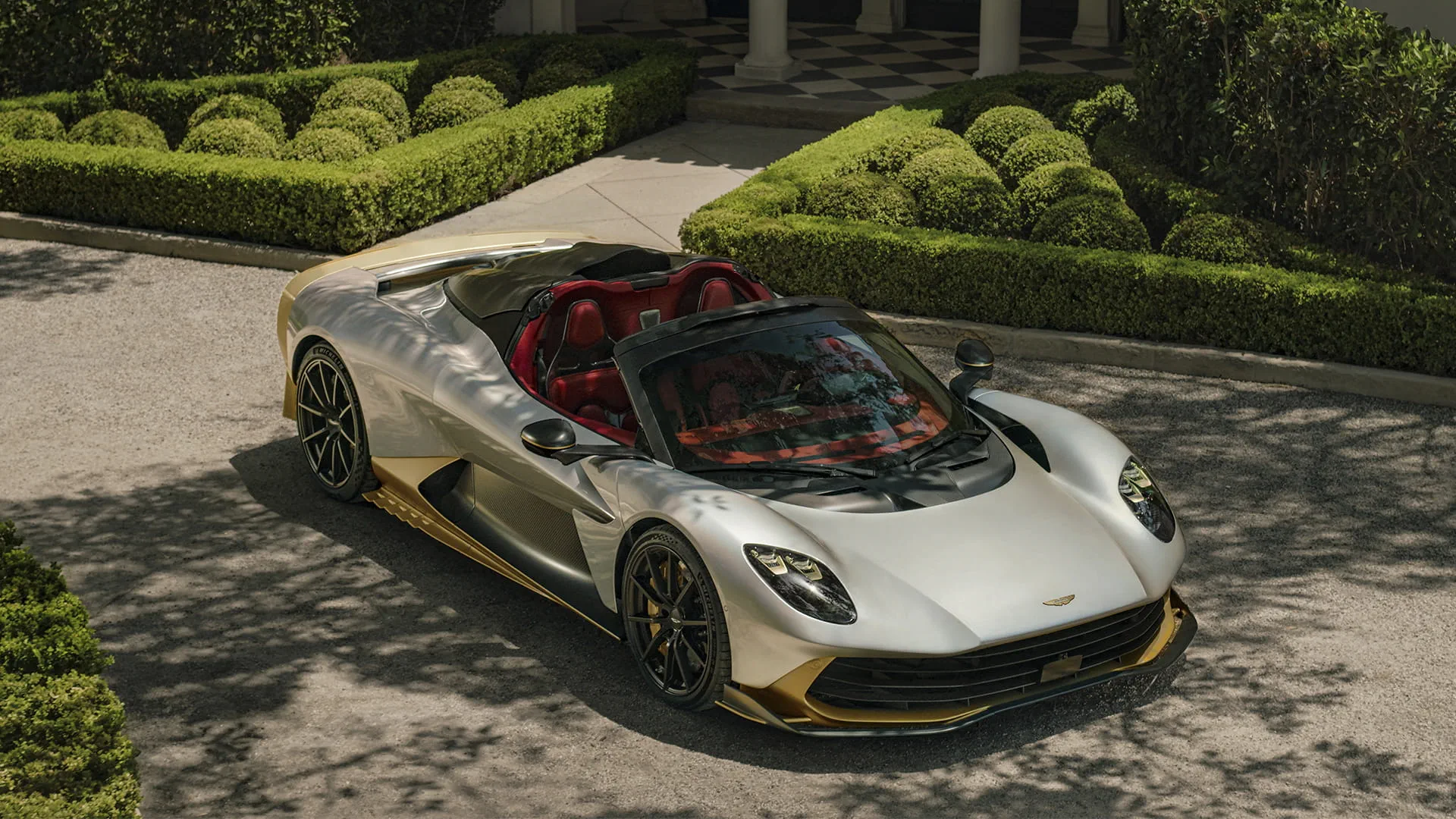
Aston Martin has unveiled the Valhalla Spider, the fastest open-cockpit supercar in its history, combining Formula 1-derived engineering with mid-engine performance capabilities. Developed through collaboration with Aston Martin Performance Technologies and leveraging expertise from the Aston Martin Aramco Formula 1 Team, the vehicle features a bespoke carbon-fibre monocoque chassis and F1-inspired pushrod front suspension for responsive handling dynamics. The powertrain consists of a twin-turbo V8 engine paired with three electric motors, generating 1,079 PS and 1,100 Nm of torque, enabling a top speed of 217 mph. Advanced technologies including Integrated Vehicle Control, active front-axle torque vectoring, and an electronic limited-slip differential coordinate suspension, braking, steering, aerodynamics, and powertrain in real-time, providing exceptional stability and composure across varying road conditions. Multiple driving modes—Sport, Sport+, and Race—allow drivers to adjust performance characteristics. The vehicle's open-cockpit design combines aesthetic appeal with functional aerodynamics through sinuous carbon-fibre surfaces, delivering an immersive driving experience while maintaining Aston Martin's distinctive design language.
Aston Martin Valhalla does a 10 sec 1/4 mile; Slower than Temerario, Corvette ZR1X
www.thesupercarblog.com
Nov. 3, 2026, 1:25 p.m.
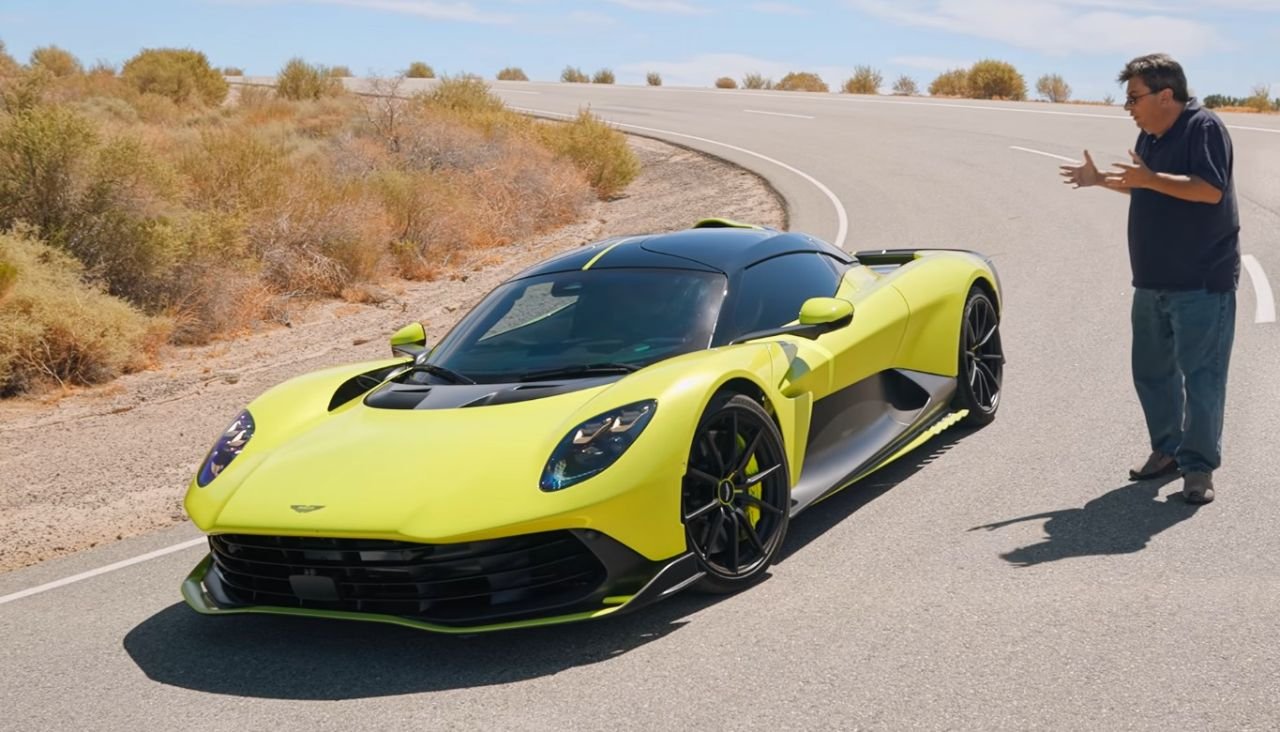
MotorTrend conducted performance testing on the Aston Martin Valhalla, Aston Martin's second hybrid supercar positioned as a more accessible alternative to the extreme Valkyrie. Priced over one million dollars, the mid-engined supercar features a 4.0-liter twin-turbo V8 plug-in hybrid powertrain paired with three electric motors, generating 1,065 horsepower and 811 lb-ft of torque. The vehicle achieved impressive acceleration metrics, completing 0-60 mph in 2.3 seconds and 0-100 mph in 5.0 seconds. However, the quarter-mile performance revealed a limitation: the Valhalla recorded 10.0 seconds at 138 mph, falling short of competitors including the Lamborghini Temerario, Porsche 911 Turbo S, and Chevrolet Corvette ZR1X, all achieving sub-10 second quarter-mile times. This benchmark underscores the intense competition in the hypercar segment, where marginal performance differences significantly impact positioning among elite vehicles. Aston Martin plans to expand the Valhalla lineup with an open-top Spider variant, anticipated to debut by November 2026.
Share on
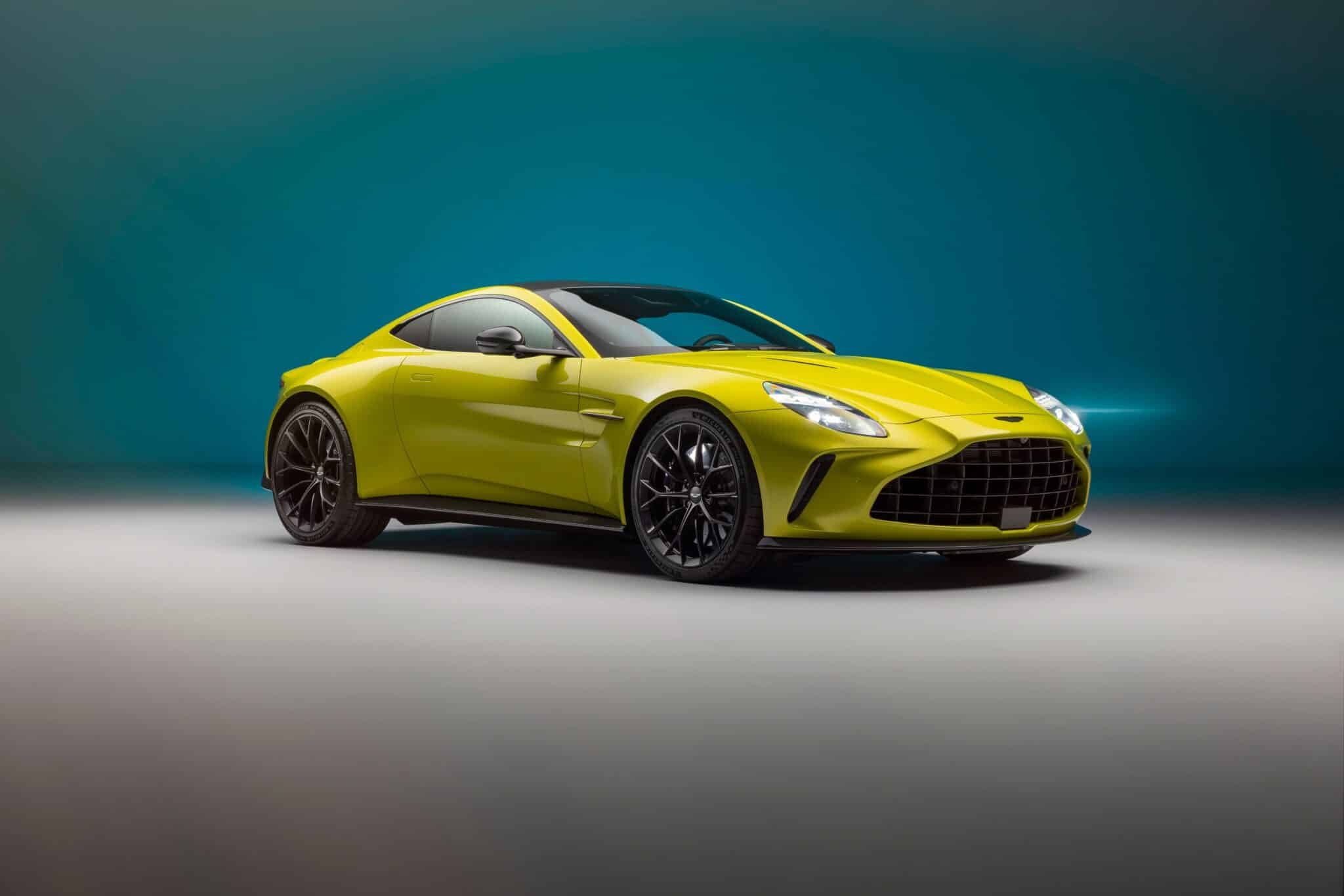
Aston Martin Pushes First EV Launch to 2033, Prioritising V8 and V12 Engines
whatshotinuae.com
Nov. 3, 2026, 1:25 p.m.
Aston Martin has officially postponed its first fully electric vehicle launch to 2033-2035, a significant delay from earlier targets of 2025 or 2030. CEO Adrian Hallmark confirmed the brand is targeting a three-year window beginning in 2033 for its battery-electric vehicle debut. Instead of rushing electrification, Aston Martin is prioritizing its signature V8 and V12 internal combustion engines to remain compliant and available through at least 2035. This strategic pivot reflects shifting market dynamics and regulatory timelines, as European Union and UK mandates require all new vehicles to be zero-emissions by 2035. Executive Chairman Lawrence Stroll emphasized that luxury segment demand for high-end EVs at Aston Martin's price point has been lower than anticipated, with customers expressing strong preferences for traditional engine experiences. The company characterizes itself as "not BEV deniers but BEV delayers," using the intervening years to strengthen its brand heritage while preparing for mandatory electrification. This approach allows Aston Martin to address immediate consumer demand for performance combustion engines while developing its electric transition strategy for mid-decade deployment.
Share on
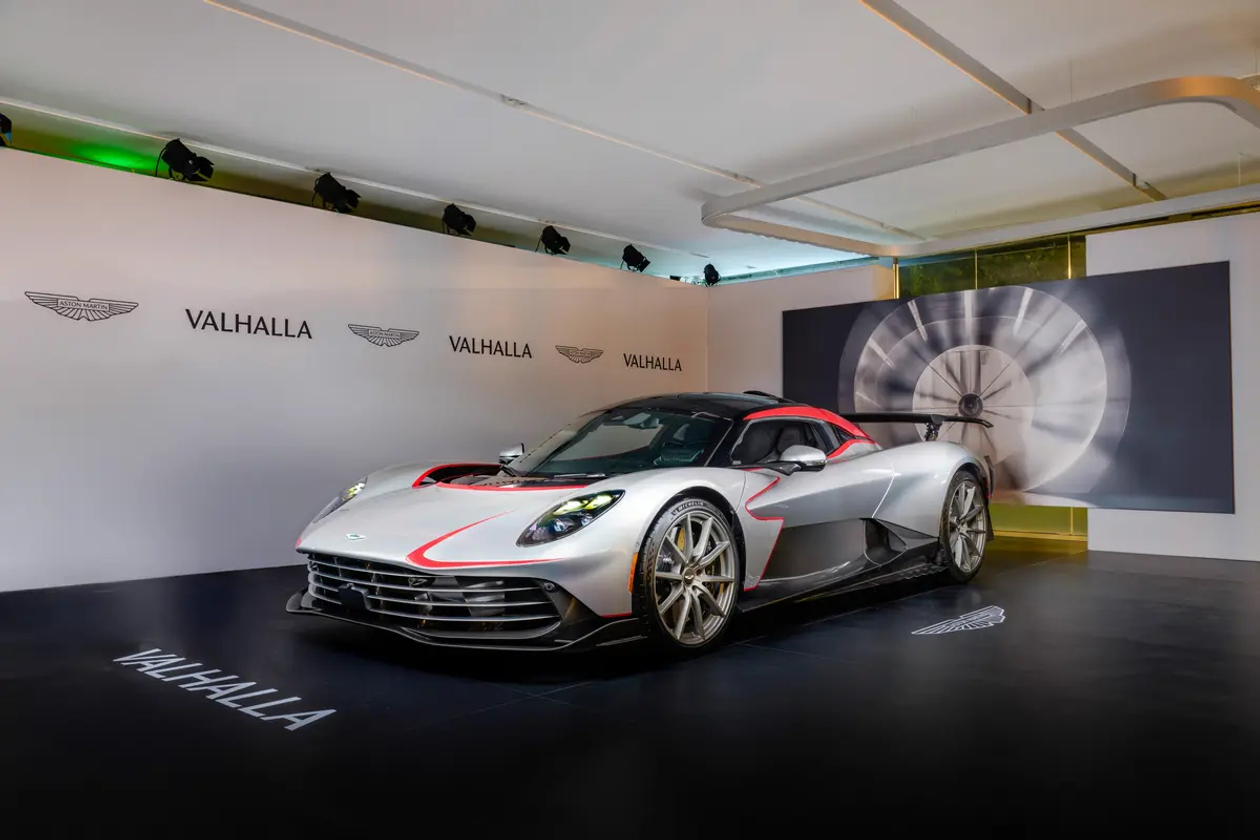
Aston Martin Valhalla
www.bitauto.hk
Oct. 24, 2026, 7:31 a.m.
The Aston Martin Valhalla represents a significant milestone for the British luxury automaker as its first series-production mid-engine plug-in hybrid supercar. Officially unveiled in November 2025 after six years of development from the AM-RB 003 concept, the Valhalla draws inspiration from Norse mythology and positions itself as the ultimate driver's supercar, leveraging Formula 1 technology in a production vehicle following the Valkyrie hypercar. Limited to just 999 units globally, the model debuted in China ahead of the 2025 Guangzhou Auto Show with pricing starting at RM10,688,000, targeting customer deliveries in Q2 2026. The vehicle features cutting-edge engineering including a carbon fibre construction, advanced active aerodynamic systems with no fixed rear wing, and forward-hinged dihedral doors. Its interior showcases extensive carbon fibre trim, F1-inspired steering wheel, and race-derived bucket seats reflecting Formula 1 ergonomics. The Valhalla's significance lies in democratizing hypercar technology for discerning enthusiasts while establishing Aston Martin's credentials in the high-performance hybrid supercar segment.
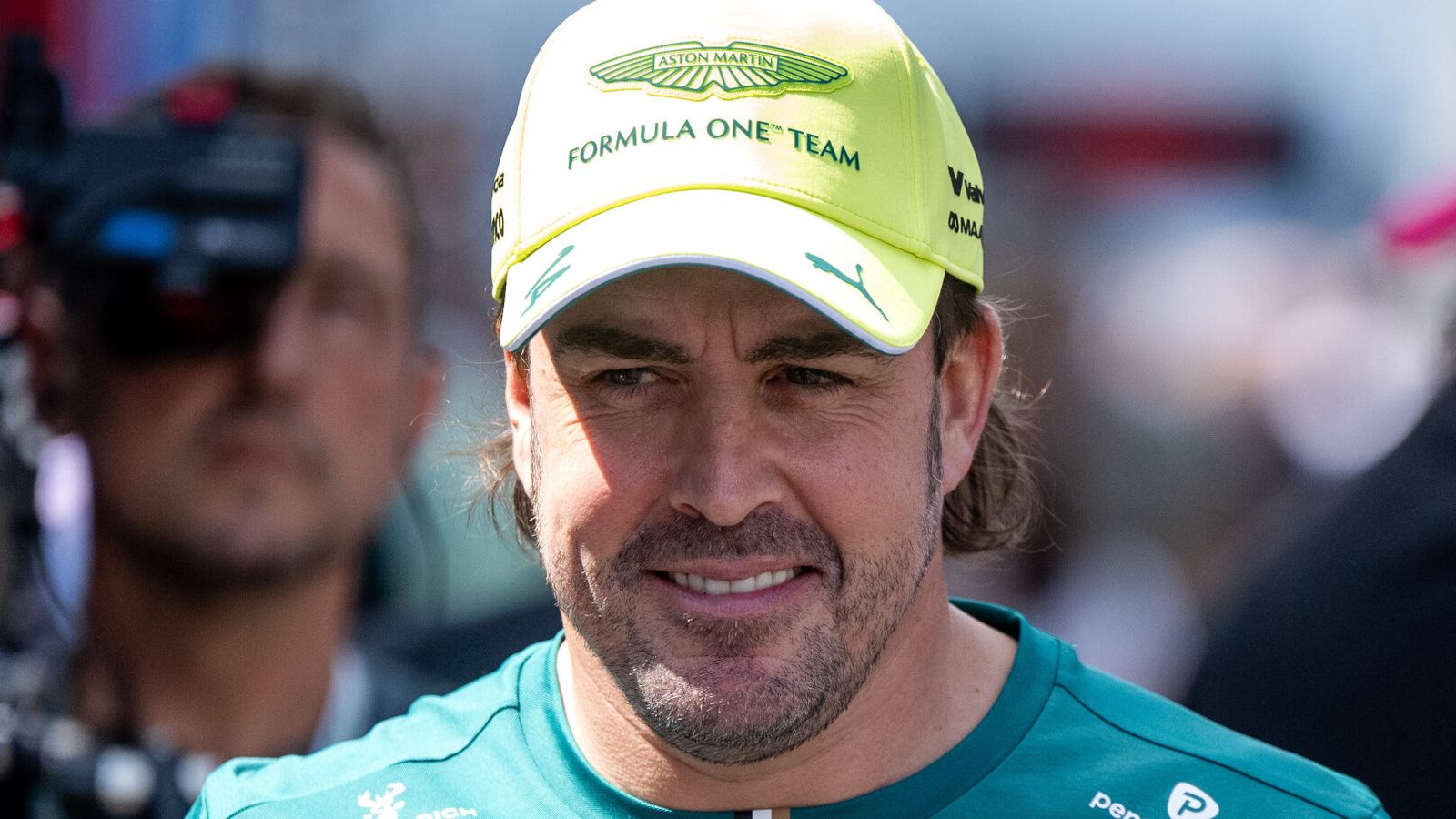
Fernando Alonso: Aston Martin confirm unchanged line-up for 2027 F1 season with Spaniard and Lance Stroll extending contracts | F1 News
www.skysports.com
Oct. 24, 2026, 7:31 a.m.
Fernando Alonso has extended his contract with Aston Martin through the 2027 Formula 1 season, confirming the team's unchanged driver line-up alongside Lance Stroll. The 45-year-old Spanish two-time world champion, who first raced in F1 in 2001 at age 19, will extend his record-breaking career into a 24th campaign. With 440 grand prix starts and 32 victories to his name, Alonso will turn 46 next July. Despite Aston Martin's challenging start to the 2026 season under new technical regulations as Honda's works engine partner with Adrian Newey-led car design—scoring just three points across 15 races—Alonso expressed confidence in his continued speed and commitment to the team's long-term success. The veteran driver, who joined Aston Martin from Alpine in 2023, emphasized his passion for racing and determination to help the team succeed, while remaining vocal about his criticisms of the sport's current engine regulations.
Share on
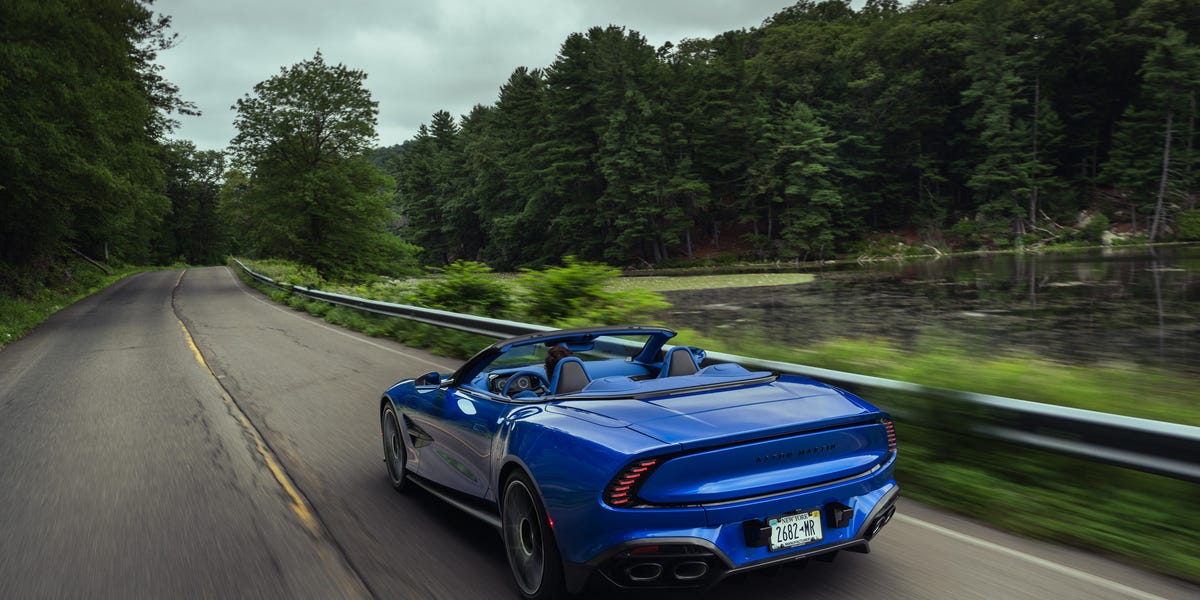
Aston Martin’s First EV Pushed Back to 2033 at the Earliest, as Brand Doubles Down on Combustion
www.caranddriver.com
Oct. 24, 2026, 7:30 a.m.
Aston Martin has announced its first electric vehicle will not launch until 2033 at the earliest, marking another significant delay in the luxury automaker's electrification strategy. CEO Adrian Hallmark attributed the postponement to rapidly changing legislation and subdued customer demand for premium electric vehicles. This represents the latest in a series of missed deadlines, following previous targets of 2025, 2027, and 2030. Hallmark confirmed the brand will prioritize internal-combustion engines and maintain V-8 and V-12 powertrains through 2035 to ensure regulatory compliance across different markets. He dismissed plug-in hybrid options due to weight concerns but remains open to increased hybridization. Aston Martin plans to leverage existing partnerships with Lucid, established in 2023 for EV technology access, and Mercedes-Benz for powertrain development. This strategy reflects broader industry challenges in balancing legacy combustion engine production with future electrification requirements amid uncertain regulatory landscapes.
Share on
GPS data exposes Aston Martin’s hidden F1 speed as Honda costs Alonso over two seconds
grandepremio.com
Oct. 24, 2026, 7:30 a.m.
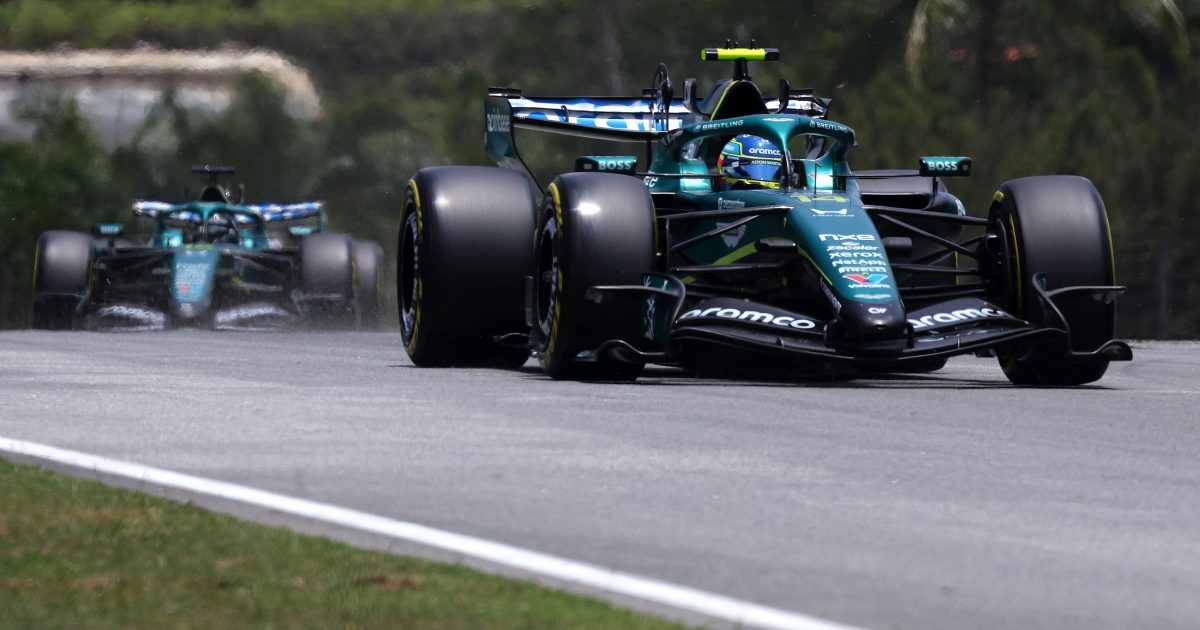
GPS analysis of Fernando Alonso's Aston Martin qualifying performances at Sepang and Singapore reveals that the AMR26 possesses considerably stronger cornering capabilities than overall results indicate. Mark Hughes's analysis for The Race compared the AMR26 against Max Verstappen's Red Bull by separating full-throttle and non-full-throttle lap sections, exposing a critical performance disparity. At Sepang, despite trailing Verstappen by 2.090 seconds overall, Alonso lost 2.238 seconds solely on straights, meaning the Aston Martin was approximately 0.148 seconds faster elsewhere. Singapore proved even more striking: Alonso's 2.850-second deficit masked a 3.220-second straight-line disadvantage, with the car being 0.370 seconds quicker through non-full-throttle portions. These findings suggest Adrian Newey's extensive aerodynamic modifications have substantially enhanced cornering performance, but the Honda partnership's first season is hampered by significant straight-line performance limitations. The analysis highlights a sharper contrast between Aston Martin's competitive cornering ability and powertrain weakness than final qualifying positions suggest, indicating the team's true potential remains masked by engine performance constraints.
Share on
Aston Martin's V12 Isn't Dying, Even As Rivals Go Electric
www.topspeed.com
Oct. 24, 2026, 7:30 a.m.
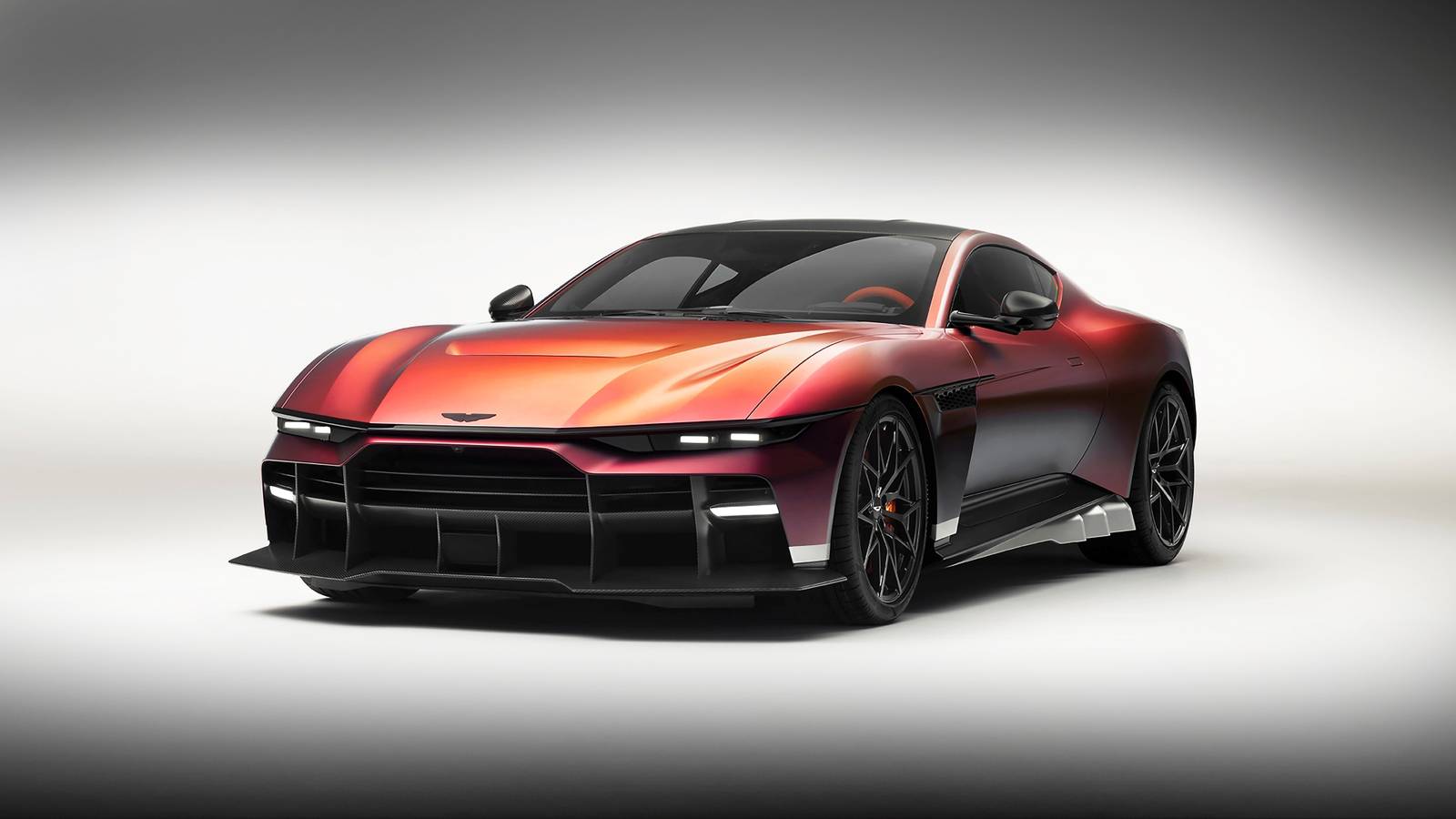
Aston Martin CEO Adrian Hallmark has committed to keeping the brand's V8 and V12 engines in production through at least 2035, according to statements made at the launch of the company's new Q London showroom in Mayfair. Simultaneously, Hallmark pushed back the timeline for Aston Martin's first electric vehicle to a window of 2033-2035, explicitly ruling out a 2031 launch date. This represents another significant delay—the original target was end of 2025, subsequently pushed to 2027, then 2030. Hallmark attributed the shifting EV timeline to evolving legislation and changing customer demand, positioning Aston Martin as "not BEV deniers but BEV delayers." He emphasized the company has a roadmap to maintain V8 and V12 compliance through 2035 and rejected plug-in hybrid technology, citing unnecessary weight penalties, though remaining open to conventional hybridization. This strategy contrasts sharply with rivals Lamborghini, Ferrari, and Porsche, which are aggressively pursuing electrification with binding timelines, signaling Aston Martin's distinct approach to the automotive industry's transition.
Share on
Alonso data exposes the true scale of Aston Martin’s Honda problem
www.planetf1.com
Oct. 17, 2026, 7:22 a.m.
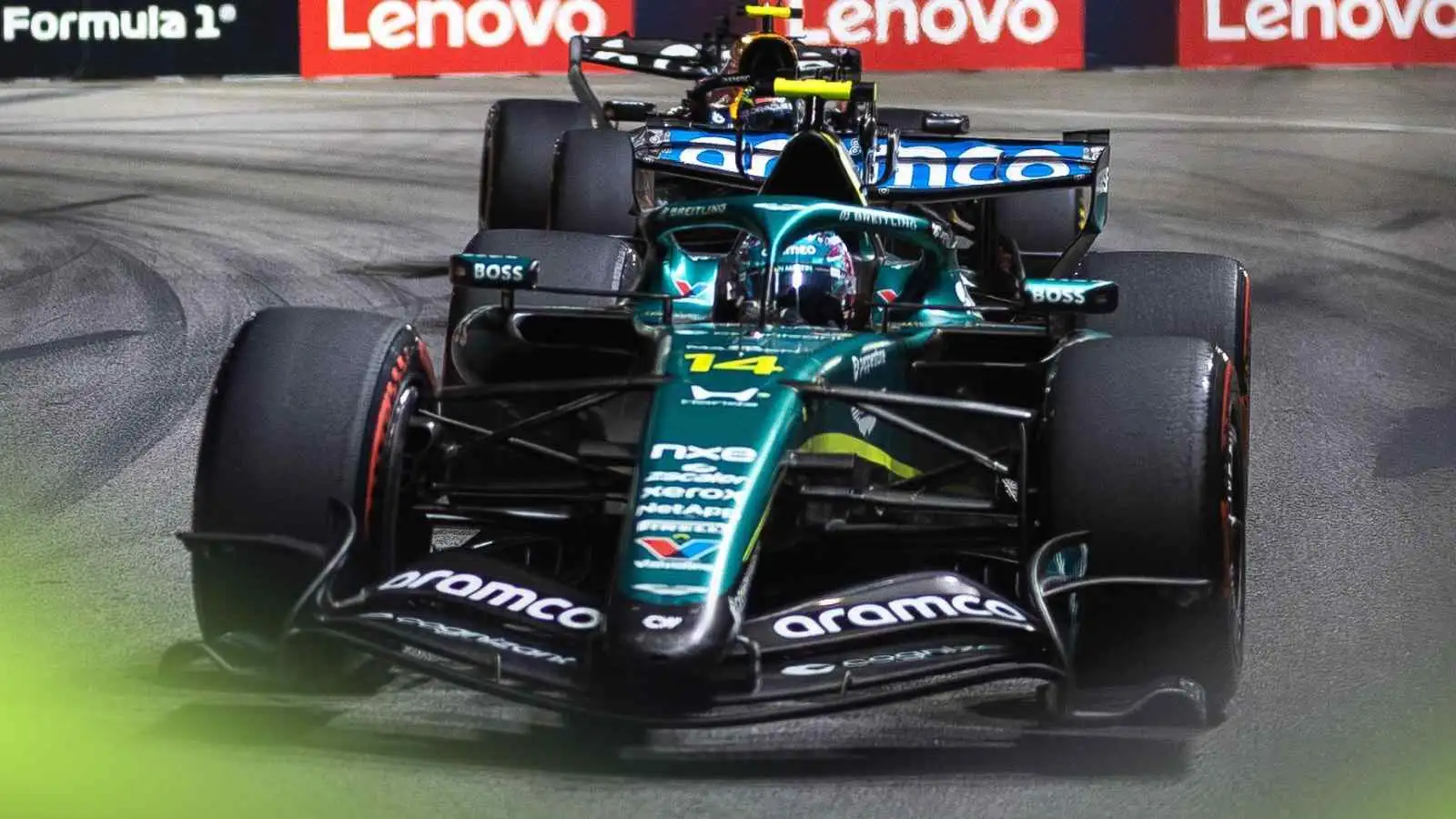
Fernando Alonso's complaints about Aston Martin's Honda power unit have been validated by detailed telemetry analysis from the Singapore Grand Prix. Despite the Marina Bay Circuit's layout—featuring minimal long straights and predominantly slow corners—which theoretically should have masked engine deficiencies, data reveals a severe performance gap. Comparing Alonso's telemetry against Alexander Albon's Williams-Mercedes, the straight-line speed deficit is dramatic across all full-throttle sections, with Alonso losing approximately 0.16 seconds between Turns 5 and 7 alone. This disadvantage forces compromises in braking points and corner entry speeds, such as at Turn 16. Race pace analysis comparing Alonso and Ferrari's Carlos Sainz shows similar lap times despite the massive top speed differential, exposing the power unit's fundamental weakness. The speed deficit creates a compounding problem: reduced straight-line velocity means less energy harvesting under braking, leaving Alonso with depleted battery charge entering subsequent straights. This cascading disadvantage demonstrates how Aston Martin's engine limitations systematically impact performance across multiple phases of each lap.
Share on
Aston Martin EV Release Date Pushed Back to 2033
hypebeast.com
Oct. 17, 2026, 7:22 a.m.
Aston Martin has significantly delayed its entry into the electric vehicle market, pushing its first fully electric model launch to a 2033-2035 window, abandoning the previous 2030 target. CEO Adrian Hallmark cited rapidly evolving emissions legislation and insufficient consumer demand for high-end EVs as primary drivers for the postponement, marking the third major delay for the project originally scheduled for 2025. The British automaker will prioritize its internal combustion lineup, maintaining V-8 and V-12 engines in compliance through at least 2035. Hallmark rejected plug-in hybrids due to their weight penalty on performance but remains open to traditional hybrid models. This decision reflects broader industry challenges as premium automakers navigate softening EV demand and shifting regulatory requirements. Aston Martin will leverage its 2023 partnership with Lucid Motors to accelerate its eventual electric vehicle development, allowing the company to preserve its combustion-engine heritage while securing time for a more strategic technological transition aligned with customer preferences and regulatory timelines.
Share on
Fernando Alonso debunks Aston Martin 2026 Honda ERS myths
formulakite.org
Oct. 17, 2026, 7:22 a.m.
Fernando Alonso qualified 22nd at Zandvoort, attributing his poor performance to Honda's V6 power unit rather than the AMR26 chassis design. The engine delivered driveability issues during braking, over-delivering power while the SLM mode failed to function, preventing rear wing deployment. Lance Stroll finished 19th facing similar challenges. While critics point to aggressive aerodynamic philosophy, tight packaging, and weight concerns with Adrian Newey's design, Alonso maintains the chassis remains the car's strongest component, with engine behavior as the primary culprit. Pre-season testing was severely hampered by reliability issues, with Aston Martin completing only 394 laps across all three test sessions—the lowest among competitors. Alonso's session ended after just 68 laps due to power unit failure, while Stroll faced gearbox problems limiting him to 26 and 28 laps on his first test day. These reliability struggles prevented the team from completing standard setup refinement and testing protocols. Chief trackside officer Mike Krack acknowledged the team remains disadvantaged heading into the season, requiring urgent resolution of power unit reliability to advance performance development.
Share on
Aston Martin’s First EV Is Still Years Away as It Doubles Down on V8 and V12 Power
finance.yahoo.com
Oct. 17, 2026, 7:22 a.m.
Aston Martin is deliberately postponing its entry into the battery-electric vehicle market, with CEO Adrian Hallmark confirming the company's first all-electric car will not arrive before 2033 at the earliest, potentially extending to 2035. The luxury automaker has rebranded itself as a "delayer" of BEVs, prioritizing its V8 and V12 combustion engines through 2035, supplemented by mild hybridization rather than plug-in hybrids to avoid the weight penalties of the latter technology. This strategy reflects regulatory requirements, as BEVs will only be legally necessary in certain markets just before 2035. Aston Martin's approach emphasizes partnerships over substantial near-term EV investment, including technology access agreements with Lucid and deepened collaboration with Mercedes-Benz on electric powertrains and electronics. Current EV spending remains minimal, comprising only research and development below single-digit millions. This measured approach allows Aston Martin to maintain its heritage combustion engines while strategically positioning itself for future electrification through external partnerships rather than independent development.
Share on
"Difficult to stop the car" - Honda's new engine comes with fresh but expected driveability issues
www.motorsport.com
Oct. 9, 2026, 9:50 a.m.
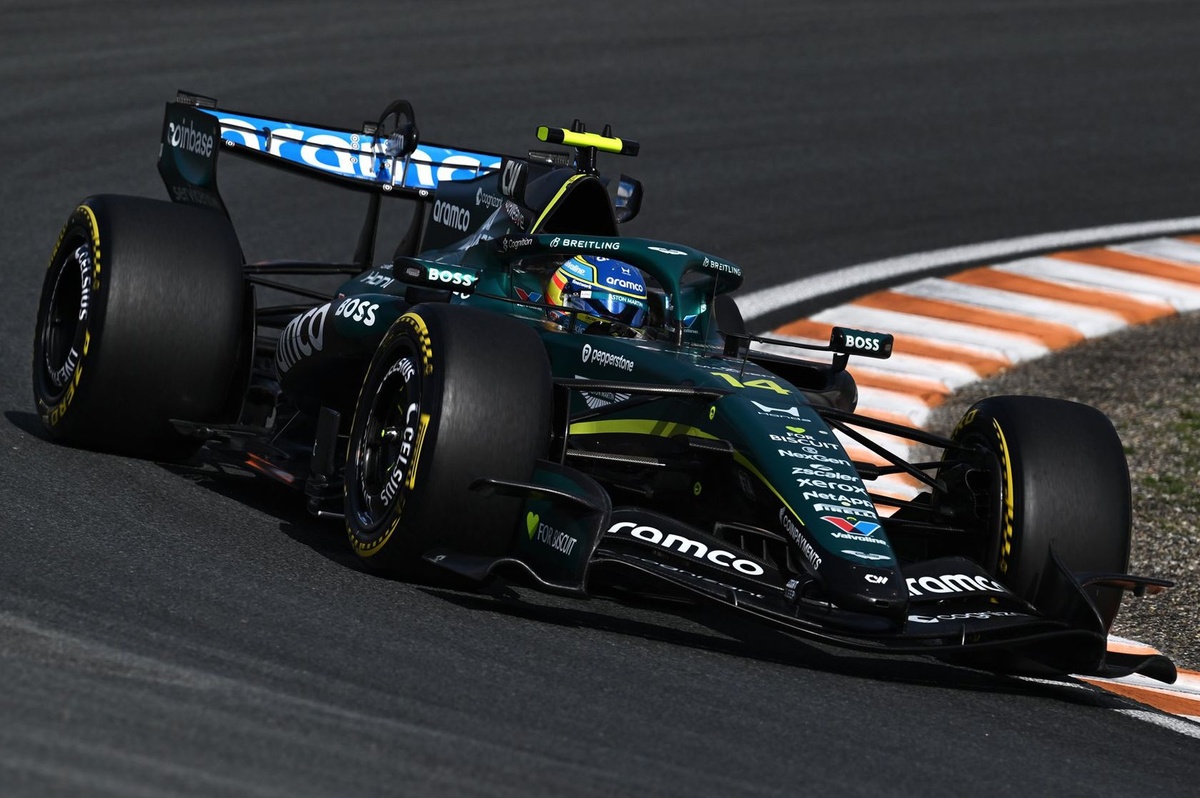
Aston Martin's Formula 1 drivers Fernando Alonso and Lance Stroll encountered significant driveability issues with Honda's upgraded V6 power unit during sprint qualifying at Zandvoort, the site chosen for Honda's sole in-season engine upgrade this season. The second specification engine, which underwent initial testing during a filming day after the Hungarian Grand Prix, caused excessive vibrations and over-delivery during braking, making vehicle control challenging. Alonso went off track at Turn 1 and qualified last, three seconds off the pace, while Stroll finished nineteenth. Both drivers also experienced problems with the SLM mode, which controls rear wing drag settings on 2026 cars. Despite these setbacks, Honda's project leader Shintaro Orihara acknowledged that the new power unit necessitates reworking much of the driveability optimization achieved earlier in the season. This represents a temporary regression for Aston Martin following a substantial performance improvement from its Hungary upgrade that had positioned the team competitively in the midfield, underscoring the trade-offs inherent in deploying significant engine specification changes mid-season.
Share on
Honda reshuffles F1 engine team after difficult Aston Martin start
caliber.az
Oct. 9, 2026, 9:50 a.m.
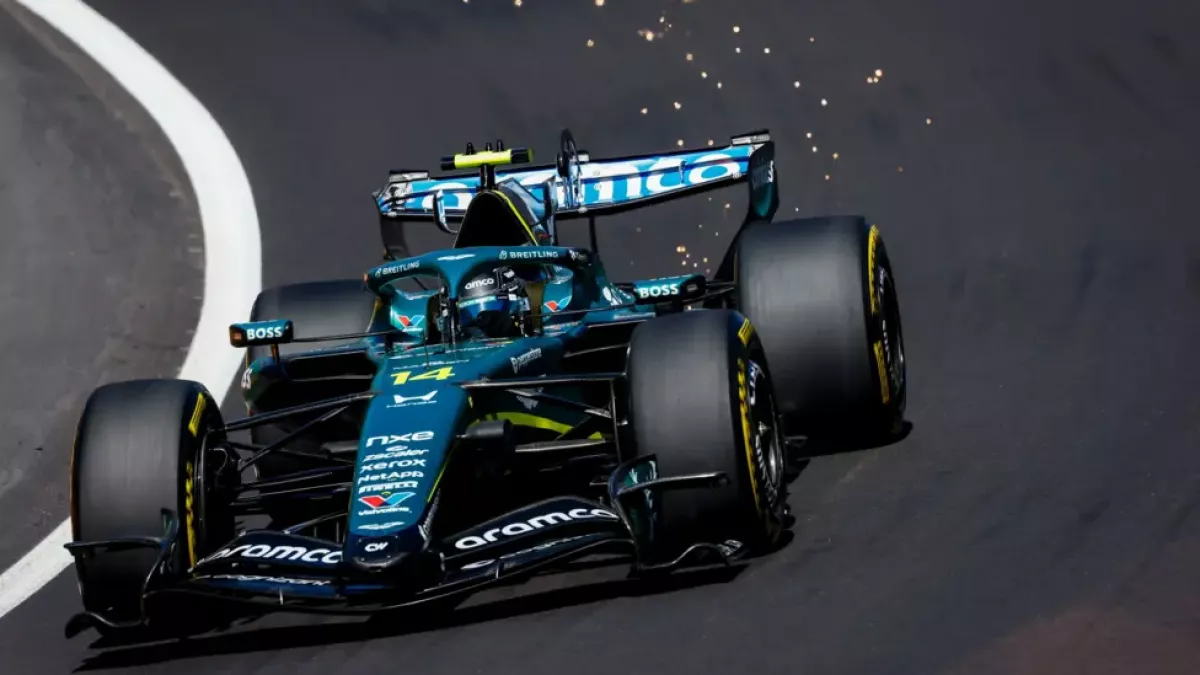
Honda has restructured its Formula 1 engine programme leadership following disappointing early performance in its new partnership with Aston Martin for the 2026 season. Yoichiro Fukao has been appointed Large Project Leader, replacing Tetsushi Kakuda, in what Honda described as a planned transition to transfer technical expertise to younger engineers. The change comes as Aston Martin currently sits tenth of eleven teams in the constructors' championship, with Fernando Alonso's ninth-place finish at the Dutch Grand Prix representing the team's best result. Honda's power unit is reportedly costing Aston Martin at least one second per lap due to weaknesses in internal combustion engine performance and electrical system efficiency. The 2026 regulations introduced significantly tighter integration between combustion and electrical power sources, making energy recovery and deployment critical. Honda delivered its first engine upgrade at the Dutch Grand Prix, though improvements fell short of Aston Martin's expectations. The restructuring aims to better prepare Honda for further regulatory changes expected in 2027 as the partnership works to recover from its challenging start.
Share on
Aston Martin EV now delayed until at least 2033
evpowered.co.uk
Oct. 9, 2026, 9:50 a.m.
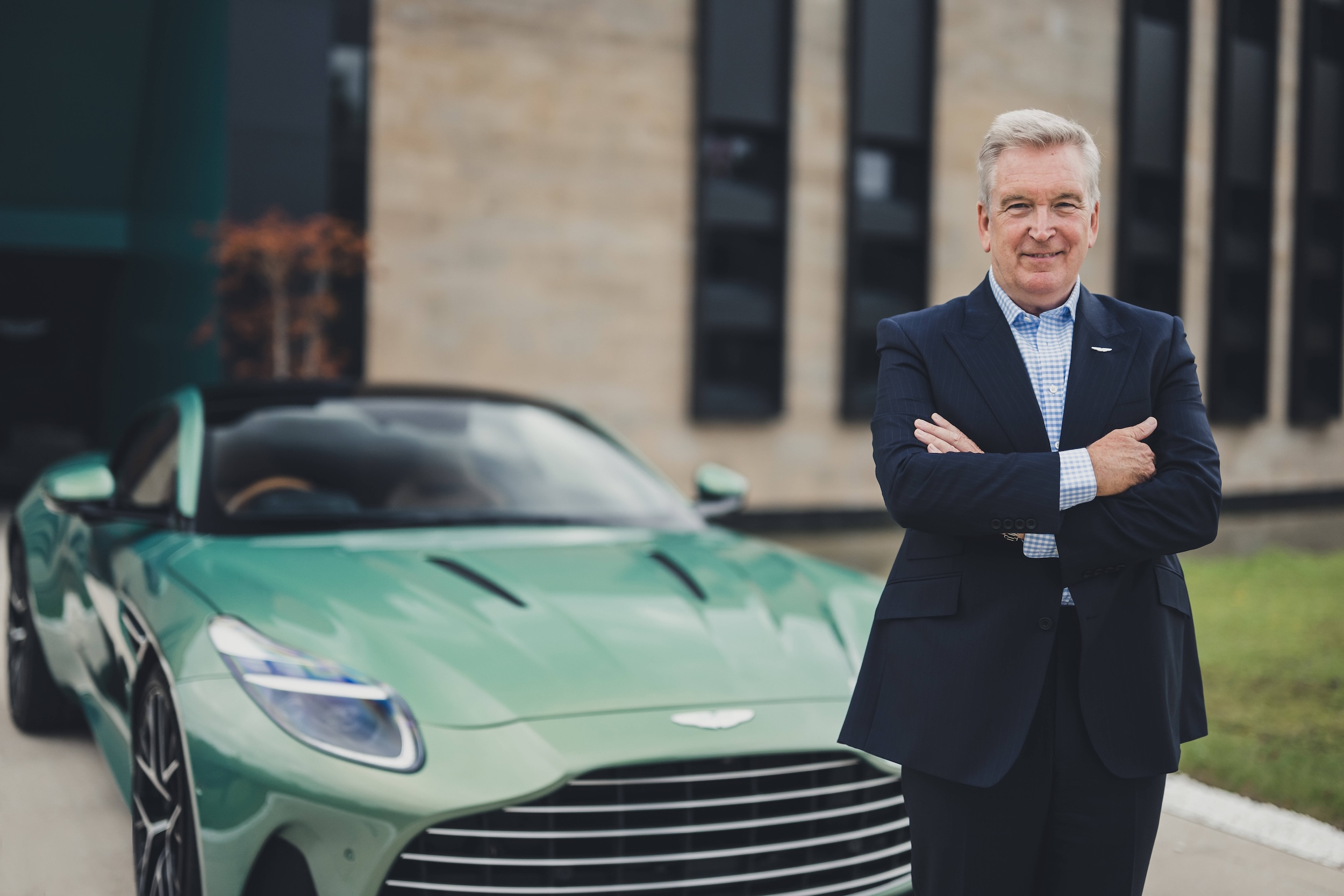
Aston Martin has announced another significant delay to its electric vehicle launch, now pushed back until at least 2033—marking the third postponement of its EV ambitions. CEO Adrian Hallmark, who joined the British luxury automaker from Bentley in September 2024, stated that the company is adopting an "EV delayer" strategy, citing rapidly evolving customer demand and inconsistent legislation as primary reasons for the extended timeline. The Gaydon-based manufacturer will continue producing V8 and V12 engines until at least 2033, focusing on a market-by-market approach to electrification rather than committing to a fixed launch date. Hallmark explained that Aston Martin only requires a fully electric model to meet legislative compliance in specific regions, noting that UK and EU regulations mandate zero-emissions vehicles from 2035 onward. The delay may also impact the company's £182 million partnership with Lucid Motors, signed in June 2023 to access the US manufacturer's EV technology. Hallmark indicated that by postponing the deal's activation, Aston Martin will benefit from significantly advanced technology compared to the original contract specifications. Meanwhile, the company plans to develop a new model range including hybrids between 2030 and 2035.
Share on
F1 News: Aston Martin to unleash one last upgrade that will 'dramatically improve' lap times
www.gpfans.com
Oct. 9, 2026, 9:50 a.m.
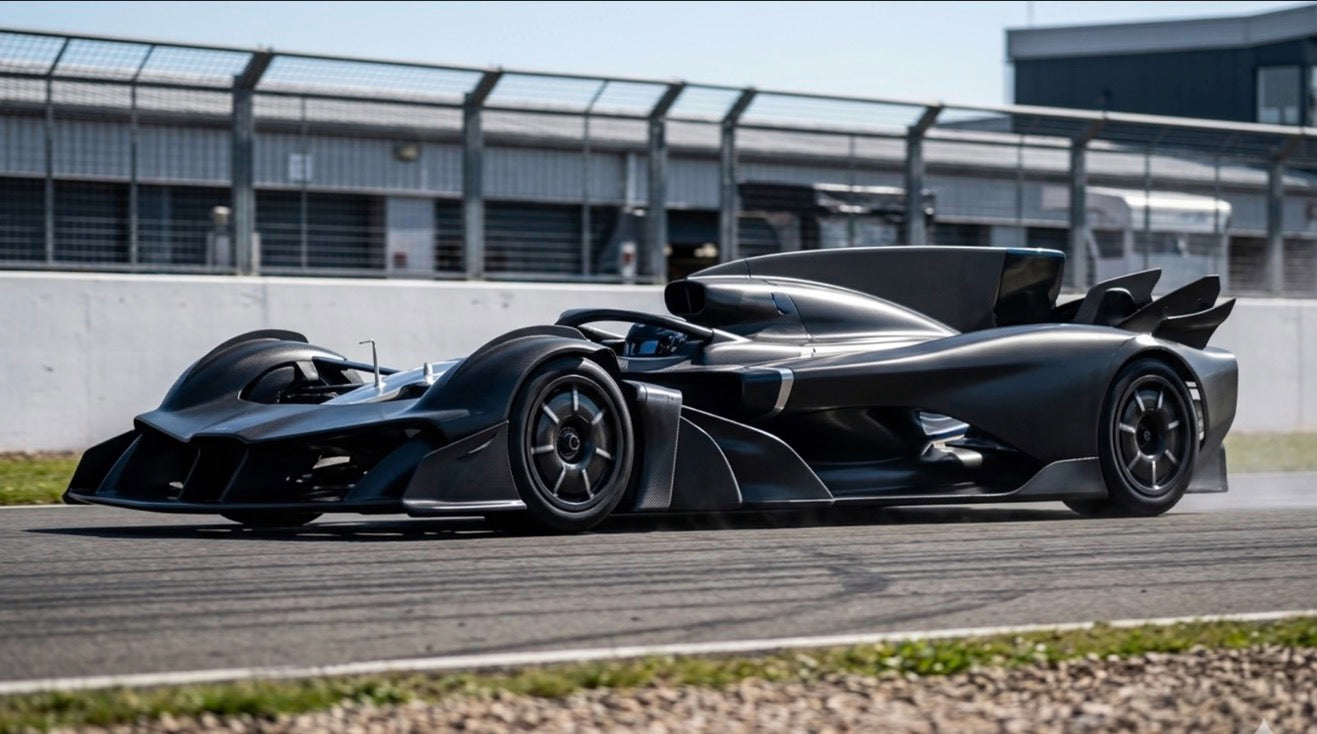
Aston Martin is preparing to introduce the final upgrade package for their 2026 Formula 1 car at this weekend's Azerbaijan Grand Prix, with chief technical officer Enrico Cardile projecting the changes will "dramatically improve" lap times. The team has endured a disappointing season, currently sitting second from last in the constructors' standings with only three points scored by drivers Fernando Alonso and Lance Stroll across the opening fourteen races. The upgrade focuses on weight reduction rather than aerodynamic improvements, as Aston Martin has completed its planned aero developments following tweaks to the front wing and floor at the Dutch Grand Prix. Cardile described the weight-saving programme as a "major achievement," comprising a mix of individual component changes and fundamental engineering rethinks, including potential chassis modifications. Following implementation at Baku, this will essentially represent the final specification of the AMR26 for the remainder of the season. These upgrades come after the Adrian Newey-led team struggled with both power unit and aerodynamic challenges throughout 2024.
Share on
A Detailed Dive into Aston Martin Valhalla
www.hwmastonmartin.co.uk
Oct. 9, 2026, 9:49 a.m.
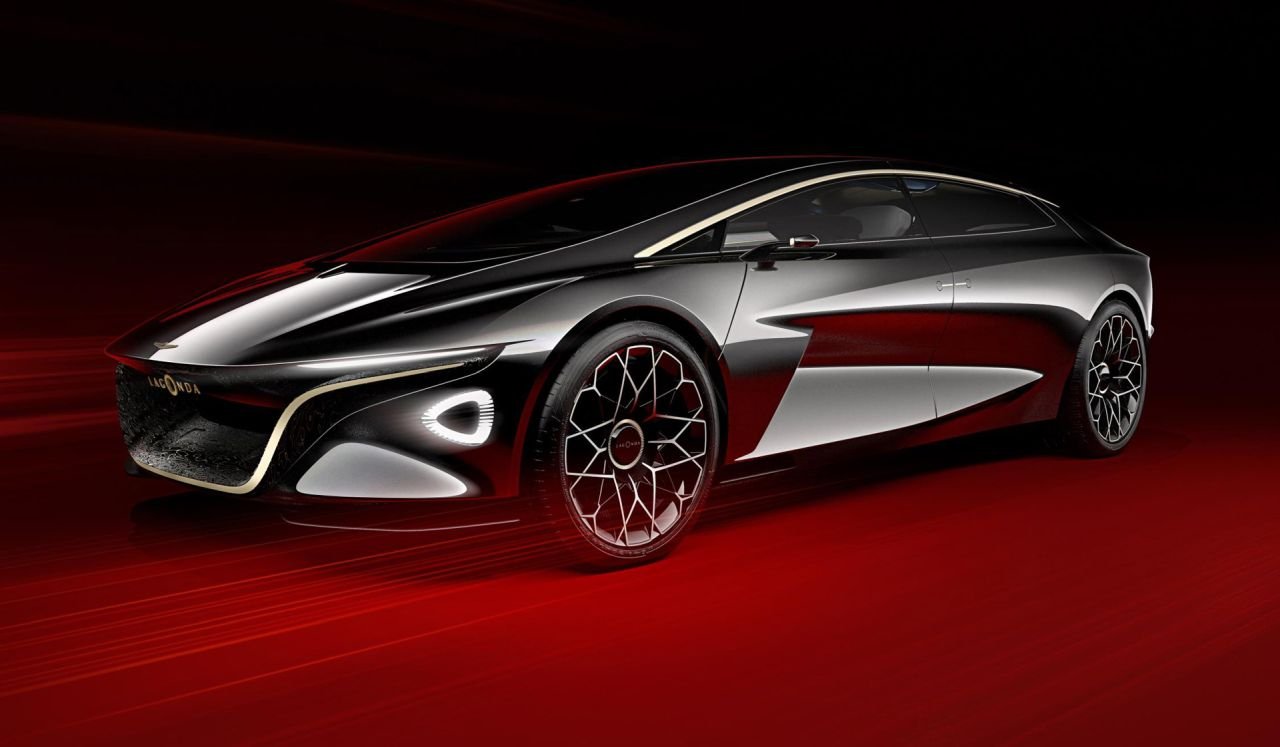
Aston Martin has unveiled the Valhalla, its most significant vehicle in over a decade and a landmark entry into the mid-engined supercar segment. Limited to 999 production units worldwide, the Valhalla marks Aston Martin's first series-production mid-engined supercar and inaugural plug-in hybrid performance model, representing a convergence of Formula One technology, hypercar innovation, and ultra-luxury engineering. The vehicle's development benefited from collaboration with Aston Martin's F1 team at Silverstone, which leveraged track experience to optimize performance, while drawing extensively from lessons learned during Valkyrie hypercar development. The Valhalla introduces unprecedented technologies never before featured on a series-production Aston Martin, combining breathtaking performance with genuine usability through engineering optimized equally for road and track use. At its core sits the most sophisticated powertrain ever integrated into an Aston Martin road vehicle. By transcending traditional supercar limitations through driver engagement-focused design, the Valhalla redefines expectations of what the storied British marque can deliver, positioning itself not merely as a competitor but as a redefinition of supercar and hypercar performance standards.
Share on
The key area Honda still needs to improve with its new F1 engine
sports.yahoo.com
Oct. 3, 2026, 7:23 a.m.
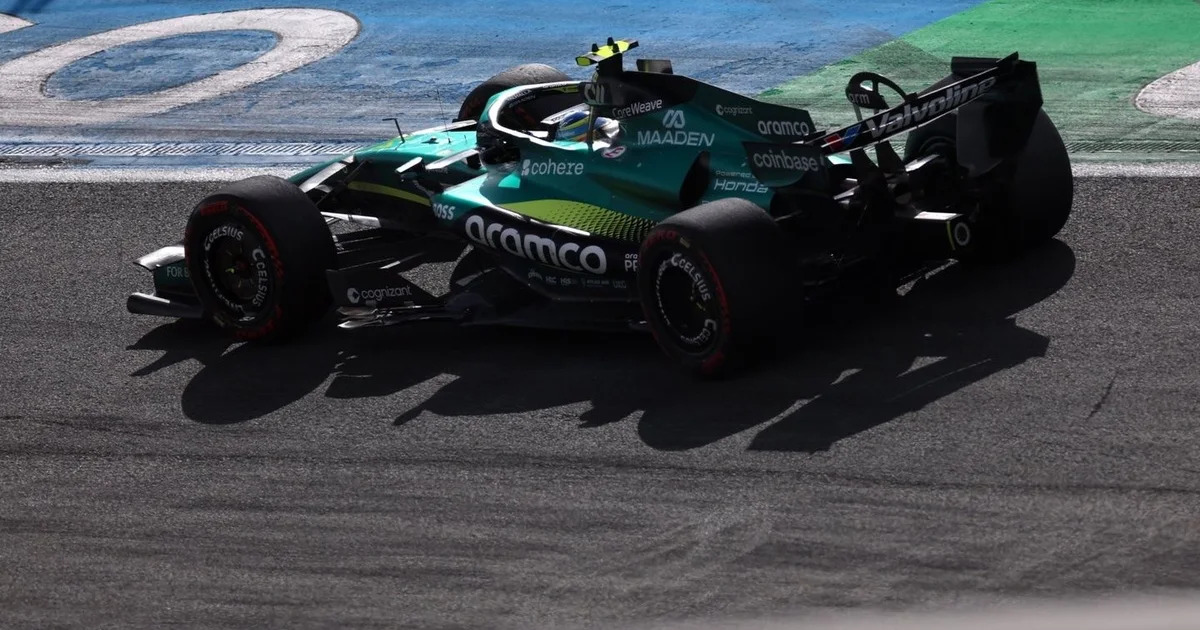
Honda has introduced its first power unit upgrade of the 2024 Formula 1 season at Zandvoort, focusing entirely on internal combustion engine improvements through its new ADUO specification. Chief engineer Shintaro Orihara confirmed that performance gains align with expectations and dyno testing validated real-world improvements. However, the Dutch Grand Prix revealed significant driveability challenges—the subjective feel and consistency of power delivery throughout the lap fell short of driver satisfaction. While Honda updated combustion characteristics and data settings to address these issues, the solution proved insufficient. Recognizing driveability as a critical improvement area, Honda conducted extensive dyno testing and development work at HRC Sakura over ten days following Zandvoort, refining control systems to enhance power unit feel. This demonstrates that despite technical performance gains, Honda must resolve driveability complexity before its drivers can fully exploit the upgraded engine's potential, making Monza the crucial venue to validate new countermeasures in competition.
Share on