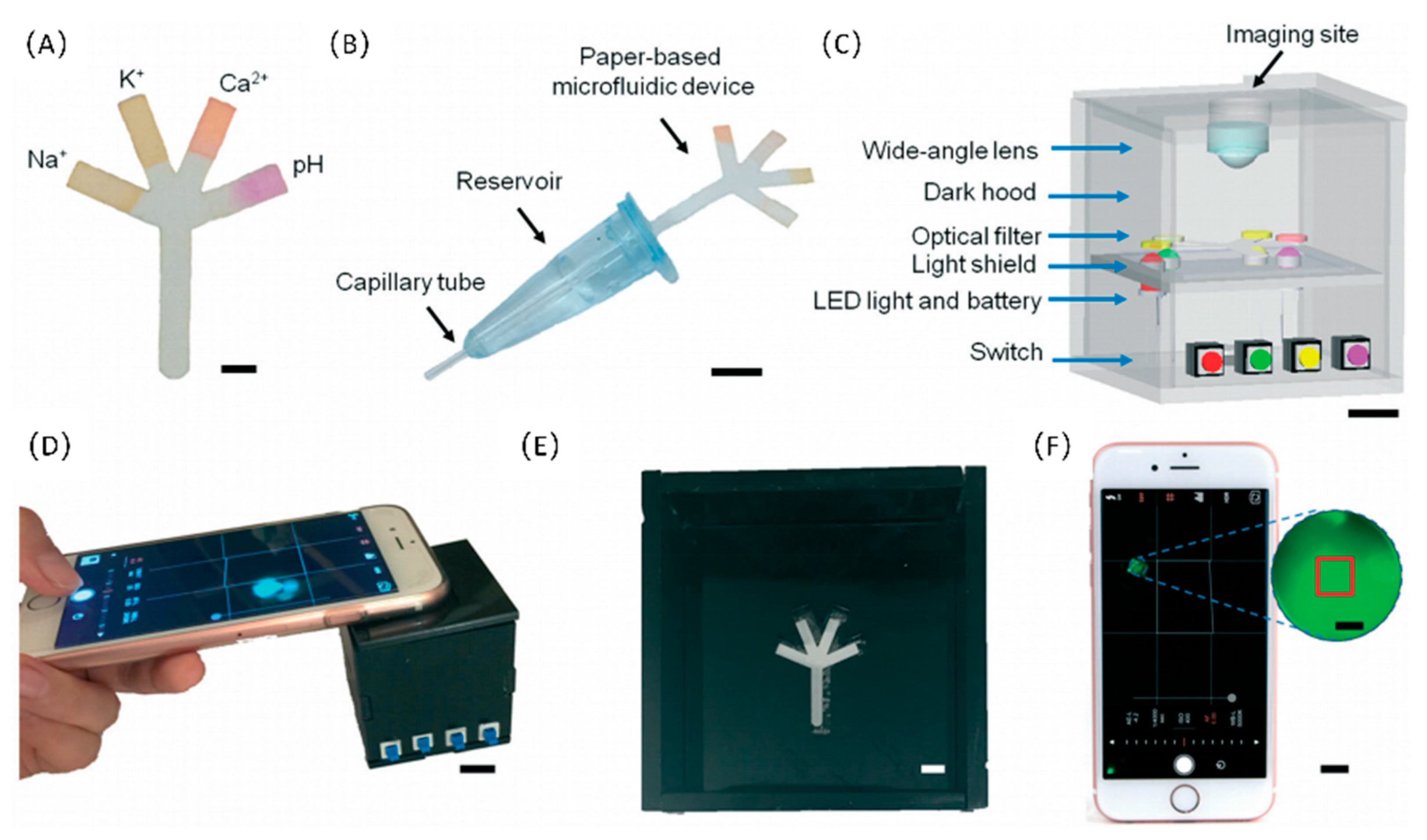
MALDI-TOF MS Pretreatment for Gram-Positive Bacteria in Routine Clinical Laboratories: Does Formic Acid Really Improve Identification? - Osmangazi Tıp Dergisi
dergipark.org.tr
Sept. 19, 2026, 7:30 a.m.
This study evaluated the impact of on-plate formic acid pretreatment on MALDI-TOF MS identification accuracy for Gram-positive bacteria in routine clinical microbiology laboratories. Researchers analyzed 148 unique Gram-positive clinical isolates using two preparation methods: direct transfer and on-plate formic acid pretreatment. Results demonstrated that formic acid pretreatment significantly improved species-level identification rates from 27.1% to 76.2%, with overall identification rates increasing from 79.7% to 99.3% compared to direct transfer. Mean MALDI-TOF MS log scores were substantially higher with formic acid treatment, and the most prominent improvements were observed in Staphylococcus species, particularly coagulase-negative staphylococci. The authors recommend implementing a pragmatic diagnostic algorithm where formic acid pretreatment is applied reflexively to isolates with scores below 2.0 and as a primary method for staphylococci and uncommon Gram-positive organisms, thereby enhancing diagnostic accuracy and reliability in routine MALDI-TOF MS applications.
Share on
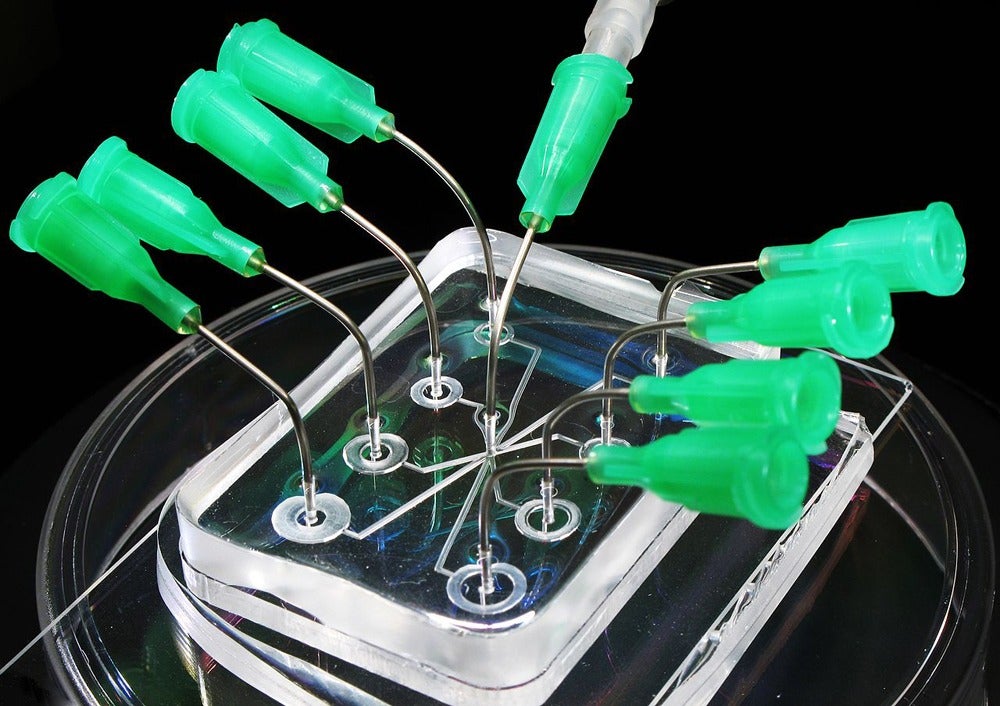
[PDF] Nanomaterials-enabled point-of-care diagnostics for pathogens
www.frontiersin.org
Sept. 19, 2026, 7:30 a.m.
Nanomaterials are revolutionizing point-of-care testing (POCT) for pathogen detection by enabling rapid, accurate diagnostics outside traditional laboratory settings. This comprehensive review by Wu, Wang, Ye, He, and Jiang examines how nanotechnology enhances biosensor performance for infectious disease identification. The article explores the integration of nanomaterials—including nanoparticles, nanofibers, and nanostructures—into diagnostic platforms that leverage signal amplification mechanisms to improve sensitivity and specificity. Key applications include immunosensors and DNA-based detection systems designed for rapid pathogen identification. The significance of nanomaterial-enabled POCT lies in its potential to democratize diagnostics, providing fast, cost-effective testing in resource-limited settings, emergency departments, and field environments. By eliminating the need for sophisticated laboratory infrastructure, these technologies address critical gaps in infectious disease surveillance and outbreak response, particularly important in contexts where timely diagnosis directly impacts treatment outcomes and disease containment.
Share on
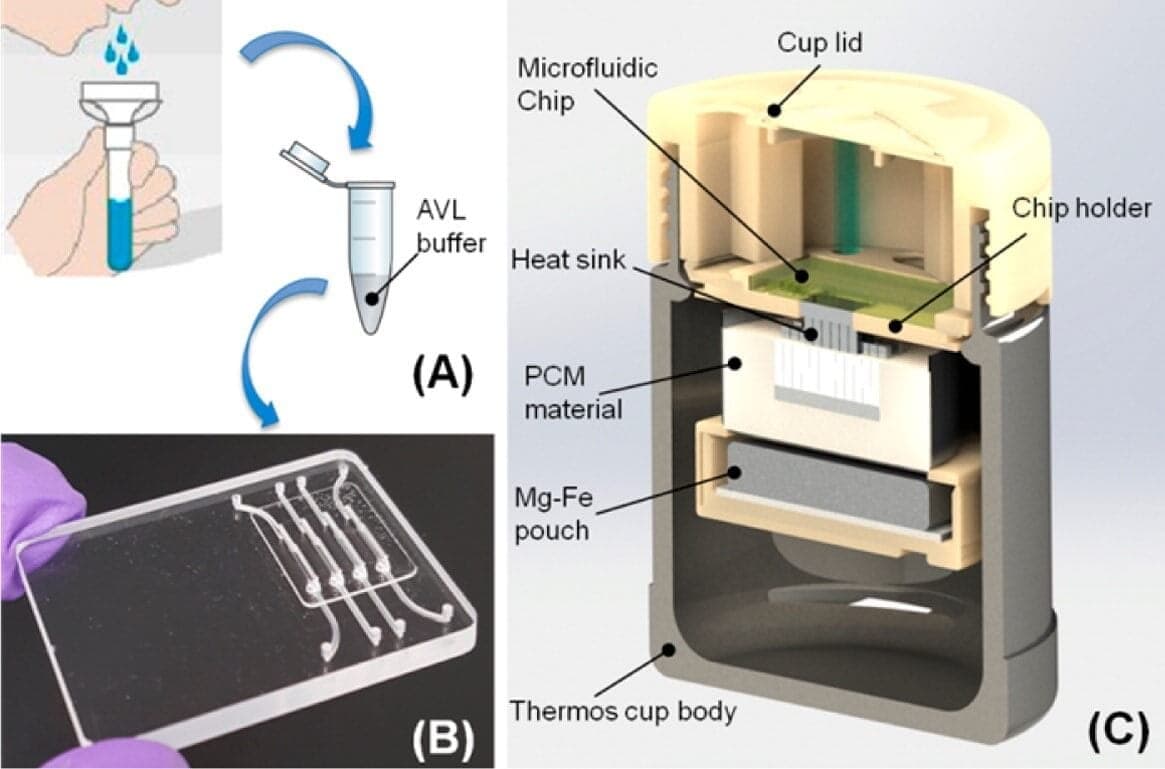
[PDF] Cas systems for infectious disease and cancer biomarker detection
ctppc.org
Sept. 19, 2026, 7:29 a.m.
# Professional Summary
CRISPR-Cas systems have emerged as powerful tools for detecting infectious diseases and cancer biomarkers, offering significant advances in diagnostic technology. This research explores the application of Cas-based detection platforms that leverage the specificity and sensitivity of CRISPR molecular machinery for identifying pathogenic organisms and disease-associated markers. The techniques described utilize modified Cas enzymes and guide RNAs to achieve rapid, accurate detection of target nucleic acids or proteins at clinically relevant concentrations. Key findings demonstrate that Cas-based systems can detect multiple disease markers simultaneously while maintaining high specificity and reducing false positives compared to conventional diagnostic methods. The approach offers potential advantages including shortened turnaround times, reduced need for complex laboratory infrastructure, and compatibility with point-of-care testing environments. These developments matter significantly for global health, as they could enable faster diagnosis of infectious diseases and early cancer detection in resource-limited settings, ultimately improving patient outcomes and supporting public health surveillance efforts while reducing diagnostic costs and complexity.
Share on

Frontiers | Diagnostic-Guided Antimicrobial Stewardship: From Pathogen and Host Biology to Clinical Decision-Making
www.frontiersin.org
Sept. 19, 2026, 7:29 a.m.
Infectious disease management is increasingly embracing precision medicine approaches where therapeutic decisions depend on diagnostic insights into pathogen characteristics, host immune responses, and drug mechanisms. Diagnostics have become central to this paradigm shift, enabling clinicians to identify resistance determinants and virulence factors rather than relying on empirical treatment protocols. This diagnostic-guided stewardship is particularly critical for combating antimicrobial resistance, offering one of the most effective strategies to preserve existing drug efficacy while novel therapeutics are developed. However, realizing this potential requires integrating two often-disconnected evidence bases: the microbiological and immunological foundations of diagnostic tests, including which resistance mechanisms and host biomarkers they detect and their reliability in predicting treatment outcomes, alongside clinical performance data demonstrating whether these assays actually improve prescribing practices and patient outcomes in real-world settings. The COVID-19 pandemic and ongoing antimicrobial resistance challenges have underscored how diagnostic capability becomes the rate-limiting step in infectious disease response. This research initiative brings together microbiologists, immunologists, clinicians, and diagnostics experts to establish comprehensive evidence linking pathogen and host biology to diagnostic-guided antimicrobial decision-making, encompassing pathogen markers, resistance detection methods, host-response biomarkers, analytical validation, and rapid point-of-care diagnostics implementation across diverse healthcare settings.
Share on
Isolation of bacteriophage and ESBL-producing Escherichia coli from downstream water samples and examination of phage lytic activity against ESBL-producing E. coli
polscientific.com
Sept. 12, 2026, 7:37 a.m.
Extended-spectrum beta-lactamase (ESBL)-producing Escherichia coli represents a critical global healthcare challenge, causing over 1.27 million annual deaths through antimicrobial resistance to beta-lactam antibiotics including penicillins, cephalosporins, and monobactams. The World Health Organization has designated E. coli as a critical priority pathogen alongside Pseudomonas aeruginosa and Klebsiella pneumoniae, recognizing its role in severe infections such as bloodstream infections, meningitis, and urinary tract infections, which account for over 404.64 million annual cases worldwide. E. coli strains are classified into four phylogenetic groups (A, B1, B2, and D), with groups B2 and D demonstrating pathogenic potential. Resistance genes spread via mobile genetic elements, enabling rapid horizontal gene transfer and cross-resistance to fluoroquinolones, aminoglycosides, and tetracyclines. ESBL-producing strains persist in significant reservoirs including hospital settings, water bodies, food supplies, and agricultural products, contaminating downstream water sources through hospital, industrial, and residential waste. This research addresses bacteriophage isolation as a potential therapeutic approach to combat these resistant pathogens, offering innovative alternatives to conventional antibiotic treatments in an era of escalating antimicrobial resistance.
Share on

Digital PCR in wastewater testing
www.qiagen.com
Sept. 12, 2026, 7:37 a.m.
Digital PCR (dPCR) represents a highly accurate molecular technique for wastewater surveillance, enabling precise absolute quantification of rare microbial material without requiring standard curves. QIAGEN highlights dPCR's capability to detect diverse pathogens including bacteria, parasites, viruses such as SARS-CoV-2, Influenza A and B, Respiratory syncytial virus, and Norovirus, as well as antimicrobial resistance markers. The technology's sensitivity and specificity make it particularly valuable for epidemiological outbreak prediction and establishing early warning systems for public health threats. Recent comparative analyses demonstrate dPCR's superior sensitivity for detecting pathogens like Japanese encephalitis virus in piggery wastewater and assessing RNA integrity of SARS-CoV-2 in raw sewage. Additionally, dPCR supports practical approaches to monitoring antimicrobial resistance genes and organisms at healthcare facilities. This advancement matters significantly because wastewater-based surveillance offers non-invasive population-level disease monitoring, enabling health authorities to detect emerging pathogens and resistance threats before clinical manifestations occur, thereby strengthening preventative public health interventions and disease surveillance infrastructure.
Share on
[PDF] Development of an ERA-CRISPR/Cas12a-based visual diagnostic
www.frontiersin.org
Sept. 12, 2026, 7:36 a.m.
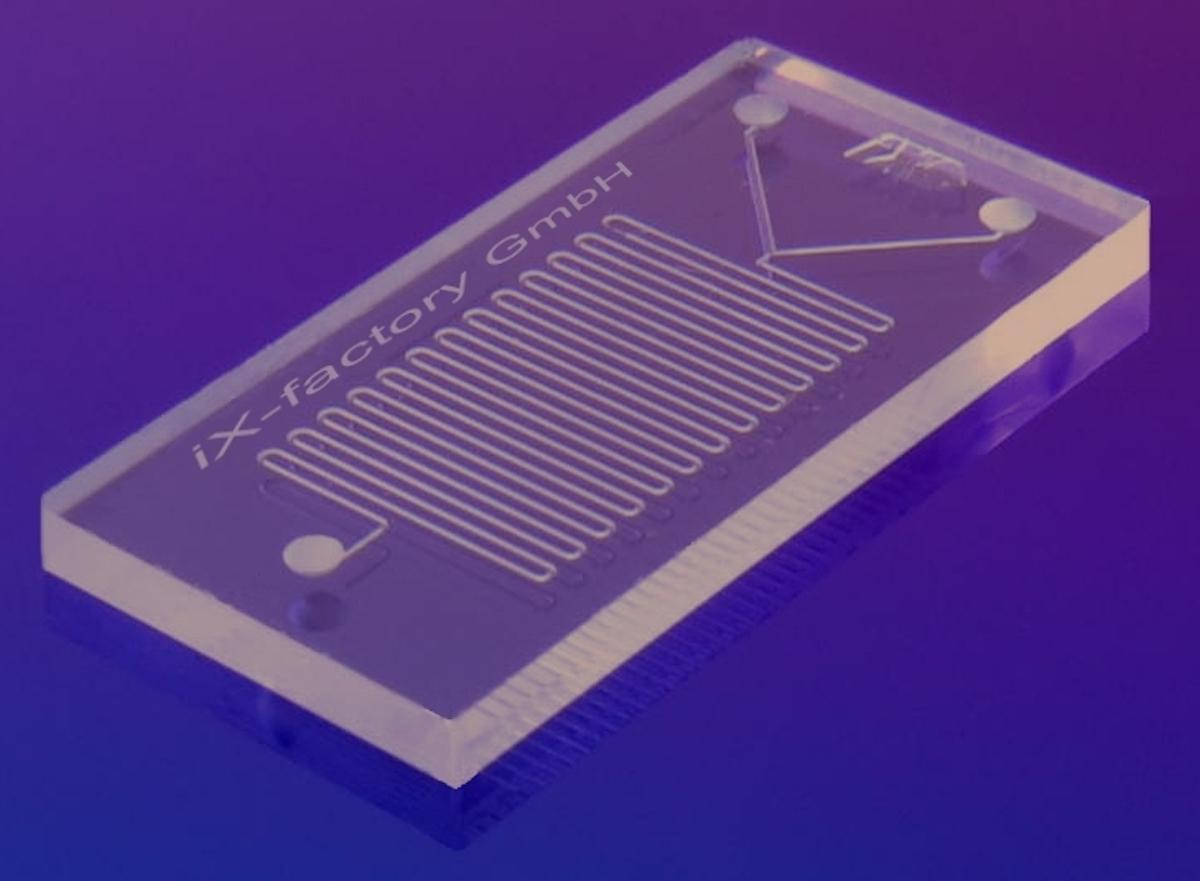
Researchers have developed an innovative ERA-CRISPR/Cas12a-based visual diagnostic assay for detecting bovine babesiosis, a parasitic disease affecting cattle caused by Babesia bovis. The diagnostic platform combines enzymatic recombinase amplification (ERA) with CRISPR/Cas12a technology to create a rapid, accessible detection method. The assay utilizes spherical body proteins as molecular targets and employs lateral flow strips for visual readout, enabling point-of-care diagnosis without requiring sophisticated laboratory equipment. This breakthrough addresses a critical need in veterinary diagnostics, as bovine babesiosis causes significant economic losses in livestock industries worldwide through reduced productivity and mortality in infected herds. The integration of cutting-edge molecular techniques with user-friendly visual detection represents a substantial advancement in making molecular diagnostics more practical for field application, potentially improving disease surveillance and control programs in cattle populations. The research was published in Frontiers in Veterinary Science and represents collaborative work by an international team of scientists led by Yongchang Li and colleagues.
Share on

Frontiers | Molecular Point-of-Care: Technological Evolution, Clinical Applications, and Future Perspectives
www.frontiersin.org
Sept. 12, 2026, 7:36 a.m.
The clinical diagnostics landscape is transitioning from centralized laboratory models to decentralized point-of-care testing (POCT) platforms that address limitations of conventional molecular diagnostics, including lengthy turnaround times, high costs, and infrastructure dependencies. Modern POCT systems integrate advanced molecular techniques such as isothermal nucleic acid amplification methods—including LAMP, RPA, and RCA—alongside CRISPR/Cas recognition systems. Integration with microfluidic chips and smartphone-based digital platforms enables fully automated "sample-in, answer-out" diagnostics. This comprehensive review documents the technological evolution of molecular POCT platforms and their clinical applications across infectious disease management, oncology screening, cardiovascular triage, and metabolic disease monitoring. However, significant barriers impede widespread clinical translation, including cross-interference in multiplexed detection, enzyme stability without cold-chain requirements, elevated component costs, and inadequate regulatory frameworks. Researchers from institutions including Liaoning Institute of Science and Technology, Chongqing University, and Northeastern University emphasize that synthetic biology, robust system integration, and artificial intelligence applications are essential to overcome these challenges and realize rapid, accessible, precise healthcare delivery in resource-limited environments.
Share on
Rapid microbiological diagnostics for sepsis in critical care: integrating technological advances with antimicrobial stewardship
www.accjournal.org
Sept. 12, 2026, 7:36 a.m.
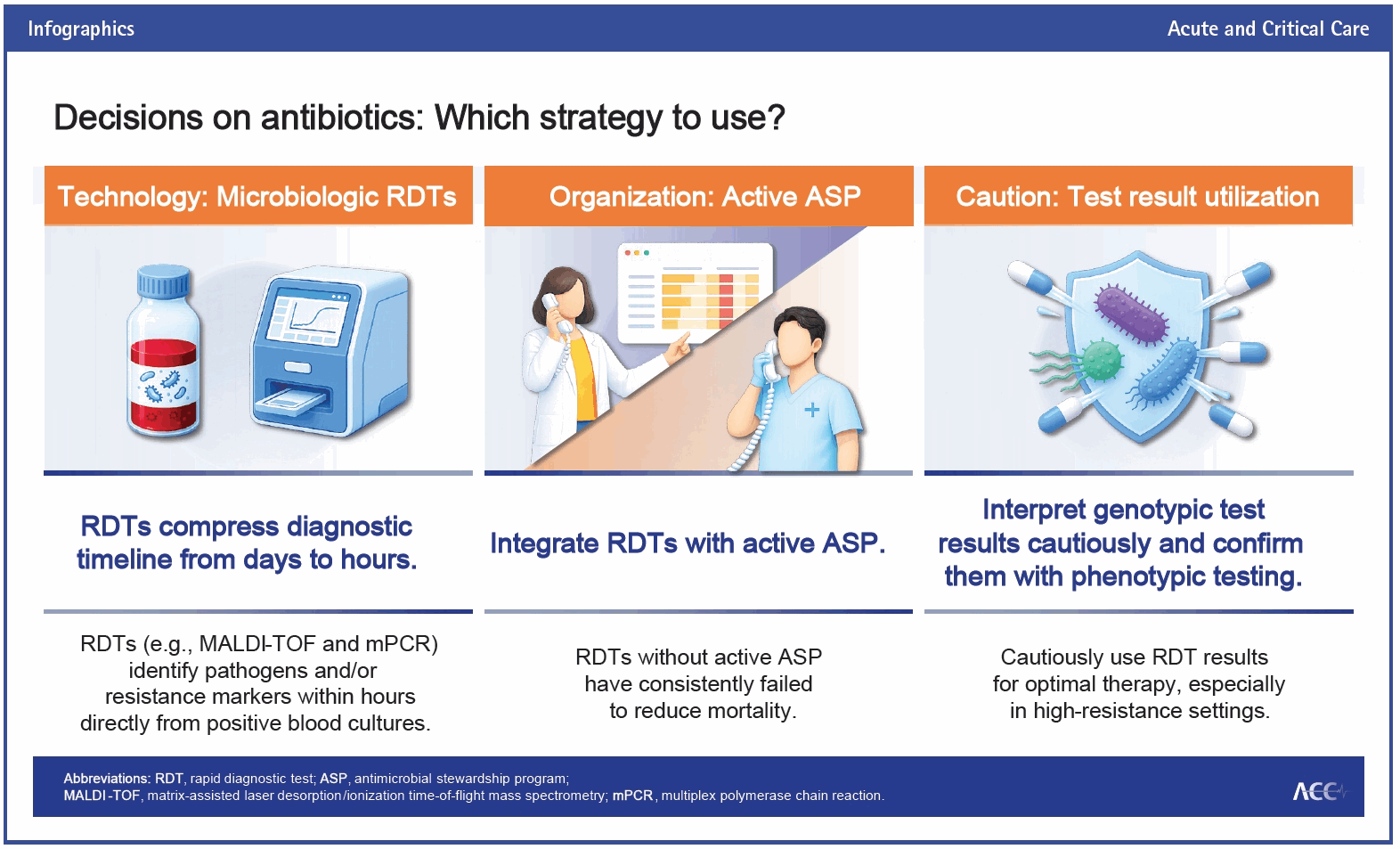
Rapid microbiological diagnostics are critical for sepsis management in intensive care settings, where timely pathogen identification and antimicrobial resistance detection directly impact patient outcomes. This article examines advanced diagnostic technologies that accelerate the identification process from positive blood cultures to treatment initiation. Key techniques discussed include matrix-assisted laser desorption/ionization time-of-flight mass spectrometry (MALDI-TOF MS), which provides rapid organism identification, alongside metagenomic and targeted next-generation sequencing (mNGS and tNGS) approaches for enhanced pathogen detection and antimicrobial susceptibility testing. The article emphasizes turnaround time reduction and the importance of antimicrobial resistance characterization through minimum inhibitory concentration determination. Various regulatory pathways are referenced, including FDA approval and CE-IVD certification, highlighting international validation standards. These diagnostic advances enable clinicians to initiate targeted antimicrobial therapy faster, potentially reducing mortality and morbidity in septic patients while supporting antimicrobial stewardship efforts in critical care environments.
Share on
Wireless IoT-enabled microneedle electroceutical for personalized and connected pain management - Nature Communications
www.nature.com
Sept. 5, 2026, 11:34 a.m.
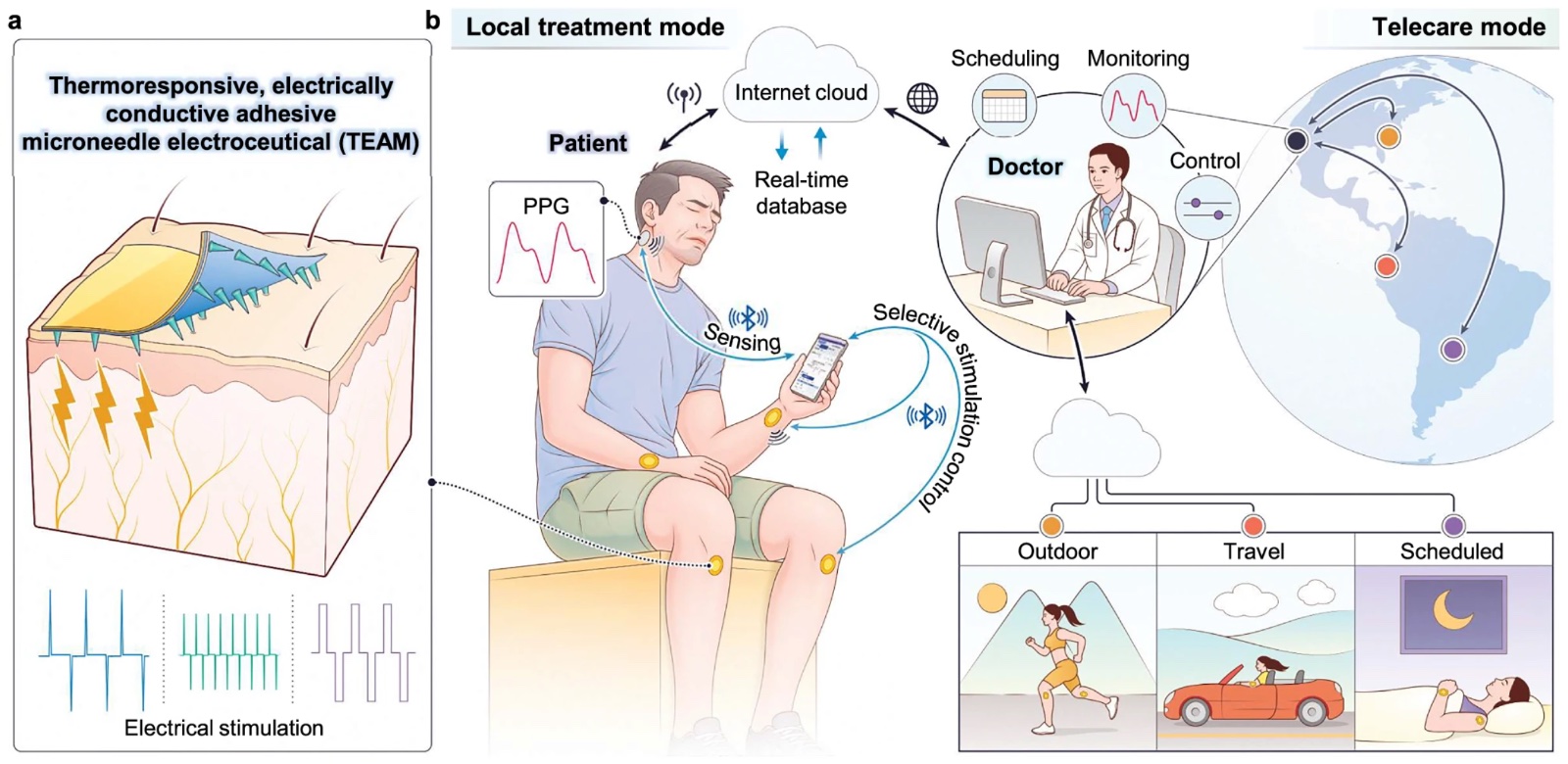
Chronic pain has historically been managed with pharmacological therapies, including opioids that provide potent analgesia, but their sustainability is limited by dose-dependent risks of misuse, addiction, and overdose. Electroceuticals offer a non-pharmacologic alternative by modulating neural pathways through electrical stimulation, but current invasive systems require surgery and clinical supervision, whereas non-invasive devices suffer from poor therapeutic efficacy caused by unstable skin-electrode impedance. Here, we present a thermoresponsive, electrically conductive adhesive microneedle (TEAM) electroceutical that integrates low-impedance microneedle arrays and conductive hydrogel coatings within a compact wireless platform enabling IoT-based telemedicine for safe, remotely managed pain therapy with robust therapeutic outcomes.
Share on
Multiplex PCR in Clinical Microbiology: Rapid Diagnosis of Infectious Diseases
microbeonline.com
Sept. 4, 2026, 6:39 p.m.
Multiplex PCR has revolutionized clinical microbiology by enabling syndromic testing, a paradigm shift from traditional pathogen-specific diagnostics. Unlike conventional singleplex PCR, which targets one organism per reaction, multiplex PCR uses multiple primer pairs to simultaneously detect numerous pathogens from a single specimen in one run. This approach begins with clinical syndrome identification—such as fever with cough or acute diarrhea—rather than guessing a specific organism, then tests for all known pathogens causing that syndrome. The workflow streamlines from ordered single tests to comprehensive panel analysis, significantly improving diagnostic efficiency. Most modern syndromic panels employ cartridge-based systems, where specimens are added to sealed cartridges containing all necessary reagents. These automated instruments handle extraction, amplification, and detection, requiring minimal staff time and producing results within approximately one hour. For RNA viruses, reverse transcription converts RNA to DNA before amplification proceeds. The output provides a simple detected or not detected report for each target. This syndromic approach has rapidly proliferated through clinical laboratories because it accelerates diagnosis, reduces testing delays, and enables faster therapeutic intervention by simultaneously screening multiple etiologies from single specimens.
Share on
Microfluidic Droplets: Miniature Bioreactors for Cells, Proteins, and Bacteria
www.fluigent.com
Sept. 4, 2026, 6:39 p.m.
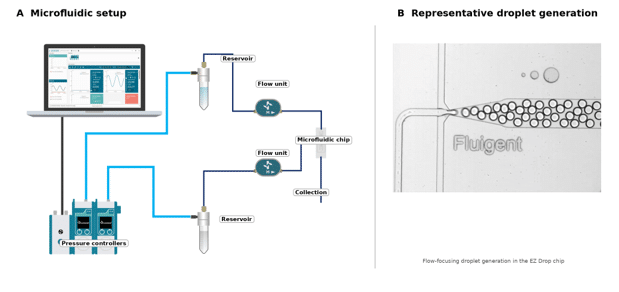
Microfluidic droplets are miniature bioreactors created by dispersing femtolitre-to-nanolitre volumes of one fluid within an immiscible carrier fluid inside microchannels. Each droplet functions as a sealed, independent compartment capable of containing a single cell, enzyme, or bacterium. These droplets are formed within microchannels typically tens to hundreds of micrometres wide, with individual volumes spanning the femtolitre to nanolitre range. A key advantage of this technology is reproducibility: a single microdevice produces millions of near-identical droplets per hour, a capability that distinguishes droplet microfluidics from conventional bulk emulsification. Monodisperse droplets—populations with diameters varying by only a few percent—are critical because droplet volume directly determines reagent concentration, incubation conditions, and signal intensity. Droplet size and frequency depend on flow-rate stability, making pressure-driven flow control preferable to syringe pumps due to faster settling and lower flow-rate variation. The dispersed phase typically contains aqueous buffers with cells or reagents, while the continuous phase consists of an immiscible carrier. This technology unlocks numerous life-science applications by providing unprecedented control over biological compartmentalization.
Share on
Loop-Mediated Isothermal Amplification (LAMP): Principle, Mechanism, and Applications
microbeonline.com
Sept. 4, 2026, 6:39 p.m.
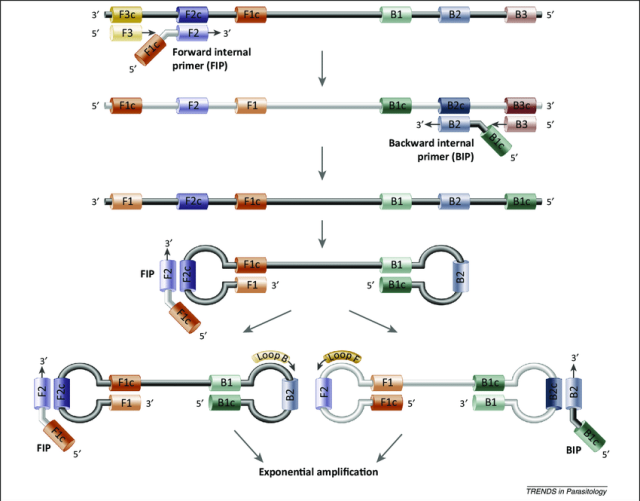
Loop-mediated isothermal amplification (LAMP) represents an advanced molecular biology technique offering rapid, accurate, and cost-effective diagnosis of infectious diseases, particularly in resource-limited settings lacking PCR infrastructure. The technique amplifies nucleic acids through strand displacement reactions and stem-loop structure formation under isothermal conditions, eliminating the need for thermocyclers. During the COVID-19 pandemic, RT-LAMP assays successfully detected SARS-CoV-2 from saliva or swab samples using simple heat sources with visible color change indicators. While conventional diagnostic methods including culture, microscopy, and biochemical tests remain foundational, they present significant limitations: culture methods are slow, direct microscopy lacks sensitivity, and traditional approaches struggle with mixed infections and morphological variations. Advanced serology and antigen tests, though rapid, may lack specificity. LAMP addresses these critical gaps by providing sensitive and specific pathogen detection at point-of-care facilities, clinics, and field settings. This capability is crucial as diagnostic delays directly impact treatment efficacy and disease severity, while misdiagnosis leads to inappropriate medication and antimicrobial resistance development. LAMP's ability to operate with minimal laboratory infrastructure makes it particularly valuable for global infectious disease control and surveillance.
Share on
Flexible polymer-based liquid crystal sensor for label-free electro-optical recording of electrophysiological activity
www.nature.com
Aug. 15, 2026, 10:17 a.m.
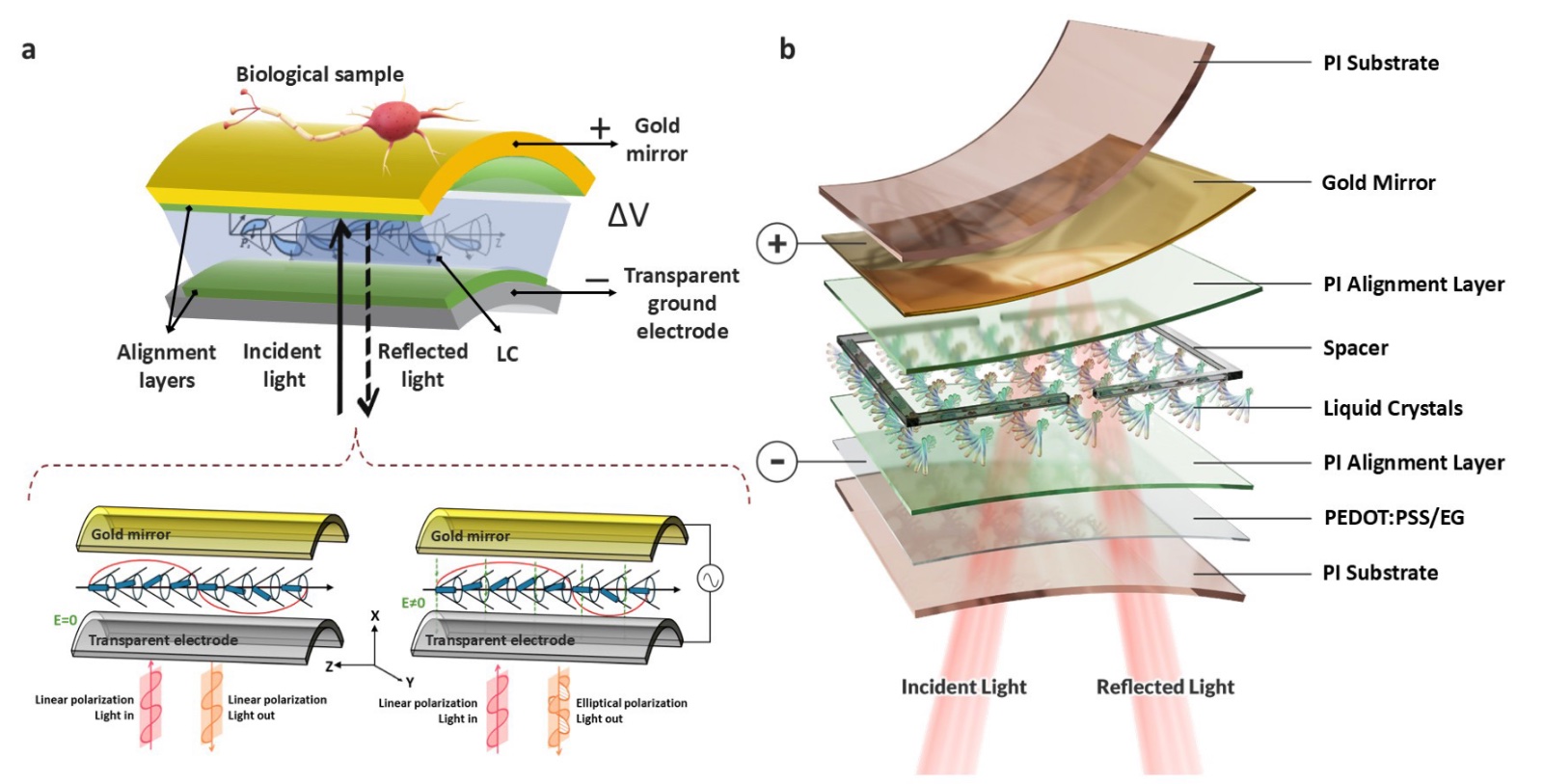
Recent advances in optical technologies have opened new possibilities for electrophysiological interfacing, offering alternatives to traditional electrically-based methods. Here, we present a flexible optical-electrode ‘optrode’ that employs a passive transduction mechanism to convert biopotentials into quantifiable optical signals. Our design integrates liquid crystals into a multilayered polymeric structure that enables light transmission and reflection while carrying the signal to a photodetection system with a relative responsivity of 13 ± 1%/V and an operating bandwidth of 2.2 ± 0.1 kHz for electrophysiology applications (N = 25 total measurements). Additionally, we demonstrated its cytocompatibility and effectiveness in detecting electrograms from cardiac tissues. This approach addresses major limitations of biomedical optoelectronics, providing label-free and conductive lead-free signal detection while maintaining a soft, tissue-like interface and demonstrating strong potential for integration into advanced electrophysiological platforms.
Share on
Optical Biosensors for Viral Infectious Diseases: Current Roles and Future Perspectives
link.springer.com
Aug. 15, 2026, 10:08 a.m.
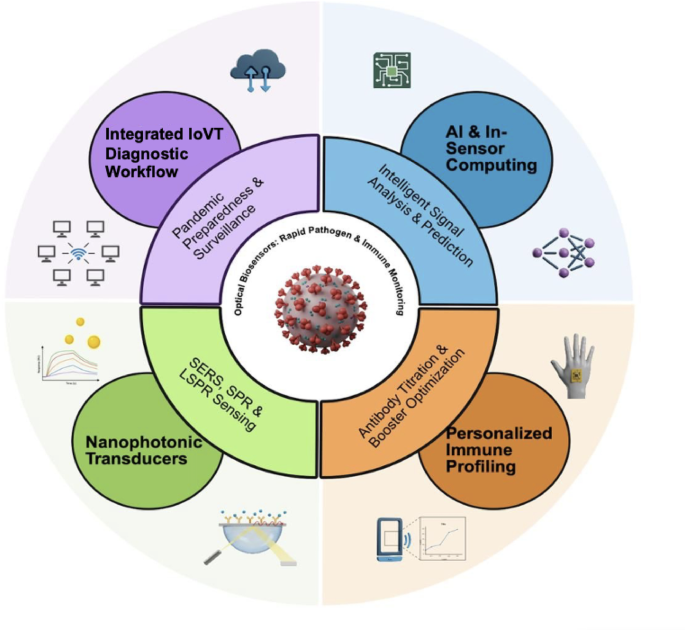
Viral infectious diseases continue to pose a profound threat to global health security, necessitating a strategic transition from centralized, laboratory-bound diagnostics to scalable and decentralized monitoring systems. This review provides a comprehensive synthesis of the role played by optical biosensors in this transformation, spanning rapid pathogen detection, immune monitoring, and vaccine evaluation. Recent advances in nanotechnology including plasmonic metasurfaces, quantum dots, and graphene-based transducers have empowered the detection of high-risk viruses such as SARS-CoV-2, Ebola, Zika, and Monkeypox with sensitivities frequently comparable to gold-standard molecular diagnostics in controlled laboratory settings. In parallel, the early-stage integration of Artificial Intelligence (AI) and the Internet of Medical Things (IoMT) is facilitating the conversion of passive biosensing components into hybrid optical-digital platforms, paving the way for advanced data processing and personalized immune profiling. Furthermore, we examine the integration of these platforms into point-of-care (POC) diagnostics and longitudinal monitoring, while critically assessing the current translational limitations of wearable bioelectronic interfaces for continuous health surveillance. By addressing existing translational bottlenecks such as scalability, matrix interference, and clinical validation we propose a strategic roadmap for advancing optical biosensors from proof-of-concept prototypes to deployable tools for public health management.
Share on

Frontiers | Molecular mechanisms of antibiotic resistance in Gram-positive and Gram-negative bacteria - a narrative review
www.frontiersin.org
Aug. 15, 2026, 7:36 a.m.
Antimicrobial resistance represents a critical global health threat driven by inappropriate antibiotic use and bacterial adaptability. This comprehensive narrative review examines resistance mechanisms in both Gram-positive and Gram-negative bacteria, with focus on clinically significant ESKAPE pathogens. The analysis covers four principal resistance mechanisms: enzymatic drug inactivation, reduced drug uptake, target site modification, and active efflux, comparing their molecular basis and clinical implications across organism groups. Biofilm formation is discussed as a resistance-amplifying strategy with organism-specific variations in matrix composition. The review evaluates current and emerging diagnostic approaches for AMR detection and explores pharmacokinetic/pharmacodynamic optimization as a resistance-prevention strategy. Notably, lariocidin—a structurally novel ribosome-targeting lasso peptide—is presented as a promising emerging therapeutic scaffold demonstrating broad-spectrum activity against multidrug-resistant pathogens from both bacterial groups while circumventing existing resistance mechanisms. The article addresses particular challenges in pediatric populations, where diagnostic difficulties and empirical prescribing practices amplify resistance impacts. The authors emphasize that combating AMR requires coordinated global efforts integrating surveillance, research, policy-making, and education to preserve antimicrobial treatment efficacy.
Share on

Frontiers | Single-center clinical laboratory evaluation of VITEK REVEAL for rapid phenotypic antimicrobial susceptibility testing of Gram-negative organisms directly from positive blood cultures
www.frontiersin.org
Aug. 15, 2026, 7:36 a.m.
Researchers at the University of Texas Medical Branch evaluated the clinical laboratory performance of bioMérieux's VITEK REVEAL® rapid phenotypic antimicrobial susceptibility testing system against the standard MicroScan WalkAway Plus system. The study analyzed 200 positive blood culture bottles containing Gram-negative organisms, assessing categorical and essential agreement rates along with error classifications. VITEK REVEAL achieved essential agreement of at least 90 percent across most antimicrobial-organism combinations evaluated among 2,536 total pairings, with notably lower performance only for amoxicillin/clavulanate and ampicillin/sulbactam. Error rates included 14 very major errors, 16 major errors, and 82 minor errors, with some discrepancies attributed to limited resistant isolates and breakpoint-adjacent minimum inhibitory concentration distributions. Supplemental Etest analysis reduced selected discrepancies. By delivering phenotypic susceptibility results directly from positive blood cultures within eight hours, VITEK REVEAL offers potential for accelerated antimicrobial therapy optimization and stewardship programs in bloodstream infection management. However, the authors acknowledge limitations including reliance on an automated comparator rather than reference broth microdilution and local resistance patterns, recommending additional multicenter studies to establish clinical impact.
Share on

Recombinase Polymerase Amplification (RPA)-ELISA as an Isothermal Molecular POCT Method for Bacterial Respiratory Infection Diagnosis
submission.ajmb.org
Aug. 15, 2026, 7:36 a.m.
Acute respiratory infections remain a leading cause of mortality in children under five, particularly in low- and middle-income countries, with over 650,000 annual deaths globally and highest incidence in Africa and Southeast Asia. Conventional diagnostic methods such as culture and biochemical tests are time-consuming and lack sensitivity, while molecular techniques like PCR require specialized equipment unsuitable for resource-limited settings. To address these limitations, researchers have developed Recombinase Polymerase Amplification (RPA)-ELISA as an alternative diagnostic approach. RPA is an isothermal nucleic acid amplification technique that operates at mild temperatures between 37-42°C and produces results within 20-30 minutes, making it ideal for point-of-care testing. Studies have demonstrated that RPA successfully detects various respiratory pathogens including Streptococcus pneumoniae, Mycobacterium tuberculosis, and respiratory viruses with sensitivity and specificity comparable to traditional PCR methods. This innovation offers a rapid, portable, and cost-effective diagnostic solution for identifying bacterial respiratory infections, enabling timely treatment and infection control in resource-constrained healthcare settings where such tools are critically needed.
Share on
What Can CRISPR Do to Help in the Fight Against Zika Virus? - Synthego
www.synthego.com
Aug. 15, 2026, 7:36 a.m.
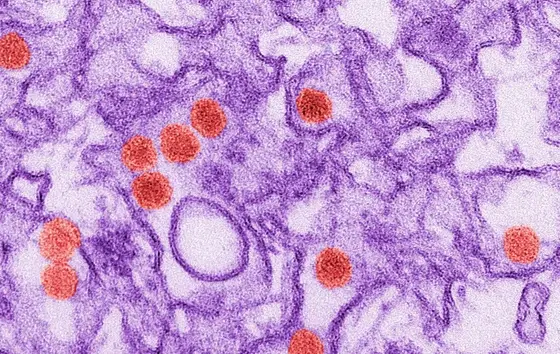
CRISPR technology has evolved from a rapid-response tool during the Zika epidemic into a comprehensive platform addressing infectious disease management in two critical ways: enabling point-of-care diagnostics that deliver results within minutes and facilitating environmentally targeted vector control in natural settings. As field applications expand and regulatory frameworks develop, the quality of genome editing reagents emerges as a fundamental determinant of success. Off-target effects and inconsistent editing rates present significant obstacles that can derail diagnostic and vector control initiatives. Achieving reliable, high-precision results requires optimized target selection and specially designed synthetic reagents suitable for scaled deployment. This evolution demonstrates how CRISPR extends beyond basic laboratory research to offer practical solutions for disease prevention and control, with the caveat that technical precision in reagent design directly impacts the effectiveness and reproducibility of real-world applications.
Share on
clinical drivers, barriers, and system readiness for rapid
www.frontiersin.org
Aug. 15, 2026, 7:35 a.m.
This study examines the clinical drivers, barriers, and system readiness for implementing rapid molecular point-of-care testing (POCT) in respiratory diagnosis across Saudi Arabia. Conducted by a multidisciplinary team of Saudi healthcare professionals, the research addresses the potential of rapid molecular diagnostics to accelerate the identification of respiratory infections, including COVID-19 and influenza. The investigation evaluates the current state of diagnostic infrastructure and identifies key clinical factors motivating the adoption of POCT technology. The study also explores significant implementation barriers within the Saudi healthcare system and assesses organizational readiness for deploying these rapid testing capabilities. The findings are particularly relevant to antimicrobial stewardship initiatives, as faster respiratory pathogen identification can reduce unnecessary antibiotic prescribing and improve patient outcomes. By documenting both the clinical imperatives and systemic challenges, this research provides actionable insights for healthcare policymakers and administrators seeking to modernize diagnostic capabilities in the region and enhance the efficiency of respiratory disease management.
Share on