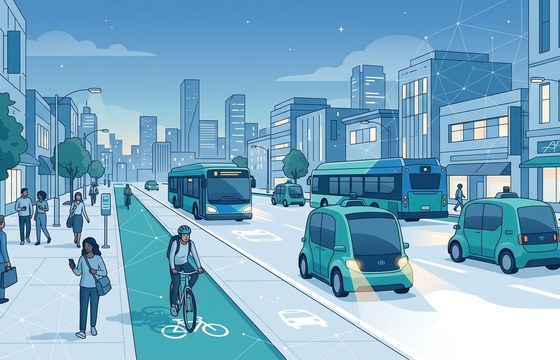
From Ride Hail to Robotaxi:
www.cityfi.co
Oct. 24, 2026, 4:19 a.m.
# Professional Summary
The document "From Ride Hail to Robotaxi" by Cityfi examines the industry transition from traditional ride-hailing services to autonomous robotaxi operations. The analysis provides context on the evolving autonomous vehicle market, tracing how companies currently operating ride-hailing platforms are pivoting toward fully autonomous vehicle deployment. The article discusses the technological advancements, regulatory frameworks, and market dynamics driving this transformation from driver-dependent services to self-driving taxi fleets. Key considerations include infrastructure requirements, consumer adoption timelines, and competitive positioning among major players in the mobility sector. This transition matters significantly as it represents a fundamental shift in urban transportation economics, potentially reducing operational costs through elimination of driver expenses while raising questions about employment, safety standards, and regulatory oversight. The robotaxi model promises improved efficiency and accessibility in metropolitan areas, though successful implementation depends on resolving technical, legal, and social challenges that currently remain unsolved across most jurisdictions.
Share on
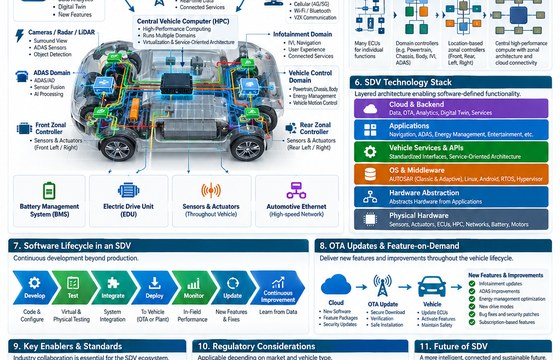
Software-Defined Vehicle (SDV): Architecture, Technology Stack, Development, Validation & Homologation
autopdp.com
Oct. 24, 2026, 4:19 a.m.
The automotive industry is undergoing a fundamental shift toward Software-Defined Vehicles (SDVs), where software increasingly determines vehicle functionality, features and customer experiences rather than hardware alone. Traditional vehicles rely on hardware to define capabilities, whereas SDVs use standardized computing platforms where software coordinates vehicle behavior throughout the vehicle lifecycle. This represents a transition from mechanical systems and independent electronic control units to high-performance computing architectures emphasizing connectivity and continuous evolution. Industry standards like AUTOSAR and Eclipse SDV emphasize hardware-software decoupling and modular, extensible software platforms for both in-vehicle and external systems. The critical architectural concept is decoupling, enabling vehicle applications to depend on standardized services and interfaces rather than specific hardware components. While brakes, sensors, motors and structural elements remain essential, their value increasingly derives from software coordination. Importantly, Start of Production (SOP) no longer marks the vehicle's end but begins a continuous software journey. This transformation enables manufacturers to deliver differentiated customer experiences, implement over-the-air updates and evolve vehicle capabilities throughout their lifecycle, fundamentally changing how the automotive industry develops and maintains vehicles.
Share on

What Changes When a Robotaxi Service Really Scales Beyond the Pilot
www.softwareseni.com
Oct. 24, 2026, 4:17 a.m.
The robotaxi industry faces a critical scaling challenge: the substantial gap between regulatory permits and actual paid rides in operation. While operators announce expansions across multiple cities and secure numerous permits, the reality of active fleets remains significantly smaller. Waymo serves as the benchmark with approximately 4,000 vehicles generating roughly 500,000 paid rides weekly across 14 metros. In contrast, Nevada regulators approved nearly 7,100 robotaxis for Clark County in August 2026—5,000 for Tesla, 1,000 each for Waymo and Uber's Aviari—nearly doubling the active US fleet through a single decision. However, permits represent inputs, not outcomes. Tesla's unsupervised fleet contracted to approximately 21 vehicles during its Cybercab transition, illustrating how expansion narratives can reverse. Scaling beyond pilot programs requires eliminating safety monitors and managing real-world demands: fleet servicing, weather variations, and vehicle failures. The operational design domain—the conditions where Level 4 vehicles operate driverless—determines economics. At scale, depot operations, charge cycles, and vehicle turnaround become primary constraints. Waymo's pause of San Antonio service following severe flooding in April 2026 demonstrates how environmental conditions test these boundaries, highlighting the distinction between supervised demonstrations and production services.
Share on
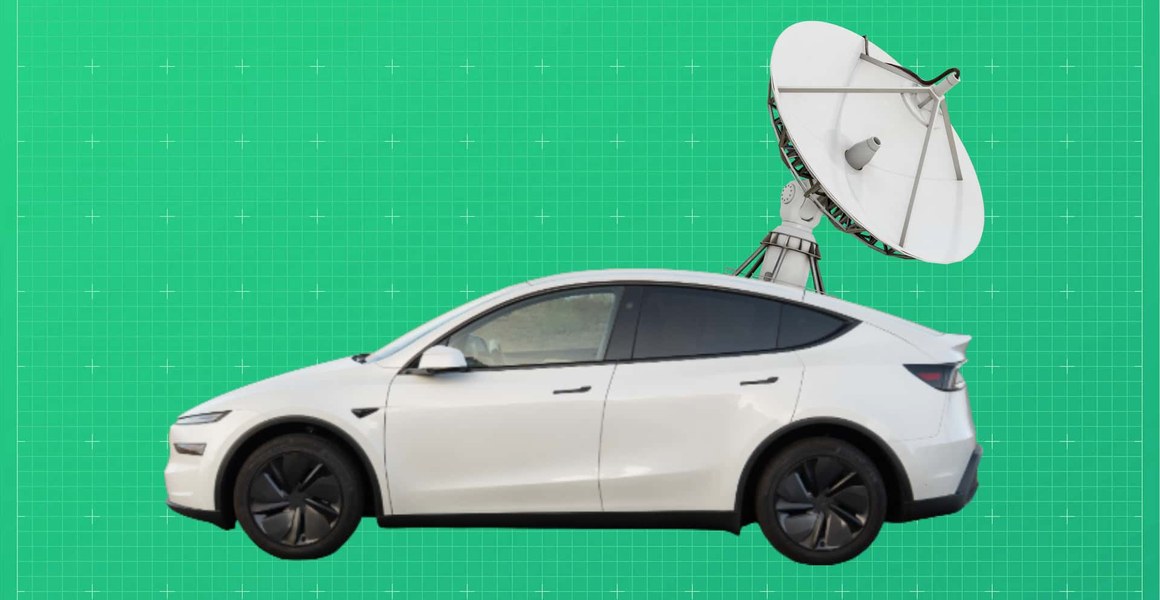
Connected Cars Share A Lot More Data With Companies Than Owners May Realize
insideevs.com
Oct. 24, 2026, 4:17 a.m.
Researchers from Northeastern University partnered with Consumer Reports to investigate data sharing practices in modern connected vehicles. Between October 2024 and August 2025, they examined 21 vehicles from different manufacturers and 30 companion apps, analyzing wifi and cellular data streams using specialized equipment including faraday tents. The findings reveal significant privacy concerns: 19 of 21 cars transmitted data to at least one third-party, with more than half contacting advertising, tracking, or analytics domains operated by companies including Alphabet, Amazon, Meta, and Mapbox. Seven companion apps transmitted sensitive identifiers such as vehicle identification numbers, email addresses, phone numbers, and precise locations to third-party tracking services. Tesla emerged as the largest offender, with its Model 3 contacting 34 unique tracking domains and the Cybertruck reaching 23. The Cadillac Lyriq, Lucid, and Chevy Blazer also showed elevated tracking activity. Notably, the Nissan Ariya, Land Rover Range Rover, Mercedes EQS, and Buick Envista contacted no tracking domains. When contacted, most automakers defended their practices through third-party service contracts, though Honda agreed to reclassify the vehicle identification number's data status following researcher feedback.
Share on
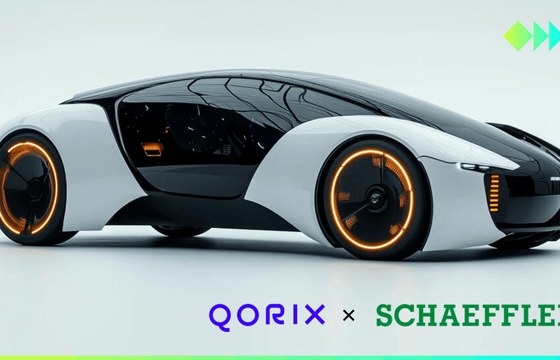
Schaeffler and Qorix Enter into Strategic Partnership for Software-Defined Vehicles and Machines
www.schaeffler.com
Oct. 21, 2026, 1:14 p.m.
Schaeffler and Qorix have established a strategic partnership to jointly develop and market software-based platform solutions for vehicle architectures and intelligent machines. The collaboration combines Schaeffler's expertise in system integration and safety-critical functions with Qorix's production-ready middleware technologies and involvement in the Eclipse S-CORE open-source ecosystem. The partnership addresses the automotive industry's shift from distributed electronic control units to centralized high-performance computing platforms, which demands standardized, scalable, and production-ready software solutions. Schaeffler contributes hardware platforms and cross-domain controllers, while Qorix provides deterministic communication technology, lifecycle management, and ISO 26262 functional safety compliance. By leveraging Eclipse S-CORE as their technological foundation, the companies aim to reduce development times, minimize integration efforts, and accelerate time-to-market for software-defined vehicle architectures. The initiative initially focuses on automotive applications but plans future expansion into robotics and industrial automation sectors.
Share on
Ruqi Mobility: Data Sales as a Business Model
www.all-about-industries.com
Oct. 21, 2026, 1:13 p.m.
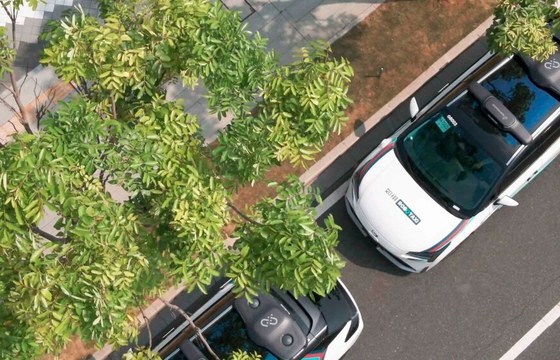
Ruqi Mobility, a robotaxi subsidiary of China's state-owned GAC Group, has identified a novel revenue stream by monetizing artificial intelligence training data collected from its autonomous vehicles. The company issued positive earnings guidance on August 3, 2026, reporting ride-hailing revenues of 3.92 billion yuan in the first half of the year, up 139.5 percent year-over-year. More significantly, its data division, labeled "technology services," exceeded 100 million yuan in revenue for the first time, achieving 274.4 percent growth with a 22.7 percent gross margin. Soochow Securities forecasts profitability by 2027. This business model addresses a critical bottleneck in physical AI development: the severe shortage of high-quality training data for autonomous systems and robotics. Industry estimates indicate only 500,000 hours of such data exist globally, leaving over 99 percent of demand unmet. Data generation through remote-controlled robots costs 10 to 50 yuan per dataset. Ruqi operates more than 300 vehicles across major Chinese cities and plans expansion to 10,000 robotaxis across 100 cities within five years, positioning itself to become a major data supplier for the AI industry's growth trajectory.
Share on

BMW Is Putting Ads in Cars, and We Need to Shut This Down Now Before It Spreads
www.motortrend.com
Oct. 21, 2026, 1:13 p.m.
The automotive industry is increasingly leveraging connected-car technology to generate revenue through advertising and subscription services rather than enhance user experience. BMW exemplifies this troubling trend by embedding in-car advertisements, most notably for Spider-Man movie promotions featuring heavy BMW product placement, directly into vehicle dashboards via built-in wireless modems. This represents an escalation from benign software updates and festive features like Tesla's holiday displays. The practice is particularly egregious because owners must pay for dedicated in-car wireless plans to access key vehicle features, meaning consumers are essentially paying BMW to receive advertisements on screens they already own. This strategy reflects automakers' broader pivot toward "SaaS" models—subscription-as-a-service revenue streams extracted long after the initial vehicle purchase. BMW's attempt recalls its controversial heated-seat subscription scheme, demonstrating the company's persistent efforts to monetize features owners believe they already possess. Industry observers warn this represents a fundamental shift from technology designed to benefit owners toward systems designed to extract ongoing revenue, marking a concerning trajectory for the future of connected vehicles.
Share on

Software Monetization Models
nimzocorneris.garden
Oct. 21, 2026, 1:13 p.m.
The automotive industry is transitioning from a transactional business model to continuous revenue generation through Software-Defined Vehicles (SDVs) enabled by over-the-air (OTA) connectivity. Feature-on-Demand (FoD) represents a key innovation, standardizing vehicle hardware across production lines while using software locks to differentiate features. This approach reduces manufacturing complexity and per-unit costs through economies of scale, while allowing customers to purchase feature unlocks at any point—whether at initial purchase or years later through the vehicle's infotainment system or mobile app. This model proves particularly valuable in secondary markets, generating net-new revenue from subsequent vehicle owners. Monetization strategies primarily split between subscription-based recurring revenue and perpetual unlocks, with subscription success heavily dependent on consumer perception of feature value. The most promising long-term strategy involves transforming vehicles into digital platforms by opening secure APIs to third-party developers. This enables in-vehicle app ecosystems where OEMs capture a percentage of all transactions for services ranging from automated parking to dashboard coffee ordering. This platform operator model mirrors the highly successful smartphone app store ecosystem, fundamentally shifting OEMs from hardware manufacturers to technology platform providers.
Share on
Automotive value, monetization and control point strategy
www.pwc.com
Oct. 21, 2026, 1:13 p.m.
The automotive industry is fundamentally shifting from vehicle-centered competition toward control-point economics, where software architecture, update authority, data rights, customer identity, and connected services determine post-sale value capture. OEMs and suppliers risk losing margins and customer access if external platforms control digital and service layers. PwC's analysis of 1,306 publicly announced investments across 25 traditional OEMs and suppliers and 14 mobility and technology players reveals significant changes in investment priorities. Battery technology dominated 2024 investments but declined in 2025 as vehicle electronics, sensors, semiconductors, and compute architecture became prominent. By early 2026, business model and monetization innovation emerged as the leading investment theme, followed by customer experience and connected services. Industry leaders must develop clear ownership strategies: owning control points that define differentiation and accountability, partnering for scalable technology, and monetizing investments through measurable customer and economic outcomes. This strategic realignment reflects the industry's recognition that competitive advantage now depends on controlling the digital ecosystem rather than vehicle production alone.
Share on

Citroën dévoile une 2CV néo-rétro 100 % électrique au design qui donne le sourire
creapills.com
Oct. 19, 2026, 10:40 a.m.
L’idée ne consiste pas seulement à électrifier une icône produite entre 1948 et 1990. La marque française cherche surtout à retrouver sa philosophie originelle : une voiture populaire, légère et débarrassée du superflu. Longue de 3,76 mètres, cette interprétation contemporaine conserve quatre places et vise un poids proche d’une tonne afin de limiter la taille de la batterie, son coût et la consommation d’énergie.
Share on
Coretura Selects Alloy Kore to Advance a Unique Software-Defined Vehicle Platform for Its Commercial Vehicle Customers
www.stocktitan.net
Oct. 17, 2026, 4:14 a.m.
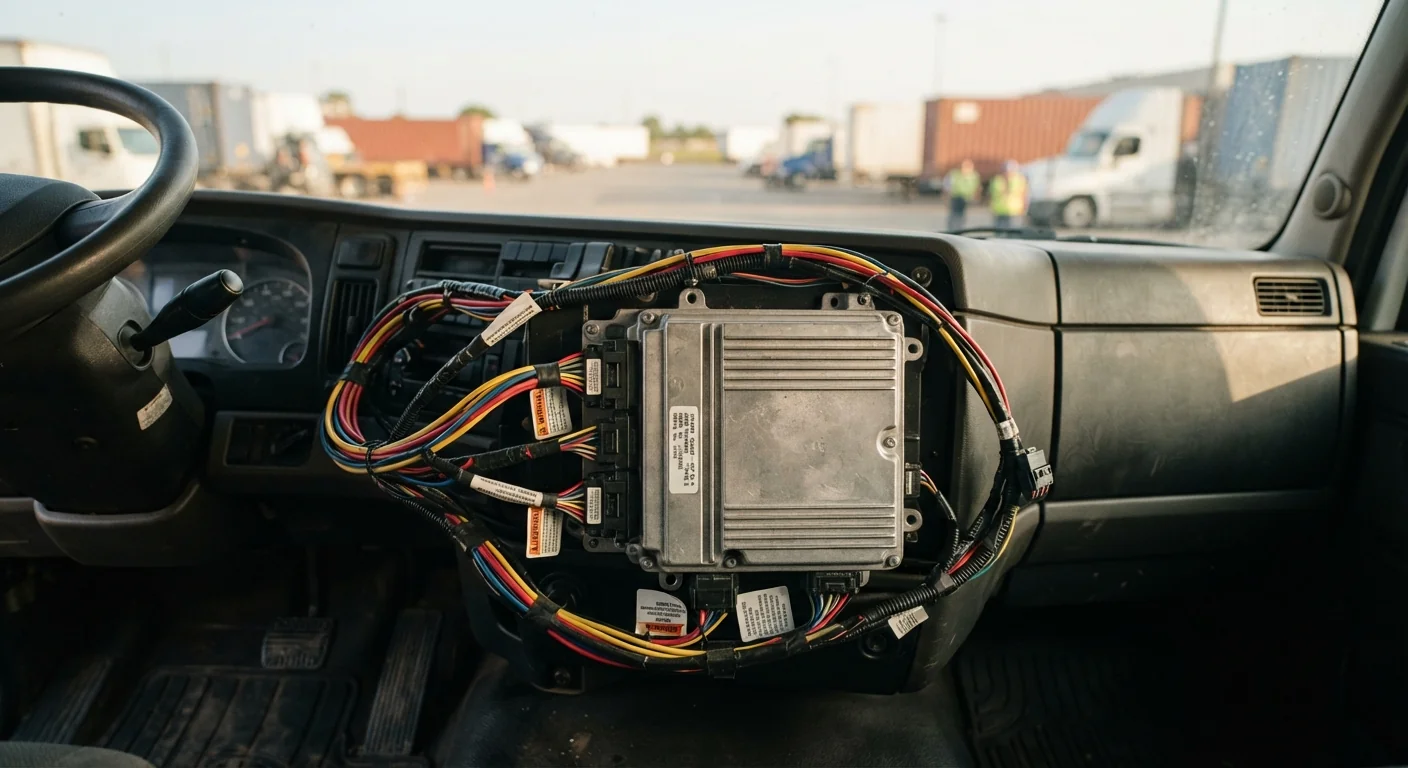
Vector and QNX, a BlackBerry division, announced that Coretura—the software-defined vehicle platform company established by Daimler Truck and Volvo Group—has selected their jointly developed Alloy Kore software layer as the safety-certified foundation for its next-generation commercial vehicle platform. Alloy Kore integrates a real-time operating system with pre-integrated automotive system services to enable scalable software deployment in high-performance compute environments. Coretura will implement the Vector Distribution variant, which combines Alloy Kore with Vector's middleware and communication tools to deliver a validated, production-ready environment adaptable across vehicle programs. This selection marks Alloy Kore's first design win and signals a significant industry trend toward adopting shared software foundations in commercial vehicles. Vector, generating EUR 930 million in 2025 revenue, strengthens its position as a key software-defined vehicle ecosystem provider. The announcement underscores growing consolidation around standardized automotive software platforms, enabling original equipment manufacturers to accelerate development cycles while reducing fragmentation across the commercial vehicle sector.
Share on
Automotive telematics control unit (TCU)
www.infineon.com
Oct. 17, 2026, 4:14 a.m.
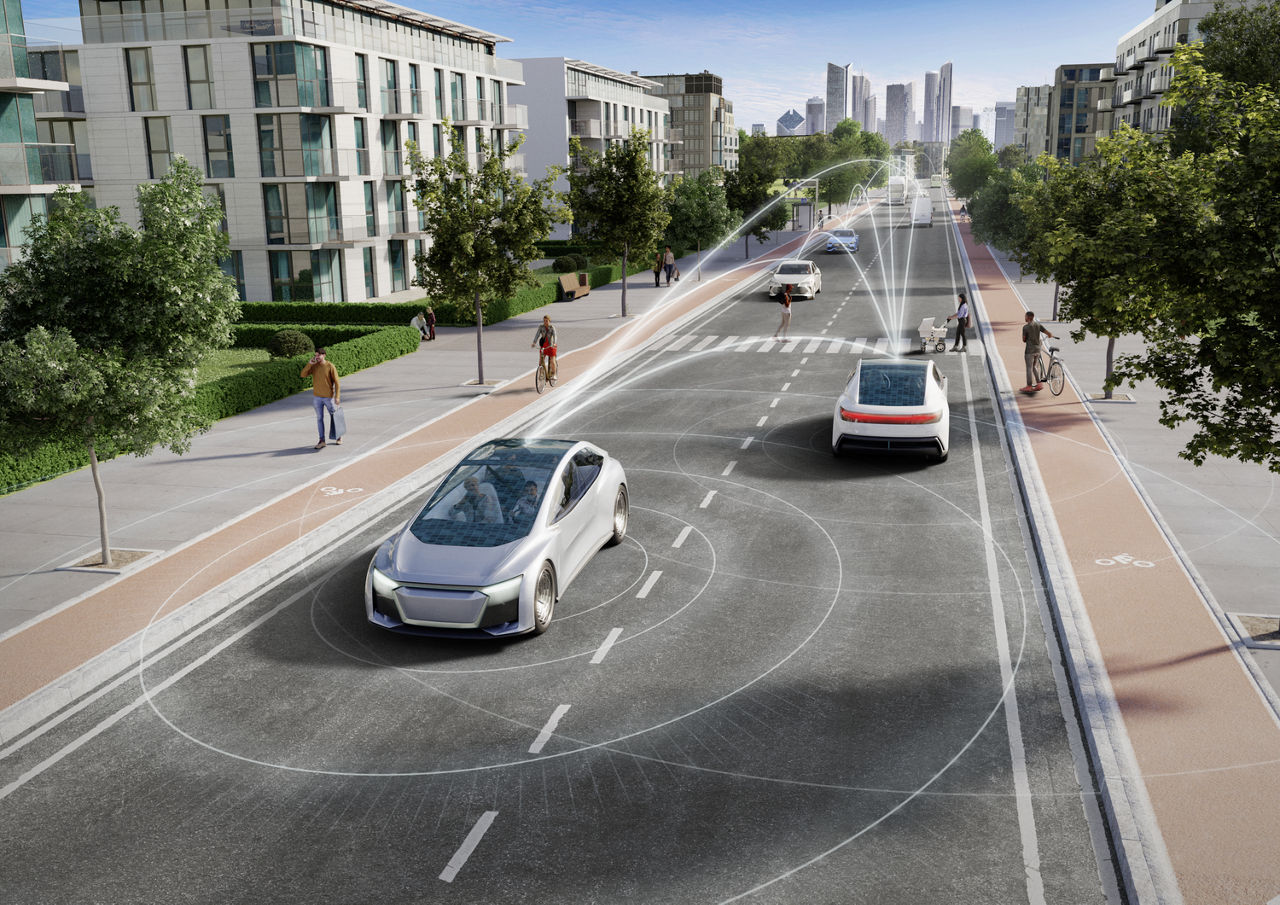
Telematics control units represent critical infrastructure in contemporary automotive systems, facilitating cloud connectivity while simultaneously enhancing vehicle safety and optimizing traffic management through automatic emergency response capabilities. A comprehensive product portfolio addresses diverse operational requirements including vehicle-to-cloud, vehicle-to-vehicle, and vehicle-to-infrastructure communication protocols, alongside fleet management, maintenance tracking, roadside assistance, and emergency call functionality. The solution leverages TRAVEO 32-bit microcontrollers for scalable processing power, SEMPER NOR flash memory for secure data storage, AIROC Wi-Fi and Bluetooth connectivity solutions, and XENSIV silicon microphones for acoustic sensing. Additional capabilities encompass advanced power management integrated circuits, extensible security frameworks, and RF chipsets designed for IoT and 5G applications. This integrated approach enables seamless consumer device integration while maintaining robust vehicle connectivity ecosystems, positioning telematics as fundamental to modern automotive infrastructure and connected vehicle services.
Share on
Software Defined Vehicle - INSIDE Industry Association
inside-association.eu
Oct. 17, 2026, 4:14 a.m.
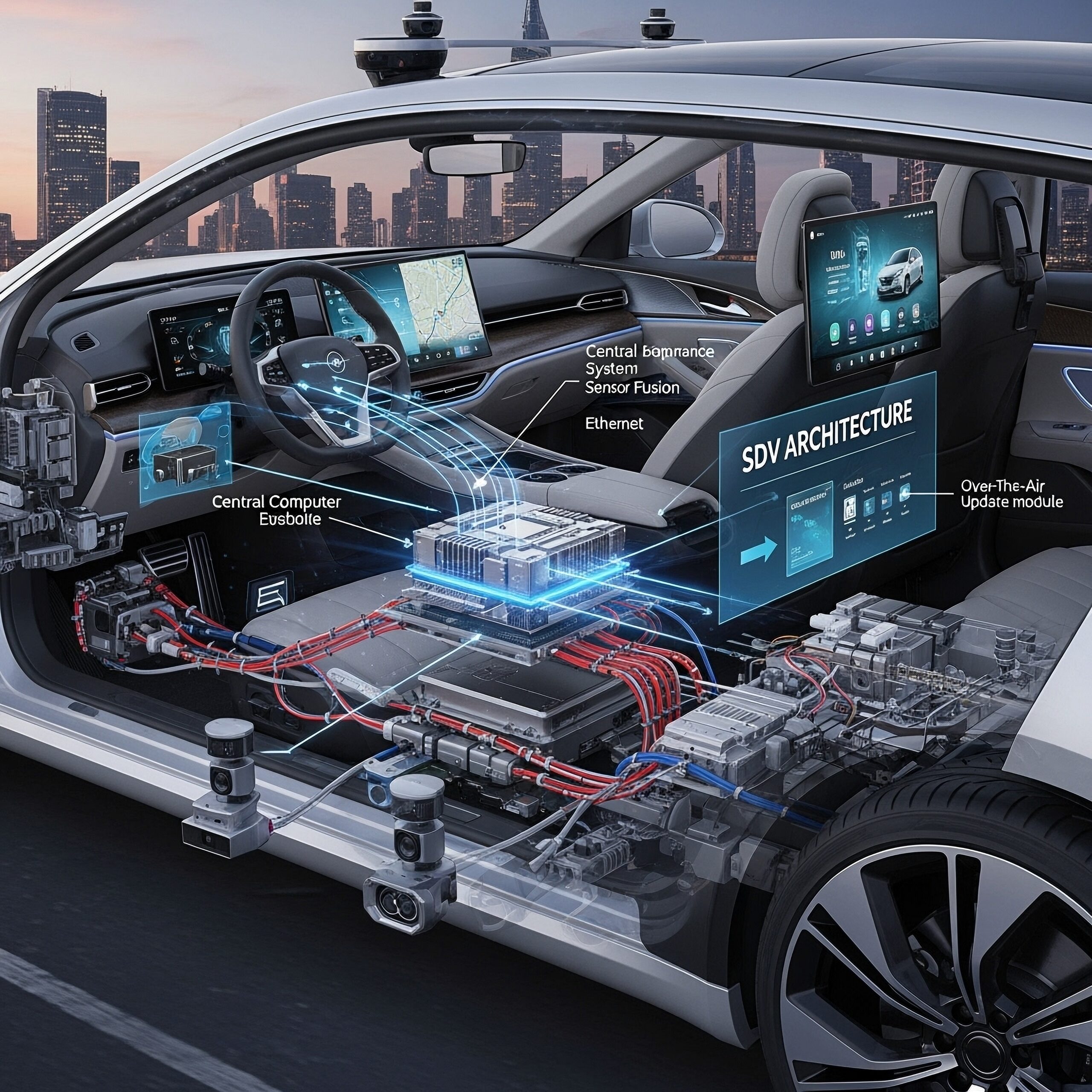
The European automotive industry is undergoing a fundamental transformation toward software-defined vehicles (SDVs), where capabilities including infotainment, connectivity, advanced driver assistance systems, autonomous driving, cybersecurity, and over-the-air updates increasingly dominate vehicle functionality. This shift presents both opportunities and challenges for European competitiveness, as rising software complexity and fragmented development approaches threaten the region's market position. The Software Defined Vehicle on Open Platforms (SDVoF) initiative addresses this by promoting collaboration and open standards to strengthen Europe's technological sovereignty. SDVoF aims to develop shared, pre-competitive software building blocks—including middleware, APIs, reference architectures, and development toolchains—while creating an open-source, modular automotive software stack. The framework employs a four-layer architecture encompassing hardware, middleware and hardware abstraction, applications for OEM differentiation, and an engineering and DevOps layer. By fostering coordinated R&D, reducing external dependencies, and enabling ongoing software-based innovation through features like OTA upgrades and subscription services, SDVoF positions Europe competitively in the global shift toward software-driven mobility while maintaining automotive safety and reliability standards.
Share on
Software-Defined Vehicles in the Supplier Ecosystem
newsroom.porsche.com
Oct. 17, 2026, 4:14 a.m.
The automotive industry is undergoing a fundamental transformation as software-defined vehicles (SDVs) replace traditional mechanical and electronic systems as the primary drivers of innovation and value creation. This shift positions software as the critical differentiator, with features, user experience, and development speed increasingly determined by software architectures, data availability, and digital engineering capabilities. Over-the-air updates, infotainment systems, and data-driven services exemplify this evolution, transforming vehicles from static products into continuously updatable platforms throughout their lifecycle. The transition is propelled by evolving consumer expectations for intuitive, reliable, and frequently updated digital features, accelerating innovation cycles, and competition from software-native entrants. For automakers, robust software architecture enables rapid functionality deployment, cross-platform reuse, and post-production enhancement. Consequently, the ability to develop, integrate, and operate software at scale has become essential competitive advantage. This paradigm shift necessitates new collaboration models within the supplier ecosystem to enable successful SDV scaling, fundamentally reshaping how automotive manufacturers, suppliers, and technology partners work together to deliver next-generation vehicles.
Share on

10 Automotive Industry Trends Reshaping the Road in 2026
www.risingtrends.co
Oct. 17, 2026, 4:13 a.m.
The automotive industry in 2026 faces a fundamental correction diverging sharply from earlier EV enthusiasm. Data from the IEA, Deloitte, KPMG, and McKinsey reveals that EV sales growth in the US decelerated to approximately 10% in 2024, down from 50%+ growth rates in 2021–2023, driven by consumer concerns over charging infrastructure, range anxiety, and total cost of ownership. Ford's Model e division reported $5.1 billion in losses during 2024, exemplifying industry-wide challenges. Notably, nearly 30% of consumers initially planning EV purchases switched to considering hybrids or internal combustion engine vehicles. Toyota's hybrid-focused strategy, previously criticized as overly conservative, has emerged as prescient risk management, with the company reporting record profits fueled by strong hybrid demand for vehicles including the RAV4 Hybrid, Camry Hybrid, and Prius. Ford restructured its EV operations into an independent division with transparent P&L reporting, subsequently pivoting toward profitability-focused commercial EVs and hybrids rather than pursuing volume in unprofitable consumer segments. This shift underscores a critical industry recalibration prioritizing sustainable economics over aggressive electrification timelines.
Share on
Are Subscription Features In Cars The Next Big Controversy?
www.topspeed.com
Oct. 14, 2026, 2:17 p.m.
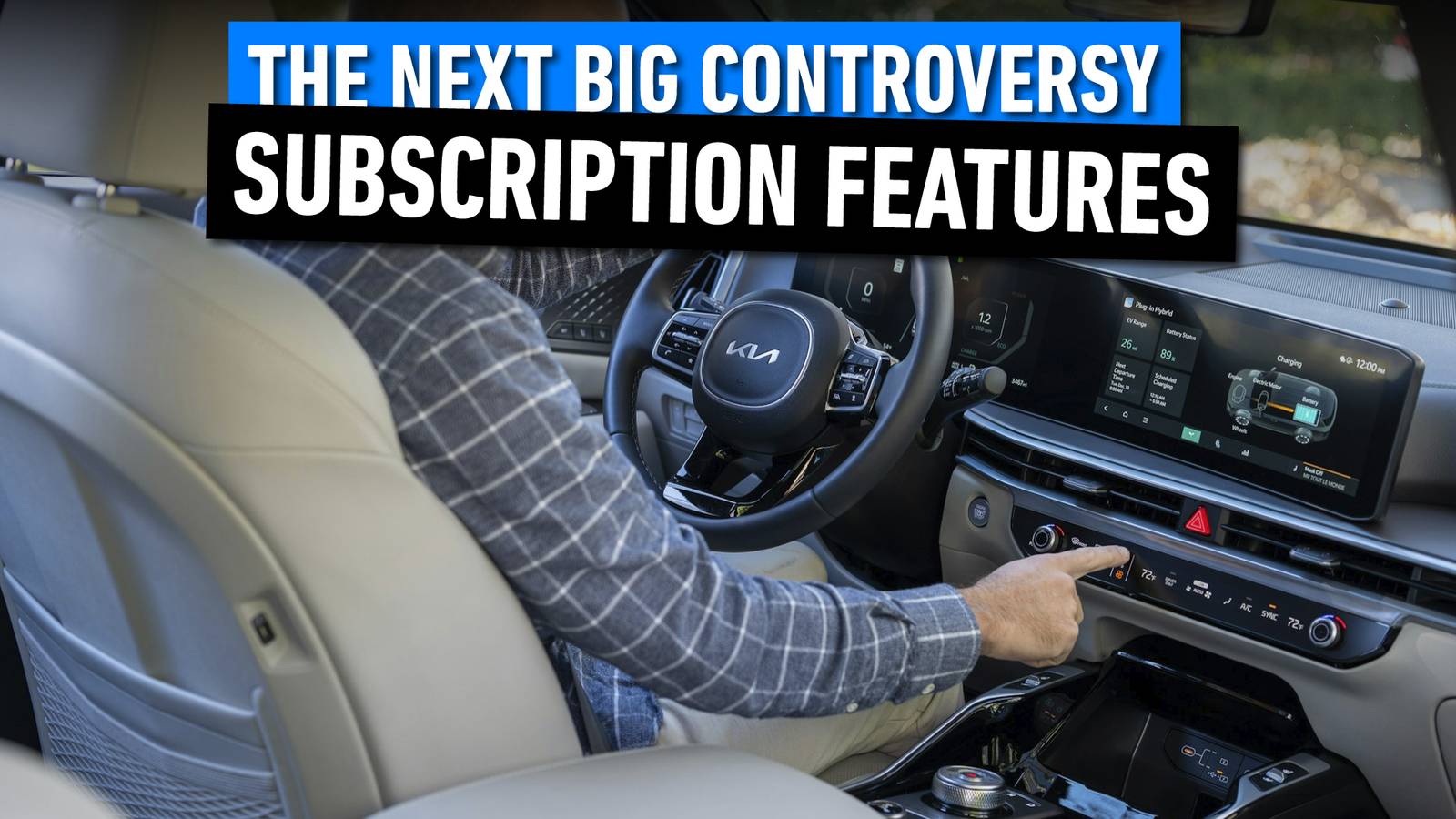
Paying a monthly payment on a car loan can be a burden on most Americans, especially considering in 2024, the average monthly payment for a new car is $734. But what if you not only had to pay monthly for the car itself, but also some of its features? They're called “in-car subscriptions,” and they have been a controversial topic in the past couple of years. However, although automakers like BMW and Volkswagen have tried implementing subscriptions for a few of the features in their cars, there has been a lot of pushback from consumers. There are also privacy concerns when it comes to subscribing to these features, which is an even bigger issue. All things considered, in-car subscriptions could be a lingering controversy in the automotive space.
Share on

Open source, automotive-grade OTA with Mender
mender.io
Oct. 14, 2026, 1:16 p.m.
Mender provides an open-source, automotive-grade over-the-air (OTA) software update platform designed for secure and customizable device management. With nearly a decade of operational experience, the platform has successfully deployed updates across more than one million devices globally, establishing credibility with major enterprise clients including Fortune 1000 companies such as Siemens, Thales, and ZF Group. The platform's key capability lies in its ability to simultaneously update multiple components within integrated systems, exemplified by its application in vehicle software management. This comprehensive approach to OTA updates addresses a critical operational need in modern connected devices and automotive applications, where coordinated multi-component updates are essential for maintaining system integrity and security. Mender's proven reliability and enterprise adoption demonstrate its significance in the IoT and automotive sectors, where robust, scalable update mechanisms are increasingly vital for operational efficiency and device longevity.
North American Automakers Transform Vehicles, Operations
finance.yahoo.com
Oct. 14, 2026, 1:16 p.m.
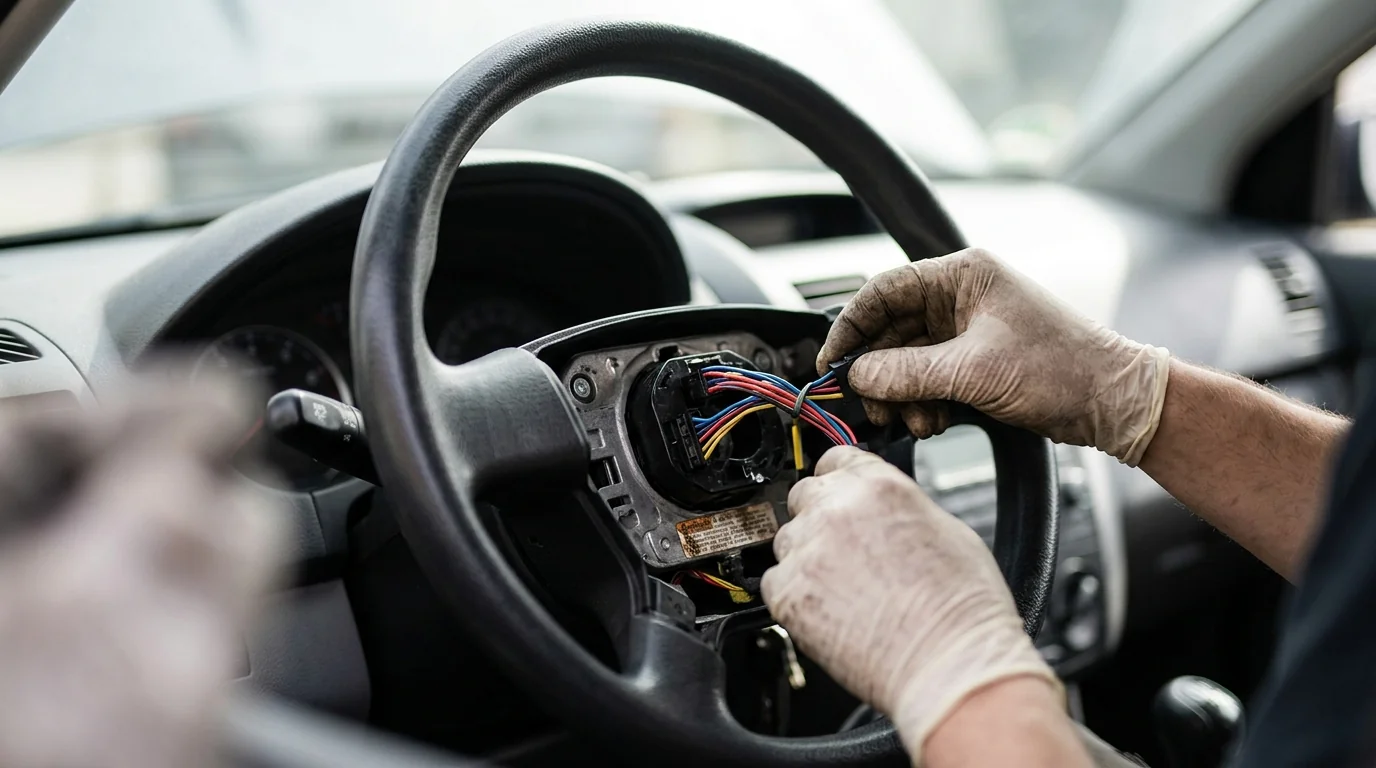
North American automotive manufacturers are undergoing comprehensive digital transformation to develop software-defined vehicles and continuous digital services, according to the 2026 ISG Provider Lens® Automotive and Mobility Services and Solutions report. As vehicles become increasingly software-centric, traditional hardware-centered engineering methods are becoming obsolete, requiring automakers to modernize their technology infrastructure and adopt new practices. The industry is transitioning from distributed electronic control units to centralized computing platforms supporting connectivity, infotainment, advanced driver assistance, and autonomous driving capabilities. Key strategies include implementing embedded AI, agile development methods, and DevSecOps practices to enable rapid feature delivery and personalized user experiences. Secure over-the-air updates now extend enhancements throughout vehicle lifespans while supporting new recurring revenue models. Automakers are simultaneously replacing fragmented legacy systems with unified, cloud-based platforms integrating engineering, manufacturing, sales, service, and connected vehicle data. This transformation is essential for competitiveness, as only manufacturers treating digital capabilities as core strategic value propositions can meet evolving customer expectations and rapidly changing technological demands in the automotive industry's new era.
What Is Subscription-Based Vehicle Features? Definition
nhimg.org
Oct. 14, 2026, 1:16 p.m.
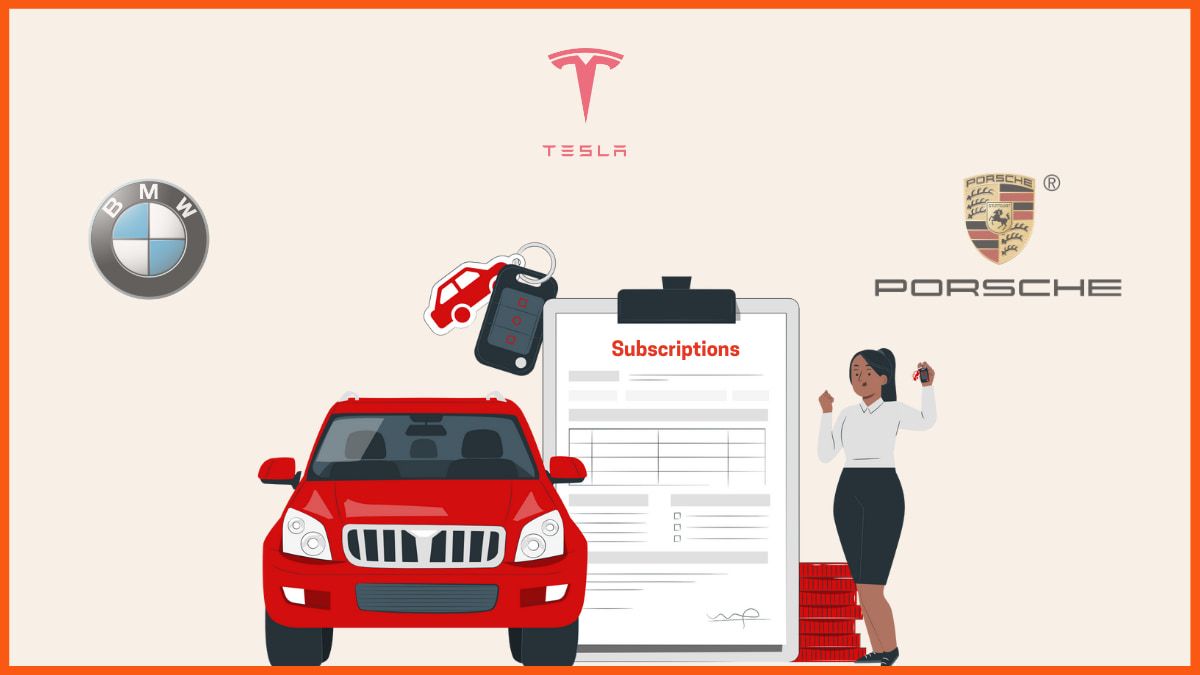
Subscription-based vehicle features represent a fundamental shift in automotive commerce, transforming cars into partially software-defined products where access to capabilities like heated seats, driver aids, and performance modes depends on ongoing payments rather than permanent ownership. This model creates a multi-layered security challenge spanning in-car control systems, cloud-based entitlement services, and customer account management. If any layer is compromised, unauthorized feature access becomes possible or legitimate access can be wrongfully denied. Security frameworks like NIST SP 800-53 Rev 5 and OWASP API Security Top 10 provide relevant guidance for protecting these systems. While manufacturers favor this approach because it decouples hardware from monetization and enables post-purchase upgrades, customers frequently view it as problematic ownership friction, as physical capabilities already exist in vehicles but remain locked behind paywalls. This mismatch creates trust concerns around resale value, service continuity, and feature availability if connectivity is lost or vendors cease operations. Clear disclosure is essential, as entitlement systems remain vulnerable to tampering, authorization signal replay, account compromise, and backend service manipulation.

Robotaxis Beyond the Pilot: The New Rules of Scale in 2026 - SoftwareSeni
www.softwareseni.com
Oct. 14, 2026, 1:16 p.m.
September 2026 marks a pivotal transition for the robotaxi industry from experimental pilots to genuine commercial operations. Waymo expanded its fully driverless service to 15 US metropolitan areas, accumulating over 20 million paid rides, while California approved expansion across 18 counties. Simultaneously, Uber launched London's first robotaxis in partnership with Wayve and consolidated multiple autonomous vehicle platforms including Waymo, Wayve, WeRide, and Apollo Go into a unified network. Spain issued its first national Level 4 permits for a Madrid fleet. However, Tesla's Cybercab design drew scrutiny from the NHTSA, signaling that the capability race among incumbents has concluded. The decisive factors for scaling now extend far beyond vehicle technology to encompass operations, economics, permitting, liability, and safety evidence. The operational design domain—defining where and when vehicles can legally operate—remains a critical constraint, with edge cases like fleet stalls during blackouts and weather-related pauses revealing hidden operating costs. True scale requires consistent utilization and paid rides under real demand, with per-mile economics reflecting vehicle amortization, energy consumption, servicing, remote assistance, insurance, and deadheading. Success increasingly depends on managing labor-intensive backend operations including charging, maintenance, and remote supervision rather than autonomous driving capabilities alone.
Share on