Exosome trafficking, delivery, and detection, harnessed via 3D hydrogels and 3D DNA nanotechnologies www.sciencedirect.com Sept. 9, 2026, 5:25 p.m.
3D hydrogels extend exosome retention and enable sustained local release. Programmable 3D DNA nanostructures capture exosomes and amplify signals. This review unifies hydrogel delivery and 3D DNA detection strategies. Translation requires scalable manufacturing, biosafety, and clinical validation.
Federated learning framework detects time series anomalies while preserving privacy bioengineer.org Sept. 9, 2026, 1:07 p.m.
Researchers from Beijing University of Posts and Telecommunications and the Beijing Electronic Science and Technology Institute have developed FAPAD, a federated learning framework for privacy-preserving anomaly detection in multivariate time-series data. Published in the journal Cybersecurity, the framework addresses a critical challenge in modern connected systems: detecting anomalies in sensitive data streams from medical devices, industrial sensors, and smart city infrastructure without exposing raw information to centralized cloud servers. Traditional anomaly detection requires transmitting sensitive data to central locations, creating privacy vulnerabilities that regulators and security professionals increasingly oppose. FAPAD coordinates edge devices, cloud servers, and machine learning models while implementing mathematical defenses against adversarial attacks. The research team, led by Kejun Zhang and Xinying Yu, emphasizes the stakes are particularly high in healthcare surveillance, where physiological anomalies could reveal specific diseases, and unauthorized access could enable discrimination or extortion. By enabling accurate anomaly detection while maintaining local data privacy, FAPAD offers a practical solution to this fundamental tension in modern connected systems monitoring.
The Innovation Blindspot www.imf.org Sept. 9, 2026, 1:07 p.m.
The International Monetary Fund challenges the prevailing binary narrative that frames global technological innovation as a zero-sum competition exclusively between the United States and China. While discussions of artificial intelligence, electric vehicles, biotechnology, and renewable energy typically focus on these two superpowers' rivalry for dominance, this framing obscures valuable alternative innovation models elsewhere. The analysis argues that reframing technology competition as a contest between different systems rather than different countries—similar to how the Cold War examined capitalism versus communism—offers deeper insights. The conventional distinction between market-oriented and state-led approaches misrepresents China's tech sector reality. Major Chinese companies like Alibaba, Tencent, and ByteDance are not primarily state creations but rather succeeded by adopting Silicon Valley's playbook, utilizing American-style venture capital, legal infrastructure, and stock option structures. This suggests the US-China tech competition represents different intensities of the same market-driven model rather than fundamentally opposing systems. Understanding this nuance and examining innovation approaches beyond these two countries can expand knowledge of technological progress possibilities and improve global innovation strategies.
Broadband circularly polarized thermal radiation from magnetic Weyl semimetals arxiv.org Sept. 9, 2026, 1:07 p.m.
Researchers have demonstrated that magnetic Weyl semimetals, a class of topological materials, can emit broadband circularly polarized thermal radiation across mid- and long-wave infrared wavelengths. Using numerical simulations, the study shows that planar slabs of these materials produce high-purity circularly polarized emission over significant portions of their emission solid angle, with the effect arising from the materials' strong infrared gyrotropy and nonreciprocity. The spectral bandwidth of circularly polarized thermal emission increases with greater momentum separation between Weyl nodes in the band structure. The researchers also employed the thermal discrete dipole approximation computational method to demonstrate that finite-size bodies of magnetic Weyl semimetals can emit spectrally broadband circularly polarized light, though over smaller emission angles than planar configurations. This discovery opens technological prospects for engineering thermal radiation and designing efficient circularly polarized light sources, with applications in infrared chiral spectroscopy and thermal imaging polarimetry under low-visibility conditions, addressing a gap in the relatively unexplored mid- and long-wave infrared range.
Engineered Exosomes as Advanced Drug Delivery Systems for Cancer Therapy brieflands.com Sept. 9, 2026, 1:06 p.m.
Cancer treatment faces significant limitations from systemic toxicity, poor tumor targeting, and drug resistance. Engineered exosomes—naturally occurring nanoparticles between 30 and 150 nanometers—have emerged as promising drug delivery vehicles due to their biocompatibility, low immunogenicity, and ability to cross biological barriers including the blood-brain barrier. A comprehensive review examining 32 peer-reviewed studies from January 2015 to April 2026 analyzed recent advances in exosome engineering for targeted anticancer therapy. Researchers evaluated surface-engineering strategies such as PEGylation, RGD, and GE11 modification alongside drug-loading methods including electroporation, sonication, incubation, and extrusion. Engineered exosomes successfully delivered chemotherapeutics like doxorubicin and paclitaxel, as well as nucleic acids, CRISPR/Cas9 components, and natural compounds such as celastrol and curcumin. While preclinical studies demonstrated improved tumor specificity and therapeutic efficacy, significant challenges persist: low loading efficiency, batch-to-batch variability, and lack of standardized production protocols. Emerging solutions including microfluidics-based production, immunomodulatory engineering, and artificial intelligence-assisted ligand design offer potential pathways to clinical translation and may substantially improve cancer treatment outcomes.
Crowdfunding for innovation: a comprehensive empirical review link.springer.com Sept. 5, 2026, 1:22 p.m.
Crowdfunding has emerged as a transformative alternative to traditional innovation financing. Limitations of conventional funding sources have led to increased interest in alternative financing mechanisms. Crowdfunding, leveraging online platforms, has democratized access to capital, enabling entrepreneurs to develop products and services that align with broader population needs. This paper surveys the literature, demonstrating how crowdfunding platforms have opened doors to capital for entrepreneurs who might otherwise have found it challenging to secure funding through established channels. While crowdfunding's impact on innovation is multifaceted and contingent on factors like innovation type, entrepreneur quality, and regulatory frameworks, its growth trajectory remains robust, solidifying its significance as a source of entrepreneurial finance.
Beyond Innovation: Exnovation as a Catalyst for Post-Growth Transitions www.developmentresearch.eu Sept. 5, 2026, 1:20 p.m.
There is growing recognition that responding to the socio-ecological crisis requires more than technological fixes. There is a need to shift away from palliative interventions, which remain limited to promoting incremental or unproven technological approaches, and to embrace more radical interventions that address the structural drivers of environmental degradation and social inequality. This has led to an interest in degrowth and post-growth economies as a way to catalyse transformational change. Degrowth (or post-growth) can be defined as aiming at an equitable downscaling of production and consumption that increases human well-being and enhances ecological conditions at the local and global level, in the short and long-term.
Recent Progress in Materials - Biohydrogels (BioHGs) www.lidsen.com Sept. 4, 2026, 8:40 p.m.
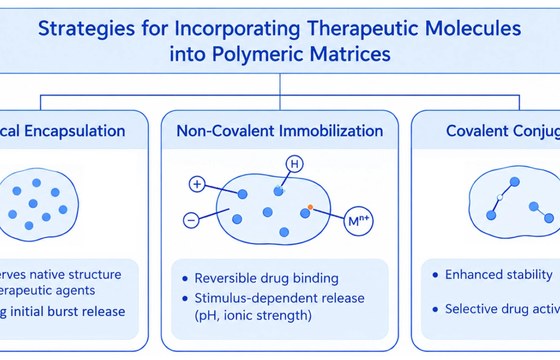
Biohydrogels have evolved substantially since their introduction as poly(2-hydroxyethyl methacrylate)-based materials in 1960, progressing from simple wound dressings and contact lenses to a multi-billion-dollar market encompassing stimuli-responsive hybrid systems. This comprehensive review examines biohydrogel sources, physicochemical properties, and applications while addressing critical challenges including poor mechanical robustness, limited long-term stability, and production scalability. The analysis reveals that optimal biohydrogels require precise optimization of formulation parameters including polymer concentration, pH, temperature, and mechanical strength. Notably, synthetic hydrogels demonstrate superior mechanical strength, natural variants excel in swelling behavior and porosity, while hybrid formulations achieve the most balanced overall performance. Recent advances focus on incorporating bioactive agents, biosurfactants, chitosan, protein-based polymers, and nanoparticles into nanocomposites to create multifunctional systems. This integrated approach enables customizable physicochemical and biological properties for diverse applications in drug delivery and tissue engineering, positioning advanced biohydrogels as transformative biomaterials for next-generation therapeutic and diagnostic solutions.
Electrospinning, 3D Printing, and Advanced Fabrication Technologies for Biomedical Scaffolds and Tissue Constructs www.frontiersin.org Sept. 4, 2026, 8:40 p.m.
Biofabrication has emerged as a transformative discipline in biomedical engineering, enabling the creation of three-dimensional tissue constructs that replicate native tissue architecture and function. Electrospinning, 3D printing, and advanced fabrication techniques—including melt electrowriting, near-field electrospinning, multi-material printing, and 4D shape-memory fabrication—now allow precise control over scaffold geometry, porosity, and mechanical properties. These technologies have been further enhanced by incorporating controlled release mechanisms for therapeutic agents such as drugs, growth factors, and biologics, enabling localized, sustained delivery at tissue repair sites. However, significant challenges remain in translating laboratory successes to clinical applications. Key bottlenecks include limited material libraries, reproducibility and standardization issues, scalable manufacturing, cell integration, and clinical validation. This Research Topic seeks multidisciplinary contributions integrating engineering, materials science, chemistry, and life sciences to address these barriers. The field now prioritizes developing robust, standardized, and scalable workflows that support medical device development and clinical translation, while simultaneously advancing scaffold architecture control, release functionality, and biological performance validation to facilitate real-world deployment.
Genetic ‘switches’ could program 3D-printed bone tissue for blood vessel growth www.psu.edu Sept. 4, 2026, 8:40 p.m.
Researchers at Penn State University have developed a groundbreaking approach to 3D-printed bone tissue regeneration by bioprinting genetically modified stem cell spheroids. The interdisciplinary team introduced different genetic sequences into commercially sourced undifferentiated stem cells to create cell clusters optimized for bone tissue regeneration following severe trauma or infections. The bioprinted spheroids demonstrate enhanced capability not only in supporting bone healing but also in facilitating successful blood vessel formation within generated tissue—a critical advancement, as vascularization has historically been a significant challenge in conventional bone tissue engineering. The team validated their findings through laboratory experiments and mouse models, with results published in Chemical Engineering Journal. By using genetic "switches" to guide cell differentiation, the researchers addressed a fundamental challenge in regenerative medicine: creating networks of functionally diverse cells from a single baseline. This innovation has broader applications beyond bone regeneration, including developing accurate biological models for testing experimental drugs. The work represents a significant step toward reconstructing complex cellular structures for regenerative medicine applications.
Assembling Inorganic Nanocrystal Gels arxiv.org Sept. 4, 2026, 8:39 p.m.
Inorganic nanocrystal gels combine the distinct properties of individual nanocrystals with tunable, network-dependent characteristics, offering promising applications in catalysis, optics, electrochromics, and energy storage. This review examines five primary assembly mechanisms: controlled destabilization, direct bridging, depletion interactions, coordination bonding, and dynamic covalent bonding. Each approach manipulates nanocrystal surface chemistry or introduces small molecules to mediate inter-nanocrystal attractions, with distinct advantages regarding gel stability, reversibility, and tunability. The porous networks created in these gels enable reversible and continuous control over nanocrystal neighbor interactions, enhancing collective properties and coupling effects. While assembly strategies for microscale colloids are established, applying these approaches to nanoscale systems remains an evolving field. Understanding how to tune effective interactions between nanocrystals and their equilibrium phase behavior is critical for designing gel assemblies with desired structures. By strategically weakening stabilizing surface ligand repulsions and introducing controlled inter-nanocrystal attractions, researchers can govern aggregation kinetics and create reconfigurable materials and fueled assemblies with novel functionality.
Poly(l-lysine)-g-Poly(ethylene glycol) Layers on Metal Oxide Surfaces: Attachment Mechanism and Effects of Polymer Architecture on Resistance to Protein Adsorption pubs.acs.org Sept. 4, 2026, 3:26 p.m.
A class of copolymers based on poly(l-lysine)-g-poly(ethylene glycol) (PLL-g-PEG) was found to spontaneously adsorb from aqueous solutions onto several metal oxide surfaces, such as TiO2, Si0.4Ti0.6O2, and Nb2O5, as measured by the in situ optical waveguide lightmode spectroscopy technique and by ex situ X-ray photoelectron spectroscopy. The resulting adsorbed layers are highly effective in reducing the adsorption both of blood serum and of individual proteins such as fibrinogen, which is known to play a major role in the cascade of events that lead to biomaterial-surface-induced blood coagulation and thrombosis.
Health Start-ups — Funding Programs alidrg.substack.com Sept. 4, 2026, 8:51 a.m.
This article is dedicated to CEOs/Founders/start-up teams who are building in the healthcare industry and looking for: increasing their visibility, attracting funds, expanding their network, growing their business. A start-up can access funds through diverse methods, including bootstrapping, angel investors, venture capital, and government grants. Non-dilutive funding allows start-ups to raise capital without surrendering any equity or ownership stakes.
Prix de l'innovation - Le Catalyseur de l'Innovation lecatalyseur.pold.fr Sept. 3, 2026, 12:36 p.m.
Le Prix de l’innovation duale vise à identifier, valoriser et accompagner les entreprises innovantes développant des technologies à fort potentiel de double usage, répondant à la fois à des enjeux civils et de défense. Porté par POLD et piloté par le Catalyseur, en partenariat avec l’INAS et La Place Stratégique, ce prix a pour ambition de favoriser les collaborations entre startups, industriels, acteurs publics et experts afin d’accélérer l’émergence de solutions technologiques stratégiques et de renforcer la souveraineté technologique.
Un rapport sur la souffrance psychique au travail enterré au Sénat par la droite et le centre www.publicsenat.fr Sept. 2, 2026, 10:20 a.m.
Depuis le mois de février 2026, une mission d’information travaillait au Sénat sur le thème de la souffrance psychique au travail. Constituée à la demande du groupe RDSE, groupe constitué majoritairement de radicaux au Sénat, cette mission n’a pas pu rendre public son rapport, comme c’est pourtant l’habitude au Parlement. En effet, mercredi 8 juillet 2026, la majorité de la droite et du centre s’est opposée aux conclusions de la rapporteure Annick Girardin. Explications.
Ces jeunes qui enchaînent les arrêts maladie : « Les gens ne veulent plus faire les mêmes erreurs que leurs parents » www.lavoixdunord.fr Sept. 2, 2026, 10:20 a.m.
En 2025, 21% des moins de 30 ans arrêtés l’ont ainsi été deux fois dans l’année et 17,5% trois fois ou plus, «un niveau qui dépasse celui de toutes les autres tranches d’âge», constatent les auteurs d’une étude de Malakoff Humanis.
Ce designer crée un vêtement « camouflage » qui rend invisible aux caméras IA creapills.com Aug. 31, 2026, 3:06 p.m.
Le point de départ de Weckert est une faille de conception. Les modèles de vision n’ont jamais appris ce qu’est un être humain, seulement à quoi ressemblent statistiquement des humains sur des millions d’images. Contours, contrastes, silhouette tête-épaules, proportions des membres. Une personne, pour la machine, c’est un paquet de statistiques visuelles. Le vêtement joue sur deux registres en même temps. Les transitions de couleurs saturées excitent les premières couches du réseau, pendant que les formes qui se chevauchent brisent la continuité du contour du corps. Le détecteur n’arrive plus à recoller les morceaux en une figure unique. « Le motif crie par-dessus le murmure statistique qui dit personne », résume Weckert.
Comment act'ble réinvente le chausson de danse classique www.3dnatives.com Aug. 26, 2026, 2:52 p.m.
Les danseuses de ballet professionnelles peuvent user des centaines de paires de chaussons par an. L’impression 3D pourrait-elle changer la donne? C’est la conviction de la startup allemande act’ble: Le ballet est apparu en Europe aux XVe et XVIe siècles, mais ce n’est qu’au XIXe siècle que des cordonniers italiens ont renforcé le chausson de pointe, dont la conception n’a guère évolué depuis et reste majoritairement artisanale & faite à la main. Les danseuses doivent casser, rembourrer et adapter chaque paire, et les chaussons d’une professionnelle ne tiennent souvent qu’une seule journée avant que la semelle ne se ramollisse. Ils constituent ainsi l’un des équipements les plus coûteux et les moins durables du ballet.
Des chercheurs américains mettent au point une méthode d’impression 3D de réseaux capillaires sanguins www.3dnatives.com Aug. 26, 2026, 2:51 p.m.
Des chercheurs de l’Université de Notre-Dame-du-Lac sont parvenus à imprimer en 3D des réseaux de capillaires sanguins grâce à une technique pour le moins surprenante. Avant d’examiner leur méthode, il convient de rappeler l’enjeu médical de tels réseaux. Rien qu’aux États-Unis, plus de 100 000 personnes attendent une greffe, alors que les organes disponibles restent insuffisants. Imprimer en 3D des organes à partir des propres cellules d’un patient pourrait non seulement contribuer à pallier cette pénurie, mais aussi, potentiellement, écarter tout risque de rejet par l’organisme.
La France dans la compétition scientifique mondiale : radioscopie d'un décrochage ? www.hceres.fr Aug. 26, 2026, 11:41 a.m.
Si les États-Unis demeurent la principale puissance scientifique, leur position est fortement contestée par la Chine, particulièrement en Sciences Physiques et de l’Ingénieur où cette dernière occupe nettement la première place. La part d’audience de la France se détériore, passant de 4,3% à 2,7%, soit une baisse de 37,2% sur les deux dernières décennies. Cette baisse est la plus importante du panel après celle du Japon. En cinquième position en 2005, la France occupe aujourd’hui la dixième place, ayant été progressivement devancée par plusieurs pays comparables tels que le Canada, l’Italie et l’Australie, notamment en période post COVID-19. Elle est désormais rattrapée par des pays tels que l’Espagne, la Corée du Sud ou les Pays-Bas, dont l’audience pesait moitié moins que la sienne il y a vingt ans.