Silicon-to-Software: Deconstructing BYD's Quiet Tech Imperium www.vaisakhvenugopal.com July 18, 2026, 4:09 a.m.
BYD’s ascent from a battery manufacturer founded in 1995 to the world’s top new-energy vehicle producer by volume is not, at its core, a story about price competition or government subsidies. It is a story about architectural discipline — the kind that takes thirty years of sequential engineering capability-building across batteries, power semiconductors, electric drivetrains, and software-defined platforms, and converts it into a compounding cost and technology advantage that most incumbents find structurally impossible to replicate.
Chinese researchers develop solid-state battery electrolyte that retains 84% capacity after 350 cycles interestingengineering.com July 18, 2026, 4:09 a.m.
Researchers from the Chinese Academy of Sciences' Dalian Institute of Chemical Physics have developed a breakthrough solid-state battery electrolyte addressing critical commercialization challenges. The novel organic-inorganic composite, combining polyvinylidene fluoride and lithium oxychloride, demonstrated exceptional durability by retaining over 84% capacity after 350 charge-discharge cycles. The innovation employs an in-situ chemical reconstruction process that strengthens bonds between electrolyte components while enhancing lithium-ion conductivity and electrode-electrolyte interface contact. By merging polymer flexibility with inorganic stability, this advancement represents significant progress toward practical solid-state battery deployment as a viable successor to current lithium-ion technology.
Why Chinese Electric Vehicles Dominate Europe in 2026 global.niu.com July 18, 2026, 4:09 a.m.
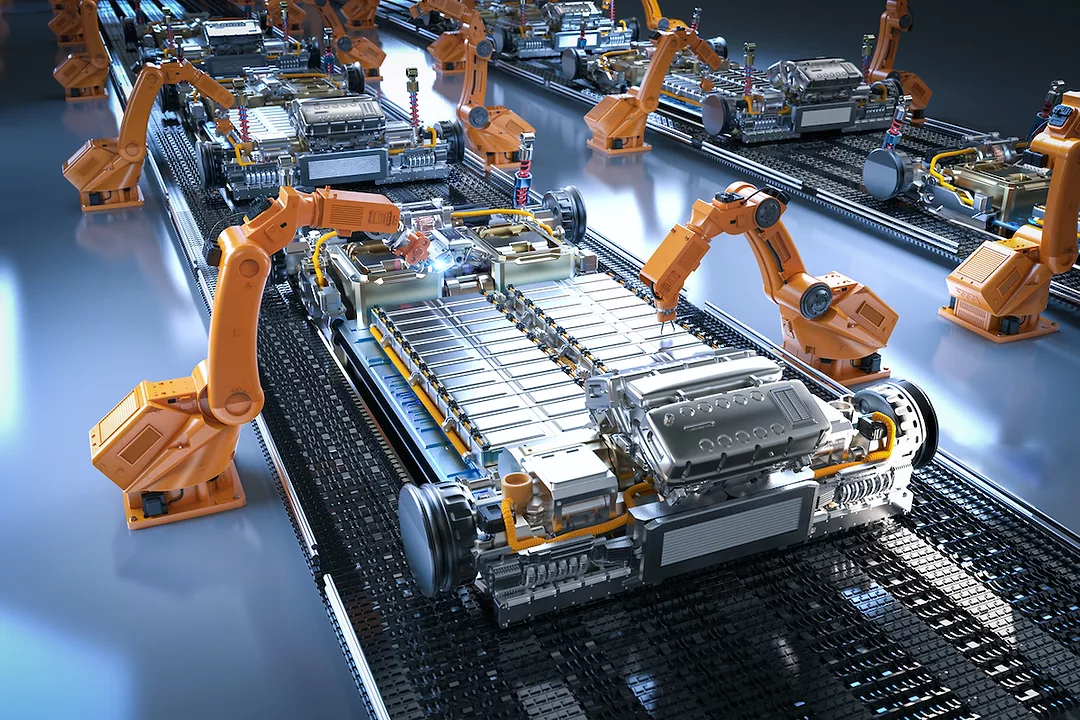
Chinese electric vehicles have transformed European urban mobility by 2026, shifting from novelty to essential transport, particularly in the two-wheeled commuter segment. This dominance stems from a fundamentally different engineering approach: Chinese manufacturers designed vehicles from scratch around battery and motor technology, rather than retrofitting existing combustion-engine platforms. This clean-sheet methodology delivers superior weight distribution, thermal efficiency, and software integration that legacy European platforms cannot match. Combined with highly automated manufacturing infrastructure, Chinese EV producers have achieved cost and production efficiency that Western manufacturers struggle to replicate, making affordable electric mobility accessible to European commuters and fleets alike.
What is BESS (Battery Energy Storage System)? An ... www.ahacetech.com July 18, 2026, 4:09 a.m.
Battery Energy Storage Systems (BESS) have emerged as critical infrastructure enabling the global transition to renewable energy. These intelligent platforms capture and store electricity from renewable sources and the grid during low-demand periods, then strategically deploy it when needed, addressing the intermittency challenges of solar and wind power. Beyond technical solutions, BESS fundamentally transforms energy production, distribution, and consumption across all sectors. Market growth reflects this significance, with the United States adding over 4 gigawatts of storage capacity in 2024 alone. Regions like Spain and Germany, where renewables exceed 40% of generation, increasingly rely on BESS for grid stability. These sophisticated systems integrate hardware and software components, positioning themselves as essential infrastructure for building sustainable and resilient energy systems in the twenty-first century.
Retrofitting Diesel Buses Instead of Replacing Them www.newswise.com July 18, 2026, 4:09 a.m.
One our biggest “to-dos” on the path to net-zero is transportation. Electric vehicles are replacing internal combustion engines; public transit is expected to grow, while private vehicle use is likely to decrease. Buses are a particularly attractive option for expanding public transportation: Unlike railways, they require virtually no new infrastructure. If private vehicle use declines at the same time as bus capacity expands, existing roads will have enough space to accommodate additional buses.
Retired EV Batteries Could Help Power the Data Centers Driving the AI Boom ritzherald.com July 15, 2026, 1:12 p.m.
The growth of data centers is putting new stress on electrical grids, utilities and energy markets. Training and running cutting-edge AI models requires huge computing power, so electricity needs to be abundant and reliable. The race to grow their facilities has made practical energy storage solutions all the more urgent for technology companies. One potential answer could already be sitting inside electric vehicles. Car makers and energy firms are looking at ways to tap the batteries of electric vehicles to help power data centers, utilities and other big users of electricity. Some batteries could be connected to the grid while still in vehicles. Others could be recovered from retired vehicles and used as stationary energy storage systems. The idea offers a nice second life for batteries which are no longer good enough for the demanding performance standards of an electric car but still retain a good amount of storage capacity.
Solid-State Battery’s Biggest Hurdle Solved: What It Means for EVs and Phones www.techtimes.com July 15, 2026, 1:11 p.m.
Researchers at Germany's Max Planck Institute have resolved a fundamental challenge in solid-state battery technology by identifying the mechanical fracture mechanism behind dendrite failure in garnet electrolytes. This breakthrough, published in Nature in April 2026, addresses a decades-old paradox: how soft lithium dendrites damage hard ceramic electrolytes during charging. The finding arrives as China establishes the first national standard for automotive solid-state batteries, marking a pivotal moment for the technology. Solid-state batteries replace flammable liquid electrolytes with solid ceramics, promising significantly higher energy density and extended driving ranges. Understanding this dendrite failure mechanism is crucial for determining when next-generation batteries delivering thousand-kilometer ranges and multi-day phone battery life will become commercially viable.
Stellantis Plans A China Made Jeep For Europe With Dongfeng finance.yahoo.com July 15, 2026, 1:11 p.m.
Stellantis is expanding its partnership with Dongfeng to introduce a China-manufactured Jeep SUV for the European market, supporting its strategy to grow the Jeep lineup from two to six models by 2030. This collaboration leverages Dongfeng's Wuhan manufacturing capacity while enabling reciprocal production arrangements at Stellantis facilities in France. The initiative addresses multiple strategic priorities: reducing costs and accelerating time-to-market amid stringent European emissions regulations, managing supply chain diversification, and responding to competitive pressures from Asian automakers. Investors should monitor brand perception implications, China supply chain exposure, and execution risks associated with the aggressive model expansion timeline.
Solid-State Battery Hype vs. Reality: 2026 Edition www.bonnenbatteries.com July 11, 2026, 7:02 p.m.
As of 2026, all-solid-state commercial batteries remain strictly confined to pilot-scale testing due to a massive 3x to 5x production cost premium and severe mechanical interface degradation. Extensive global manufacturing data confirms that semi-solid-state (solid-liquid hybrid) batteries are the only technologically viable and scalable solution ready for vehicle deployment in 2026. Transitioning existing gigafactory assembly lines to semi-solid production requires an extraordinarily low equipment retrofitting capex of just 10% to 15% (approximately $1.4M to $2.1M USD per GWh), achieving an impressive 90% compatibility with legacy lithium-ion processes, while all-solid-state alternatives require a complete factory rebuild costing up to $112M USD per GWh.
Electrical System Guide for DIY Van Conversion faroutride.com July 11, 2026, 6:42 p.m.
Complete guide to design and install your own DIY electrical system in your camper van conversion. Wiring diagram and tutorial inside!
Tesla Subscription Service www.roadtoautonomy.com July 11, 2026, 6:42 p.m.
Tesla is preparing to unveil its CyberCab robotaxi on August 8th, marking a critical test of CEO Elon Musk's long-promised autonomous vehicle ambitions. The company is exploring an innovative subscription service model that would consolidate lease payments, Full Self-Driving subscriptions, charging, and insurance into a single monthly fee, potentially revolutionizing the automotive industry. Such a service, enhanced by credit card rewards partnerships, would force traditional automakers to fundamentally restructure their sales models. If combined with autonomous capabilities allowing owners to generate revenue by leasing vehicles through Tesla's network, the disruption would be complete. Meanwhile, Tesla continues expanding its unsupervised robotaxi service, now operating in four U.S. cities including Miami, Austin, Dallas, and Houston, demonstrating accelerating deployment of its autonomous vehicle infrastructure.
LFP vs NMC Battery: What Every Buyer & Seller Must Know www.circunomics.com July 11, 2026, 6:41 p.m.
Lithium-ion battery chemistry significantly impacts asset value and lifecycle economics. Lithium iron phosphate (LFP) and nickel manganese cobalt (NMC) batteries exhibit divergent aging patterns, pricing trajectories, and end-of-life pathways despite identical State of Health metrics. For stakeholders engaged in battery procurement, sales, or deployment, understanding these chemistry-specific differences is essential for informed decision-making. The distinction directly influences profitability across second-life applications, resale markets, and recycling operations, making chemistry assessment a critical evaluation criterion often overlooked in transactions.
The Global Battery Technology Frontier - evcurvefuturist.com July 11, 2026, 6:41 p.m.
The global battery revolution, termed "Batteryfication," fundamentally enables the transition from combustion to electrons across transport and industry. Rather than being driven by a single breakthrough chemistry, battery advancement is characterized by compounding evolutionary improvements in cost, energy density, safety, and manufacturing scale. Historical data demonstrates that cost curve reduction has outpaced chemistry densification as the primary driver of electrification adoption. From 2010 to 2023, energy density evolved incrementally from 160 Wh/kg to 270–280 Wh/kg, reaching a practical ceiling for conventional lithium-ion architectures. The anticipated inflection point in 2026, with densities approaching 500 Wh/kg, signals a structural transformation in battery capability. Batteries remain structurally central to the energy transition, compressing costs, unlocking EV adoption, and stabilizing grids while determining performance ceilings for electrified systems.
Five decisions that can create resilient EV supply chains www.automotivelogistics.media July 11, 2026, 6:41 p.m.
An expert argues that five decisions – on incoterms, semiconductor visibility, tariff monitoring, routing and contacts – can create resilient EV supply ...
A Survey of Autonomous Driving from a Deep Learning Perspective dl.acm.org July 11, 2026, 7:12 a.m.
Autonomous driving represents a significant advancement in the transportation industry, enhancing vehicle intelligence, optimizing traffic management, and improving user experiences. Central to these innovations is deep learning, which enables systems to handle complex data and make informed decisions. Our survey explores critical applications of deep learning in autonomous driving, such as perception and detection, localization and mapping, and decision-making and control. We investigate specialized deep learning techniques, including convolutional neural networks, recurrent neural networks, self-attention transformers, and their variants, among others. These methods are applied within various learning paradigms—supervised, unsupervised, and reinforcement learning—to suit the specific needs of autonomous driving. Our analysis evaluates the effectiveness, benefits, and limitations of these technologies, focusing on their integration with other intelligent algorithms to enhance system performance. Furthermore, we examine the architectures of autonomous systems, analyzing how knowledge and information are organized from modular, pipeline-based frameworks to comprehensive end-to-end models. By presenting an exhaustive overview of the progressing domain of autonomous driving and bridging various research areas, our survey aims to synthesize diverse research threads into a unified narrative. This effort not only aims to enhance our understanding but also pushes the boundaries of what is achievable in this interdisciplinary field.
Cloud’s vital role in enabling automotive AI www.nttdata.com July 11, 2026, 6:35 a.m.
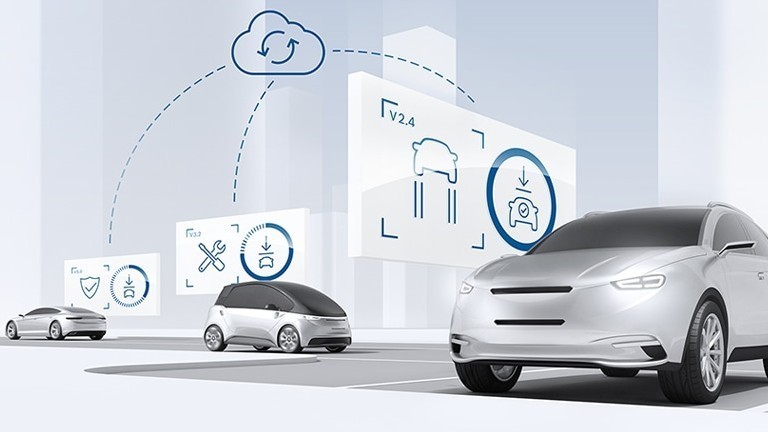
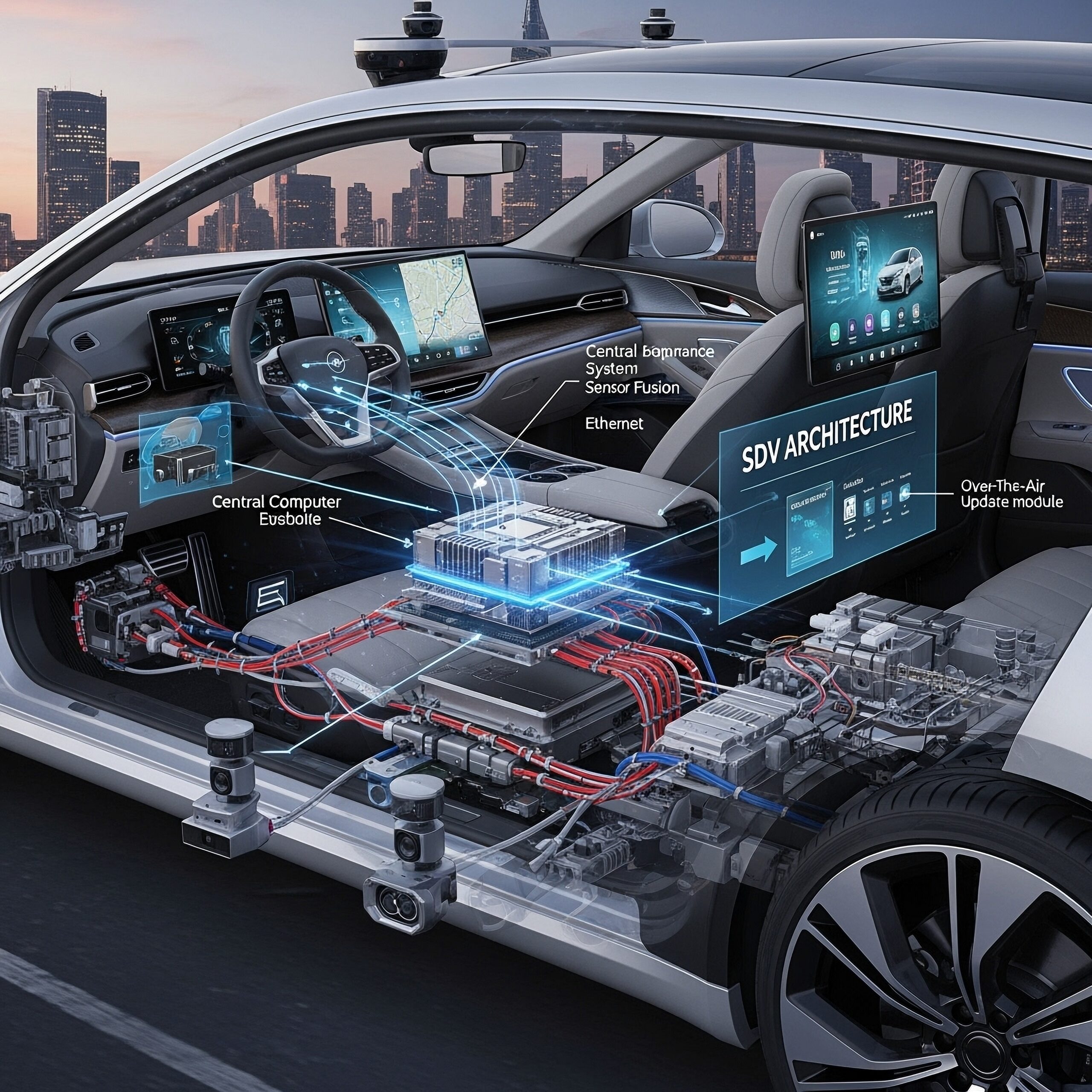
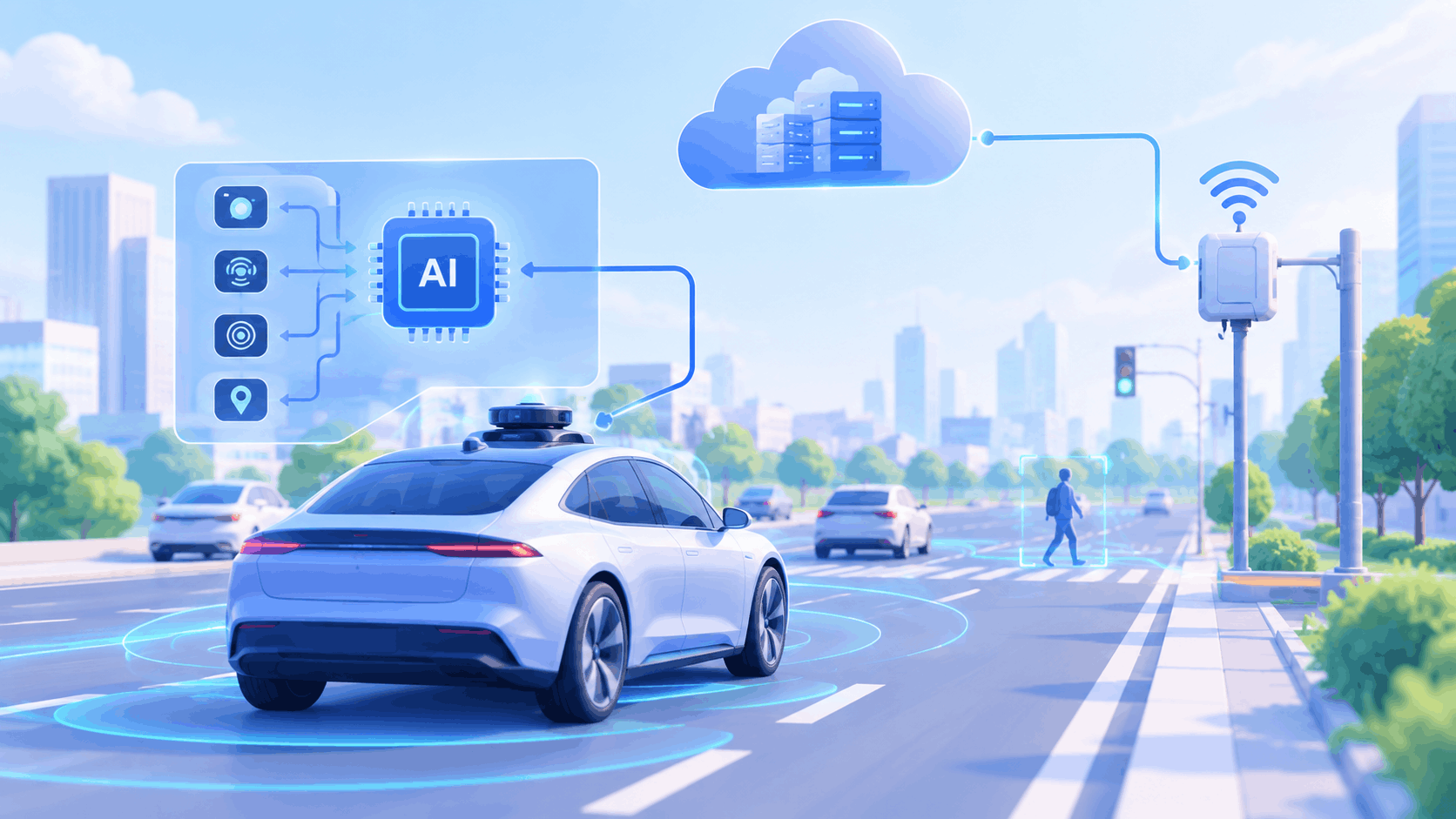
For automotive manufacturers and suppliers, that gap is practical. The industry is moving from hardware-centric vehicle programs to software-defined, electrified and connected mobility ecosystems. AI, cloud and software-defined mobility are no longer separate conversations. Vehicles are becoming more connected, more data-intensive and more dependent on software, making cloud part of the operating architecture of automotive enterprises. That matters because for AI to create value most effectively, it must work across engineering, production, supply chain, vehicle platforms and customer experience. Cloud provides the governed execution environment that makes such work possible, connecting data, applications, controls and computing so that AI can support decisions throughout the automotive operating model.
Calling Autonomous Mobility Companies: Deploy in a Real ... www.auvsi.org July 11, 2026, 6:27 a.m.
Our autonomous mobility route includes a nearly 4-mile smart mobility loop along Technology Parkway and State Route 141, with dedicated autonomous vehicle lane ...
AI Act reloaded - What impact will the Digital Omnibus on ... www.taylorwessing.com July 11, 2026, 6:27 a.m.
On May 7, 2026, EU stakeholders reached a political agreement on the Digital Omnibus package, which aims to streamline existing digital regulations and reduce compliance burdens on businesses. The Digital Omnibus on AI seeks to refine the Artificial Intelligence Act through a more risk-based and innovation-friendly approach rather than undertaking a complete overhaul. For the automotive industry, which already operates under stringent product safety and regulatory frameworks, the immediate practical impact appears limited. Vehicles and certain components already fall under the AI Act's high-risk regime through existing type approval frameworks and functional safety processes. The Omnibus represents operational fine-tuning rather than fundamental restructuring of vehicle product regulations, with integration continuing primarily through established regulatory pathways.
Global Trends in Autonomous Driving Regulations (2026) www.marklines.com July 11, 2026, 6:27 a.m.
This Technology Brief examines accelerated trends in autonomous driving regulations and international standardization between 2025 and 2026, analyzing regulatory developments across Europe, the United States, Germany, and the United Kingdom. Europe leads in establishing formal regulatory frameworks, while the U.S. and China advance development through extensive driving data and commercial operations. Leading autonomous driving companies influence legislative development by self-certifying their systems and demonstrating compliance with international safety standards via third-party verification. The report concludes that international competitiveness depends on cyclical regulatory formation balancing data accumulation, verification against UNECE standards, and iterative regulatory refinement. Success requires adopting either implementation-first or normative-first approaches and systematically integrating operational insights into evolving regulatory frameworks.
Embodied cognition yields interpretable trajectory predictions for bioengineer.org July 9, 2026, 9:15 p.m.
Researchers have developed a novel approach to trajectory prediction for autonomous systems by incorporating principles of embodied cognition. Rather than relying on opaque deep learning models that cannot explain their decisions, the new framework enables machines to reason about motion by simulating physical interactions, similar to how athletes anticipate movements. Published in Nature Communications, this study demonstrates that trajectory prediction systems can achieve interpretable and reliable predictions by embedding generative internal models that understand motion through simulated bodily experience, addressing critical safety concerns in autonomous vehicles and robots.